
Auto
How Nigeria can become regional auto manufacturing powerhouse, by AAAM CEO

How Nigeria can become regional auto manufacturing powerhouse, by AAAM CEO
Chief Executive Officer of the African Association of Automotive Manufacturers (AAAM), Victoria Backhaus-Jerling, says with the right policies, Nigeria can become a regional manufacturing powerhouse.
This, she noted, would immediately reduce its reliance on used vehicle imports, and enable the country to become a job-creating hub for Africa’s next industrial revolution.
According to her, Nigeria possesses the scale, talent and entrepreneurial spirit to lead the Africa’s automotive transformation.
Backhaus-Jerling stated this in her message delivered to dignitaries and industry stakeholders at the 2025 Nigeria Auto Industry Summit held in Lagos.
She stressed the need for policy certainty and legal backing to translate the nation’s potential into sustainable industrial growth.
The AAAM CEO congratulated the Federal Government of Nigeria and the Nigerian Automotive Journalists Association (NAJA) for convening the summit at a critical time in the country’s industrial journey.
She described Africa as “the world’s last automotive frontier”.
“Nigeria’s journey has already begun. But to realise its full potential, the industry needs legal backing – it needs the right policy to be implemented,” said Backhaus-Jerling in her address.
“The right regulatory framework will provide the foundation for sustainable local manufacturing, job creation and investor confidence.”
The summit, which brought together top government officials including the Director-General of the NADDC, Joseph Oluwemimo Osanipin; and Director-General of the Standards Organisation of Nigeria, Ifeanyi Chukwunonso Okeke, focused on charting a course for Nigeria’s auto industry within the broader vision of the African Continental Free Trade Area (AfCFTA).
Backhaus-Jerling reiterated AAAM’s commitment to working with Nigeria and other African nations to develop value chains that span the continent.
She said each country could play a role in vehicle manufacturing, component production, or raw material processing.
She cited the progress made in countries such as Morocco, Egypt, Ghana, and South Africa as proof that the right mix of political will and private sector collaboration could yield tangible results.
“We believe Nigeria can go even further. Political will and decisive action will be the game changers,” she said.
Industry leaders and policymakers engaged at the summit in deep discussions around policy reform, investment strategies, and the development of an inclusive and sustainable automotive ecosystem.
Backhaus-Jerling left participants with a powerful call to action, saying, “Think boldly about what Nigeria’s automotive industry could look like in 10 years – and what must be done today to unlock that vision.”
The African Association of Automotive Manufacturers (AAAM) is the leading pan-African industry body focused on advancing automotive manufacturing across the continent.







Auto
Soaring Fuel Prices Drive Nigerians Toward Electric Vehicles
Soaring Fuel Prices Drive Nigerians Toward Electric Vehicles
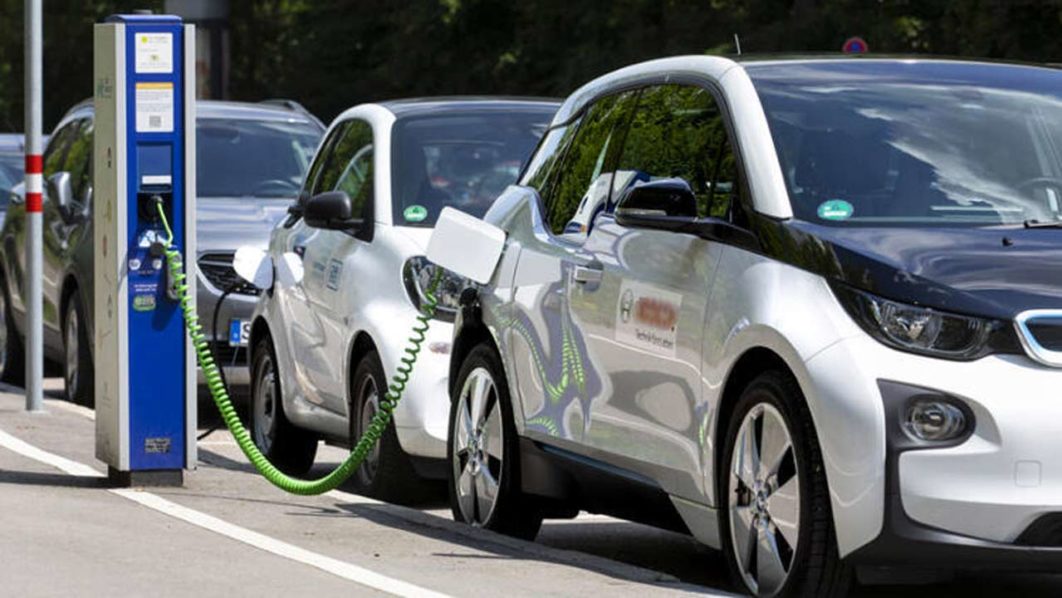
Rising fuel prices in Nigeria are accelerating interest in electric vehicles (EVs) as households, transport operators, and businesses seek cost-effective alternatives to petrol- and diesel-powered cars. Experts say the spike in petrol costs is no longer just an economic concern but a turning point, pushing electric mobility from a futuristic idea into a practical solution for everyday commuting and commercial use.
At the Abuja Compact on Electric Mobility Roundtable, stakeholders highlighted how increasing transport expenses are reshaping decisions, especially among commercial drivers and small business owners. Rising fuel costs are prompting many Nigerians to see EVs as a survival strategy rather than a luxury option.
Chairman of the Presidential Initiative on Compressed Natural Gas and Electric Vehicles (Pi-CNG & EV), Ismaeel Ahmed, explained that the removal of fuel subsidies has widened the cost gap between petrol-powered vehicles and EVs. Charging an EV for a 200-kilometre journey costs around ₦4,500, compared to roughly ₦22,500 for petrol vehicles — a difference that offers a “strong economic incentive” influencing consumer choices. Ahmed added that the federal government is pursuing a balanced transition strategy supporting both compressed natural gas (CNG) and electric vehicles to encourage sustainable energy alternatives.
Financial solutions are helping Nigerians overcome the high upfront costs of EVs. Mohammed Abdul, Divisional Head at Alternative Bank, noted that lease-to-own, pay-as-you-go, and partnership schemes are making EVs accessible to drivers in the informal transport sector. These financing models allow gradual adoption while easing financial burdens.
READ ALSO:
- Ogun Partners with NAHCON, Names Key Hajj Leadership Team
- Timi Frank: INEC Actions Threaten Democracy, Calls on Trump to Support Nigeria
- ADC Defies INEC, Moves Ahead with Congresses, Convention
Industry leaders also see wider economic benefits from EV adoption. Yusuf Suleiman, CEO of Bankrol Camel EV and Blue Camel Energy Ltd, said EV investments could improve energy access, boost industrial growth, and reduce Nigeria’s reliance on imported fossil fuels. Ahmed Garba Ahmed, COO of Bankrol Camel EV, added that EVs can cut energy costs per kilometre by up to 60%, benefiting ride-hailing drivers, logistics companies, and fleet operators.
Dapo Adesina, President of the Electric Mobility Promoters Association of Nigeria (EMPAN), explained that EV adoption can strengthen Nigeria’s power sector. Solar-powered charging hubs can simultaneously power vehicles and supply electricity to nearby communities, particularly in underserved areas. Private sector initiatives are also supporting Nigeria’s EV transition. Companies like SolarCity Gas are deploying superfast EV charging stations across key urban hubs and petrol stations, expanding the country’s charging infrastructure to meet growing demand.
Despite growing adoption, electric mobility in Nigeria faces challenges such as limited electricity infrastructure and inconsistent power supply. Analysts warn that significant investments in charging networks and supportive policies are necessary for sustainable EV growth. Nevertheless, with fuel prices remaining high, EVs are increasingly viewed as economically smart and environmentally friendly alternatives, offering Nigerians a viable solution to rising transport costs.
Soaring Fuel Prices Drive Nigerians Toward Electric Vehicles
Auto
Lagos NURTW Chairman Sego Distributes Exotic Cars, Luxury Items to Cabinet Members (Video)

Lagos NURTW Chairman Sego Distributes Exotic Cars, Luxury Items to Cabinet Members (Video)
The Chairman of the Lagos State chapter of the National Union of Road Transport Workers (NURTW), popularly known as Sego, has distributed exotic cars, luxury items, and other valuables to members of his cabinet.
The development, which took place on Tuesday, drew attention across Lagos as beneficiaries reportedly received high-end vehicles and other expensive gifts as part of what insiders described as a reward and appreciation gesture.
READ ALSO:
- Canada Raises Permanent Residence, Citizenship Fees for Nigerians, Others
- Plateau Palm Sunday Massacre: US Lawmaker Warns Nigeria
- Cars Torched as South Africans Protest Alleged Nigerian ‘Igbo King’ Coronation
Sources within the union disclosed that the items shared included luxury cars, household equipment, and other high-value materials, aimed at boosting morale among cabinet members and strengthening loyalty within the leadership structure of the union.
Observers say the move highlights the growing influence and financial strength of transport unions in Lagos, particularly the NURTW, which plays a key role in the state’s transport sector.
While supporters of the chairman have praised the gesture as a sign of generosity and leadership, critics argue that such displays of wealth raise questions about transparency and accountability within union operations.
As of the time of filing this report, there has been no official statement from Sego addressing the distribution, but the development has continued to generate reactions among stakeholders in the transport industry and the wider public.
The Chairman of the Lagos State chapter of the National Union of Road Transport Workers (NURTW), popularly known as Sego, has distributed exotic cars, luxury items, and other valuables to members of his cabinet
Tonto Dike | Blessing CEO | Kaduna | Pastors and Imams | Jerry Eze pic.twitter.com/YWGLjMiJyZ
— Newstrends.Ng (@Newstrends_ng) March 31, 2026
Lagos NURTW Chairman Sego Distributes Exotic Cars, Luxury Items to Cabinet Members (Video)
Auto
Motoring World marks 30 years, set to rally industry leaders in Lagos
Motoring World marks 30 years, set to rally industry leaders in Lagos
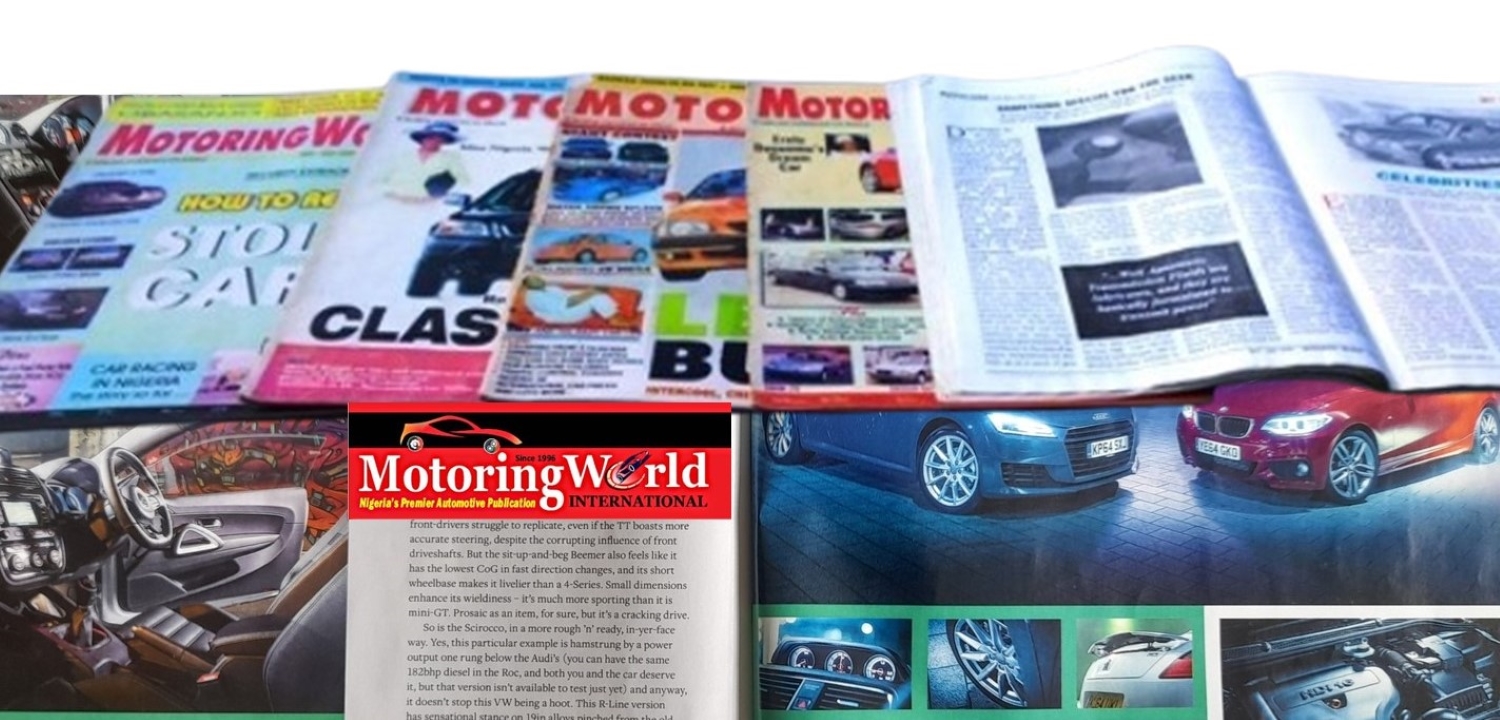
Motoring World, one of Nigeria’s foremost automotive publications, will celebrate its 30th anniversary on June 4, 2026, with a high-profile event at the MUSON Centre.
The milestone gathering is expected to draw policymakers, industry leaders, diplomats and innovators to commemorate three decades of impactful journalism, advocacy and contribution to the growth of Nigeria’s automotive sector.
Founded on June 12, 1996, as a syndicated radio magazine programme, Motoring World pioneered automotive broadcasting in Nigeria before expanding into print in 1998. It has since evolved into a multi-platform brand at the forefront of promoting industry development, modernization and policy reform.
Over the years, the publication has gone beyond news reporting to play an active role in shaping regulatory frameworks, encouraging local content development and promoting industry standards.
Publisher and Chief Executive Officer, Femi Owoeye, said the organisation was driven by a clear vision from inception.
READ ALSO:
- Nigeria Police Reform: 222,000 Officers May Move to State Commands
- Iran Threatens US-Linked Universities in Middle East Amid Escalating Tensions
- Iranian Strike on Saudi Base Damages US Spy Plane, Injures 12 Troops
“Motoring World started with a simple vision: to give voice and structure to Nigeria’s automotive industry. Over the years, we have gone beyond reporting to actively advocate policies that support industry growth, local production and a more structured ecosystem,” he said.
Activities lined up for the anniversary include the unveiling of a special 30th anniversary edition of Motoring World magazine, chronicling the evolution, milestones and future of the industry. Distinguished stakeholders with three decades of contributions to the sector will also be honoured.
A keynote lecture titled, “Reporting the Road Ahead: Automotive Journalism as a Catalyst for Nigeria’s Auto Industry Development,” will underscore the critical role of the media in shaping the nation’s automotive landscape.
Dignitaries expected at the event include the Minister of Industry, Trade and Investment, Jumoke Oduwole; the Director-General of the National Automotive Design and Development Council, Oluwemimo Joseph Osanipin; state governors, transport commissioners and members of the diplomatic corps.
Owoeye noted that the anniversary represents more than a celebration.
“This is a tribute to resilience, strong partnerships and the collective drive that has sustained the industry. As we honour key players and reflect on our journey, we are also setting the tone for the next phase of mobility in Nigeria,” he added.
The event promises a blend of reflection, recognition and renewed commitment to advancing Nigeria’s automotive industry.
Motoring World marks 30 years, set to rally industry leaders in Lagos

-

 Railway3 days ago
Easter train: NRC increases Lagos-Ibadan trips, offers free Osun holiday transit
-

 metro1 day ago
VeryDarkMan Dares Sowore Over Blord’s Kuje Prison Remand
-
 Business2 days ago
NNPC Boosts Crude Supply to Dangote Refinery to Address Rising Fuel Prices
-

 metro2 days ago
Nigerians to Enjoy Four-Day Break as FG Declares Easter Holidays
-
 metro3 days ago
Power Crisis Looms as NLC Shuts AEDC, Protests Sack of 900 Workers
-
 metro20 hours ago
Tinubu Approves 1,000 Forest Guards, Orders 5,000 CCTV Cameras to Boost Security in Plateau
-
 International14 hours ago
Iran Announces ‘Bounty’ on US Pilots After Claiming Downing of Fighter Jet
-
 International2 days ago
Iran Fires Missiles at Israel After Trump Threatens Weeks of ‘Extremely Hard’ Strikes