
metro
How Nigerian Ex-Naval Officer Allegedly Tricked Into Russia’s Army via Fake Job Offer

How Nigerian Ex-Naval Officer Allegedly Tricked Into Russia’s Army via Fake Job Offer
A retired officer of the Nigerian Navy, Adamu Abubakar, was allegedly lured with a fake dollar-paying security job and later coerced into Russia’s military, where he was deployed toward the Ukraine war and eventually required psychiatric care, according to accounts from his family, legal representatives and medical records.
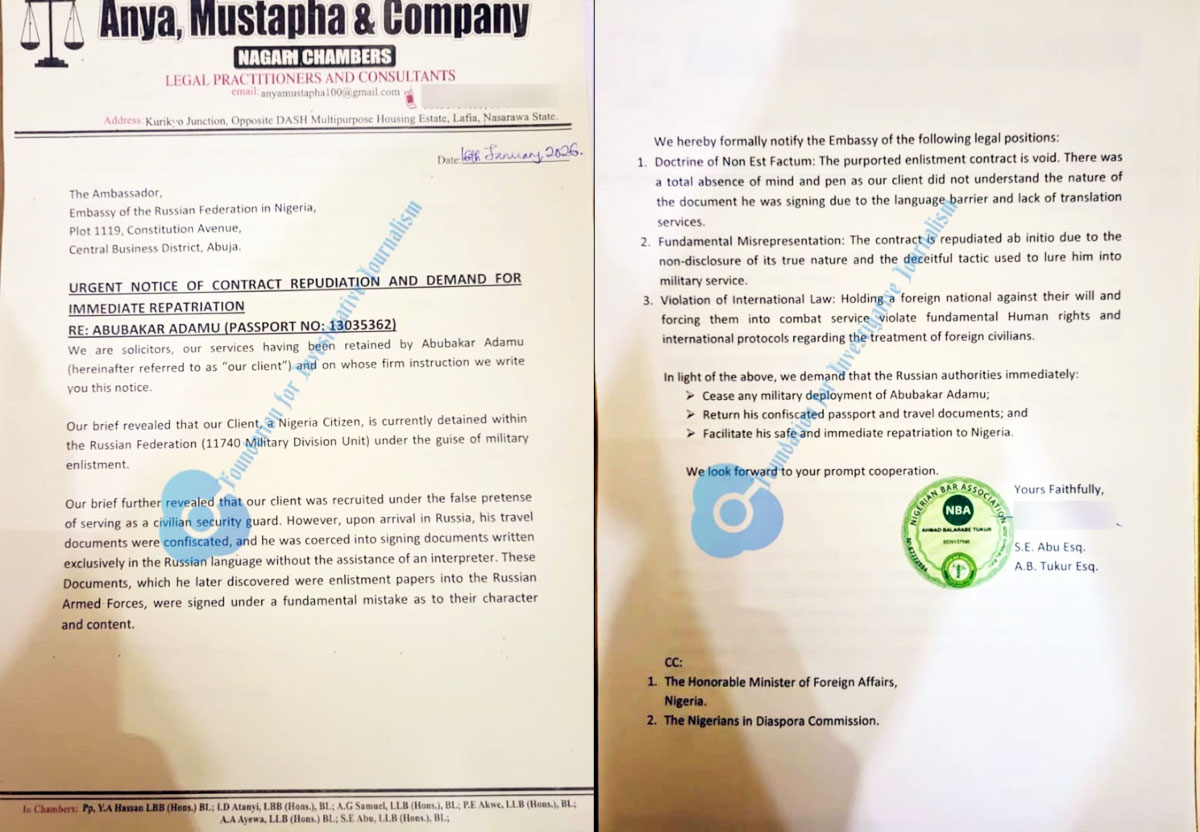
The embassy received the letter on January 19
In November 2025, Abubakar completed administrative paperwork at the Russian Embassy in Nigeria after a Lagos-based agent assured him of a civilian security job in Russia with a promised $2,000 monthly salary. His wife, Hadiza Abubakar, said he followed due process, including biometric capture and visa issuance, believing his tourist visa would later be converted to a work permit upon arrival.
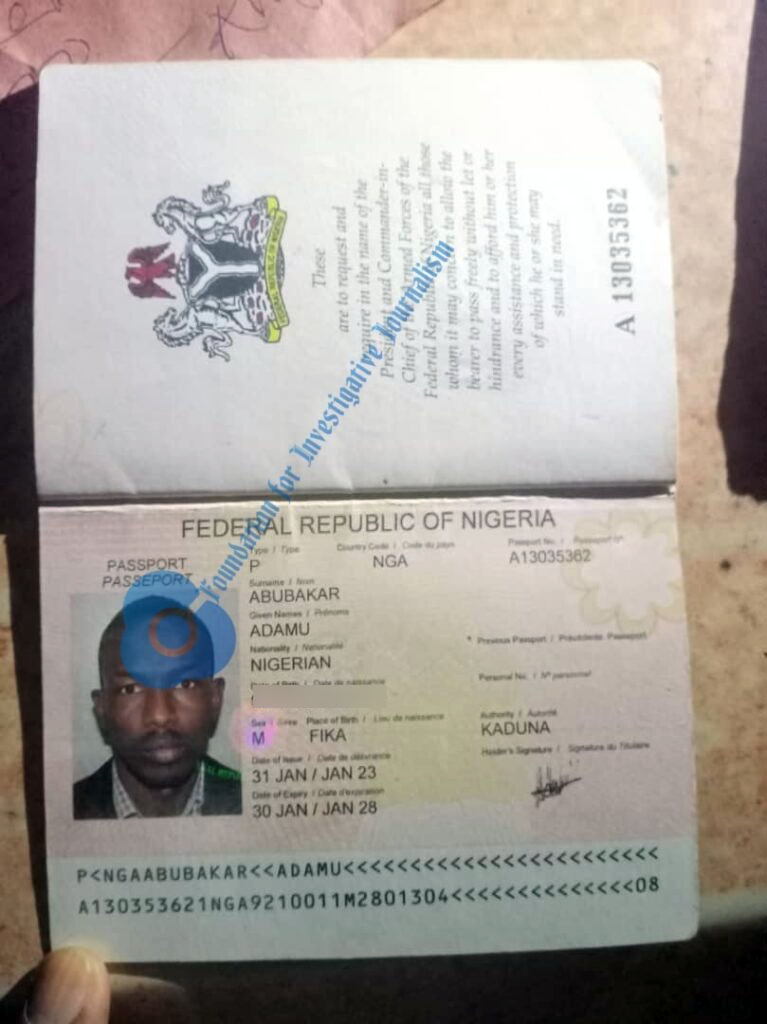
A copy of Adamu Abubakar’s Nigerian passport
However, upon landing in Russia, Abubakar’s experience reportedly departed sharply from standard international travel procedures. Instead of passing through normal immigration checks, he was allegedly diverted from official screening, had his travel documents seized, and was transported with other foreign nationals in a guarded bus to an undisclosed location. According to accounts relayed by his wife, the group was pressured to sign documents written entirely in Russian, without interpretation or explanation. Those documents later turned out to be military enlistment papers.
READ ALSO:
- MURIC Demands Suspension of Olubi School Principal, VPs Over Alleged Religious Discrimination
- Pregnant Woman, 5 Final-Year Nursing Students Die in Ilorin‑Ogbomoso Road Crash
- Dangote Refinery Signs Off‑Take Deal to Deliver 65m Litres of Petrol Across Nigeria
Available evidence shows that Abubakar was enlisted as a contract soldier on November 10, 2025, assigned a military rank, and moved between several locations connected to Russia’s war against Ukraine. The conflict, now in its fourth year, began after tensions escalated over Ukraine’s growing alignment with NATO. Despite repeated assurances, Abubakar’s family says the promised monthly salary was never paid.
By early February 2026, Abubakar’s mental state reportedly deteriorated significantly. Medical documents from Russian military facilities cited acute anxiety and stress-related psychiatric conditions, recommending psychiatric hospitalisation and close observation to assess his suitability for further military duties. He was later evacuated to a medical facility in Bryansk, a region that has been repeatedly affected by the conflict. Since then, communication with his family in Nigeria has been restricted and irregular, worsening their emotional distress.
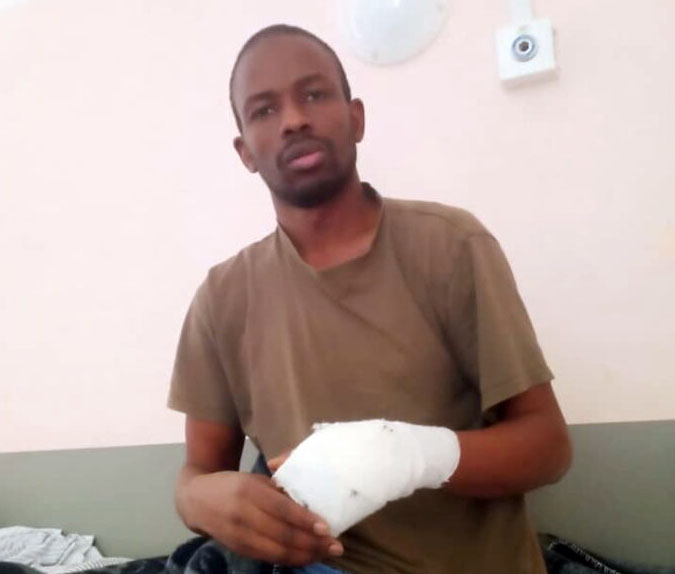
Adamu Abubakar
Abubakar’s ordeal reflects a wider pattern involving African nationals, many of whom are allegedly recruited through deceptive job offers promising security work, education, or residency opportunities, only to be redirected into military roles after arrival in Russia. Investigations and official statements from Ukraine have confirmed that foreign nationals, including Nigerians, have been killed while fighting for Russia, while others remain trapped in combat zones with little chance of safe return.
Despite documentary evidence showing Abubakar’s visa issuance and embassy processing, Russian officials in Nigeria have denied any knowledge of him. This claim has been challenged by his legal representatives, who argue that the circumstances point to non-disclosure, coercion and possible abduction. A formal request has been submitted to Russian authorities seeking his urgent repatriation to Nigeria.
Nigeria’s Nigerians in Diaspora Commission and the Ministry of Foreign Affairs have since issued public warnings urging citizens to avoid all forms of foreign military recruitment, stressing that participation in overseas conflicts could violate Nigerian and international law. The Nigerian Navy has confirmed that Abubakar served for over a decade before retiring and was not on active service at the time of his departure from Nigeria.
Back in Kano State, Abubakar’s wife and children remain deeply traumatised, appealing for urgent diplomatic intervention to secure his safe return. As official inquiries continue, the case has renewed concerns over overseas job scams, weak regulation of recruitment agents, and the growing risks Nigerians face when foreign employment offers intersect with international armed conflicts.
How Nigerian Ex-Naval Officer Allegedly Tricked Into Russia’s Army via Fake Job Offer











metro
JUST IN: FG Publishes List of 48 Individuals, Groups Linked to Terrorism Financing in Nigeria
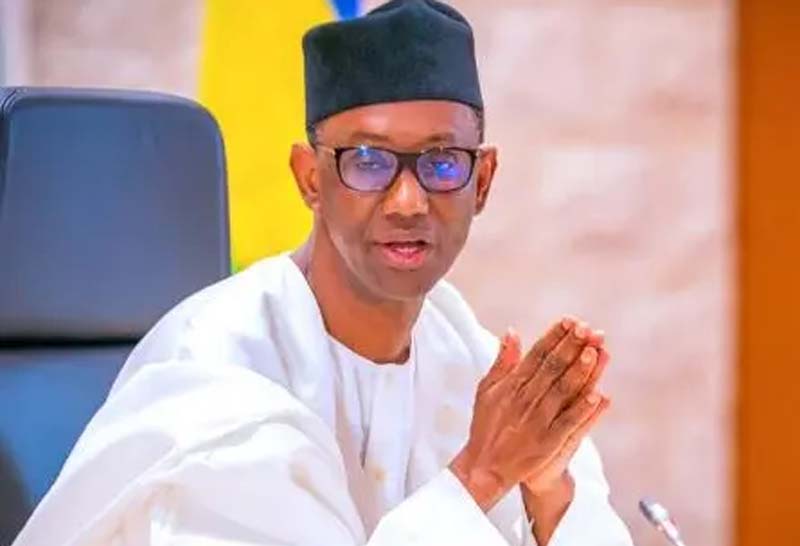
JUST IN: FG Publishes List of 48 Individuals, Groups Linked to Terrorism Financing in Nigeria
The Federal Government has released a list of 48 individuals and organisations alleged to be involved in terrorism financing in Nigeria, marking a significant step in ongoing efforts to disrupt funding networks linked to insecurity across the country.
The list was published on Saturday by the Nigeria Sanctions Committee (NIGSAC), the inter-agency body responsible for enforcing financial sanctions in line with Nigeria’s counter-terrorism financing (CTF) and anti-money laundering (AML) frameworks.
According to the committee, the designated individuals and entities are suspected of providing financial, logistical, or operational support to terrorist organisations operating in parts of the country, particularly in the North-East and other security-affected regions.
The list reportedly includes individuals connected to proscribed organisations such as the Indigenous People of Biafra (IPOB), the Ansaru, and the Islamic State West Africa Province. Among those named are Tukur Mamu, Simon Ekpa, Abdulsamad Ohida, Usman Abubakar, Kubara Salawu, Rabiu Suleman, Simon Njoku, Godstime Itare, Francis Nmaduabuchi, Chukwuka Eze, Edwin Chukwuedo, and others listed in the official document.
READ ALSO:
- 2027: Oyo APC Governorship Aspirant Saheed Oladele Resigns From Party
- 42-Year-Old Married Woman Declared Missing Found in Hotel with Man
- ADC Threatens Civil Disobedience To Force INEC Chairman To Resign
Security and financial intelligence sources said the designation is part of strengthened efforts to enforce targeted financial sanctions against terrorism sponsors, in line with Nigeria’s obligations under international security and financial monitoring standards. The sanctions framework allows authorities to impose measures such as asset freezes, restrictions on financial transactions, and travel limitations on individuals and organisations identified as being involved in terrorism financing activities.
Officials said the move is aimed at cutting off funding channels that support insurgent groups and separatist-linked violence in affected parts of the country. The Nigeria Sanctions Committee explained that the publication of the list is part of broader efforts to strengthen national security by targeting the financial infrastructure behind terrorism.
It added that identifying and sanctioning individuals linked to terrorist financing is crucial to weakening the operational capacity of groups responsible for attacks on civilians and security forces. Authorities also stressed that the listings are part of ongoing investigations and do not replace judicial proceedings, noting that further legal and enforcement actions may follow where evidence is established.
The development comes amid intensified military operations against insurgent groups across the country, as well as increased coordination between security agencies and financial regulators to monitor suspicious transactions and disrupt illicit funding flows.
Officials reiterated that combating terrorism requires both military action and sustained efforts to dismantle the financial networks supporting terrorism in Nigeria.
As of the time of filing this report, the Federal Government has not issued additional details beyond the published list, while reactions are expected from some of the individuals and organisations named.
JUST IN: FG Publishes List of 48 Individuals, Groups Linked to Terrorism Financing in Nigeria
metro
42-Year-Old Married Woman Declared Missing Found in Hotel with Man

42-Year-Old Married Woman Declared Missing Found in Hotel with Man
A 42-year-old woman declared missing in Ilara-Mokin, Ondo State, has been found in a hotel room in Ugbe-Akoko, sparking widespread reactions and renewed concerns over the circumstances surrounding her disappearance.
The woman reportedly left her matrimonial home in Ilara-Mokin in Ifedore Local Government Area without informing her husband or family members, prompting fears that she had been abducted or harmed.
Her husband was said to have raised the alarm after repeated attempts to reach her failed, leading to concern among relatives and residents of the community. The development triggered a search effort as anxiety grew over her whereabouts.
According to sources familiar with the case, the woman was later traced to Ugbe-Akoko in Akoko North-East Local Government Area, located about 124 kilometres from Ilara-Mokin. The journey between both locations typically takes over two hours by road.
READ ALSO:
- ADC Threatens Civil Disobedience To Force INEC Chairman To Resign
- World Bank Deletes Nigeria Development Update Report Days After Release
- US Revokes Green Cards of Iranian Family
She was reportedly discovered in a hotel in the area in the company of a 55-year-old man. Both individuals were taken in for questioning by relevant authorities to determine the circumstances surrounding their presence at the location.
Preliminary findings suggest that the woman may not have been abducted as initially feared but might have left home voluntarily without informing her family. However, officials are still working to establish the full details surrounding her movement and activities before she was found.
The incident has generated mixed reactions among residents of both communities, with many expressing shock, confusion, and concern over the circumstances that led to her disappearance and eventual discovery in a hotel.
Security agencies are continuing investigations to determine whether any offence was committed and to clarify the nature of the relationship between the woman and the man found with her.
As of the time of filing this report, there has been no official statement from law enforcement authorities, while the case continues to attract attention across Ondo State.
42-Year-Old Married Woman Declared Missing Found in Hotel with Man
metro
ADC Threatens Civil Disobedience To Force INEC Chairman To Resign
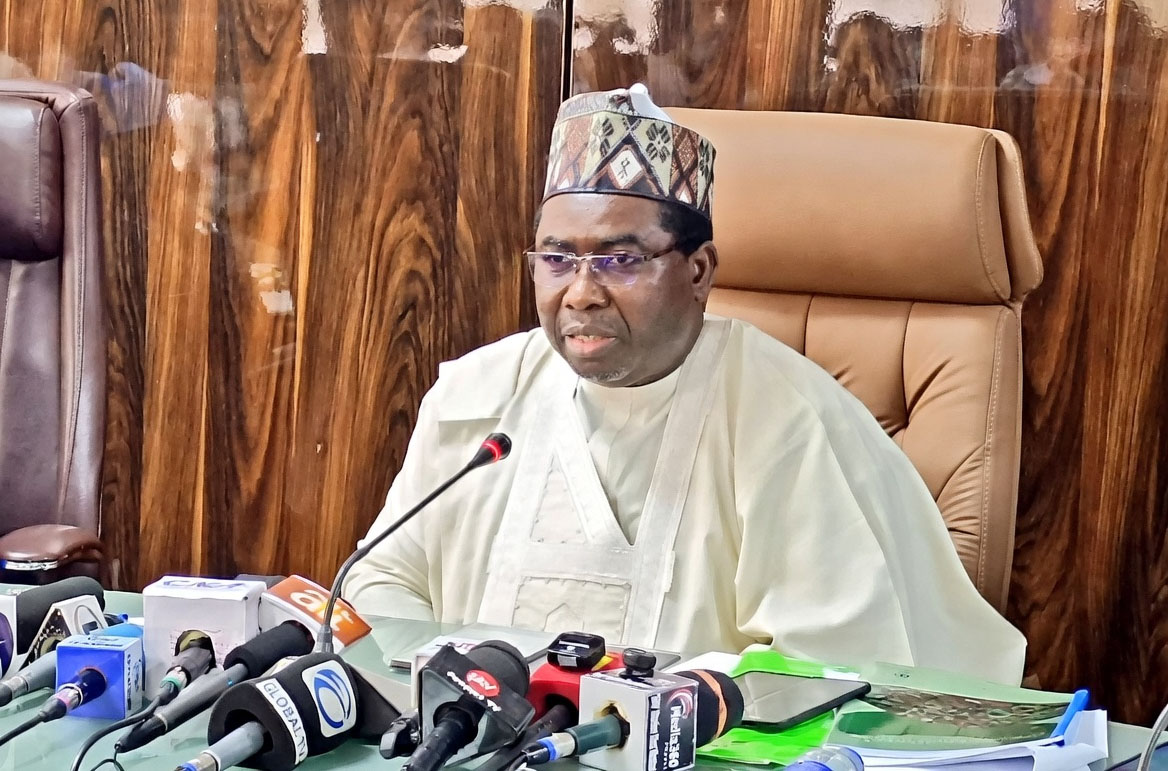
ADC Threatens Civil Disobedience To Force INEC Chairman To Resign
The African Democratic Congress (ADC) has demanded the immediate resignation of the Chairman of the Independent National Electoral Commission (INEC), Prof. Joash Amupitan, over allegations of political bias linked to controversial old social media posts, while also threatening civil disobedience if he remains in office.
The opposition party said its position follows growing concerns about the neutrality of the electoral body ahead of future elections, insisting that the credibility of the electoral process in Nigeria must not be compromised.
The controversy centres on alleged archived posts on X (formerly Twitter) attributed to an account bearing Amupitan’s name, which critics claim contained expressions perceived as supportive of the ruling All Progressives Congress (All Progressives Congress) and President Bola Ahmed Tinubu. The allegations gained wider attention after US-based Nigerian scholar Farooq Kperogi referenced the purported posts in a public commentary, arguing that they raise questions about the independence of INEC leadership. The claims have since sparked heated debate across social media, with supporters of the electoral commission questioning their authenticity while critics insist they undermine public trust in the institution.
READ ALSO:
- World Bank Deletes Nigeria Development Update Report Days After Release
- US Revokes Green Cards of Iranian Family
- 16-Year-Old Alleges Repeated Rape by Pastor During ‘Deliverance’ in Anambra
In response, the Chief Press Secretary and Media Adviser to the INEC Chairman, Adedayo Oketola, cautioned against misinformation and impersonation, warning that cybercriminals may be using fake accounts to circulate false narratives. He reaffirmed that INEC remains committed to delivering free, fair and credible elections in Nigeria, urging the public to rely only on verified communication channels from the commission.
Reacting to the controversy, ADC spokesperson Bolaji Abdullahi described the allegations as a serious breach of public trust and a threat to Nigeria’s democratic integrity, arguing that an electoral umpire must not only be neutral but must also be seen to be unquestionably impartial. According to him, the allegations—if proven true—undermine confidence in the leadership of the electoral body. Abdullahi further alleged attempts to manipulate or alter digital records linked to the controversy, describing the situation as a “calculated assault on truth and accountability.”
He said: “The referee cannot be running around in the shirt of one of the teams he is supposed to officiate.” The ADC insisted that Prof. Amupitan must resign immediately, warning that failure to do so would trigger escalated action, including civil disobedience protests across Nigeria. The party also said it would update petitions to relevant professional and international bodies, including the Nigeria Bar Association (Nigeria Bar Association), as part of efforts to intensify pressure on the electoral commission.
The controversy adds to rising political tension surrounding the leadership of INEC, as opposition parties increasingly scrutinise the commission’s neutrality ahead of upcoming electoral cycles. Analysts say the situation highlights ongoing concerns about trust in Nigeria’s electoral institutions, especially in the digital age where social media content can significantly influence public perception.
As of the time of filing this report, INEC has not issued a fresh statement addressing the ADC’s latest demand for the chairman’s resignation or its threat of civil disobedience.
ADC Threatens Civil Disobedience To Force INEC Chairman To Resign

-

 Africa2 days ago
ECOWAS Recruitment 2026: Over 30 Job Vacancies Open for Nigerians (How to Apply)
-
 metro5 hours ago
JUST IN: FG Publishes List of 48 Individuals, Groups Linked to Terrorism Financing in Nigeria
-

 Health2 days ago
Sleeping Positions: How They Affect Your Health and Which Ones to Avoid
-

 Politics3 days ago
Court Stops ADC Congress, Orders Status Quo in Leadership Row
-
 metro2 days ago
Boko Haram Attack in Borno: Brigadier-General, Soldiers Killed as ISWAP Overruns Military Base
-
 Politics15 hours ago
Did Faleke Just Reveal Lagos’ Next Governor? Party Moves Begin
-
 metro3 days ago
US Evacuates Embassy Staff in Nigeria, Lists 23 States as ‘Do Not Travel’
-

 Education1 day ago
Germany Opens Fully Funded Scholarships for Nigerians, Africans