

Auto
Hyundai launches new generation Tucson, an SUV with daring aura
By Rasheed Bisiriyu
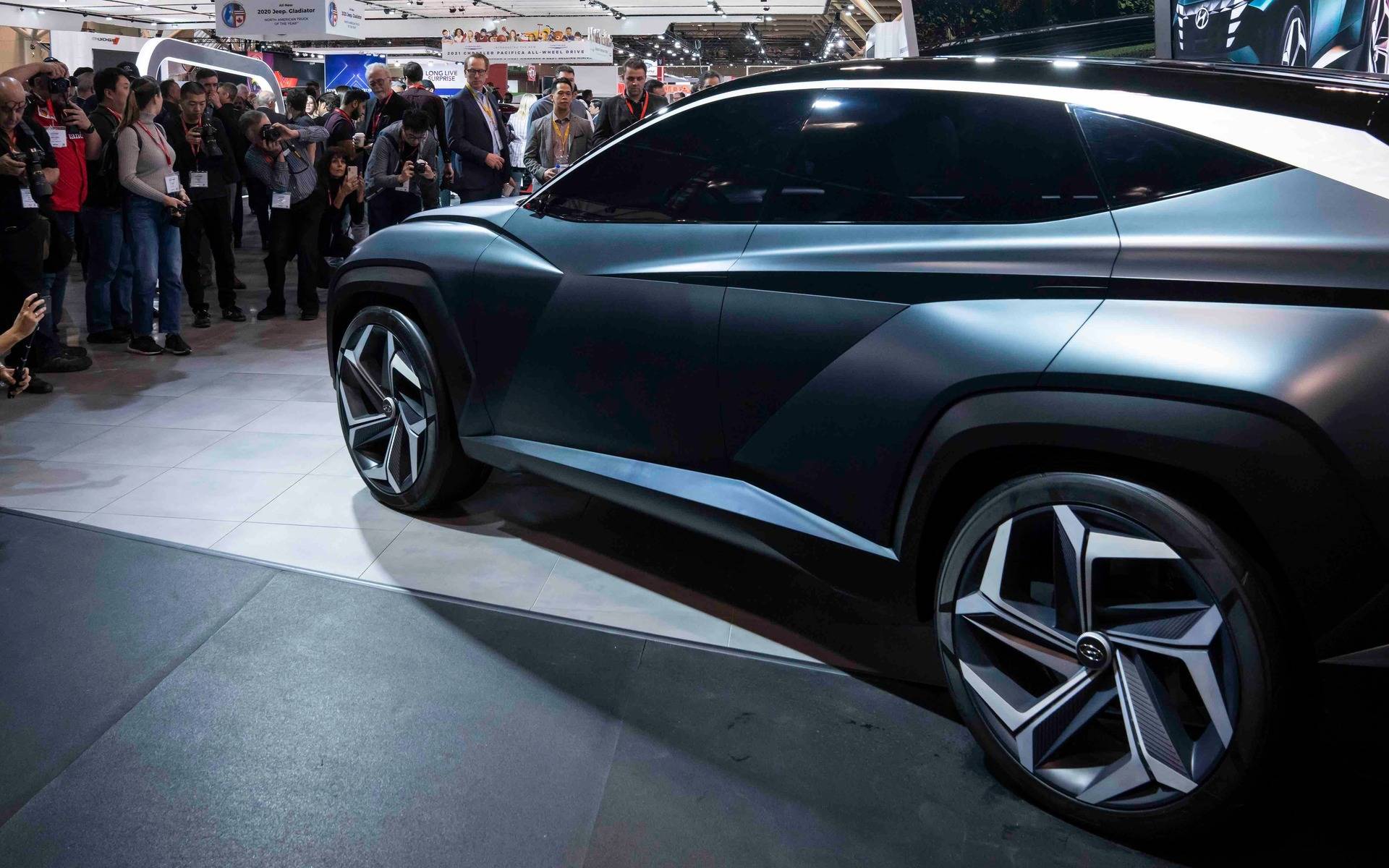
The launch of a new look Hyundai Tucson SUV on Monday was ecstatic as many SUV enthusiasts and analysts say they are excited about the entire virtual unveiling experience.
They acknowledge that the new vehicle, a fourth generation Tucson, built for the 2022 market, evokes a combative and daring aura.
“We were excited about the virtual launch event, which took place in West Hollywood, California, on Monday,” say MSN Auto analysts.
Hyundai’s Global Chief Operating Officer José Muñoz and SangYup Lee, who runs the Hyundai Global Design Centre, spoke at the event on the new wonder machine on the wheels.
The professional surfer Sage Erickson, a Hyundai brand ambassador, made an appearance as well.
Hyundai says the 2022 Tucson will be quieter, smoother, and more fun to drive than the outgoing model.
The automaker uses more sound-deadening materials and has an acoustic windshield to reduce the wind noise from coming into the cabin.
Hybrid models use “e-handling” technology, which should improve the steering response and vehicle stability while providing a fun-driving experience.
According to Motor Trends, the new vehicle has a lot of unique things. First, it notes that in a big departure from the current styling, Hyundai sketched the fourth-generation Tucson with angled character lines and a big grille, turning the compact SUV into a distinct player in an ultra-competitive segment.
“The styling isn’t the only big change for the 2022 Hyundai Tucson, though. It’s longer, wider, and taller than the current SUV, and it will be available as a hybrid and plug-in hybrid for the first time,” it states.
Hyundai says the new car provides the automaker an opportunity to begin its next adventurous chapter and push the boundaries of efficiency a lot higher.
It says, “The entirely new look with a longer, wider body takes SUV design into more modern territory. And its complex network of sensors and cameras help keep you even safer while making driving—and parking— a lot easier.
“For the first time ever Tucson is giving you choices that push the boundaries of efficiency and performance: from the Hybrid and Plug-in Hybrid to the race-inspired N Line.”
The auto news website provides other striking details about the new Tuckson SUV. For instance, it notes that the change in proportions means more space inside.
The 2022 Tucson is said to be 5.9 inches longer, 0.6 inch wider and 0.6 inch taller than the model it replaces, with its wheelbase also increasing by 3.4 inches.
This means the new Tucson is now about the same size as the Honda CR-V or Toyota RAV4, two SUVs that have also got bigger recently.
The Tucson is the latest model to embody Hyundai’s “Sensuous Sportiness” design language, which is seen in the Sonata and Elantra sedans but until now had not made its way to an SUV.
Motor Trends also states, “One of the most striking elements is the integration of the daytime running lights into the grille, which gives the 2022 Tucson a wider, futuristic appearance.
“Taking a page from the Kona and Santa Fe designs, the headlights are nestled in the front bumper, giving the Tucson a combative face. Combined with the well-defined fender openings and sharp character lines on the hood, the Tucson has a concept-y look in pictures, but once you see it in person, it embodies a sharper style that brings a new identity to the table.”
Interior
The new Hyundai Tucson interior is spacious. When you enter the cabin, you will be welcomed by big screens and tons of techs.
The Tucson Limited model is equipped with a 10.3-inch touchscreen, capacitive HVAC controls, ambient lighting, and another 10.3-inch screen for the instrument cluster. Lower trims get an 8.0-inch touchscreen with a 4.2-inch LCD display on the instrument cluster, but they benefit from wireless Apple CarPlay and Android Auto, something you don’t get with the 10.3-inch touchscreen.
Sitting in the driver’s seat you get a sense of spaciousness from the cabin. The hidden air vents on the dashboard and the lack of a physical lever (say hello to push-buttons) make the cabin feel roomier.
The Limited model also uses piano black trim and cloth on the door panels that looks and feels premium while adding a bit of character to the cabin.
The bigger proportions mean more space inside. The second-row seats feel like a living room, with a whooping 41.3 inches of legroom.
Engine
It has three engine options. They are gas, hybrid and plug-in hybrid.
Tucson’s bigger 2.5-litre, four-cylinder gas engine gives you more power with an estimated 187hp and 182lb.-ft. of torque.
Tucson hybrid’s 1.6L turbocharged engine kicks out 226hp estimated total combined system power. And HTRAC All Wheel Drive comes standard.
The third option offers you electric when you want it; and gas when you need it.
Tucson plug-in hybrid’s 1.6L turbocharged engine with 13.8kWh battery power charges in just under two hours. And with standard HTRAC All Wheel Drive and all-electric drive mode, the Tucson Plug-in Hybrid is a win-win.
Those opting for the Tucson hybrid or plug-in hybrid will get a 1.6-litre turbocharged four-cylinder engine mated to a six-speed automatic, an electric motor, and standard all-wheel drive.
The regular hybrid gets a 1.49-kWh battery to deliver about 226 hp and 258 lb-ft, per Hyundai’s estimates, while getting 37 mpg combined.
The plug-in hybrid uses a 13.8-kWh battery that allows the Tucson to cover about 28 miles on electric drive only before reverting to full-hybrid operation.
Power numbers rise to around 260hp and fuel economy numbers increase to about 70 mpg-e.

Auto
Hyundai Unveils Mufasa, Grand Creta SUVs to Strengthen Nigeria Line-up (Updated)
Hyundai Unveils Mufasa, Grand Creta SUVs to Strengthen Nigeria Line-up (Updated)
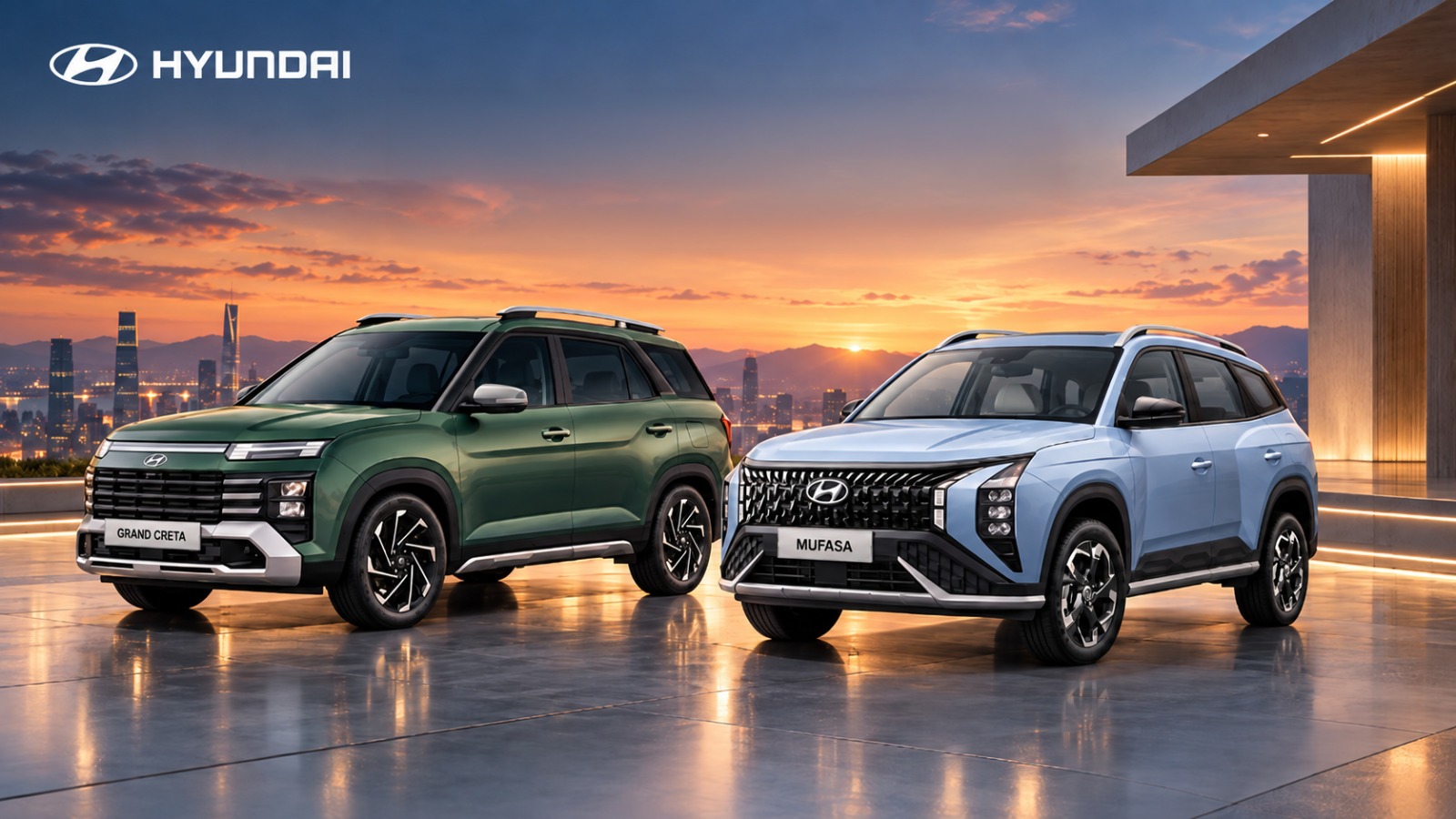
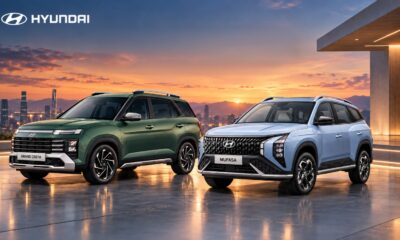
Hyundai Motors Nigeria has expanded its sport utility vehicle (SUV) range with the introduction of the all-new Mufasa and Grand Creta, offering Nigerian motorists more choices in styling, performance, technology and passenger comfort.
The two models, unveiled in Lagos on Wednesday, are targeted at different customer segments, with the Mufasa designed for motorists seeking a stylish, five-seater SUV, while the Grand Creta offers a three-row, seven-seater configuration suited to larger families and customers requiring additional passenger space.
The launch underscores Hyundai’s efforts to strengthen its presence in Nigeria’s competitive automotive market, where demand for versatile vehicles that combine comfort, safety, performance and practicality continues to shape consumer preferences.
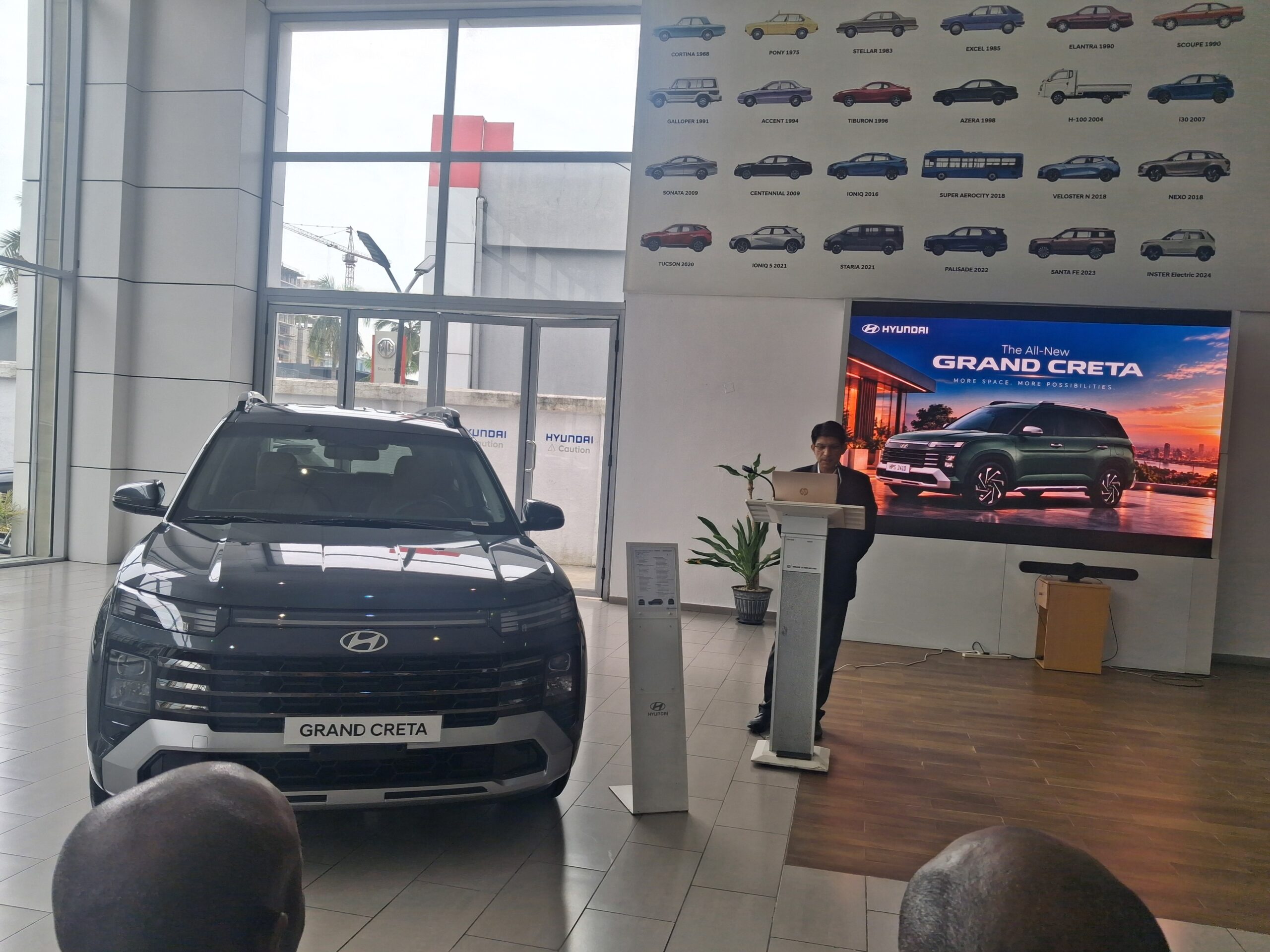
Speaking at the launch, Hyundai Motors Nigeria’s General Manager, Sales and Marketing, Mr Gaurav Vashisht, said the new models reflected the company’s commitment to providing vehicles that meet the changing needs of Nigerian customers.
“The SUV segment continues to attract strong interest in Nigeria, as customers increasingly prioritise comfort, safety, technology and versatility,” Vashisht said.
He also gave a rundown of the two new vehicles’ features even as he stated that the Mufasa and Grand Creta were designed to meet different lifestyle requirements while maintaining Hyundai’s global standards of quality and innovation.
Mufasa targets style-conscious motorists
The Hyundai Mufasa combines bold exterior styling with a spacious cabin and features designed for everyday driving. Its distinctive front grille, signature LED lighting and muscular bodywork give it a commanding road presence.
Power comes from a 2.0-litre Smartstream multipoint fuel injection (MPi) petrol engine paired with a six-speed automatic transmission. Depending on the market specification, the engine produces approximately 150–160 horsepower and 193Nm of torque.
The five-seater SUV measures about 4,475mm in length, with a 2,680mm wheelbase, providing room for passengers and luggage while retaining a practical footprint for urban driving and longer journeys.
Its cabin features a modern dashboard, digital displays and storage spaces, while available equipment, depending on the variant, includes touchscreen infotainment, smartphone connectivity, automatic climate control, wireless charging and selectable driving modes.
Safety and driver-support features include anti-lock braking, electronic stability control, airbags and parking assistance, subject to the vehicle specification.
The Mufasa is positioned as an option for professionals, younger motorists and families seeking a combination of contemporary design, technology and everyday usability.
Grand Creta offers seven-seat flexibility
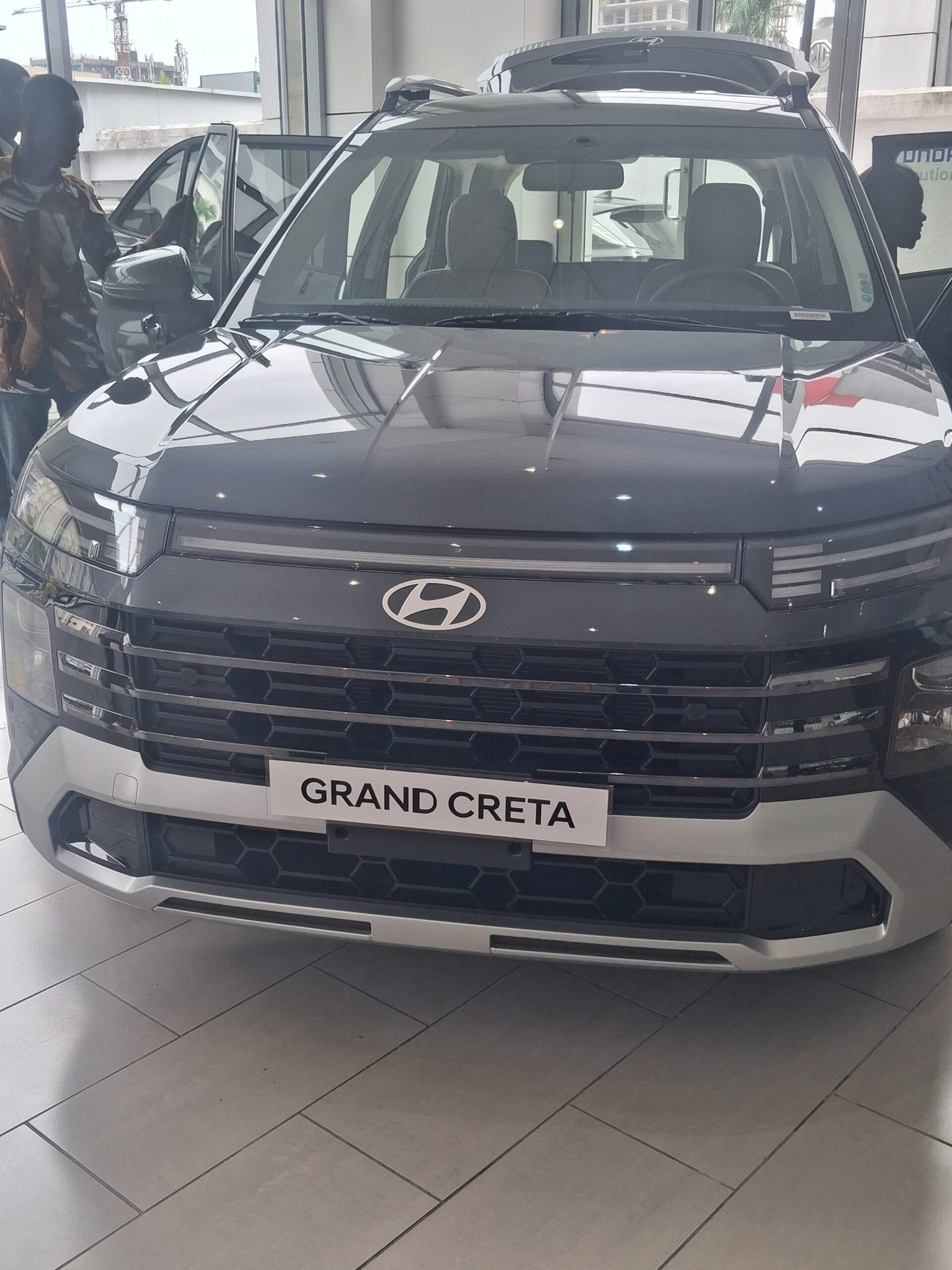
The Grand Creta complements the Mufasa with a larger cabin and seating for up to seven occupants, making it suitable for families and motorists who prioritise passenger capacity and interior flexibility.
The SUV is powered by an available 2.0-litre Smartstream petrol engine producing approximately 159 horsepower and 191Nm of torque. A six-speed automatic transmission is offered on automatic variant.
Its 2,760mm wheelbase supports a spacious three-row layout, while the flexible seating arrangement allows occupants to adjust the cabin to accommodate passengers or luggage.
Depending on the trim, convenience features include an eight-inch touchscreen infotainment system with smartphone connectivity, rear air-conditioning vents, keyless entry, push-button start and a digital instrument cluster.
Higher-specification versions may also feature leather-appointed seats, ventilated front seats, automatic climate control, wireless charging and a panoramic sunroof.
Safety equipment offered across the range includes six airbags, anti-lock braking, electronic stability control, hill-start assist, rear parking sensors, a rear-view camera and ISOFIX child-seat mounting points.
The model is aimed particularly at larger families seeking additional space and comfort without sacrificing the styling and versatility associated with SUVs.
After-sales support in focus
Beyond the new models, Hyundai Motors Nigeria says it is focused on delivering a comprehensive ownership experience through its authorised dealership network, after-sales services and access to genuine spare parts.
Vashisht said the Mufasa would appeal to customers seeking bold styling, modern technology and dynamic performance, while the Grand Creta would cater to those requiring greater passenger capacity, comfort and versatility.
“Our objective is not simply to introduce new vehicles but to deliver a complete ownership experience,” he said, reaffirming the company’s commitment to building long-term customer confidence in the Hyundai brand.
The two additions expand Hyundai’s existing SUV portfolio, which includes the Creta, Tucson, Santa Fe and Palisade.
Their introduction comes as automakers compete to attract Nigerian buyers with vehicles offering a balance of comfort, safety, technology, performance and long-term ownership value.
With the Mufasa and Grand Creta, Hyundai is seeking to broaden its appeal across different customer categories while strengthening its position in Nigeria’s increasingly competitive SUV market.
Auto
Happening now: Hyundai unveiling of Mufasa and Grand Creta
Happening now: Hyundai unveiling of Mufasa and Grand Creta (photos)
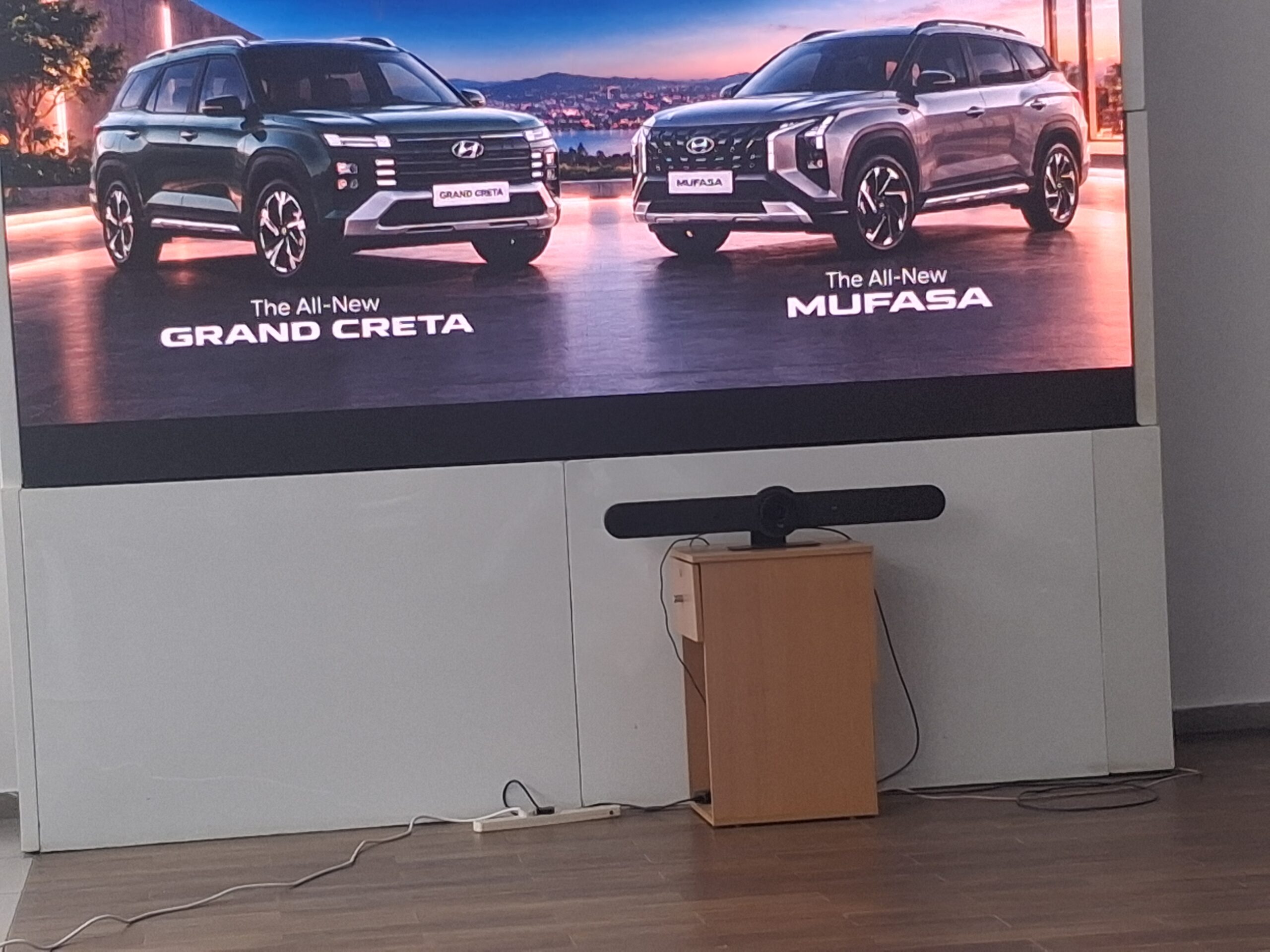
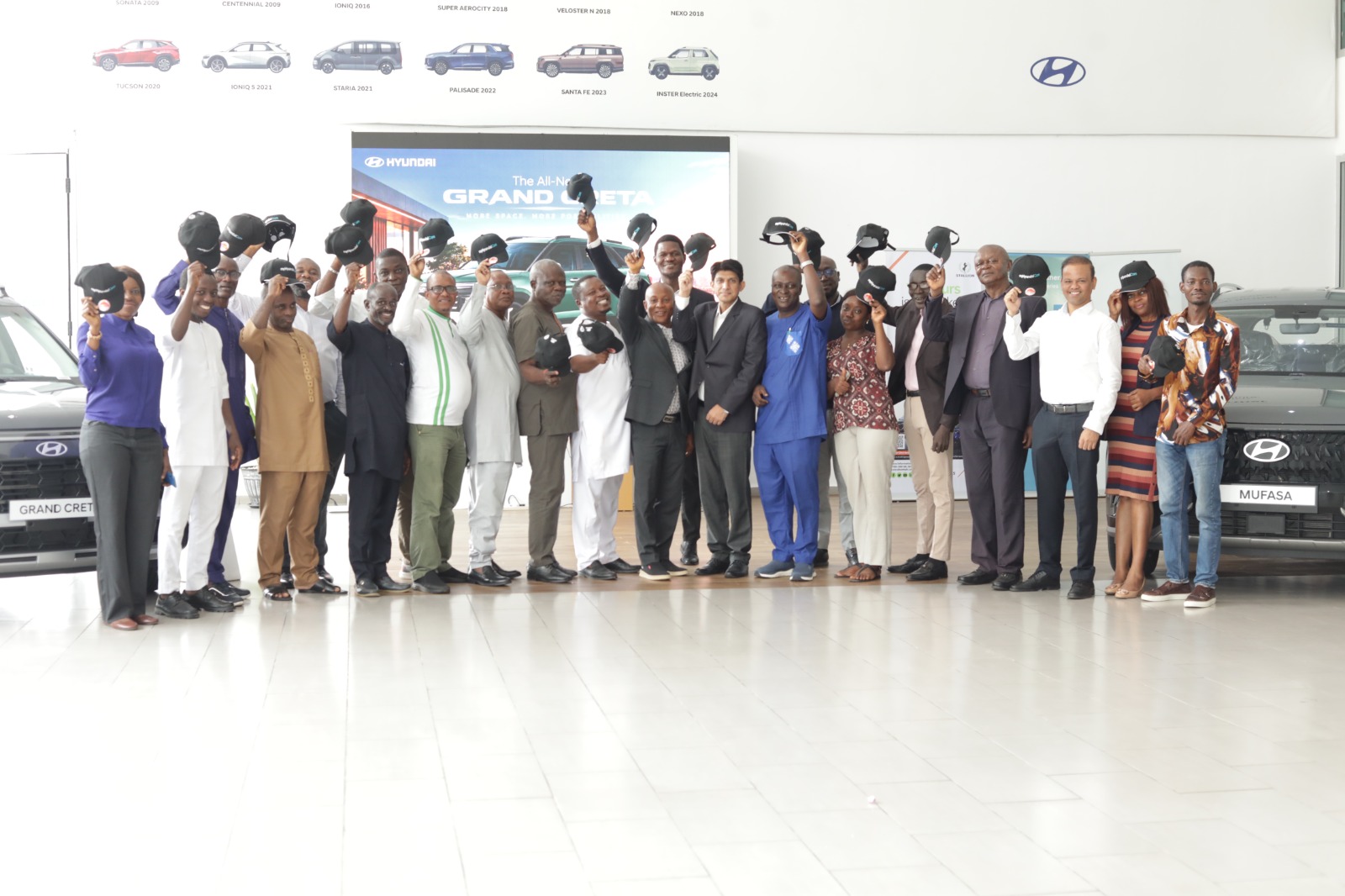
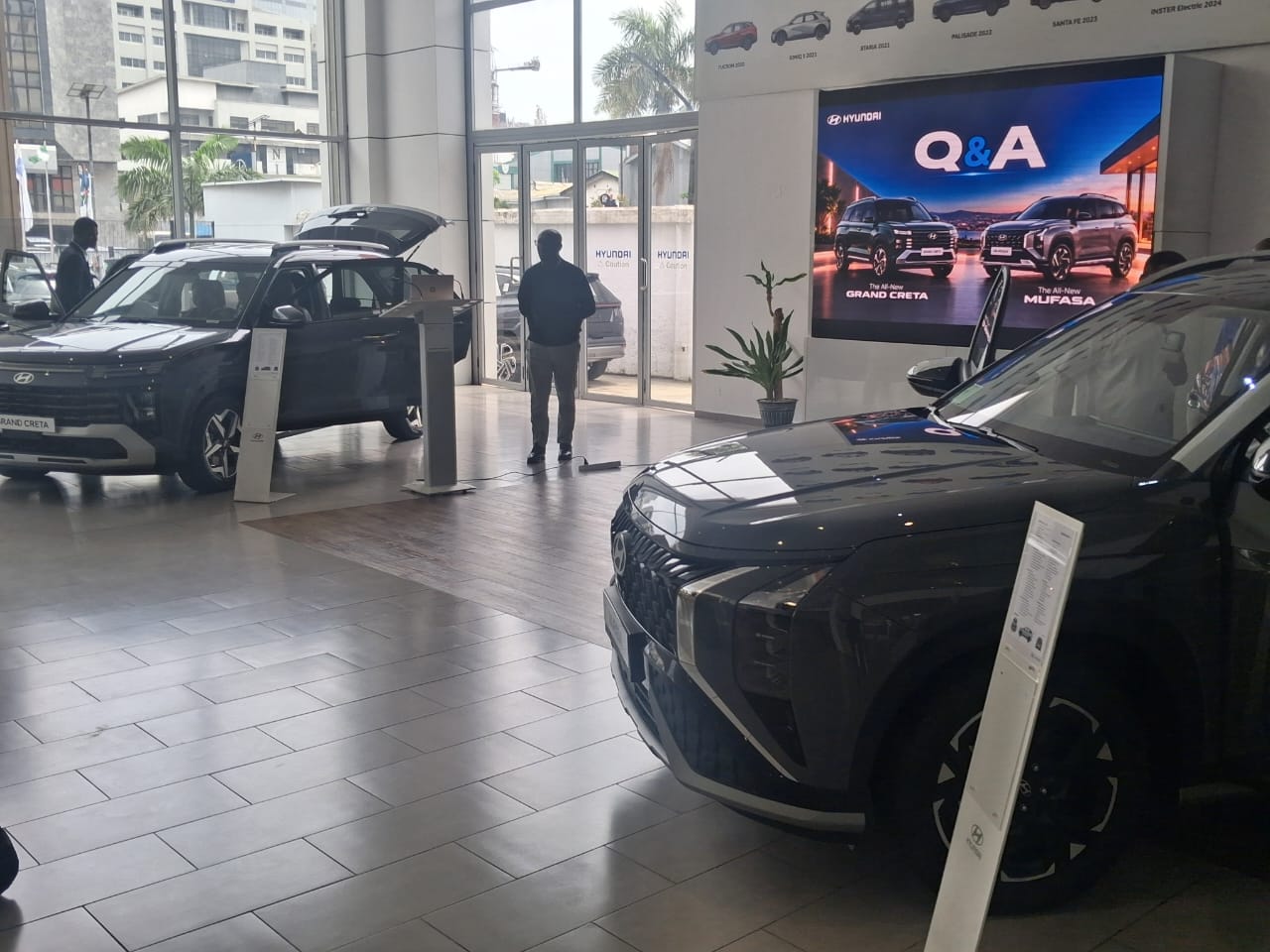
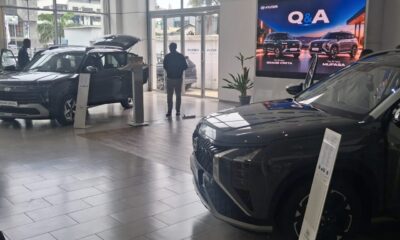
Two latest models of Hyundai auto brands are currently being officially rolled out in Lagos. The new vehicles are Mufasa and Grand Creta.
The unveiling is taking place at the Hyundai showroom on Akin Adesola Street Victoria Island, Lagos.
Auto
No 5% Petrol Tax Plan, Oyedele Says, Amid Public Concerns
No 5% Petrol Tax Plan, Oyedele Says, Amid Public Concerns
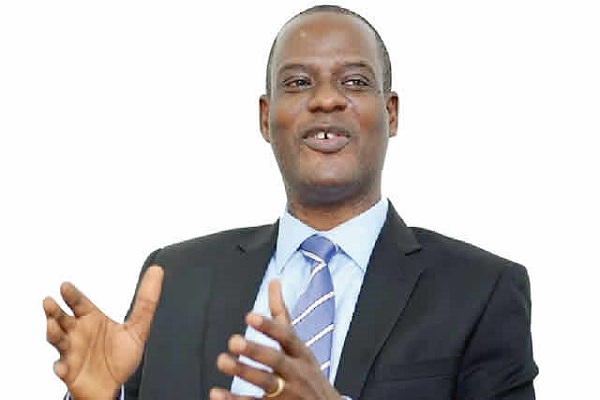
The Federal Government has no plan to introduce a new tax on petrol, Minister of Finance and Coordinating Minister of the Economy, Taiwo Oyedele, has said, dismissing reports that the administration of President Bola Tinubu intends to impose a five per cent levy on petroleum products.
Oyedele clarified the issue in a statement posted on his X account on Tuesday, insisting that a fuel tax was not being considered by the government.
“In my interview with ARISE News, I was clear: a fuel tax is not on the table,” he said.
His statement follows reports linking him to the proposed five per cent tax, which sparked concerns about a possible increase in the cost of petrol amid Nigeria’s persistent cost-of-living crisis.
Petrol prices have remained a major driver of transportation and distribution costs since the removal of the fuel subsidy, contributing to higher prices of food and other essential goods and services.
The prospect of an additional levy had raised fears that households and businesses could face further financial pressure.
However, Oyedele’s clarification indicates that the Federal Government is not currently considering the proposed fuel tax, amid broader efforts to reform Nigeria’s tax system and strengthen public finances.
-
 metro3 days ago
Atiku: US Lobbying Firm Raises Alarm Over Alleged Assassination Plot
-

 metro3 days ago
‘We Don’t Know What Else to Do’ — Mother Begs for Release of Abducted Children
-

 metro3 days ago
Five Arraigned Over Kidnapping of 20 Prospective NYSC Members in Imo
-
 Auto2 days ago
Hyundai Unveils Mufasa, Grand Creta SUVs to Strengthen Nigeria Line-up (Updated)
-
 Auto3 days ago
Happening now: Hyundai unveiling of Mufasa and Grand Creta
-

 Education2 days ago
NELFUND Warns Schools: Student Loans Are Voluntary, Not Compulsory
-

 Auto3 days ago
No 5% Petrol Tax Plan, Oyedele Says, Amid Public Concerns
-

 News3 days ago
Mexico Clears Reno Omokri as Nigeria’s Ambassador After Eight-Month Wait
You must be logged in to post a comment Login