Illegal miners, drug offenders among 175 pardoned by Tinubu (See FULL LIST) - Newstrends
Connect with us

metro

Illegal miners, drug offenders among 175 pardoned by Tinubu (See FULL LIST)
Published

on

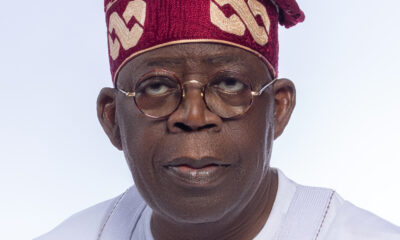
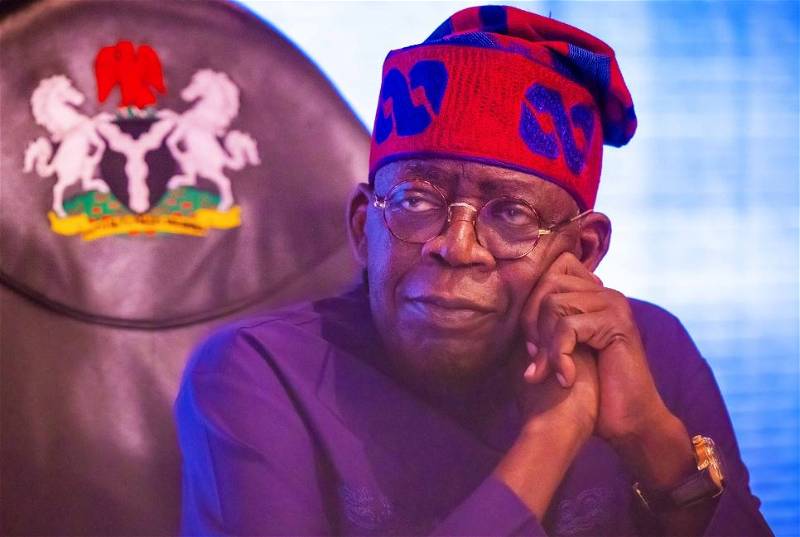
President Bola Ahmed Tinubu

Illegal miners, drug offenders among 175 pardoned by Tinubu (See FULL LIST)
The Presidency has provided more details on the recent clemency and pardons approved by President Bola Tinubu for some Nigerians, including posthumous forgiveness for historical figures and reduced sentences for inmates who showed remorse and reform.

In a statement issued on Saturday, Special Adviser to the President on Information and Strategy, Bayo Onanuga, said the decision was based on reports indicating that many of the convicts had demonstrated remorse and good conduct.

The statement reads: “Details of The Presidential Pardon and Clemency

“Illegal miners, white-collar convicts, remorseful drug offenders, foreigners, Major General Mamman Vatsa,  Major Akubo, Professor Magaji Garba,  capital offenders such as  Maryam Sanda,  Ken Saro Wiwa, and the other Ogoni Eight were among the 175 convicts and former convicts who received President Bola Ahmed Tinubu’s mercy on Thursday.

“President Tinubu granted clemency to most of them based on the reports that the convicts had shown remorse and good conduct. He forgave some due to old age, the acquisition of new vocational skills, or enrolment in the National Open University of Nigeria (NOUN). President Tinubu also corrected the historic injustice committed by British colonialists against Sir Herbert Macaulay, one of Nigeria’s foremost nationalists.

“In all, the Presidential Advisory Committee on the Prerogative of Mercy, chaired by the Attorney-General and Justice Minister, Prince Lateef Olasunkanmi Fagbemi, recommended pardon for two inmates, 15 former convicts, 11 of whom have died. The committee recommended clemency for 82 inmates and commutation of sentences for 65 inmates. Seven inmates on death row also benefited from the Presidential reprieve. The committee recommended that the President should commute their death sentences to life imprisonment.

“Prince Fagbemi presented the committee’s report at the Council of State meeting, chaired by President Bola Ahmed Tinubu.

READ ALSO:

FULL LIST OF BENEFICIARIES OF PRESIDENT TINUBU’S MERCY

PARDONED
1. Nweke Francis Chibueze, aged 44, serving a life sentence at Kirikiri for cocaine.

2. Dr Nwogu Peters, aged 67; Serving a 17-year jail term for fraud. Sentenced in 2013.

3. Mrs Anastasia Daniel Nwaoba, aged 63. Already served a sentence for fraud

4. Barr. Hussaini Alhaji Umar, aged 58. Sentenced in 2023 to pay a fine of N150M in the ICPC case

5. Ayinla Saadu Alanamu, age 63, was sentenced to seven years for bribery in 2019 and has served the sentence.

6. Hon. Farouk M. Lawan, aged 62. Sentenced to five years in 2021 for Corrupt Practices and had served the sentence.

POSTHUMOUS PARDON

7. Sir Herbert Macaulay was banned from public office for misappropriation of funds and sentenced in 1913 by the British colonialists.

8. Major-General Mamman Jiya Vatsa, age 46, Sentenced in 1986 for treason: related to an alleged coup plot

POSTHUMOUS PARDON: THE OGONI NINE

9. Ken Saro Wiwa. Sentenced for murder

10. Saturday Dobee. Sentenced for murder

11. Nordu Eawa. Sentenced for murder

12. Daniel Gbooko. Sentenced for murder

13. Paul Levera. Sentenced for murder

14. Felix Nuate. Sentenced for murder

15. Baribor Bera. Sentenced for murder

16. Barinem Kiobel. Sentenced for murder

17. John Kpuine. Sentenced for murder

VICTIMS OF OGONI NINE HONOURED:

Chief Albert Badey

Chief Edward Kobaru
Chief Samuel Orage
Chief Theophilus Orage

READ ALSO:

PRESIDENTIAL CLEMENCY
Most of the beneficiaries showed either remorse or learned vocational skills in jail
1.   Aluagwu Lawrence, aged 47, sentenced for Indian hemp (selling), 2015
2.   Ben Friday, aged 60, was sentenced to 3 years or N1.3 million fine for marijuana in 2023.
3.   Oroke Micheal Chibueze, aged 21, sentenced to 5 years (cannabis sativa) in 2023
4.   Kelvin Christopher Smith, aged 42, was sentenced to 4 years for importing cocaine in 2023
5.   Azubuike Jeremiah Emeka, aged 31, sentenced in 2021 to 5 years or N3 million fine for importing cocaine.
6.   Akinrinnade Akinwande Adebiyi, aged 47, sentenced in 2023 to 3 years for dealing in Tramadol.
7.   Ahmed Adeyemo, aged 38, sentenced to 15 years for cannabis. Already served nine years, 5 months at Kirikiri
8.   Adeniyi Jimoh, aged 31years, sentenced to 15 years for Drugs in 2015 and served nine years at Kirikiri.
9.   Seun Omirinde, aged 39, sentenced to 15 years for Drugs in 2015. Served nine years at Kirikiri
10.   Adesanya Olufemi Paul, aged 61, sentenced to  14 years for theft. Had served eight years.
11.   Ife Yusuf, aged 37, was sentenced for human trafficking in 2019. Had served six years at Kirikiri.
12.   Daniel Bodunwa, aged 43, was sentenced in 2018  to 10 years for fraudulent intent to forge a land receipt. Had served six years in jail
13.   Fidelis Michael, aged 40, sentenced to 5 years for cannabis sativa
14.   Suru Akande, aged 52, sentenced to 5 years for cannabis sativa
15.   Safiyanu Umar, aged 56, sentenced to 5 years without the option of a fine for possessing 5kg of Cannabis sativa, 2023
16.   Dahiru Abdullahi, aged 46, was sentenced in 2016  to 21 years for possession of 3 pistols and had spent 10 years in jail.
17.   Hamza Abubakar, aged 37, sentenced to 5 years for Indian hemp (selling), 2022
18.   Rabiu Alhassan Dawaki, aged 52, sentenced in 2020 to 7 years for criminal breach of trust.
19.   Mujibu Muhammad, aged 30, sentenced in 2022  to 5 years, no option for a fine for cannabis.
20.   Emmanuel Eze, aged 49, sentenced in 2022 to 5 years for Heroine.
21.   Bala Azika Yahaya, aged 70, sentenced in 2017 to 15 years for cannabis.
22.   Lina Kusum Wilson, aged 34, sentenced to death in 2017  for culpable homicide, had spent eight years in jail.
23.   Buhari Sani, aged 33, sentenced in 2022  to 5 years for possession of 558 grams of cannabis.
24.   Mohammed Musa, aged 27, was sentenced in 2022 to 5 years for possession of 16 grams of cannabis.
25.   Muharazu Abubakar, aged 37, sentenced in 2022 to  5 years for selling Indian hemp. Already spent 3 years in Katsina Prison

26. Ibrahim Yusuf, aged 34; jailed 5 years in 2022 for possession of 5.7 grams of Indian hemp.

27.   Saad Ahmed Madaki, aged 72; sentenced in 2020 for a 419 offence. Had served 4 years in Kaduna prison
28. Ex-Corporal Michael Bawa, aged 72: sentenced to life imprisonment for murder in 2005. Had spent 20 years in Kaduna prison
29. Richard Ayuba, aged 38. Sentenced to 5 years in 2022 for Indian hemp
30. Adam Abubakar, aged 30 and sentenced in 2022 to five years for possession of 2kg of tramadol.
31. Emmanuel Yusuf, aged 34; sentenced in 2022 to 4 years for possession of 2kg of tramadol
32. Edwin Nnazor, aged 60; sentenced in 2018 to 15 years for cannabis. Had spent 6 years, nine months at Zamfara prison
33. Chinedu Stanley, aged 34. Sentenced in 2023 to three years for fake lubricant oil.
34. Joseph Nwanoka, aged 42: sentenced in 2022 to five years for drugs

35.  Johnny Ntheru, Aged 63, sentenced in 1989 to life imprisonment for robbery. Had spent 36 years in Umuahia Prison
36.   John Omotiye, Aged 28, sentenced to six years for Pipeline vandalism

37.   Nsikat Edet Harry, Aged 37, sentenced in 2023 to 5 years for Illegal possession of Indian hemp, Cocaine, & Heroin.
38.   Jonathan Asuquo, Aged 28, sentenced in 2022 to 5 years for possession  of Indian hemp & other drugs
39.   Prince Samuel Peters, aged 54, sentenced in 2020 to 7 years for obtaining money by false pretence. Had spent 4 years, 3 months in Ikot Ekpene Prison
40.   Babangida Saliu, Aged 35, sentenced in 2024  to 3 years for unlawful mining.

READ ALSO:

41.   Adamu Sanni, aged 39, sentenced in 2024 to 3 years for unlawful mining.
42.   Abdulkarem Salisu, aged 30, sentenced to 3 years for unlawful mining.
43.   Abdulaziz Lawal, aged 18, sentenced to 3 years for unlawful mining.
44.   Abdulrahman Babangida, aged 20, sentenced to 3 years for unlawful mining
45.   Maharazu Alidu, aged 22, sentenced to 3 years for unlawful mining.
46.   Zaharadeen Baliue, aged 38, sentenced to 3 years for unlawful mining.
47.   Babangida Usman, aged 30, sentenced to 3 years for unlawful mining.
48.   Zayyanu Abdullahi, Aged 28, sentenced to 3 years for unlawful mining, 2024
49.   Bashir Garuba, Aged 20, sentenced in 2024 to 3 years for unlawful mining
50.   Imam Suleman, aged 25, sentenced to 3 years for unlawful mining, 2024
51.   Abbeh Amisu, Aged 28, sentenced to 3 years for unlawful mining, 2024
52.   Lawani Lurwanu, Aged 20, sentenced to 3 years for unlawful mining, 2024
53.   Yusuf Alhassan, aged 33, was sentenced to 3 years for unlawful mining in 2024.
54.   Abdulahi Isah, aged 25, sentenced to 3 years for unlawful mining, 2024
55.   Zayanu Bello, aged 35, sentenced to 3 years for unlawful mining
56.   Habeeb Suleman, aged 22, sentenced in 2024 to 3 years for unlawful mining.
57.   Jubrin Sahabi, aged 23, was sentenced to 3 years in 2024 for unlawful mining.
58.   Shefiu Umar, aged 28, was sentenced to 3 years in 2024 for unlawful mining.
59.   Seidu Abubakar, age 29, sentenced in 2024 to 3 years for unlawful mining.
60.   Haruna Abubakar, Aged 24, was sentenced to 3 years in 2024 for unlawful mining
61.   Rabiu Seidu, aged 26, sentenced in 2024 to 3 years for unlawful mining.
62.   Macha Kuru, Aged 25, sentenced in 2024 to 3 years for unlawful mining
63.   Zahradeen Aminu, Aged 25 years, sentenced to 3 years for unlawful mining.
64. Nazipi Musa, aged 25. Sentenced to 3 years for unlawful mining in 2024
65. Abdullahi Musa, aged 30 and sentenced to 3 years in 2024 for unlawful mining.
66. Habibu Safiu, aged 20 and sentenced to 3 years in 2024 for unlawful mining
67. Husseni Sani, aged 21 and sentenced to 3 years in 2024 for unlawful mining
68. Musa Lawali, aged 25 and sentenced to 3 years in 2024 for unlawful mining
69. Suleiman Lawal, aged 23 and sentenced to 3 years in 2024 for unlawful mining
70. Yusuf Iliyasu, aged 21 and sentenced to 3 years in 2024 for unlawful mining
71. Sebiyu Aliyu, aged 20 and sentenced to 3 years in 2024 for unlawful mining
72. Halliru Sani, aged 18 and sentenced to 3 years in 2024 for unlawful mining
73. Shittu Aliyu, aged 30 and sentenced to 3 years in 2024 for unlawful mining
74. Sanusi Aminu, aged 27 and sentenced to 3 years in 2024 for unlawful mining
75. Isiaka Adamu, aged 40 and sentenced to 3 years in 2024 for unlawful mining
76. Mamman Ibrahim, aged 50 and sentenced to 3 years in 2024 for unlawful mining
77. Shuaibu Abdullahi, aged 35 and sentenced to 3 years in 2024 for unlawful mining
78. Sanusi Adamu, aged 28 and sentenced to 3 years in 2024 for unlawful mining
79. Sadi Musa, aged 20 and sentenced to 3 years in 2024 for unlawful mining
80. Haruna Isah, aged 35 and sentenced to 3 years in 2024 for unlawful mining

READ ALSO:

NB: Senator Ikra Aliyu Bilbis signed an undertaking to be responsible for the rehabilitation and empowerment of all the convicted illegal miners granted presidential clemency.

81. Abiodun Elemero, aged 43. Sentenced to life imprisonment for cocaine hawking in 2014. Had spent 10 years plus in Kirikiri,
82. Maryam Sanda, aged 37, was sentenced to death in 2020 for culpable homicide and had spent six years, eight months at Suleja Medium Security Custodial Centre.  Her family pleaded for her release, arguing that it was in the best interest of her two children. The plea was also anchored on her good conduct in jail, her remorse, and her embracement of a new lifestyle, demonstrating her commitment to being a model prisoner.

LIST OF INMATES RECOMMENDED FOR REDUCED TERM OF IMPRISONMENT
1. Yusuf Owolabi, aged 36. Sentenced to life in 2015  for Manslaughter. Had spent 10 years at Kirikiri.Prison term reduced to 12 years for showing remorse and learning vocational skills.

2. Ifeanyi Eze, aged 33. Sentenced to life in 2021 for Manslaughter and had spent four years at Kirikiri. Prison term reduced to 12 years for showing remorse and learning vocational skills.

3. Malam Ibrahim Sulaiman, aged 59. Sentenced to life in 2022 for Armed robbery & possession of illegal firearms. Sentence cut to 10 years based on good conduct

4. Shettima Maaji Arfo, aged 54. Sentenced in 2021 to seven years for Corrupt Practices. Sentence reduced to four years, because of good conduct and ill-health

5. Ajasper Benzeger, aged 69 and sentenced in 2015 to 20 years for Culpable homicide. Sentence reduced to 12 years, based on old age and ill-health.

6. Ifenna Kennechukwu, aged 42. Sentenced in 2015 to 20 years for drugs (cocaine import) and had spent close to 10 years in Kirikiri. Prison term reduced to 12 years based on remorse and the acquisition of vocational skills.

7. Mgbeike Matthew, aged 45. Sentenced to 20 years in 2013 for the import of 3.10kg. Following remorsefulness and the acquisition of vocational skills at Kirikiri. Sentence reduced to 12 years.

8. Patrick Mensah, aged 40. Sentenced in 2015 to 17 years for drugs. Sentence reduced to 11 years

9. Obi Edwin Chukwu, aged 43 and sentenced in 2017 to 15 years for drugs. Sentence reduced to 10 years.

10. Tunde Balogun, aged 32 and sentenced in 2015 to 15 years for drugs. Sentence reduced to 10 years.

11. Lima Pereira Erick Diego, aged 27 and sentenced in 2017 to 15 years or a fine of N20million for drugs. Sentence reduced to 10 years.

12. Uchegbu Emeka Michael, aged 37. Sentenced in 2017 to 15 years or a fine of N20million  for drugs. Sentence reduced to 10 years

13. Salawu Adebayo Samsudeen, aged 46 and sentenced in 2016 to 15 years for drugs. Sentence reduced to 10 years.

14. Napolo Osariemen, aged 61 and sentenced in 2022 to 15 years for 2 kilos of Indian hemp. The sentence was reduced to seven years.

15. Patricia Echoe Igninovia, aged 61 and sentenced in 2023 to seven years for trafficking in persons. Sentence reduced to five years.

16. Odeyemi Omolaram, aged 65 and sentenced in 2017 to 25 years in prison for drug. The sentence was reduced to 12 years based on the defendant’s remorsefulness and advanced age.

17. Vera Daniel Ifork, aged 29 and sentenced in 2020 to 10 years for trafficking in persons. Sentence reduced to eight years.

18. Gabriel Juliet Chidimma, aged 32 and sentenced in 2022 to six years for drug (cocaine). Sentence reduced to four years.

19. Dias Santos Marcia Christiana, aged 44 and sentenced in 2017 to 15 years for import of cocaine. Sentence reduced to 10 years.

20. Alh. Ibrahim Hameed. Aged 71 and sentenced in 2023 to seven years for illegal property (obtaining property under false pretence). Sentence reduced to five years.

21. Alh. Nasiru Ogara Adinoyi, 65, was sentenced in 2023 to 14 years for obtaining property by false pretence. The sentence was reduced to seven years.

22. Chief Emeka Agbodike, aged 69, was sentenced in 2023 to seven years for obtaining property by false pretence. Sentence reduced to 3 years.

23. Isaac Justina, aged 40. Sentenced in 2022 to 10 years for cannabis sativa and had spent 3 years in the Abeokuta Custodial Centre. Sentence reduced to four years.

24. Aishat Kehinde, aged 38 and sentenced in 2022 to five years for unlawful possession of cannabis. The prison term being served in Abeokuta has been reduced to four years.

25. Helen Solomon, age 68. Sentenced in 2024 to five years for cannabis sativa. Sentence reduced to three years.

26. Okoye Tochukwu, aged 43 and sentenced in 2024 to six years for cannabis sativa. Sentence reduced to 3 years.

27. Ugwueze Paul, aged 38 and sentenced in 2024 to six years for cannabis sativa. Sentence reduced to three years.

28. Mutsapha Ahmed, aged 46 and sentenced in 2022 to seven years without a fine option for criminal breach of trust. The sentence was reduced to five years.

29. Abubakar Mamman, aged 38 and sentenced in 2020 to 10 years in Kebbi Custodial Centre for Possession of firearms. Sentence reduced to seven years.

30. Muhammed Bello Musa, aged 35. Sentenced in 2020 to 10 years in Kebbi Custodial Centre for illegal possession of firearms. Sentence reduced to seven years

READ ALSO:

 31. Nnamdi Anene, aged 67 and sentenced in 2010 to life imprisonment at Katsina Custodial Centre for illegal dealing of arms. Sentence reduced to 20 years.

32. Alh. Abubakar Tanko, aged 61, was sentenced in 2018 to 30 years at the Gusau Custodial Centre for Culpable Homicide. Sentence reduced to 20 years.

33. Chisom Francis Wisdom, aged 30; sentenced in 2018 to 20 years in Umuahia Custodial Centre for kidnapping. Sentence reduced to 12 years.
34. Innocent Brown Idiong, aged 60, sentenced in 2020 to 10 years for possession of 700 grams of Indian Hemp. Has already spent 4 years and 3 months at Ikot Abasi Custodial centre. Jail term reduced to six years.
35. Iniobong Imaeyen Ntukidem, aged 46, was sentenced 2021 to seven years in jail at the Uyo Custodial Centre. Prison term reduced to five years.
36. Ada Audu, aged 72, was sentenced in 2022 to seven years in Kuje Custodial Centre and had spent 2 years and 7 months in prison. Prison term reduced to 4 years because of old age.

37. Bukar Adamu, aged 40 and sentenced to 20 years in 2019 for advance fee fraud. Prison term reduced to nine years.
38. Kelvin Oniarah Ezigbe, 44, was sentenced in October 2023 to 20 years for kidnapping, which took effect in 2013. The sentence was reduced to 13 years for showing remorsefulness and attending the National Open University.
39. Frank Azuekor, aged 42. Sentenced in 2023 for kidnapping and jailed in Kuje Custodial Centre for 20 years, and had spent 12 years behind bars from 2013. The sentence was reduced to 13 years, based on good conduct and attendance at the National Open University.

40. Chukwukelu Sunday Calisthus, aged 47 and sentenced in 2014 to life at Kuje Custodial Centre for drugs. He had spent 11 years at Kuje. Sentence reduced to 13 years.

41. Professor Magaji Garba, aged 67. Sentenced in 2021 to seven years for obtaining money by false pretence and had spent 3 years at Kuje Custodial Centre. The prison term was reduced to four years due to good conduct and advanced age.

42. Markus Yusuf, aged 41. Sentenced in 2023 to 13 years for culpable homicide. Sentence reduced to 5 years based on ill-health

43. Samson Ajayi, aged 31 and sentenced in 2022 to 15 years for drugs. He had spent five years at Suleja Custodial Centre. The sentence was reduced to seven years.

44. Iyabo Binyoyo, aged 49. Sentenced in 2017 to 10 years for drugs and sentenced to nine years at Suleja Custodial Centre, due to good conduct.

45. Oladele Felix, 49, was sentenced in 2022 to five years without a fine option for conspiracy and exploitation. Based on good conduct and remorsefulness, the sentence was reduced to four years. Felix is spending the term at Suleja.

46. Rakiya Beida, aged 33 and sentenced in 2021to seven years, without a fine option, for theft and cheating. The sentence, being served at Suleja, was reduced to three years based on good conduct

47. Nriagu Augustine Ifeanyi, aged 44 and sentenced in 2018 to 10 years in Ikoyi Custodial Centre, for exporting cocaine. The sentence was reduced to eight years.

48. Chukwudi Destiny, aged 36 and sentenced in 2022 to six years in Ikoyi Custodial Centre for heroin import. The sentence was cut to four years.

49. Felix Rotimi Esemokhai, aged 47 and sentenced in 2022 to five years for heroin. The sentence was reduced to four years.

50. Major S.A. Akubo, aged 62, was sentenced in 2009 to life at Katsina Custodial Centre for illegally removing 7,000 assorted weapons. Following good conduct and remorsefulness, the sentence was commuted to 20 years.

51. John Ibiam, aged 39, was sentenced in 2016 to 15 years for manslaughter and served 9 years and one month in the Afikpo Custodial Centre. The sentence was reduced to 10 years after the individual showed remorse and acquired vocational skills.

Omoka Aja, aged 40 and sentenced in 2016 to 15 years for manslaughter, served 9 years and 1 month in Afikpo Custodial Centre. The sentence was commuted to 10 years.

53. Chief Jonathan Alatoru, aged 66, was sentenced in 2021 to seven years for conspiracy to cheat. The sentence served in Port Harcourt Custodial Centre has been reduced to five years.

54. Umanah Ekaette Umanah, aged 70 and sentenced in 2022 to 10 years in Port Harcourt Custodial Centre for forgery. Sentence reduced to five years due to old age and remorsefulness.

55. Utom Obong Thomson Udoaka, 60, was sentenced in 2020 to seven years in Ikot Ekpene Custodial Centre for obtaining money by false pretence. He had served four years and two months at Ikot Ekpene. Due to his old age and good conduct, the Initial Sentence has been reduced to five years.

56. Jude Saka Ebaragha, aged 44. Sentenced in 2020 to 12 years at Ikoyi Prison and a fine of N1million for conspiracy to hijack a fishing vessel. The sentence was commuted to six years, and the N1m fine was waived.

57.       Frank Insort Abaka, 46, was sentenced in 2020 to 12 years and a N1M fine at Ikoyi Custodial Centre for conspiracy to hijack a Fishing vessel. The sentence was reduced to six years, and the fine was waived.

58.       Shina Alolo,   42, was sentenced in 2020 to 12 years and a N1M fine at Ikoyi Custodial Centre for conspiracy to hijack a fishing vessel. Like others, the N1m fine was waived, and the sentence was reduced to 6 years.

59.        Joshua Iwiki, aged 50:  Sentenced in 2020 to 12 years at Ikoyi Prison and a fine of N1M  for conspiracy to hijack a fishing vessel. A N1m fine was waived, and the sentence was commuted to six years in prison.

60.        David Akinseye, aged 44:  Sentenced in 2020 to 12 years & N1M fine for conspiracy to hijack a fishing vessel. His sentence was commuted to 6 years, and the fine was waived.

61.    Ahmed Toyin, aged 46: Sentenced in 2020 to 12 years & N1M fine for conspiracy to hijack a fishing vessel. Sentence also commuted and fine waived.

62.   Shobajo Saheed, age 57: Sentenced in 2020 to 12 years and a fine of N1M for conspiracy to hijack a fishing vessel. He got a similar reprieve like the others.

63.  Adamole Philip, aged 52 years: Sentenced to 12 years & a N1M fine for conspiracy to hijack a fishing vessel, 2020. Philip also got his term reduced to seven years and the fine waived.

64. Mathew Masi, aged 39: Also sentenced to 12 years and a fine of N1million for conspiracy to hijack a fishing vessel. The sentence was reduced to six years, and the fine was waived.

65. Bright Agbedeyi, 46, was also sentenced in 2020 for conspiracy to hijack a fishing vessel. Like the others in his category, he got a reprieve from President Tinubu.

List of Inmates on Death Row Reduced to Life Imprisonment

1. Emmanuel Baba, aged 38: sentenced to death in 2017 for culpable homicide. On death row in Kuje Custodial Centre for the past 8 years. The sentence was commuted to life imprisonment based on good conduct and remorsefulness.

2. Emmanuel Gladstone, aged 45, was sentenced in 2020 to death for murder and had spent five years at Katsina Custodial Centre. Death sentence commuted to life imprisonment due to good conduct and remorse.

3. Moses Ayodele Olurunfemi, aged 51:  sentenced to death in 2012 for culpable homicide and had spent 13 years on death row in Katsina. President Tinubu commuted the death sentence to life imprisonment, citing the individual’s good conduct and remorse.

4.       Abubakar Usman, aged 59: Sentenced to Death in 2014 and had spent 14 years on death row in Katsina. His sentence was commuted to life because of his remorse and good conduct.

5. Khalifa Umar, aged 37: Sentenced to death in 2014 and had spent 11 years on death row in Kano Custodial Centre. His sentence has been commuted to life imprisonment.

6. Benjamin Ekeze, age 40. Sentenced to death in 2017 for armed robbery and conspiracy, and had spent 12 years on death row at Kirikiri, Lagos. The sentence was also commuted to life.

7. Mohammed Umar, 43: Sentenced to death in 2018 for culpable homicide and had spent seven years on death row in Onitsha Custodial Centre. He got the Presidential reprieve, commuting the death sentence to life imprisonment.”

Illegal miners, drug offenders among 175 pardoned by Tinubu (See FULL LIST)

Loading

metro

Miyetti Allah President Remanded Over $2.63m Money Laundering, Terrorism Charges

Published

on

Miyetti Allah President Remanded Over $2.63m Money Laundering, Terrorism Charges
National President of Miyetti Allah Kautal Hore, Bello Bodejo

Miyetti Allah President Remanded Over $2.63m Money Laundering, Terrorism Charges

  • Bello Bodejo pleads not guilty to 12-count charge as EFCC opposes bail, citing flight risk and witness interference concerns

The Federal High Court in Abuja has ordered the remand of the National President of Miyetti Allah Kautal Hore, Bello Bodejo, in the custody of the Economic and Financial Crimes Commission (EFCC) over allegations of laundering **$2.63 million** and engaging in transactions linked to the **financing of terrorism**. Justice Inyang Ekwo issued the order on Thursday after Bodejo was arraigned by the anti-graft agency on multiple counts bordering on alleged violations of Nigeria’s money laundering laws and terrorism financing provisions. Bodejo was brought before Justice Inyang Ekwo, where he pleaded **not guilty** to all the counts after the charges, dated June 24 and filed on June 25, 2026, were read to him. The EFCC, represented by its counsel **Wahab Shittu, SAN**, informed the court that the matter was fixed for the defendant to enter his plea, and the defence counsel, **Ahmed Raji, SAN**, did not object, allowing the arraignment to proceed. According to the charge marked FHC/ABJ/CR/375/2026, the EFCC accused the Miyetti Allah leader of laundering approximately $2.63 million, offences said to contravene the provisions of the Money Laundering (Prevention and Prohibition) Act, 2022, and the Terrorism (Prevention and Prohibition) Act, 2022.

Following Bodejo’s not-guilty plea, the prosecution urged the court to fix a trial date and order the defendant’s remand pending trial. However, Bodejo’s lawyer, Ahmed Raji, informed the court that he had filed a bail application dated June 30, 2026, and urged the judge to hear the motion immediately. Raji argued that the alleged offences are bailable under the Administration of Criminal Justice Act (ACJA) and urged the court to grant his client bail on liberal terms, noting that Bodejo had consistently made himself available to law enforcement agencies and posed no flight risk. Opposing the application, the prosecution filed a 28-paragraph counter-affidavit dated July 6, 2026, arguing that the defendant posed a flight risk and could interfere with witnesses. Shittu told the court that the Department of State Services (DSS) was “on the watch out for him” and that, “being an influential person, he may manipulate the witnesses and progress of the case”. The prosecution also dismissed the defendant’s claim of ill health, contending that the injury cited was not recent and that Bodejo did not appear to be in poor health. Justice Ekwo declined to grant bail immediately and subsequently ordered that Bodejo be remanded in the EFCC’s holding facility pending a ruling on his application. The judge adjourned the matter to July 20, 2026, for a ruling on the bail application. In addition to the money laundering allegations, the EFCC also accused the Miyetti Allah leader of engaging in transactions allegedly linked to the financing of terrorism, an accusation that adds a layer of gravity to the proceedings as the court prepares to rule on his bail application next week.

READ ALSO:

According to the charge filed by the EFCC on June 25, Bodejo allegedly accepted cash payments totalling about $2.63 million from **Sa’idu Abubakar**, a former Accountant-General of Bauchi State who is currently in police custody over separate corruption allegations. The anti-graft agency alleged that the transactions, carried out between January 2022 and March 2024 in Abuja, exceeded the statutory cash transaction threshold permitted under Nigeria’s money laundering laws and were not processed through financial institutions as required. The specific allegations include that Bodejo received **$100,000** on January 11, 2022; $200,000** on January 21, 2022; **$100,000 on October 26, 2022; $980,000** on February 7, 2024; **$750,000 on March 3, 2024; and **$500,000** on March 20, 2024. Count one of the charge reads that Bodejo “did knowingly and wilfully, without lawful authority or excuse, accept a cash payment of the sum of One Hundred Thousand United States Dollars (USD $100,000.00) in physical currency from one Sa’idu Abubakar, a former Accountant-General of Bauchi State who is currently in the lawful custody of the Nigeria Police Force, which sum exceeded the statutory cash transaction threshold of Five Million Naira (N5,000,000.00), prescribed under Section 1(a) of the Money Laundering (Prohibition) Act, 2011 (as amended), without routing the said transaction through a financial institution as required by law”. Count four of the charge alleges that Bodejo “did knowingly and wilfully, without lawful authority or excuse, accept a cash payment of the sum of Nine Hundred and Eighty Thousand United States Dollars (USD $980,000.00) in physical currency from one Sa’idu Abubakar, a former Accountant-General of Bauchi State, who is currently in the lawful custody of the Nigeria Police Force, which sum exceeded the statutory cash transaction threshold of Five Million Naira (N5,000,000.00) prescribed under Section 2(1)(a) of the Money Laundering (Prevention and Prohibition) Act, 2022, without routing the said transaction through a financial institution as required by law”. The EFCC said the transactions violated provisions of both the Money Laundering (Prohibition) Act, 2011 (as amended) and the Money Laundering (Prevention and Prohibition) Act, 2022, which prohibit cash transactions above the prescribed threshold outside the banking system.

Meanwhile, Sa’idu Abubakar, the former Bauchi State Accountant-General who is alleged to have made the cash payments to Bodejo, is currently facing separate legal troubles. In June 2026, the Bauchi State Government filed a 16-count criminal charge against Abubakar, accusing him of allegedly procuring unauthorised loans and diverting public funds totalling about N11.01 billion. According to the amended charge filed before the Bauchi State High Court, the prosecution alleged that Abubakar, while serving as Accountant-General between 2023 and 2024, fraudulently obtained loan facilities from United Bank for Africa (UBA) and Polaris Bank using forged State Executive Council and House of Assembly resolutions. The prosecution further alleged that the loans were purportedly secured for the supply of thousands of motorcycles to Bauchi State civil servants through Emmanuel Asomugha General Enterprises. Abubakar is currently being held at the Bauchi Correctional Centre following the revocation of his bail. The connection between the two cases raises questions about the source of the funds allegedly paid to Bodejo and whether they may have originated from the diverted public funds Abubakar is accused of misappropriating, though no direct link has been established in court filings.

READ ALSO:

The fresh charges against Bodejo come months after he separately faced prosecution by the Federal Government over the alleged establishment of an unauthorised vigilante outfit. In that case, the Federal Government had accused Bodejo of setting up a group known as the “Nomad Vigilante Group” without lawful authority, an action that generated nationwide debate over community security initiatives and the regulation of private armed groups in Nigeria. Bodejo had pleaded not guilty to that charge as well, and the case has been ongoing. The Miyetti Allah leader has also been a controversial figure in Nigeria’s security discourse, particularly regarding conflicts between herders and farmers in various parts of the country. His arrest and arraignment on money laundering and terrorism financing charges have therefore attracted significant public attention, with many viewing the case as a test of the government’s commitment to tackling high-profile corruption and security-related financial crimes.

As the court prepares to rule on the bail application on July 20, the case continues to draw public attention, particularly given the involvement of a prominent leader of a major herders’ association and the gravity of the allegations of money laundering and terrorism financing. If convicted, Bodejo faces a maximum sentence of 14 years imprisonment for each count, according to the Money Laundering (Prevention and Prohibition) Act, 2022. The EFCC has indicated that it will continue to pursue the case vigorously, while Bodejo’s legal team has expressed confidence that their client will be granted bail and ultimately exonerated. The case is expected to proceed to trial once the bail application is determined, with the court set to hear witnesses and examine evidence from both sides. The outcome of the bail application on July 20 will determine whether Bodejo remains in EFCC custody or is released pending trial, a decision that will likely have significant implications for the broader political and security landscape in Nigeria.


Miyetti Allah President Remanded Over $2.63m Money Laundering, Terrorism Charges

Loading

Continue Reading

metro

Xenophobia: Youth Group Issues Picketing Notice to MTN Nigeria

Published

on

Xenophobia: Youth Group Issues Picketing Notice to MTN Nigeria

Xenophobia: Youth Group Issues Picketing Notice to MTN Nigeria

The apex Yoruba youth organisation, Oodua Youth Coalition (OYC) , has officially served a notice of intention to picket the offices of telecommunications giant MTN Nigeria over the company’s alleged failure to condemn the ongoing xenophobic attacks against Nigerians and other African nationals in South Africa. This decision follows the expiration of a seven-day ultimatum demanding that the South African-linked company publicly denounce the violence targeting Nigerians in South Africa. The group stated that previous correspondence and direct appeals to the telecom firm had been completely ignored, a response they termed “unacceptable” for an entity reaping immense financial patronage from the Nigerian populace. The coalition confirmed that relevant Nigerian security agencies and the South African diplomatic mission in Nigeria have already been notified of the impending action, though a specific date for the picketing has not yet been announced.

In a statement jointly signed by OYC Vice President, Olatunji Adejuwon, and National Secretary, Olaoye Abolaji, the coalition expressed deep disappointment over MTN Nigeria’s continued silence on the xenophobic violence. The group described the company’s failure to respond as unacceptable, given its South African roots and the patronage it enjoys from millions of Nigerians. “This silence is unacceptable, particularly for a corporate entity whose roots are closely connected to South Africa while enjoying immense patronage and goodwill from the Nigerian people,” the statement read. The OYC emphasised that the planned picketing is aimed at enforcing corporate social responsibility and compelling the company to show moral leadership in condemning acts of xenophobia against fellow Africans. The coalition said it would proceed with a peaceful protest if the telecommunications company continued to ignore its demands, stressing that the demonstration would remain orderly and strictly within the confines of Nigerian law.

READ ALSO:

To resolve the impasse, the coalition demands that MTN Nigeria immediately convene a joint press conference with OYC representatives to unequivocally denounce the violence and reaffirm its commitment to the dignity and safety of all Africans. “We once again call on MTN Nigeria to immediately convene a press conference, with representatives of the Oodua Youth Coalition in attendance, to unequivocally condemn the xenophobic attacks and reaffirm its commitment to the safety, dignity and unity of all Africans,” the statement read. The group maintained that the proposed protest would be peaceful, orderly and in accordance with the laws of the Federal Republic of Nigeria. According to the coalition, relevant security agencies have been notified of the planned action, while appropriate communications have also been sent to the South African diplomatic mission in Nigeria. The group also assured the public that the demonstration would not disrupt business activities unduly but would serve as a symbolic expression of discontent over the company’s perceived indifference to the suffering of Nigerians in South Africa.

The development comes despite comments by MTN Nigeria Chief Executive Officer Karl Toriola, who recently condemned all forms of xenophobia and violence against Africans living in South Africa. Speaking on TVC News’ Beyond the Headlines, Toriola said that although MTN was founded in South Africa, over 11 million Nigerians indirectly own stakes in the company through pension fund investments. “We unequivocally condemn any form of xenophobia, violence or attacks against any community in the world. We’re a Nigerian company, through and through. We’re listed on the stock exchange with over 201,000 retail investors, and 11 million people hold shares through their pension funds in MTN Nigeria,” Toriola said. He added that while the parent company is South African, its shareholder base is international, with investors from the United States, the United Kingdom, Europe, the Middle East and the Asia-Pacific region. Toriola stressed that MTN Nigeria remains committed to Nigeria and unequivocally condemns xenophobia, violence and attacks against any community. He also noted that the company has invested heavily in Nigeria’s telecommunications infrastructure and remains a key player in the country’s digital economy, contributing significantly to employment and economic growth.

The renewed calls come amid a fresh wave of xenophobic attacks against Nigerians and other African nationals residing in South Africa following the expiration of a June 30 deadline imposed by vigilante groups for foreign nationals to leave the country. The attacks have included violence, looting of foreign-owned businesses, and displacement of African immigrants from various communities across South Africa. The Nigerian Senate has strongly condemned the violence and urged the Federal Government to intensify diplomatic efforts to protect Nigerians in South Africa. The Upper Chamber also rejected calls to nationalise South African-owned businesses, including MTN and DStv, in retaliation for the attacks. Senator Adams Oshiomhole proposed that profits made by South African companies operating in Nigeria be used to compensate affected Nigerians if South Africa failed to do so, but the Senate declined to adopt the recommendation. Deputy Senate President Barau Jibrin cautioned against retaliatory measures, saying, “Nobody in this chamber is happy with what is happening in South Africa… However, we also need to exercise caution.” He emphasised that diplomatic engagement and multilateral cooperation would yield better outcomes than confrontational approaches.

The Senate directed its Committees on Foreign Affairs and Diaspora to submit a report within two weeks on actions taken to address the attacks and recommendations for further intervention. The Federal Government has been evacuating Nigerian nationals from South Africa as part of ongoing efforts to repatriate citizens affected by the violence. The Ministry of Foreign Affairs has also summoned the South African High Commissioner to Nigeria to register Nigeria’s strong displeasure over the attacks and demand urgent action to protect Nigerian citizens and their businesses. The OYC’s action represents a growing trend of civil society organisations and youth groups taking a more assertive stance on issues affecting Nigerians abroad, particularly when diplomatic efforts appear insufficient to address the grievances of citizens. The group’s decision to target MTN Nigeria reflects a broader strategy of leveraging economic pressure to compel corporate entities to take moral positions on issues of continental significance, a tactic that has been employed in previous instances of xenophobic violence against Nigerians.

Xenophobia: Youth Group Issues Picketing Notice to MTN Nigeria

Loading

Continue Reading

metro

Flooding, Grid Disruptions Trigger Blackouts Across Lagos, Osun Communities

Published

on

Flooding, Grid Disruptions Trigger Blackouts Across Lagos, Osun Communities

Flooding, Grid Disruptions Trigger Blackouts Across Lagos, Osun Communities

Parts of Lagos and Osun states have been thrown into blackouts following separate disruptions to electricity infrastructure, with the failure of two major transmission lines reducing power supply in Lagos and flooding damaging distribution facilities in parts of Osun. The Eko Electricity Distribution Company (EKEDC) and the Ibadan Electricity Distribution Company (IBEDC) announced on Wednesday that electricity allocation to their networks had been reduced, forcing load shedding across some of their business units. The Eko Electricity Distribution Company and the Ibadan Electricity Distribution Company have announced power outages across several communities under their coverage areas following heavy rainfall that disrupted electricity infrastructure. EKEDC in a statement issued on Wednesday said electricity supply to its network had been reduced after outages on the Oshogbo-Ikeja 330kV and Benin-Egbin 330kV transmission lines, resulting in load shedding across some of its business units. The DisCo said, “Some business units may experience load shedding. Cause: Grid Disruption. Osogbo/Ikeja 330kV line down. The Benin/Egbin 330kV line is down. Impact: Reduction in grid allocation”. The company did not indicate when the transmission lines would be restored but said it was engaging the relevant authorities to normalise electricity supply as quickly as possible.

The power disruption has affected several communities across Lagos, including Chevy View Estate, Chevron Drive, Agungi, Alpha Beach, Ikate, Elegushi, Carlton Gate, Kusenla, Victory Park Estate, Oniru, Maroko, Muri Okunola, Ajose Adeogun, Ligali Ayorinde, and parts of Aboyade Cole. Other affected locations are Morinho Drive, Landmark Road, Igbo Efon, Lekki Tollgate 2, Igbokusu, Gbangbala, Platinum Way, Jakande/Coastal Road, OADC/Mayegun, Ajiran, Chevron Alternative Area, and Osapa London. EKEDC assured customers that it was working with the national grid operator to restore normal electricity supply once the affected transmission lines are returned to service. “We are in constant contact with the national grid operator and will restore supply as soon as the lines are back. Thank you for your patience,” it stated. The company said it was engaging the relevant authorities to normalise electricity supply as quickly as possible, though no specific timeline was provided for full restoration.

READ ALSO:

The power crisis follows an earlier declaration of force majeure by the Transmission Company of Nigeria (TCN) on its Oworonshoki 132/33kV and Lekki 330/132kV transmission substations after severe flooding caused by persistent rainfall in Lagos. In a statement issued by its General Manager, Public Affairs, Ndidi Mbah, TCN said the Oworonshoki substation had been forced out of service after rising floodwaters affected two of its power transformers, while emergency efforts were ongoing to keep the Lekki facility operational. According to the company, the affected transformers at Oworonshoki—TR1 (60MVA) and TR3 (30MVA)—tripped on no-load and could not be restored despite repeated attempts by engineers. TCN explained that all protection and control cables connected to the two transformers had been completely submerged, making it impossible to conduct the necessary integrity tests or restore the equipment while the flooding persists. “Presently, all power protection and control cables of the two power transformers are submerged in water, and efforts to evacuate the water have proved ineffective because the rainfall has continued,” the statement said. The company noted that the Lekki 330/132kV Transmission Substation remained in service, with engineers continuously pumping out floodwater to prevent the facility from suffering a similar shutdown.

The declaration of force majeure became inevitable because the flooding constituted an extraordinary circumstance beyond the company’s control, temporarily preventing normal operations at the affected transmission assets. The declaration of force majeure underscores the severity of the flooding and signals that TCN may be unable to meet certain operational obligations at the affected substations until normal conditions are restored. TCN disclosed that its engineers are working round the clock to evacuate floodwater from the Oworonshoki substation and restore the affected transformers once the site becomes safe for testing and recommissioning. The disruption is expected to impact electricity supply to customers of the Eko Electricity Distribution Company who receive power through the Oworonshoki transmission network. While apologising for the inconvenience, TCN assured electricity consumers that every available resource was being deployed to restore normal operations as quickly as possible. The company also emphasised that the force majeure declaration was a necessary legal step to protect the organisation from liability arising from circumstances beyond its control.

In addition to the Lagos disruptions, the Ibadan Electricity Distribution Company (IBEDC) has acknowledged the intermittent power supply and prolonged outages being experienced across its franchise areas, attributing the situation to a reduction in electricity load allocation from the national grid. The company said the supply constraints affect customers in Oyo, Ogun, Osun, and Kwara states, as well as parts of Ibadan metropolis, noting that the development has significantly limited the quantum of power available for distribution within its network. IBEDC expressed regret over the inconvenience caused to customers, admitting that the reduced allocation has resulted in extended outage periods in several communities. According to the company, it is in active engagement with the Transmission Company of Nigeria and the Nigeria Independent System Operator to address the challenge and improve supply stability across its franchise. The firm said that, pending improvement in load allocation, the limited electricity currently available is being managed carefully to ensure fairness, with power being strategically allocated and equitably distributed across feeders and service bands to balance operational efficiency with customer needs.

The development comes amid widespread flooding in Lagos following prolonged rainfall, which has submerged major roads, disrupted traffic, and affected homes and businesses in several parts of the state. The incident underscores the growing vulnerability of critical electricity infrastructure to extreme weather events, particularly in low-lying areas of Lagos that are prone to flooding during intense rainfall. Minister of Power, Joseph Tegbe, recently called for an end to vandalism of power infrastructure, grid sabotage, energy theft, and estimated billing, insisting that restoring the country’s electricity sector requires collective responsibility from all participants in the Nigerian Electricity Supply Industry. He described vandalism, grid sabotage, and energy theft as acts of “economic warfare” against Nigerian households, stating that power infrastructure should be designated and protected as Critical National Assets. The Nigerian Electricity Regulatory Commission, on its part, urged stronger collaboration among operators, strict regulatory compliance, improved customer service, and greater transparency to accelerate reforms in the industry.

TCN apologised for the disruption, expressing regret over the inconvenience to customers of Eko Electricity Distribution Company and other affected DisCos supplied from the affected transmission substations. The company said engineers are working to evacuate the floodwater to allow for further testing of the transformers and possible restoration of operations. The development comes as the government intensifies efforts to improve grid reliability and expand electricity access nationwide. As climate change continues to increase the frequency and intensity of extreme weather events, there are growing calls for investment in climate-resilient infrastructure, including raising substations in flood-prone areas, improving drainage systems, and implementing early warning systems to protect critical assets from flooding. The power sector regulator has also emphasised the need for distribution companies to improve communication with customers during outages and provide timely updates on restoration efforts to manage expectations and reduce frustration among affected households and businesses.

Flooding, Grid Disruptions Trigger Blackouts Across Lagos, Osun Communities

Loading

Continue Reading

Trending