
Business
Nigeria’s economy recovering but unemployment, inflation still high – IMF
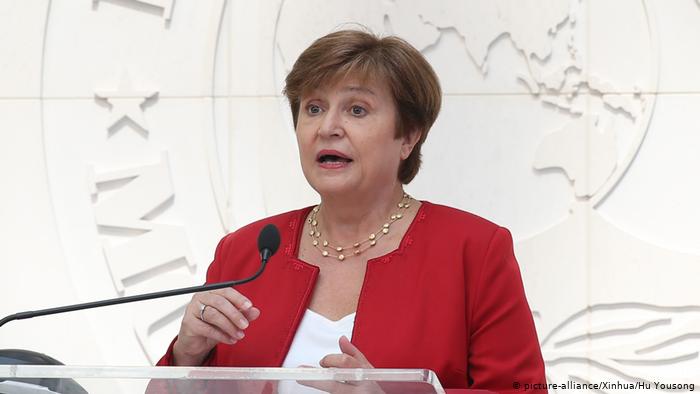
The International Monetary Fund has said Nigeria’s economy is recovering gradually from the negative impact of COVID-19 but notes that both unemployment and inflation rates remain elevated.
The IMF, in a statement at the end of its virtual meetings with the Nigerian authorities to discuss recent economic, financial developments and outlook, described the recent removal of the official exchange rate from the Central Bank of Nigeria (CBN) website as “encouraging”.
The IMF mission said following the sharp output contractions in the second and third quarters, gross domestic product (GDP) turned positive in Q4 2020 and growth reached 0.5 percent year-on-year in Q1 2021 — supported by agriculture and services sectors.
“Nevertheless, the employment level continues to fall dramatically and, together with other socio-economic indicators, is far below pre-pandemic levels. Inflation slightly decelerated in May but remained elevated at 17.9 percent, owing to high food price inflation,” the statement reads.
IMF said with the recovery in oil prices and remittance flows, the strong pressures on the balance of payments have somewhat abated, but noted that imports are rebounding faster than exports and foreign investor appetite remains subdued resulting in continued FX shortage.
The IMF mission noted that Nigeria’s GDP growth is expected to reach 2.5 percent in 2021, while inflation is expected to remain elevated in 2021 — but likely to decelerate in the second half of the year to reach about 15.5 percent — following the removal of border controls and the elimination of base effects from elevated food price levels.
IMF, however, expressed concern with the resurgence of fuel subsidies in the country noting the importance of introducing market-based fuel pricing mechanism and the need to deploy well-targeted social support to cushion any impact on the poor.
“Tax revenue collections are gradually recovering but, with fuel subsidies resurfacing, additional spending for Covid-19 vaccines, and to address security challenges, the fiscal deficit of the Consolidated Government is expected to remain elevated at 5.5 percent of GDP,” the statement added.
“The mission urged the authorities to keep reliance on CBN overdrafts for deficit financing within legal limits, while the government continues to make efforts to strengthen budget planning and public finance management practices to allow for flexible financing from domestic markets and better integration of cash and debt management.
“The mission commended the authorities’ measures to contain the transmission of Covid-19 in Nigeria, including the ongoing vaccination program under the COVAX initiative, and strongly supported the authorities’ efforts to acquire additional doses from countries with surplus stocks.
“The recent removal of the official exchange rate from the CBN website and measures to enhance transparency in the setting of the NAFEX exchange rate are encouraging.
“The extension of the moratorium on principal payments of qualifying credit facilities on a case-by-case basis through March 2022 should be limited to viable debtors with strong pre-crisis fundamentals. CBN stress tests purport that the banking system would remain adequately capitalized except in case of a severe deterioration of credit quality.”
In a recently released report, the World Bank said an estimated 7 million Nigerians may have been pushed into poverty in 2020 due to rising prices alone in the country. The bank noted that high inflation rate is worsening poverty and depressing business activities in Nigeria.









Business
NNPC Remits N1.804 Trillion to Federation Account in February

NNPC Remits N1.804 Trillion to Federation Account in February
The Nigerian National Petroleum Company Limited (NNPC) has remitted N1.804 trillion to the Federation Account in February 2026, marking a significant jump from the N726 billion recorded in January, according to its latest Monthly Financial and Operational Report Summary.
The sharp increase highlights improved oil and gas revenue performance in Nigeria, stronger production output, and ongoing fiscal reforms aimed at boosting transparency and accountability in the petroleum sector.
NNPC Ltd reported that its total revenue increased to N2.68 trillion in February, up from N2.57 trillion in January, driven by higher crude oil sales, improved gas earnings, and operational efficiency gains across its assets. The company also recorded a profit after tax of N136 billion, reflecting improved financial performance despite fluctuations in global crude oil markets and domestic operational challenges.
According to the report, Nigeria’s crude oil and condensate production averaged 1.51 million barrels per day (bpd) in February 2026. NNPC attributed the output stability to improved asset reliability, faster resolution of evacuation constraints, and enhanced coordination with upstream operators across key oil fields.
READ ALSO:
- JUST IN: FG Publishes List of 48 Individuals, Groups Linked to Terrorism Financing in Nigeria
- 2027: Oyo APC Governorship Aspirant Saheed Oladele Resigns From Party
- 42-Year-Old Married Woman Declared Missing Found in Hotel with Man
The rise in remittances follows major fiscal policy changes introduced by President Bola Ahmed Tinubu in February 2026, including an Executive Order mandating full remittance of oil and gas revenues to the Federation Account. The directive also suspended the retention of management and frontier exploration fees previously deducted by NNPC Ltd and established an inter-agency committee led by the Minister of Finance to enforce compliance.
Officials say the reforms are designed to strengthen public revenue management in Nigeria, reduce leakages, and improve transparency in the oil sector.
The company said improved output was supported by infrastructure upgrades, better asset management, and stronger collaboration with industry stakeholders. It also highlighted progress on the Ajaokuta–Kaduna–Kano (AKK) gas pipeline project, noting that construction works are advancing toward early gas delivery to Abuja, a key milestone for Nigeria’s domestic gas expansion strategy.
The performance aligns with broader recovery trends in Nigeria’s oil industry, supported by efforts to curb crude theft, improve pipeline security, and enhance upstream efficiency. Data from the Nigerian Upstream Petroleum Regulatory Commission (Nigerian Upstream Petroleum Regulatory Commission) also indicates fluctuations but overall resilience in production levels, as the sector continues stabilisation reforms.
Analysts say sustained growth in NNPC remittances will depend on consistent crude production, stable global oil prices, and continued enforcement of fiscal transparency measures. As of the time of filing this report, NNPC Ltd has not provided additional breakdowns beyond its monthly financial summary.
NNPC Remits N1.804 Trillion to Federation Account in February
Auto
CFAO Mobility Open Day to offer special deals on new vehicles, parts, diagnostics

CFAO Mobility Open Day to offer special deals on new vehicles, parts, diagnostics

CFAO Mobility has announced plans to host the 2026 edition of its flagship CFAO Mobility Open Day, aimed at showcasing a wide range of innovative mobility solutions.
In a statement, the company said the event would take place on Thursday, April 30, 2026, at Harbour Point, Victoria Island, Lagos, from 9am to 6pm.
The Open Day is expected to bring together leading global automotive and equipment brands in a dynamic exhibition tailored to meet diverse mobility needs.
Participating brands are Toyota, BYD, Mitsubishi, Suzuki, Fuso, JCB, Howo, Sino Equipment, King Long, TechKing Tyres, Yamaha, Winpart and Auto Fast.
According to CFAO Mobility, attendees will experience an extensive display of products and services, ranging from brand-new vehicles and motorcycles to outboard engines, fleet management solutions, spare parts and aftermarket services.
The event, which is free and open to the public, will also feature test drives, professional vehicle diagnostics and exclusive spare-parts deals, offering participants a hands-on and engaging experience.
The company urged car enthusiasts, business owners and prospective buyers to take advantage of the Open Day to explore mobility solutions tailored to their personal and business needs.
With over 120 years of presence in Nigeria, CFAO Mobility remains a key player in the mobility and healthcare sectors.
It added that the Open Day reflects its continued commitment to delivering innovative, customer-focused mobility solutions.
Business
Naira Strengthens to ₦1,359.31/$ as CBN Data Shows Further Gain in Official Market
Naira Strengthens to ₦1,359.31/$ as CBN Data Shows Further Gain in Official Market
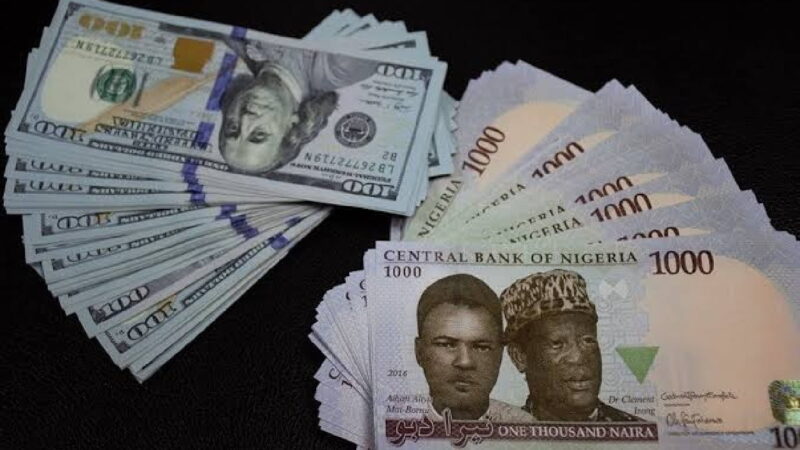
The Naira continued its positive performance on Thursday, appreciating further in the official foreign exchange market to close at ₦1,359.31 per US dollar, according to data published by the Central Bank of Nigeria (CBN).
The latest figure represents an improvement of ₦12.50 compared to the previous trading day, reflecting a 0.9 percent gain from Wednesday’s closing rate of ₦1,371.82/$.
The appreciation highlights continued stability in the official foreign exchange window, where recent policy measures have helped improve liquidity and reduce pressure on the local currency.
Market analysts attribute the naira’s relative strength to ongoing foreign exchange reforms by the CBN, increased dollar supply in official channels, and tighter regulation aimed at narrowing the gap between official and parallel market rates.
READ ALSO:
- Nigeria May Face ₦2,000 Petrol Price Without Intervention, TUC Warns FG
- US Embassy Suspends Abuja Visa Appointments Over Security Concerns
- ADC Crisis: Mark-Led Faction Sues INEC Over Party Leadership Removal
The CBN has in recent months intensified efforts to stabilise the currency through measures such as improved FX market transparency, better coordination with market participants, and steps to attract foreign portfolio inflows.
Despite the gains in the official market, traders note that the parallel market remains more volatile, with rates still influenced by strong demand for foreign currency from importers, travellers, and businesses outside official allocation channels.
Economists say the recent appreciation could help ease short-term inflationary pressure, particularly on imported goods, fuel pricing, and manufacturing inputs, although they caution that sustained stability will depend on broader macroeconomic fundamentals.
These include stronger foreign reserves, improved export earnings—especially from crude oil—and continued investor confidence in Nigeria’s economic policy direction.
The naira’s performance also comes amid renewed attention on Nigeria’s broader economic outlook, with stakeholders closely monitoring the impact of monetary tightening and ongoing fiscal reforms.
As of the latest trading sessions, market participants expect the CBN to maintain its current policy stance in the near term as it works to consolidate recent gains in the foreign exchange market in Nigeria.
Naira Strengthens to ₦1,359.31/$ as CBN Data Shows Further Gain in Official Market

-
 Africa3 days ago
ECOWAS Recruitment 2026: Over 30 Job Vacancies Open for Nigerians (How to Apply)
-
 metro12 hours ago
JUST IN: FG Publishes List of 48 Individuals, Groups Linked to Terrorism Financing in Nigeria
-

 Health3 days ago
Sleeping Positions: How They Affect Your Health and Which Ones to Avoid
-

 Politics3 days ago
Court Stops ADC Congress, Orders Status Quo in Leadership Row
-

 metro3 days ago
Boko Haram Attack in Borno: Brigadier-General, Soldiers Killed as ISWAP Overruns Military Base
-
 Politics23 hours ago
Did Faleke Just Reveal Lagos’ Next Governor? Party Moves Begin
-

 Education2 days ago
Germany Opens Fully Funded Scholarships for Nigerians, Africans
-

 metro14 hours ago
42-Year-Old Married Woman Declared Missing Found in Hotel with Man