

Entertainment
Juwon Is My Son 100%, Mercy Aigbe’s Ex- Husband Confirms Paternity

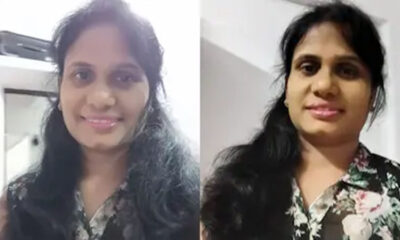
Actress Mercy Aigbe’s ex-husband, Lanre Gentry, has confirmed the paternity of his son with movie star, Mercy Aigbe. There have been several reactions online since Aigbe revealed Kazim Adeoti as her new ‘boo’, years after she parted ways with Gentry.
It was gathered that Kazim Adeoti is said to be a mutual friend of Adeoti before Aigbe and husband parted ways.
Photo of her and new lover has gone viral with some social media users claiming that her son, Juwon and new lover look alike. Ever since the picture surfaced online, social media commenters have advised Gentry to ensure he does a DNA test to be sure that Juwon is his child.
READ ALSO:
- Hotelier reportedly murdered by his wife for impregnating another woman in Lagos .
- Investors fear ‘crypto winter’ is coming as bitcoin falls 50% from record highs
- You are architect of your trouble, Osun APC faction tells Oyetola
In a post on Instagram, he confirmed that he is the father of Juwon.
He wrote: “What is life? I thank everyone for your comments and advice about my lovely son Olajuwon Gentry. My son is my son 100%. I love him so much, there is nothing in this world that can separate me from my children.”
Aigbe despite all the reactions about her marriage, has dotted over her new lover, who is married with kids.
Daily Trust










Entertainment
Celine Dion Makes Emotional Stage Comeback After Six Years
Celine Dion Makes Emotional Stage Comeback After Six Years
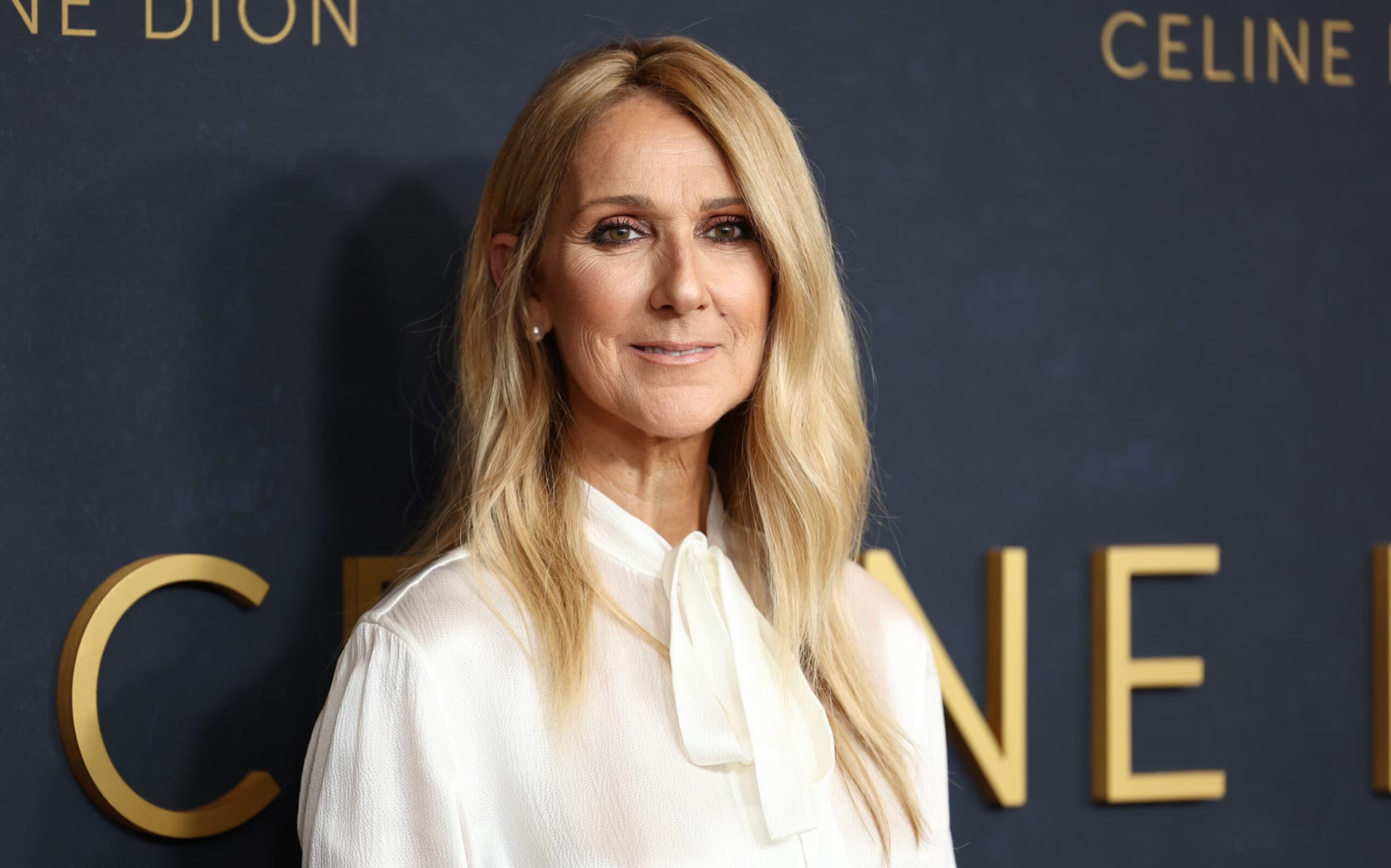
Canadian music superstar Celine Dion has made an emotional return to the concert stage after more than six years away, breaking down in tears as she reunited with thousands of fans during the opening night of her highly anticipated Paris residency.
The 58-year-old singer performed at the Plenitude Arena in Nanterre, near Paris, on Saturday, September 12, 2026, marking her first full concert since March 2020.
The comeback came after years of uncertainty surrounding Dion’s career following her diagnosis with stiff-person syndrome (SPS), a rare neurological disorder that causes muscle stiffness, spasms and other debilitating symptoms.
Dion revealed her diagnosis publicly in December 2022, explaining that the condition had affected her ability to walk, sing and perform.
The illness forced her to cancel concerts and eventually abandon the remaining dates of her Courage World Tour, leaving fans unsure whether she would ever return to the stage for a full concert.
But on Saturday night, Dion answered that question emphatically.
She opened the Paris show with her French-language song “On Ne Change Pas” and quickly became emotional as the significance of her return sank in.
The singer struggled to hold back tears before continuing with the performance, while the audience responded with loud cheers and applause.
Dion thanked her fans for standing by her throughout her difficult years away from the stage and recalled the promise she had made to return.
“I made a promise to come back and to be back on stage. Here I am singing for you, and singing for me,” she told the audience.
She also acknowledged the difficult journey that preceded her comeback, describing the road back to live performance as longer and harder than anticipated.
For Dion, the Paris concert was not simply the start of another series of shows. It represented the culmination of years of treatment, rehabilitation and determination to regain enough strength to perform again.
READ ALSO:
- DSS warns Osun churches, mosques, markets over alleged terrorist attack plot ahead of 2027
- ‘Tinubu Will Win Again in 2027’ — Charismatic Bishops’ Secretary
- Fake miracles, bogus grants: How clerics allegedly fleece Nigerians of millions
Reports on her preparations said the singer worked on her physical and vocal condition with a combination of therapy, medication, immunotherapy, Pilates and ballet training as she prepared for her return.
Her return to the stage comes two years after another major public comeback.
In July 2024, Dion performed “Hymne à l’amour” from the Eiffel Tower during the opening ceremony of the Paris Olympics, delivering an emotional performance that marked her first public singing appearance in several years.
That performance was widely seen as a sign that she was determined to return to music despite the challenges posed by her condition.
Saturday’s concert, however, was a much greater undertaking because it required Dion to perform an entire set before a packed arena.
She performed several of the songs that have defined her career, including “My Heart Will Go On,” “All By Myself” and “Because You Loved Me,” while also showcasing her French-language repertoire. (Reuters)
The concert launched a sold-out Celine Dion Paris 2026 residency, which has generated enormous interest among fans around the world.
The residency was initially announced in March with 10 performances scheduled for September and October. Additional dates were later added following overwhelming demand, bringing the current series to 26 concerts, with performances extending into 2027. (Reuters)
Dion’s official website announced the initial Paris engagement as a limited series beginning on September 12, 2026. (Celine Dion)
The demand for tickets was extraordinary. Reports said millions of fans attempted to gain access to the ticket sale, while the shows quickly sold out.
The singer’s return also sparked celebrations across Paris, with fans gathering outside her hotel and at other locations to express their excitement ahead of the concert.
Paris itself embraced the comeback, with fan events and activities organised around the residency, including a large karaoke celebration featuring Dion’s songs.
For many fans, the significance of the concert went beyond entertainment.
Dion’s absence from the stage had been closely linked to her health struggles, making her decision to undertake a demanding concert residency a major personal and professional milestone.
Her stiff-person syndrome diagnosis had brought an abrupt interruption to a career that had already established her as one of the world’s most successful recording artists.
The condition is rare and can cause progressive muscle stiffness and painful spasms. Dion’s health challenges eventually became so severe that she was forced to step away from touring.
READ ALSO:
- ‘Unacceptable’ — Arteta Furious Over Sunderland Penalty in Arsenal Win
- US Blockade Tightens As CENTCOM Redirects 100 Commercial Ships From Iranian Ports
- Five Islamic Clerics Abducted After Tinubu Re-Election Prayer At Yari’s Zamfara Residence
Her 2024 documentary, I Am: Celine Dion, also gave audiences a closer look at the impact of the condition on her life and career.
Despite the setbacks, Dion continued to work toward a return.
In April 2026, she released “Dansons,” a new French-language song written by renowned French songwriter Jean-Jacques Goldman, adding to the momentum surrounding her comeback.
Her connection with France has also remained particularly strong throughout her career. Dion has achieved major success with both French and English-language music and has repeatedly described France as an important part of her artistic journey.
That connection was evident during Saturday’s concert, which featured a substantial amount of French-language material.
The emotional reaction from the audience underscored Dion’s enduring popularity.
As she sang, fans joined in, applauded and celebrated the return of an artist many had feared they might never see perform a full concert again.
The comeback also reaffirmed Dion’s status as one of the best-selling music artists of all time, with a career spanning decades and global hits that have reached audiences across generations.
Among her most recognisable songs is “My Heart Will Go On,” the theme song from the blockbuster film Titanic, which became one of the defining recordings of her career.
Dion’s Paris return now opens a new chapter in a career that appeared uncertain just a few years ago.
While she continues to manage stiff-person syndrome, her first full concert in more than six years demonstrates her determination to remain connected with audiences and continue performing.
For the thousands who watched her return in Paris, the tears, cheers and standing ovations represented more than the comeback of a global music star.
They marked the return of an artist who spent years battling a rare neurological condition, stepped away from the stage and ultimately kept her promise to come back.
Celine Dion is back on stage — and her emotional Paris comeback has given fans around the world a powerful reminder of her enduring voice, resilience and connection with her audience.
Celine Dion Makes Emotional Stage Comeback After Six Years
Entertainment
Veteran Nollywood Actress Cries Out for Financial Help Over Cervical Cancer Battle
Veteran Nollywood Actress Cries Out for Financial Help Over Cervical Cancer Battle
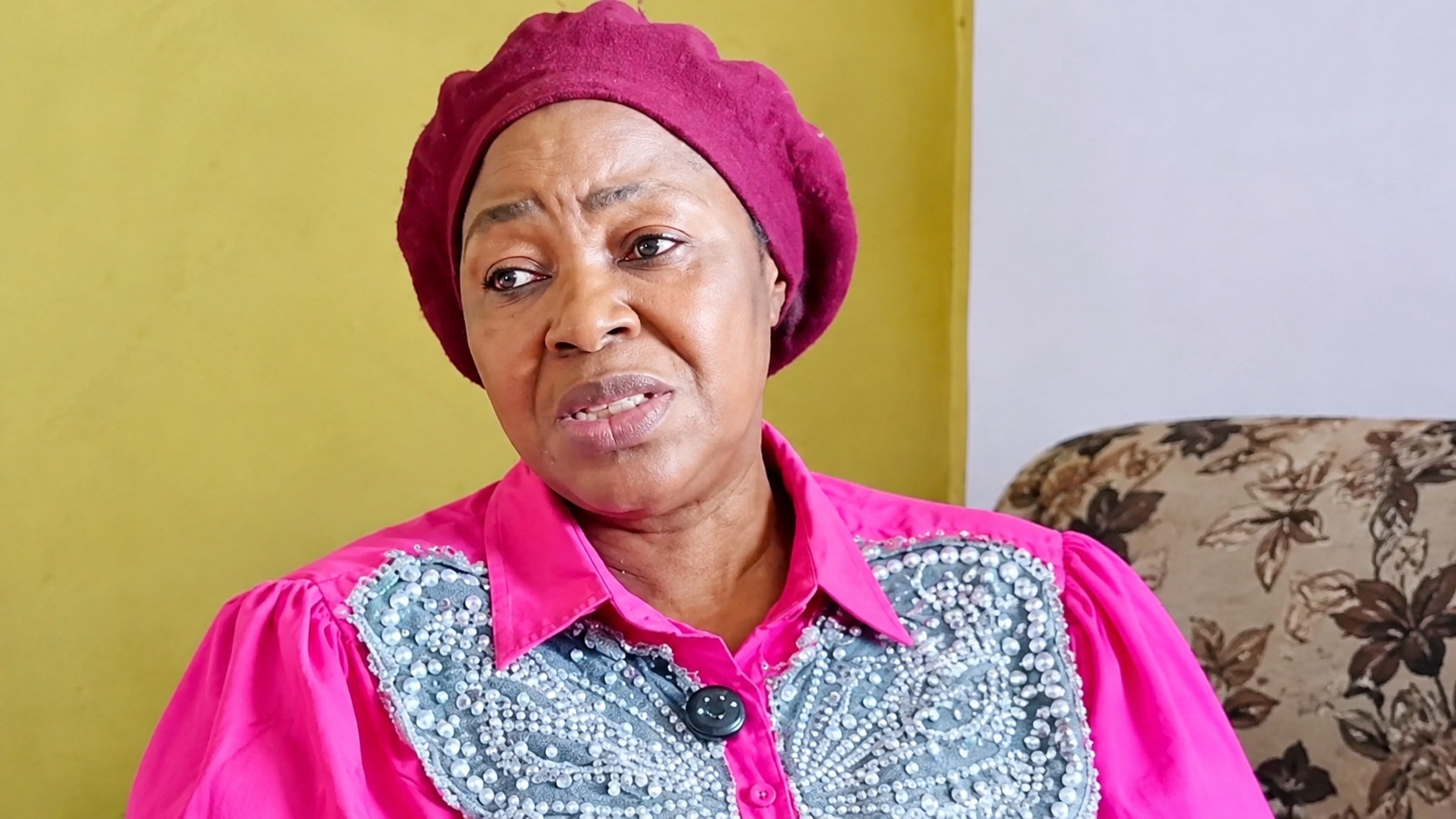
Veteran Nollywood actress, Omotunde Ogundimu, has appealed to Nigerians and well-meaning individuals for financial assistance as she continues her battle with cervical cancer, a condition she says has subjected her to severe pain and prolonged treatment.
The actress, who has reportedly been battling the disease since 2024, made the emotional appeal as she struggles to raise the funds required to continue her medical treatment.
Ogundimu, known for her roles in several Nigerian movies and television productions, expressed concern over her worsening financial situation, saying the cost of treatment had become difficult for her to bear.
According to the actress, she is currently going through considerable physical and financial challenges and needs support to continue receiving medical care.
The veteran actress appealed to Nigerians to come to her aid, stressing that her immediate priority is to regain her health and overcome the illness.
Her plea has generated concern among fans and members of the Nigerian entertainment industry, with many expressing sympathy and calling for support for the actress during the difficult period.
Ogundimu seeks support to continue treatment
The actress’ disclosure has once again drawn attention to the enormous financial burden often associated with prolonged cancer treatment in Nigeria.
READ ALSO:
- MURIC Raises Alarm Over Alleged Religious Imbalance in NDA 78RC Admission
- Agunbiade fires back at Deji Yesufu: Don’t mistake Boko Haram for Islam
- Breaking the Cycle of Collective Guilt: When a Ruling Party Voice Backs Peter Obi
Cancer patients frequently require a combination of medical consultations, laboratory investigations, medications and other forms of treatment, which can place considerable financial pressure on patients and their families.
For Ogundimu, the challenge has reportedly persisted since her diagnosis and treatment began in 2024.
The actress is therefore seeking assistance from individuals, organisations, colleagues in the entertainment industry and other well-meaning Nigerians who may be able to contribute towards her continued treatment.
Fans rally around veteran actress
Following her appeal, messages of concern and encouragement have continued to emerge from members of the public who expressed their desire to see the veteran actress recover.
Ogundimu’s situation has also renewed discussions about the challenges confronting veteran actors, particularly those who may no longer have regular acting jobs but require substantial financial resources when faced with serious health conditions.
The actress’ appeal is coming at a time when several Nigerian entertainers have publicly sought financial assistance to cope with major medical challenges.
As Ogundimu continues her treatment, her supporters have urged Nigerians to offer whatever assistance they can and to keep her in their prayers.
Newstrends.ng wishes Omotunde Ogundimu strength and a successful recovery as she continues her battle with the disease.
Veteran Nollywood Actress Cries Out for Financial Help Over Cervical Cancer Battle
Entertainment
Omotola: I get Hollywood royalties but nothing from 30 years in Nollywood
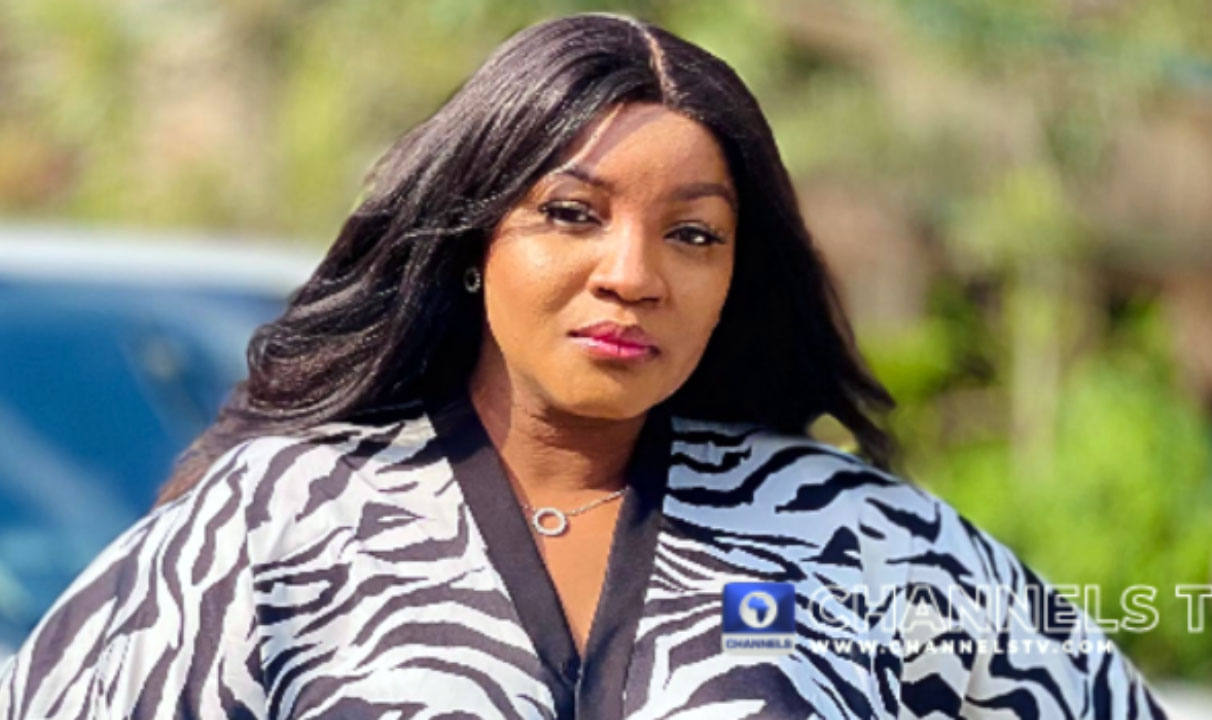
Omotola: I get Hollywood royalties but nothing from 30 years in Nollywood
Veteran Nollywood actress Omotola Jalade-Ekeinde has renewed concerns about the payment structure in Nigeria’s film industry, revealing that she receives royalties and residual payments from Hollywood despite spending far less time working there, but has received no similar payments from her three-decade career in Nollywood.
Omotola said she has worked in Hollywood for about five years and continues to receive payments from her past projects, while her roughly 30 years in Nollywood have yielded no royalty payments.
“I’ve only worked in Hollywood for five years, yet I constantly receive envelopes containing my residuals and royalties. I’ve worked in Nollywood for 30 years and have never received a single envelope. Maybe they don’t know where I live,” the actress said.
Her remarks have reignited the debate over actors’ royalties, residual payments and contractual rights in Nollywood, particularly as Nigerian films increasingly generate revenue through cinemas, television, streaming platforms and international distribution.
Omotola had previously raised similar concerns in 2025, when she disclosed that she had featured in more than 310 Nollywood projects over three decades without receiving residuals.
At the time, she contrasted that experience with her Hollywood work, saying she had received monthly residual payments from two test projects completed during her relatively brief time in the American film industry.
She also shared images of payment envelopes from SAG-AFTRA, the American union representing film and television performers, to illustrate the system under which performers can receive continuing payments from qualifying uses of their work.
The actress used the comparison to call for greater structure within Nollywood’s compensation system, arguing that performers should be able to benefit financially when their work continues to generate value.
READ ALSO:
- Adeleke’s re-election faces tribunal battle as APC, PDP file petitions
- I always think I’m the best – Mbappé speaks on Ballon d’Or chances
- My husband is a secure man – Mo Bimpe claps back at critics
Residual payments are generally payments made to performers when films or television productions are reused or distributed through qualifying channels, such as television broadcasts, reruns or streaming, depending on contractual and industry arrangements.
Royalties can also arise from agreements that give performers or other rights holders a continuing share of revenue generated from the use or exploitation of their work.
Omotola’s latest comments therefore highlight a distinction between a one-time acting fee and continuing financial participation in the commercial life of a production.
Her concerns have also brought renewed attention to the structures supporting Nollywood actors and filmmakers, including contracts, copyright, rights management, distribution and revenue tracking.
The issue comes at a time when Nollywood has expanded significantly beyond the traditional home-video and cinema markets.
Nigerian films are now distributed through international streaming services and other digital platforms, giving productions longer commercial lives and access to audiences around the world.
However, Omotola’s experience has also prompted questions about whether the industry’s financial and contractual systems have developed at the same pace as its global reach.
In 2025, the Chairman of the Audio Visual Rights Society of Nigeria (AVRS), Mahmood Balogun, acknowledged the challenges surrounding residual collection in Nigeria while noting that the country was still developing the infrastructure required for effective royalty administration.
Balogun said AVRS had distributed royalties to members but explained that actors and other rights holders who are not members of relevant collecting structures may not receive such payments.
He also pointed to challenges involving copyright awareness, compliance and the collection of royalties from broadcasters, hotels and other commercial users of audiovisual content.
The debate has consequently moved beyond whether actors are paid enough for individual film appearances to the broader question of whether they can benefit from the continuing commercial use of their performances.
READ ALSO:
- After two decades, Tinubu approves Cabotage fund for Nigerian shipowners
- Hate Speech, Threats During Campaigns Attract ₦10m Fine, 12 Months Jail – INEC
- Market Fire in Indonesia Kills 11, Including Six Children
Omotola’s lengthy career makes her intervention particularly significant. She has been one of the most recognisable faces of Nollywood since emerging as a major actress in the 1990s and has featured in hundreds of productions.
She has also transitioned into filmmaking and production, giving her experience on both sides of the industry’s financial structure.
Her recent film, Mother’s Love, provided another insight into the economics of Nigerian filmmaking.
The movie reportedly grossed more than N103 million during its cinema run, but Omotola disclosed that only about N22.28 million accrued to the producers after deductions including exhibitor and distributor shares, advertising and production-related costs, as well as various taxes.
She subsequently disclosed that the amount accruing to her production company from the film was donated to Slum2School Africa, fulfilling a pledge made by her production outfit.
The disclosure offered a glimpse into the gap between a film’s headline box-office figure and the amount ultimately available to producers after industry deductions.
Omotola’s royalty concerns highlight another side of that financial equation: what happens to performers and other creatives after their initial fees have been paid and their films continue to circulate.
The actress has previously indicated that she wants royalty clauses included in her Nollywood contracts, arguing that her work should continue to provide value for her and her family.
Her position reflects a wider push among some Nigerian creatives for stronger contractual protections and clearer mechanisms for tracking revenue generated by films after their initial release.
For an industry that now has a substantial international audience, the issue of Nollywood royalties is increasingly tied to questions of professionalism, transparency and sustainability.
The growth of streaming platforms has made the subject even more important because films can remain available to viewers for years, potentially generating revenue long after their cinema or television premieres.
Whether actors receive additional compensation in such circumstances depends on the contracts governing individual productions, ownership arrangements and applicable rights-management systems.
Omotola’s comments do not necessarily represent the experience of every Nollywood performer, but they have once again placed the industry’s royalty structure at the centre of public discussion.
Her message is ultimately a call for a more organised system in which actors and other creatives can benefit from the long-term commercial value of their work.
As Nollywood continues to expand internationally, the debate over royalties, residuals, actors’ rights and film revenue is likely to remain an important part of conversations about the future of Nigeria’s entertainment industry.
For Omotola, however, the disparity remains personal: after about five years of work in Hollywood, she says she continues to receive royalty and residual payments, while three decades and hundreds of projects in Nollywood have produced none.
Omotola: I get Hollywood royalties but nothing from 30 years in Nollywood
-

 metro2 days ago
Woman disguises as Muslim woman in Niqab to steal in Ado-Ekiti market, video sparks outrage
-

 metro2 days ago
Ondo Herbal Drink Tragedy: Survivor Vows Never to Drink Again as Death Toll Tops 30
-

 metro2 days ago
Sokoto Cleric Stabbed Twice in Neck After Juma’at Prayer, Attacker Killed
-
 Business2 days ago
Dangote: ₦525 Refinery Shares Could Rise to ₦10,000
-

 Africa3 days ago
Murder of Nigerian Bishop in South Africa Sparks Outcry Over Unsolved Killings
-

 News3 days ago
AI on the Roads: LASTMA Turns to China to Fix Lagos Traffic
-

 metro2 days ago
MURIC fires back at Peter Obi: Forget Sallah ceremony, free Nigerian Muslims
-

 Community3 days ago
Kaduna Traditional Rulers Set for 100% Pay Rise as Zazzau Emir Backs Proposal