
Africa
Kenya Court blocks billionaire Adani’s $1.85B takeover project of Nairobi Airport
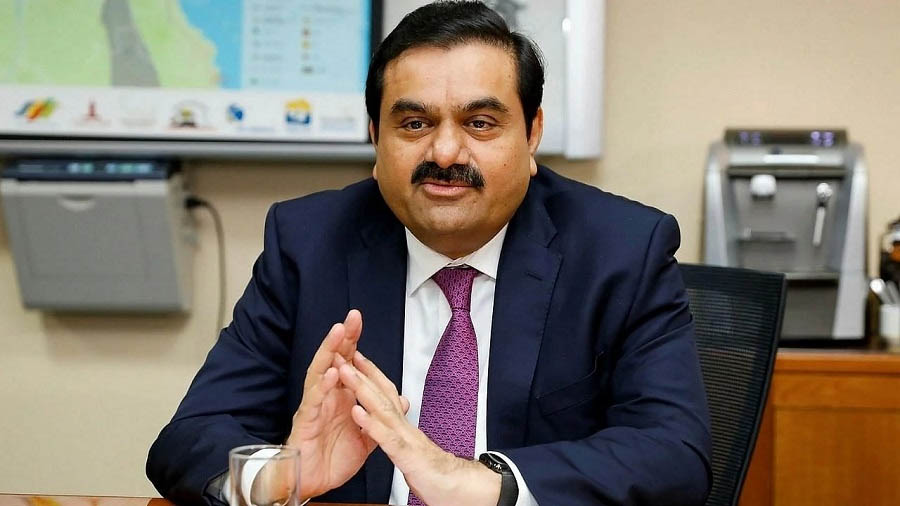
Kenya Court blocks billionaire Adani’s $1.85B takeover project of Nairobi Airport
A Kenyan High Court has suspended a $1.85 billion deal between the government and Indian billionaire Gautam Adani’s Adani Airport Holdings Ltd.
The agreement would have granted Adani a 30-year lease to operate Nairobi’s Jomo Kenyatta International Airport (JKIA).
The court’s order prevents any implementation of the lease until further judicial review.
The Law Society of Kenya (LSK) and the Kenya Human Rights Commission (KHRC) filed a joint application, arguing that the country can raise the $1.85 billion required for the airport’s upgrade independently.
The groups expressed concerns over the financial risks, potential job losses, and lack of value for taxpayers associated with the lease, according to court documents published by KHRC.
The court granted permission for a judicial review to assess the legality and merits of the deal.
LSK President Faith Odhiambo announced on social media that the court had issued a stay, halting any implementation of the Adani proposal until the court case concludes.
READ ALSO:
- Nigeria’s crude oil production rose to 1.35m bpd in August – OPEC
- Naira fall: Court freezes N548.6m belonging to ‘ByBit, KuCoin’ Nigerian crypto users
- Lagos court jails American businessman 74 years for $1.2m visa scam
They stated in their filings, “Leasing the strategic and profitable JKIA to a private entity is irrational” and violates the constitutional principles of “good governance, accountability, transparency, and prudent and responsible use of public money.”
The proposed lease has faced significant opposition, particularly from the Kenya Aviation Workers Union, which warned of potential job cuts and the introduction of non-Kenyan workers. The union had threatened to strike in protest against the agreement.
The Kenyan government, while acknowledging the need to modernise JKIA due to capacity constraints, has maintained that the airport is not for sale.
The administration described the potential lease as part of a public-private partnership and stated that Adani’s offer was under review.
In July, officials reassured the public that any deal would include safeguards to protect Kenya’s national interests.
The court’s ruling has temporarily alleviated concerns among critics of the deal, as the country awaits further legal developments and a resolution to the contentious airport lease proposal.
Kenya Court blocks billionaire Adani’s $1.85B takeover project of Nairobi Airport











Africa
Pope Leo XIV Launches 11-Day Africa Tour Across Four Nations
Pope Leo XIV Launches 11-Day Africa Tour Across Four Nations
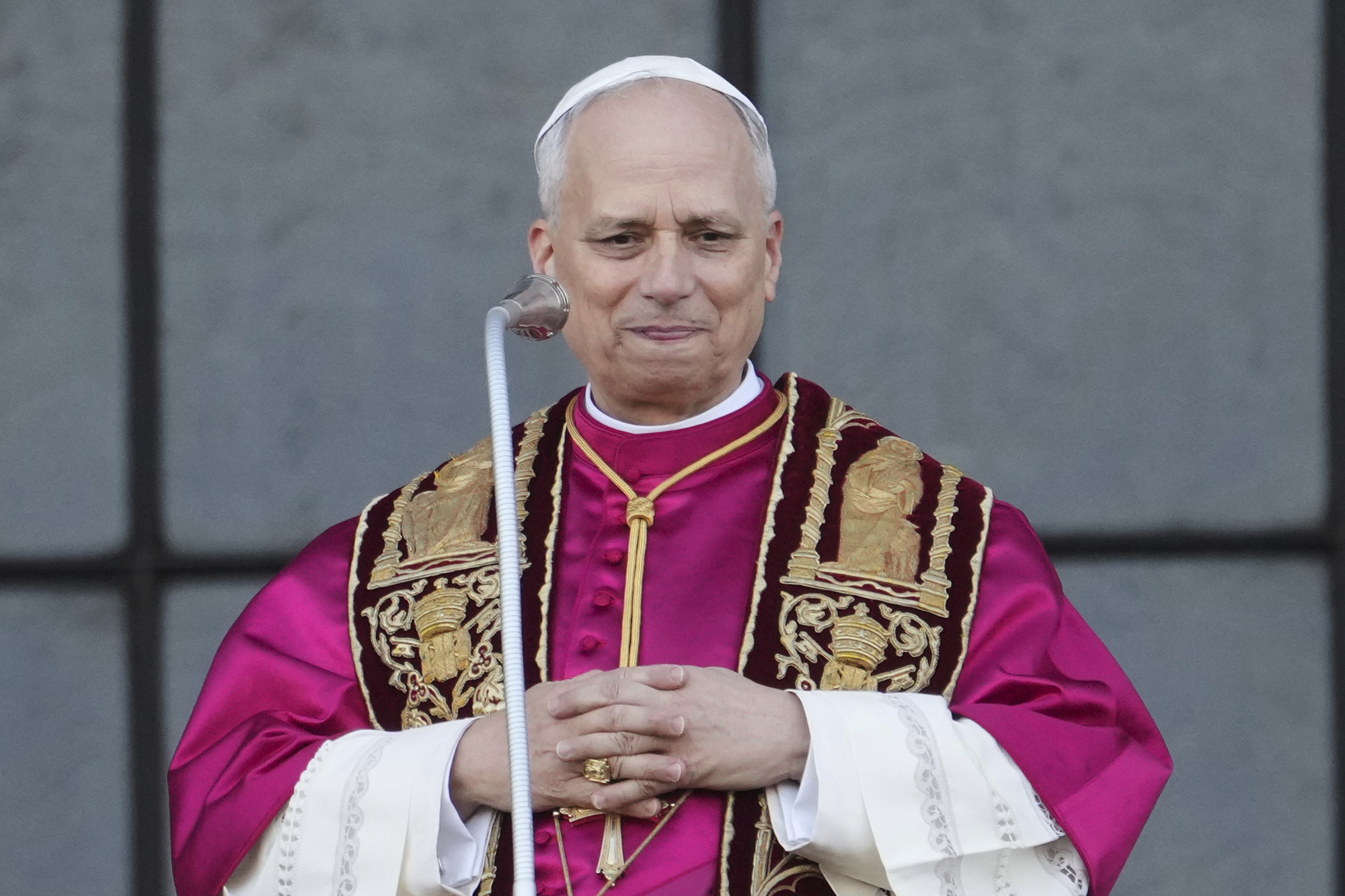
Pope Leo XIV has begun his first major international mission since becoming pontiff, launching an 11-day Africa tour that will take him across Algeria, Cameroon, Angola and Equatorial Guinea in what the Vatican describes as a landmark apostolic journey focused on peace, interfaith dialogue, and global justice.
The trip covers more than 18,000 kilometres (11,000 miles) and is expected to include 11 speeches, seven masses, and visits to about a dozen locations before the pontiff returns on April 23.
The Vatican, headquartered in Vatican City, says the visit underscores Africa’s growing importance to the global Catholic Church, which continues to expand rapidly across the continent.
Focus on peace, interfaith dialogue and social justice
During the tour, Pope Leo XIV is expected to address key issues including Christian–Muslim relations, peacebuilding, human rights, inequality, and poverty, particularly in regions affected by conflict and economic instability.
Church officials say the visit also reflects the Vatican’s broader diplomatic strategy to strengthen ties with African nations at a time of heightened global geopolitical tension.
Algeria visit: First papal trip to a Muslim-majority state
The first stop is Algeria (April 13–15), where Pope Leo XIV will become the first pontiff to officially visit the North African nation, where Islam is the state religion.
READ ALSO:
- Hip-Hop Pioneer Afrika Bambaataa Dies at 68 After Battle With Cancer
- Naira Strengthens to ₦1,359.31/$ as CBN Data Shows Further Gain in Official Market
- Nigeria May Face ₦2,000 Petrol Price Without Intervention, TUC Warns FG
He is expected to meet President Abdelmadjid Tebboune, visit the Great Mosque of Algiers, and undertake private prayers at memorial sites linked to victims of Algeria’s civil war.
Religious leaders say the visit will strongly emphasise interfaith understanding between Christianity and Islam and promote reconciliation.
Cameroon: Peace message in conflict-affected regions
From April 15–18, the pontiff will visit Cameroon, where his focus is expected to centre on peace and national unity, especially in the English-speaking regions affected by long-standing separatist conflict.
A major mass is scheduled in Bamenda, the epicentre of the crisis, with heightened security arrangements already in place.
He is also expected to meet President Paul Biya and visit Catholic schools, hospitals, and humanitarian centres that serve millions across the country.
Angola: Poverty, inequality and economic justice
In Angola (April 18–21), Pope Leo XIV is expected to address poverty, corruption, and unequal distribution of wealth, despite the country’s significant oil and mineral resources.
The pope will visit Luanda and Muxima, a major Catholic pilgrimage site located along a historic slave-trading route, where he is expected to highlight themes of healing, justice, and reconciliation.
Public debate has also emerged over the cost of the visit, even as large Catholic communities prepare to welcome him.
Equatorial Guinea: Governance and human rights focus
The final stop of the tour (April 21–23) will be Equatorial Guinea, where long-time leader Teodoro Obiang Nguema Mbasogo has ruled since 1979.
With a predominantly Catholic population, the visit carries strong religious significance but also diplomatic sensitivity due to concerns around human rights and governance issues.
Observers say the pontiff is expected to carefully balance pastoral engagement with subtle advocacy for social justice and reform.
Earlier international trips
Since assuming the papacy in May, Pope Leo XIV has visited Turkey, Lebanon, and Monaco, but Vatican officials say this Africa tour represents his most ambitious overseas mission so far.
Further international engagements are expected later in the year as part of expanded Vatican outreach efforts.
Pope Leo XIV Launches 11-Day Africa Tour Across Four Nations
Africa
ECOWAS Recruitment 2026: Over 30 Job Vacancies Open for Nigerians (How to Apply)
ECOWAS Recruitment 2026: Over 30 Job Vacancies Open for Nigerians (How to Apply)
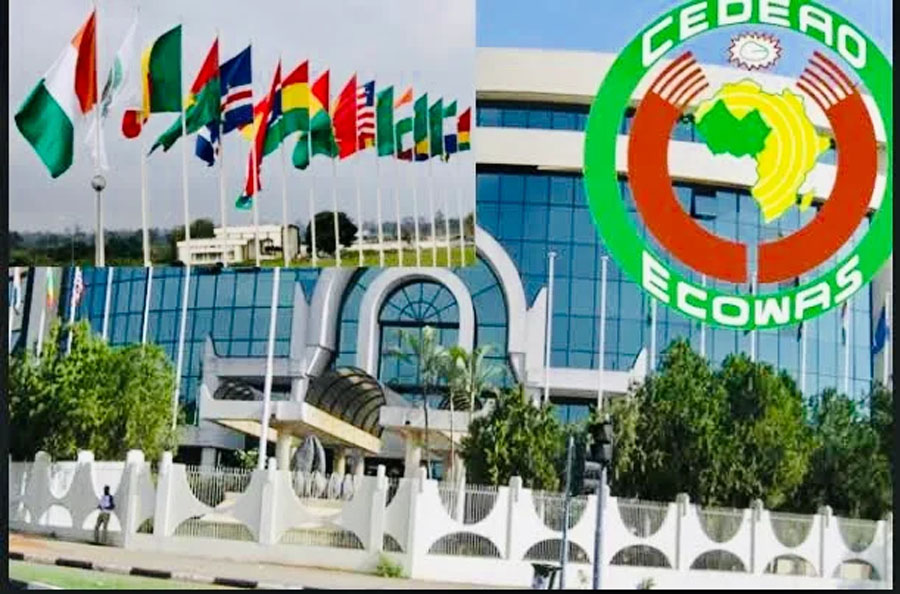
The Economic Community of West African States (ECOWAS) has launched its 2026 recruitment exercise, offering over 30 job vacancies to qualified applicants from Nigeria and other member states as part of efforts to strengthen regional operations.
In an official notice released on its careers portal, ECOWAS said the recruitment is aimed at boosting the implementation of its sectoral programmes across key institutions within the region.
Interested candidates are required to submit their applications through the ECOWAS website before the April 30, 2026 deadline.
Available ECOWAS Jobs in Nigeria (Abuja)
A significant number of positions are based in Abuja, Nigeria, covering multiple sectors. These include:
- Office Aide
- Programme Assistant
- Nurse
- Protocol Assistant
- Documentation and Archives Assistant
- Office Manager (Bilingual Secretary)
- Junior Accountant (Disbursements)
- Accountant roles
- Legal Officer
- Political Adviser
- Principal Officer roles
- Registrar positions
- Head of Division (Library and Documentation)
- Head of Hansard
READ ALSO:
- EFCC Arrests Maiduguri Woman for Cleaning Nose With N500 Note
- Court Stops ADC Congress, Orders Status Quo in Leadership Row
- US Evacuates Embassy Staff in Nigeria, Lists 23 States as ‘Do Not Travel’
These roles span administration, finance, legal, and governance, making the recruitment one of the most diverse in recent times.
Vacancies Across Other ECOWAS Member States
Beyond Nigeria, ECOWAS also announced openings in other locations, including:
- Administrative and Finance Officer in Addis Ababa
- Principal Programme Officer (Sports Policy) in Liberia
- Principal Programme Officer (Water Supply and Sanitation) in Conakry
- Legal and administrative roles in Dakar, Senegal
This reflects ECOWAS’ commitment to regional employment and cross-border collaboration.
Eligibility Criteria for ECOWAS Recruitment 2026
Applicants must meet specific age and qualification requirements, depending on the role:
- Maximum of 35 years for support staff (G1–G7)
- Maximum of 45 years for professional roles (P1–P7)
- Maximum of 50 years for director-level positions (D1–D2)
Candidates are also expected to:
- Possess relevant academic and professional qualifications
- Demonstrate proficiency in English, French, or Portuguese
- Complete and submit the official ECOWAS application form
- Attach a CV and motivation letter
ECOWAS emphasized that applications without all required documents will be disqualified.
How to Apply for ECOWAS Jobs
To apply, candidates must:
- Download the official application form from the ECOWAS careers portal
- Fill in accurate details
- Attach supporting documents (CV and cover letter)
- Submit via designated email addresses before the deadline
Only shortlisted candidates will be contacted for the next stage of the recruitment process.
Fraud Alert to Applicants
ECOWAS warned that its recruitment process is completely free, urging applicants to avoid paying money to individuals or groups claiming to influence hiring.
The organisation also cautioned against sharing sensitive financial information with unofficial sources.
Gender Inclusion Encouraged
The regional body encouraged female applicants to apply, reaffirming its commitment to diversity and equal opportunity across its workforce.
Overall, the ECOWAS recruitment 2026 presents a major opportunity for qualified Nigerians and other West Africans to secure roles in a leading regional organisation driving economic integration, peace, and development.
ECOWAS Recruitment 2026: Over 30 Job Vacancies Open for Nigerians (How to Apply)
Africa
Nigeria Apologises Over ‘Igbo King’ Controversy in South Africa as Protests Turn Violent

Nigeria Apologises Over ‘Igbo King’ Controversy in South Africa as Protests Turn Violent
The Nigerian High Commission in South Africa has formally apologised following a diplomatic and social backlash over the alleged coronation of an “Igbo king” in Eastern Cape Province.
The controversy began after reports emerged that Solomon Eziko was crowned “Igwe” of Kugompo in South London, a town in the Eastern Cape. Videos and images from the event circulated widely, triggering outrage among locals who viewed the development as an attempt to establish a foreign traditional authority within South Africa.
The situation escalated on Monday as protests turned violent in parts of the province. Demonstrators reportedly torched vehicles and buildings linked to foreign nationals, while angry residents marched through affected areas demanding swift government intervention.
Some protesters issued strong warnings, with calls for the deportation of Nigerians associated with the event and threats of further unrest if authorities failed to act. The unrest highlights longstanding tensions around immigration and economic competition involving foreign nationals in South Africa.
In a statement dated March 26, the Nigerian High Commission clarified that the Igbo East London gathering was purely a cultural festival and not a coronation. The mission stressed that the event had been widely misunderstood and did not amount to the installation of a traditional ruler.
READ ALSO:
- Plateau Killings: Ezekwesili Blasts Tinubu, APC Over ‘Failure to Act’
- Iran Announces ‘Bounty’ on US Pilots After Claiming Downing of Fighter Jet
- Lasaco Assurance Launches N18.47bn Rights Issue to Strengthen Capital Base
Providing context, the Commission explained that Igbo cultural practices often include symbolic ceremonies that may resemble coronations but are not political in nature. It cited traditions such as the New Yam Festival (Iri Ji), masquerade displays (Mmanwu), traditional marriage rites (Igba Nkwu), and chieftaincy title ceremonies as integral parts of Igbo heritage.
On Tuesday, Deputy High Commissioner Olajide Ogunmadeji addressed protesting groups, offering an apology and reaffirming Nigeria’s respect for South African institutions.
“They are only celebrating their cultural activity. It is not a political or traditional institution,” Ogunmadeji said.
“I offer our apology to the traditional institutions in South Africa. We are sorry for what has happened. The embassy would never encourage the undermining of authority or institutions.”
Authorities in Eastern Cape have reportedly taken steps to restore calm, while community leaders continue engagements to prevent further escalation.
The Nigerian mission also issued a security advisory urging Nigerians living in South Africa to remain vigilant, limit movement, and suspend socio-cultural gatherings. It warned against inflammatory comments on social or mainstream media that could worsen the already tense situation.
The incident has drawn attention to the sensitive nature of traditional leadership structures in South Africa, where such institutions are formally recognised and regulated by law. Analysts say misunderstandings involving cultural expressions by foreign communities can quickly escalate into broader diplomatic and security concerns.
While the apology appears to have eased tensions slightly, stakeholders in South Africa continue to demand clear assurances and accountability to prevent similar incidents in the future.
Nigeria Apologises Over ‘Igbo King’ Controversy in South Africa as Protests Turn Violent

-
 Africa2 days ago
ECOWAS Recruitment 2026: Over 30 Job Vacancies Open for Nigerians (How to Apply)
-

 metro3 days ago
2026 NYSC Batch A Stream II: Registration, Swearing-In Dates Announced
-

 Entertainment3 days ago
Saheed Osupa Defends Juju Use Amid Backlash From Islamic Clerics
-

 Health2 days ago
Sleeping Positions: How They Affect Your Health and Which Ones to Avoid
-

 Politics2 days ago
Court Stops ADC Congress, Orders Status Quo in Leadership Row
-
 metro2 days ago
Boko Haram Attack in Borno: Brigadier-General, Soldiers Killed as ISWAP Overruns Military Base
-
 metro2 days ago
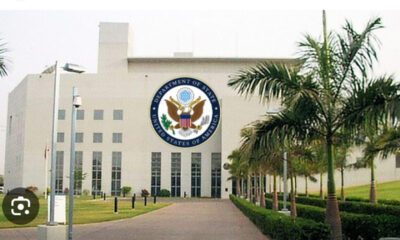
US Evacuates Embassy Staff in Nigeria, Lists 23 States as ‘Do Not Travel’
-

 Education21 hours ago
Germany Opens Fully Funded Scholarships for Nigerians, Africans