

metro
LASTMA to Launch Free Short Code for Traffic Updates, Complaints

LASTMA to Launch Free Short Code for Traffic Updates, Complaints
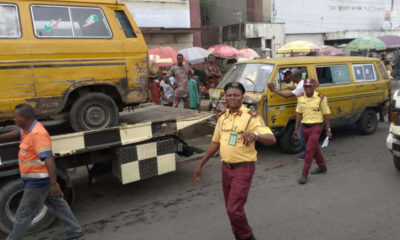
The Lagos State Traffic Management Authority (LASTMA) has announced plans to roll out a free short code service that will allow residents, particularly motorists, to report traffic situations and engage directly with the agency across Lagos.
The General Manager of LASTMA, Olalekan Bakare-Oki, disclosed this during an interview, stating that the initiative is in its final stage and awaiting approval from telecom network providers. He said the short code is expected to go live within two to three weeks, replacing the longer phone lines currently in use.
According to him, the agency has already completed technical preparations, including the installation of necessary machinery and communication equipment at its digital call centre to ensure seamless rollout once approval is secured.
Bakare-Oki explained that the new platform will enable Lagos residents to provide real-time traffic updates, report emergencies, and give feedback on the conduct of traffic officers. Motorists will also be able to alert authorities to road obstructions, accidents, illegal parking, and congestion hotspots, improving response time and traffic coordination.
READ ALSO:
- Malami Challenges EFCC in Court Over Seized Assets, Claims Lawful Wealth
- Gunmen Kidnap 23 Pupils, Proprietor’s Wife in Kogi Orphanage Attack, 15 Rescued
- Airlines Threaten Nationwide Shutdown Over Jet A1 Fuel Price Surge
He noted that LASTMA’s call centre currently operates with about 10 trained responders and is designed to accommodate multiple languages, including English, Yoruba, and other local dialects, to ensure wider accessibility for residents.
The LASTMA boss added that the agency maintains a strong operational synergy with other emergency and security bodies, including the Lagos State Ambulance Service, Lagos State Fire and Rescue Service, Nigeria Police Force, and the Lagos State Emergency Management Agency (LASEMA). He said this inter-agency collaboration has been critical in managing incidents and ensuring swift emergency response across the state.
“There is an inter-agency collaboration that is top-notch, and that is how we are able to address emergency and traffic issues in the state,” he said.
Providing insight into current operations, Bakare-Oki revealed that the agency received nearly 300 calls between January and March, though he admitted there had been service disruptions due to ongoing system upgrades.
“The system has been experiencing downtime because of the integration. We give the assurance that in the next two to three weeks, we will be back on board strong and with better service delivery to Lagos residents,” he said.
Industry observers note that the introduction of a short code aligns with broader efforts by the Lagos State Government to digitise traffic management, enhance citizen engagement, and tackle the persistent challenge of congestion in Nigeria’s commercial hub.
Once operational, the short code is expected to complement LASTMA’s existing communication channels, including social media and physical response units, offering a faster, more accessible way for residents to connect with traffic authorities.
LASTMA to Launch Free Short Code for Traffic Updates, Complaints








metro
MURIC Applauds Army as Mogadishu Cantonment Mosque Reopens After Week-Long Closure
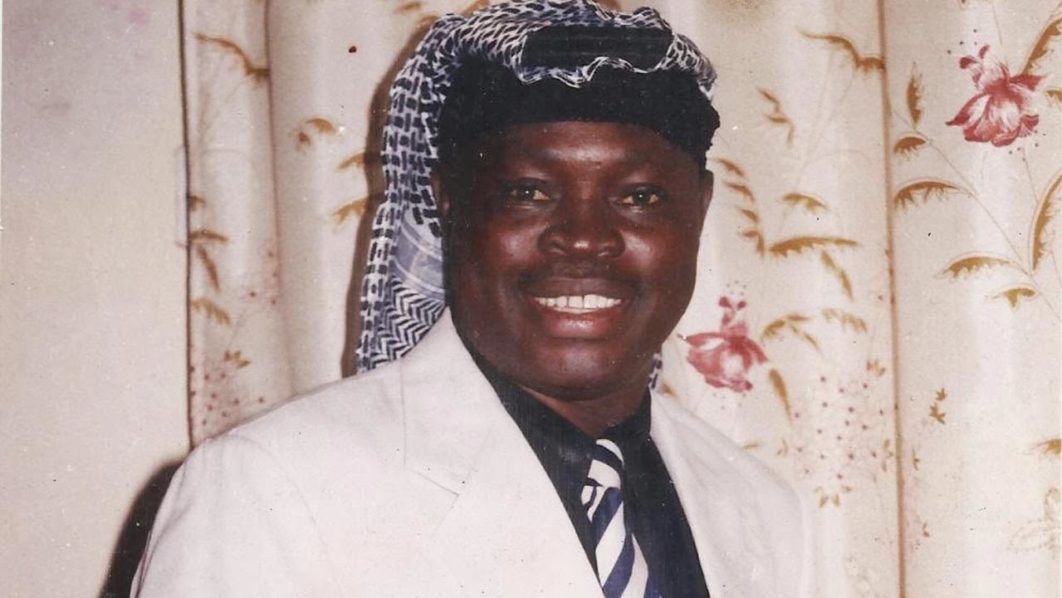
The Muslim Rights Concern (MURIC) has commended the Nigerian Army Headquarters and the commandant of Mogadishu Cantonment for reopening a mosque used by Muslim soldiers and their families in Abuja after a week-long closure.
The Islamic human rights organisation said the mosque, which serves Muslim personnel and their families residing in military accommodation within the cantonment, was reopened on Tuesday, October 20, following an appeal by the group.
MURIC’s Executive Director, Professor Ishaq Akintola, disclosed this in a press statement issued on Sunday, October 25, 2026, describing the reopening as a welcome development that demonstrated the importance of dialogue and cooperation in resolving religious concerns.
According to Akintola, the mosque had been closed since October 12, preventing Muslim soldiers and their families living within the military facility from using it for their daily prayers.
He said MURIC had earlier appealed to the Army Headquarters and the cantonment authorities to explain the reason for the closure and restore access to the mosque for worshippers.
The organisation expressed concern over the disruption of daily prayers and urged the military authorities to address the matter.
Akintola said the mosque’s reopening on October 20, the same day MURIC publicly raised the issue, brought relief to the organisation and affected worshippers.
READ ALSO:
- Atiku Condemns Attack on Edo Comedian Over Refusal to Support Tinubu
- US Declares Two Nigerians Wanted Over $3.1m Medicare Fraud, Drug Offences
- Tibet in Mourning: 7.0 Quake Kills 16, Injures 76 as Rescue Teams Race Against Time in Nagqu
He described the development as an indication that concerns raised through dialogue and peaceful engagement could receive prompt attention from relevant authorities.
MURIC said it appreciated the response of the Army Headquarters and the cantonment commandant, praising what it described as the professionalism of the military leadership and its respect for the rule of law.
The organisation also expressed optimism that the resolution of the matter would strengthen public confidence in the military and encourage constructive engagement between religious communities and security institutions.
According to Akintola, cooperation between the military and Muslim communities is particularly important in addressing terrorism, insurgency and other security challenges facing the country.
He argued that mutual understanding and goodwill between the armed forces and civilians would help strengthen collective efforts to combat insecurity.
MURIC therefore urged Muslims across Nigeria to cooperate fully with military personnel and other security agencies, stressing the importance of public support in the fight against crime and insurgency.
The organisation maintained that peaceful engagement remained essential to resolving disagreements and preventing issues involving religious practice from escalating into wider disputes.
Although MURIC welcomed the reopening of the mosque, its statement did not disclose the reason for the initial closure or whether the Army Headquarters had issued a separate explanation.
The development followed MURIC’s earlier public appeal to the military authorities to explain the closure and reopen the facility.
The organisation’s latest statement focused on appreciating the authorities for restoring access to the mosque and encouraging continued cooperation between Muslims and the military.
MURIC, which advocates the protection of Muslim rights and promotes dialogue as an alternative to violence, said the outcome offered encouragement that concerns could be addressed through peaceful and constructive engagement.
The organisation concluded by urging Nigerians to support security agencies in their efforts to maintain peace and reduce crime across the country.
MURIC Applauds Army as Mogadishu Cantonment Mosque Reopens After Week-Long Closure
metro
US Declares Two Nigerians Wanted Over $3.1m Medicare Fraud, Drug Offences
US Declares Two Nigerians Wanted Over $3.1m Medicare Fraud, Drug Offences
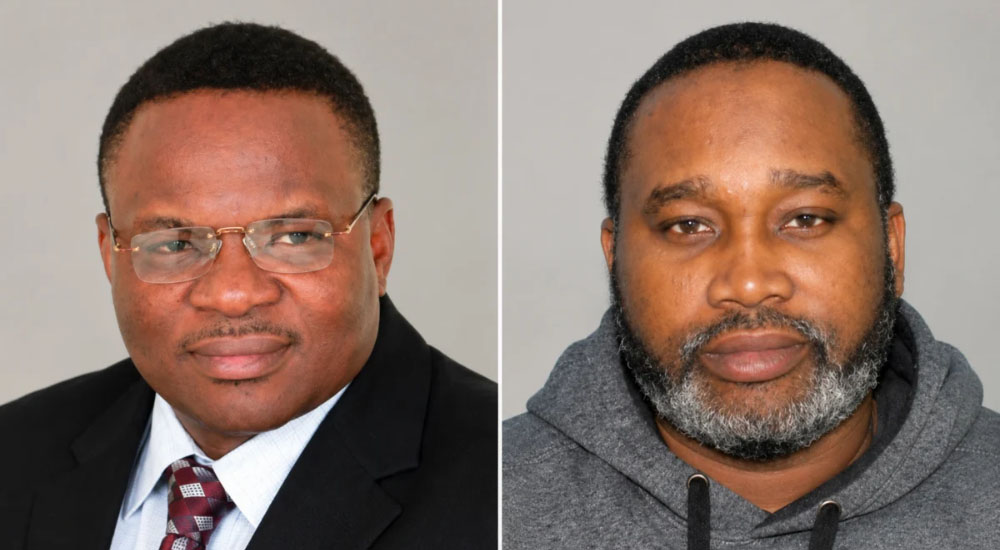
The United States government has listed two Nigerian men, Ezechukwu Joshua Ohaka and Tayo Muyiwa Olukoya, as wanted over separate allegations involving healthcare fraud and drug-related offences.
The two men were listed by different US federal law enforcement agencies, with Ohaka accused of participating in a scheme involving more than $3.1 million in fraudulent Medicare claims, while Olukoya is wanted over an alleged conspiracy to distribute controlled substances.
According to information released by the US Department of Health and Human Services Office of Inspector General, Ohaka, 57, allegedly worked with co-conspirators through his Houston-based company, Luant & Odera, Inc., to submit fraudulent claims for durable medical equipment.
The equipment included power wheelchairs, motorised scooters and wheelchair accessories that investigators alleged were medically unnecessary or were not supplied to beneficiaries.
The agency said the alleged scheme involved more than $3.1 million in claims, with approximately $1.08 million in proceeds reportedly obtained.
READ ALSO:
- Tibet in Mourning: 7.0 Quake Kills 16, Injures 76 as Rescue Teams Race Against Time in Nagqu
- Tope Alabi Threatens Pastor With Lawsuit Over Toluwanisings’ Death Claims
- Borno: Troops Kill 15 Terrorists in Midnight Air Strike
Investigators also alleged that Ohaka presented himself as a medical doctor under the name “Dr Joshua Ohaka” and targeted Medicare beneficiaries who had lived in areas affected by hurricanes Katrina and Rita.
The authorities further alleged that kickbacks were paid to recruit beneficiaries into the scheme.
The allegations concern possible fraud against Medicare, the US government-funded health insurance programme that primarily serves people aged 65 and older and certain younger people with qualifying disabilities or medical conditions.
In a separate case, the US Drug Enforcement Administration (DEA) listed Olukoya, 57, also known as “Uncle”, as wanted over an alleged conspiracy to possess controlled substances with the intention of distributing them and to distribute the substances.
The DEA’s Chicago Division announced that it was seeking information about Olukoya, whose case is associated with the Southern District of Indiana.
Olukoya had previously been named among defendants in a marijuana trafficking case announced by the US Attorney’s Office for the Southern District of Indiana in May 2022. Prosecutors at the time alleged that the wider operation involved the distribution of large quantities of marijuana across several US states between 2016 and 2022.
However, the latest DEA wanted notice does not, by itself, establish that the allegations have been proven in court.
The two cases involve separate investigations, and there is no indication in the available reports that Ohaka and Olukoya were connected.
US authorities have called for information that could help locate the wanted men. The agencies have not established in the cited announcements that either man is currently in Nigeria.
The development comes amid continued efforts by US law enforcement agencies to pursue people accused of healthcare fraud, drug trafficking and other federal offences.
Both men are presumed innocent unless proven guilty in court.
US Declares Two Nigerians Wanted Over $3.1m Medicare Fraud, Drug Offences
metro
Borno: Troops Kill 15 Terrorists in Midnight Air Strike
Borno: Troops Kill 15 Terrorists in Midnight Air Strike
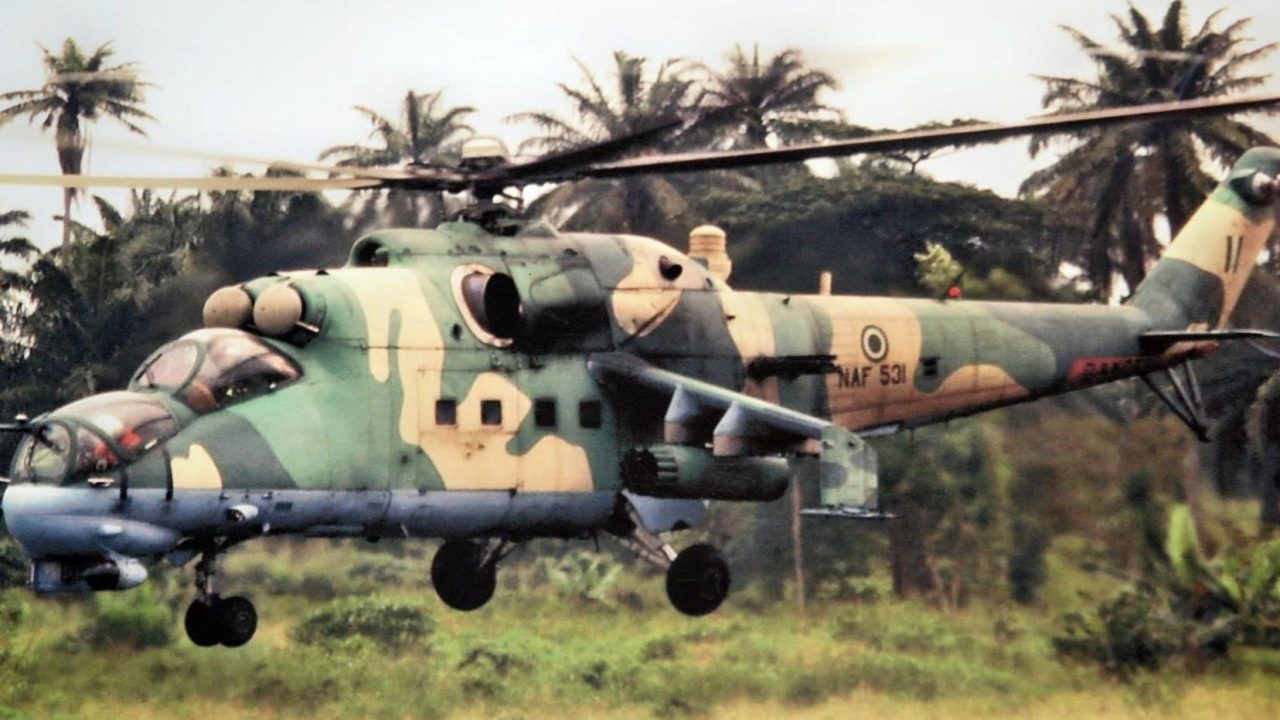
Nigerian troops under Operation Hadin Kai have reportedly killed 15 terrorists in a precision air strike near Pulka in Gwoza Local Government Area of Borno State, as the military intensifies operations against insurgent groups in the North-East.
The operation, which took place at about 11:50 p.m. on Friday, October 23, 2026, followed intelligence reports and confirmed sightings of suspected terrorist movements in the area, according to the military.
The Acting Military Information Officer of the Joint Task Force (North-East), Operation Hadin Kai, Captain Mohammed Goni, disclosed the development in a statement issued on Saturday, October 24.
Goni said the air strike targeted suspected terrorists operating north-west of Pulka, a community in Gwoza Local Government Area, which has been affected by the prolonged insurgency in Borno State.
He explained that the operation was intelligence-led, with information gathered by security agencies helping to identify the suspected movements before the military launched the strike.
According to the statement, the air operation was followed by ground operations aimed at exploiting the targeted area and consolidating the gains recorded during the engagement.
The military said the combined deployment of intelligence and coordinated military capabilities was intended to disrupt terrorist movements, weaken their operational capacity and prevent them from threatening communities across the North-East.
Goni described the operation as part of the sustained offensive posture of troops under Operation Hadin Kai, which continues to target insurgent elements and restrict their freedom of movement across the region.
READ ALSO:
- 2027: APGA Chairman Says South-East Must Back Tinubu to Secure Igbo Presidency
- Adeleke, Oyetola in Focus as Report Reveals Osun APC Power-Sharing Plan
- Police Rescue Two Abducted Children in Suleja, Arrest Woman For Cutting Husband’s Manhood
He said the Theatre Command remained committed to defeating terrorism and insurgency, protecting law-abiding citizens and creating conditions for the return of normalcy and socio-economic activities in affected communities.
The military also assured residents that troops would sustain ongoing operations with vigilance, determination and professionalism.
However, the statement did not identify the terrorist group involved in the latest encounter or provide details about the identities of those reportedly killed. It also did not disclose whether any civilians or military personnel were injured or killed during the operation.
The military urged residents to continue providing security agencies with timely and credible information about suspicious movements and activities, stressing that cooperation between civilians and security forces remained essential to achieving lasting peace in the North-East.
The latest operation adds to the ongoing military campaign against insurgency in Borno State, where security forces continue to conduct offensive operations aimed at weakening armed groups and improving security in vulnerable communities.
Although the military described the strike as an operational success, further details about the outcome of the subsequent ground operations were not immediately available.
Borno: Troops Kill 15 Terrorists in Midnight Air Strike
-
 metro3 days ago
Police Arrest Man Over Fake Presidency Number Plate in Abuja
-
 International3 days ago
Two Killed, Eight Injured as Attack Hits Saudi Arabia Airport
-

 News1 day ago
EFCC Opens Recruitment for Nigerians, Sets Age Limits for Four Job Categories
-
 metro3 days ago
Woman Arrested for Torching Ex-Boyfriend’s Home in Fit of Jealous Rage
-
 Opinion3 days ago
Saudi Executions: Truth Behind Viral Kissing Claim
-
 Politics3 days ago
‘People Are Hungry’ Is Not a Manifesto, Nya-Etok Tells Atiku, Obi
-
 News1 day ago
41 Days in Bandits’ Den: Five Islamic Clerics Still Held After Tinubu Re-Election Prayer Trip
-

 News3 days ago
FG Moves Against Filling Stations Short-Changing Nigerians With False Measurements