
International
Los Angeles wildfires: Five die as wildfire sweeps through California (photos)
Los Angeles wildfires: Five die as wildfire sweeps through California (photos)
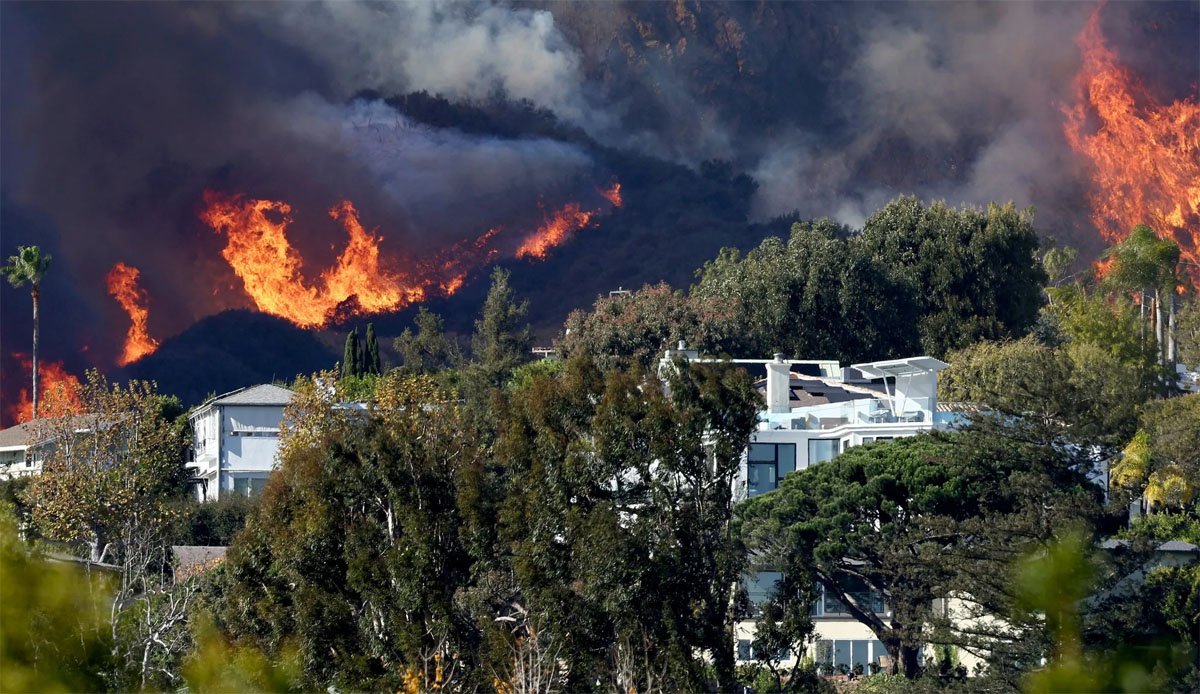
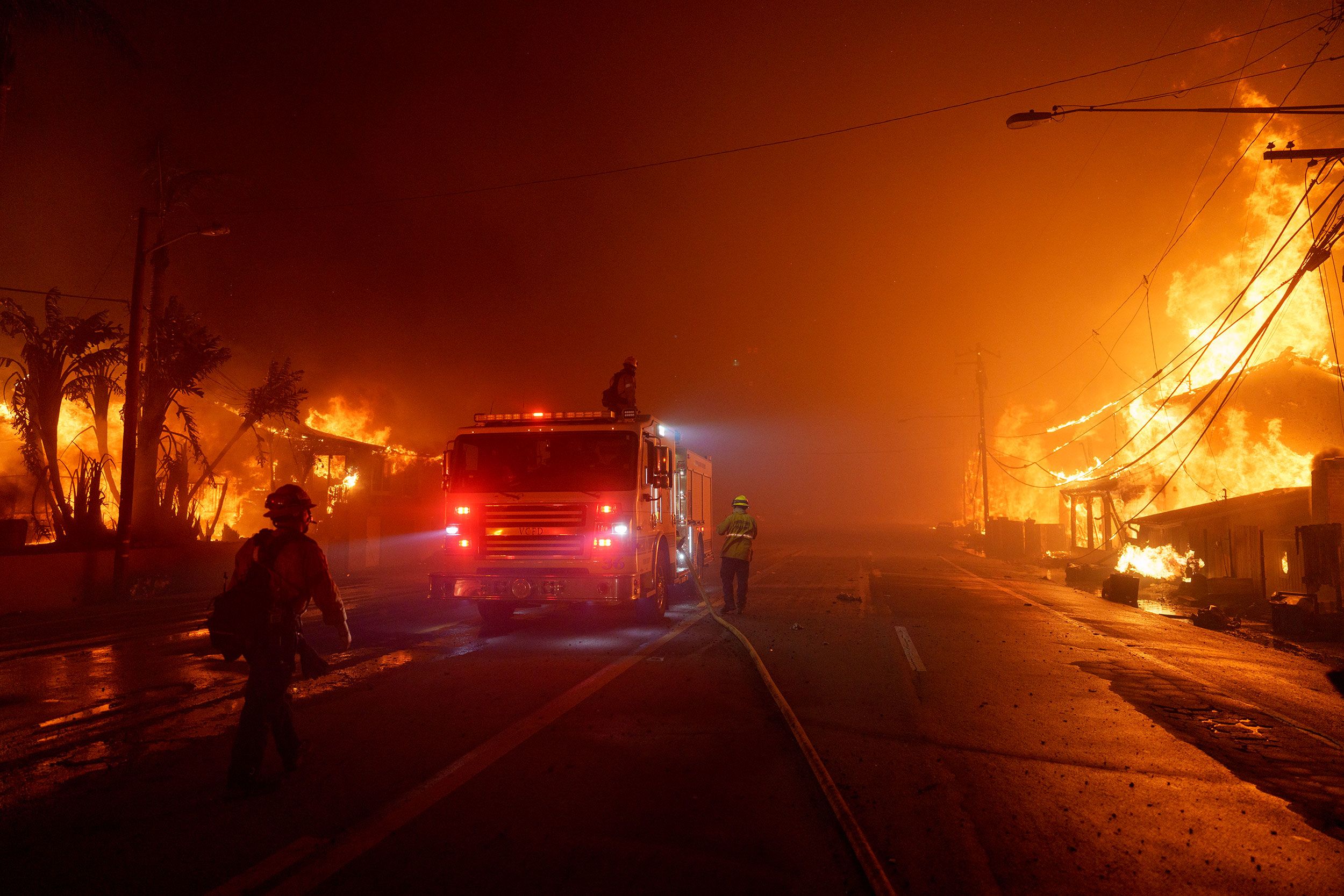
Firefighters in Los Angeles, US, are battling several blazes in the city’s suburbs, prompting the mandatory evacuation of more than 80,000 people.
 The fires were sparked by a combination of dry conditions and powerful winds. Currently, authorities say there is no possibility of bringing some of the fires under control.
More than 2,000 structures have been burnt with 80,000 residents under evacuation orders. At least five people have also been k!lled in the fire.
According to BBC, seven fires are currently being tackled;
The Palisades fire was first reported at 10:30 (18:30 GMT) on Tuesday and grew in just 20 minutes from a blaze of 20 acres to more than 200 acres, and by Wednesday night was approaching 16,000 acres. At least 30,000 people have so far been ordered to leave their homes.
The Eaton fire grew to cover 1,000 acres within the first six hours of breaking out. It started in Altadena in the hills above Pasadena at around 18:30 local time on Tuesday. By Wednesday night, January 8, five deaths had been reported and it had spread to more than 10,000 acres.
 READ ALSO:
- Tinubu orders probe into ISWAP attack on Borno military base
- Nigeria is not working, says Igboho, calls for separation
- Cross River commissioner dies after attending exco meeting
The Hurst fire is located just north of San Fernando. It began burning on Tuesday at around 22:10 local time, growing to 850 acres, according to local officials. It has triggered evacuation orders in neighbouring Santa Clarita.
The Woodley fire broke out in Woodley Park at approximately 06:15 local time on Wednesday. The LA Fire Department (LAFD) says it has now been contained.
An Olivas fire erupted in Ventura County, northwest of Los Angeles, and was burning across about 11 acres of land, though has also now been contained.
 The Lidia fire broke out at around 14:00 on Wednesday in the mountainous Acton area north of Los Angeles and grew to cover almost 350 acres. As of 21:00, it had been 40% contained.
The Sunset fire broke out at around 18:00 in the Hollywood Hills, a residential neighbourhood overlooking the historic Hollywood area of the city. It currently covers around 50 acres and is 0% contained. A mandatory evacuation order is in place.
Many Hollywood stars including Ben Affleck, Paris Hilton, Adam Brody, Eugene Levy, Miles Teller Leighton Meester, Anna Faris, Billy Crystal, and many more have been forced to evacuate their mansions which have been destroyed by the fire.
Los Angeles wildfires: Five die as wildfire sweeps through California (photos)






International
Strait of Hormuz Crisis: Trump Says Talks With Iran Advancing Toward Settlement
Strait of Hormuz Crisis: Trump Says Talks With Iran Advancing Toward Settlement
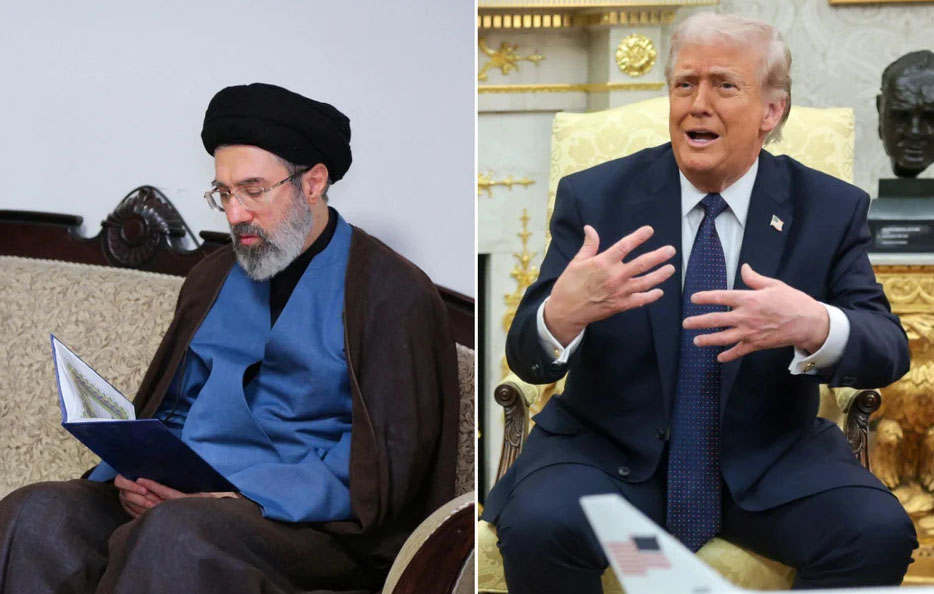
United States President Donald Trump has confirmed that Washington and Tehran are engaged in negotiations aimed at ending the three-week-old conflict in the Middle East, marking the first acknowledgment of high-level contact since the war began on February 28.
Trump said both sides have held two days of what he described as “very good and productive conversations,” adding that discussions would continue throughout the week, including scheduled phone engagements. He indicated that the talks are part of a broader effort toward what he called a “complete and total resolution of hostilities” between the two countries.
According to the US President, the negotiations are not limited to ending the war but also include efforts to address the reopening of the strategic Strait of Hormuz, a critical global shipping route that carries a significant share of the world’s crude oil supply. The waterway has been heavily affected by the ongoing conflict, with disruptions contributing to volatility in global energy markets.
Trump revealed that he had instructed the Pentagon to delay planned strikes on Iranian energy infrastructure for five days, subject to the success of the ongoing discussions. He described the pause as an opportunity to allow diplomatic efforts to progress while avoiding further escalation.
The announcement has had immediate economic implications, with global markets reacting positively to the possibility of de-escalation. Oil prices dropped sharply following the news, while stock markets recorded gains as investors responded to signs that tensions may ease and shipping routes could stabilize.
READ ALSO:
- Iran Denies US Talks as Trump Claims Progress on War Resolution
- Beijing Warns Military Force Could Worsen Hormuz Crisis
- NDDC Opens Applications for 2026/2027 Foreign Postgraduate Scholarship Programme
Trump also noted that the United States had previously issued a 48-hour warning to Iran to reopen the Strait of Hormuz or face possible military action targeting its power infrastructure. The deadline was set to expire before the postponement was announced.
Despite the optimism expressed by the US President, Iranian officials have strongly rejected the characterization of ongoing negotiations. The Iranian Foreign Ministry, through statements reported by state-linked outlets including the semiofficial Mehr News Agency, insisted that no direct talks are taking place between Tehran and Washington.
Iranian officials have maintained that any efforts to resolve the conflict must begin with the cessation of US and allied military actions. They have also outlined conditions that include guarantees against future attacks and compensation for damages—terms that remain significant obstacles to any potential agreement.
Iranian Foreign Ministry spokesperson Esmaeil Baqaei reiterated that Tehran’s position has not changed, emphasizing that regional intermediaries may be involved in de-escalation efforts, but no formal negotiations with the United States are underway.
The conflicting narratives highlight ongoing uncertainty in the diplomatic landscape, even as regional and international actors push for a resolution to prevent further escalation. Countries such as Oman have been actively working behind the scenes to facilitate dialogue and ensure safe passage through the Strait of Hormuz, while European leaders have also expressed support for renewed diplomatic engagement.
Beyond the geopolitical implications, the crisis continues to impact global oil supply chains, inflation, and fuel prices. Analysts warn that sustained disruptions in the Strait of Hormuz could push oil prices significantly higher if shipping routes are not restored in the near term.
The situation also remains complex due to broader strategic concerns, including Iran’s nuclear program and regional military dynamics. While Trump indicated that discussions include nuclear-related issues, no formal agreement has been confirmed, and both sides continue to present differing accounts of the status of talks.
For now, the temporary pause in military action and the continuation of discussions offer a cautious window for diplomacy, though analysts and observers remain divided on whether the current momentum will lead to a lasting breakthrough or further escalation.
Strait of Hormuz Crisis: Trump Says Talks With Iran Advancing Toward Settlement
International
Iran Denies US Talks as Trump Claims Progress on War Resolution
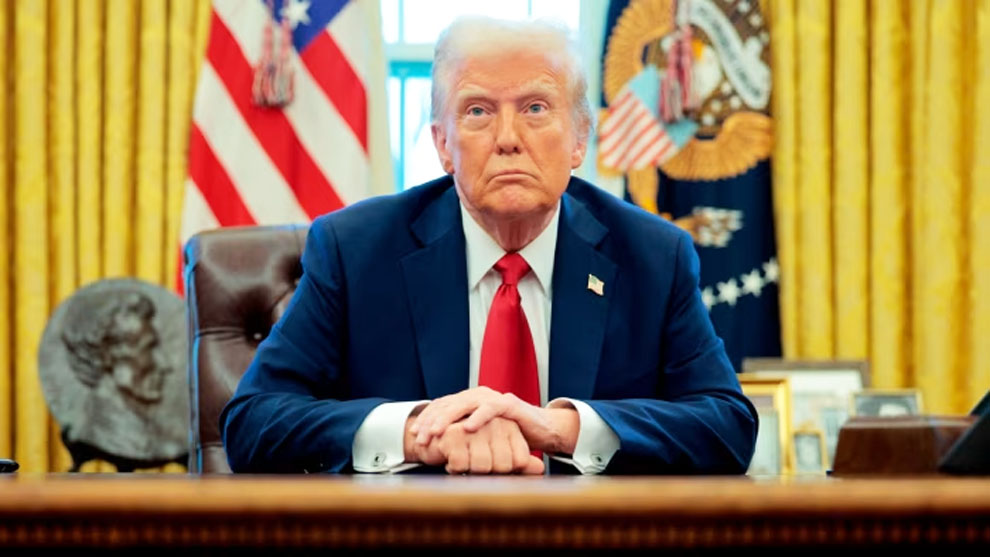
Iran Denies US Talks as Trump Claims Progress on War Resolution
Iran has firmly denied any ongoing negotiations with the United States, countering recent statements by US President Donald Trump that suggested “productive conversations” were underway to end hostilities in the Middle East and reopen the strategic Strait of Hormuz shipping route.
Iranian state-linked media, including the Mehr News Agency, quoted the country’s Foreign Ministry as saying there are no talks between Tehran and Washington, dismissing Trump’s claims as misleading and suggesting they were aimed at influencing global energy markets. Other Iranian outlets reported similar positions, reinforcing Tehran’s consistent stance that no direct diplomatic engagement is currently taking place with the US.
The denial follows Trump’s public remarks indicating that Washington and Tehran had engaged in discussions over the past two days toward what he described as a “complete and total resolution” of ongoing tensions. He further stated that he had instructed the Pentagon to delay military strikes on Iranian power and energy infrastructure for a limited period, contingent on the continuation of talks.
Trump also claimed that both sides would continue discussions throughout the week, signaling what he presented as a potential diplomatic opening amid escalating tensions. His comments reportedly contributed to a sharp movement in global oil prices, reflecting market sensitivity to developments around the Strait of Hormuz, a critical global oil transit chokepoint.
READ ALSO:
- Beijing Warns Military Force Could Worsen Hormuz Crisis
- NDDC Opens Applications for 2026/2027 Foreign Postgraduate Scholarship Programme
- Mock UTME 2026: JAMB Warns No-Show Candidates, Extends Exam Duration to Four Hours
However, Iran’s response has highlighted a widening gap in narratives between the two sides. Tehran maintains that no direct negotiations are underway and has repeatedly emphasized that it will not engage in talks under pressure or coercion. Iranian officials have instead accused the US of attempting to shape public perception and global economic conditions through such announcements.
The dispute comes at a time of heightened geopolitical strain in the Middle East, where tensions surrounding the Strait of Hormuz—through which a significant portion of the world’s crude oil passes—have raised concerns over potential disruptions to international shipping and global energy supply chains.
Earlier developments in the crisis included warnings and threats exchanged between both sides, with Iran previously indicating it could take defensive measures in response to external military pressure, while the United States signaled readiness to act if strategic interests in the region were threatened.
The conflicting statements from Washington and Tehran underscore the fragility of the current situation and the uncertainty surrounding any diplomatic engagement. While Trump’s remarks suggest possible backchannel or indirect communication, Iranian authorities continue to reject the existence of formal negotiations, leaving global observers cautious about interpreting the true state of relations.
As tensions persist, international stakeholders continue to monitor the situation closely, given the potential impact on global oil prices, maritime security, and overall economic stability.
Iran Denies US Talks as Trump Claims Progress on War Resolution
International
Beijing Warns Military Force Could Worsen Hormuz Crisis
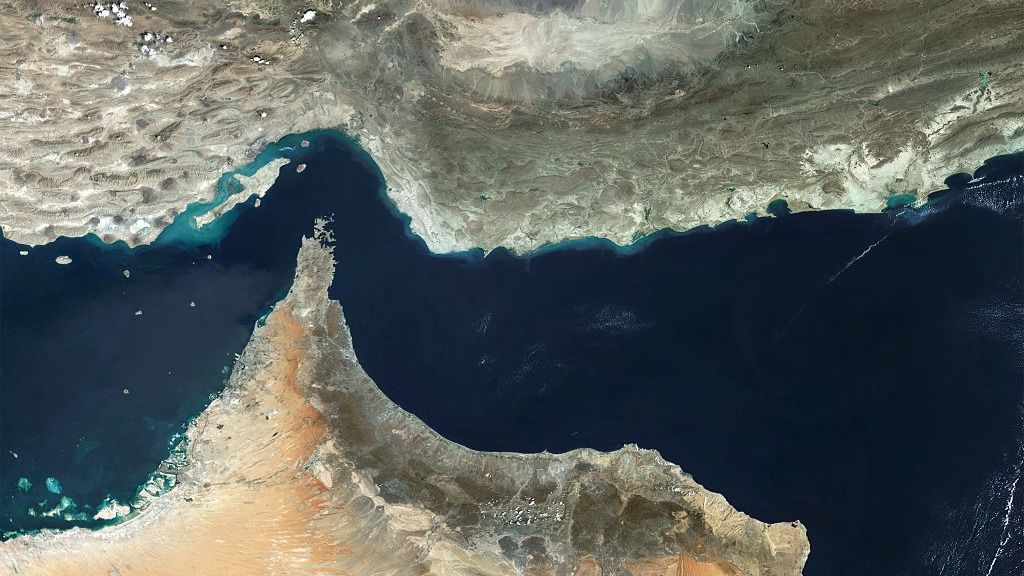
Beijing Warns Military Force Could Worsen Hormuz Crisis
The Chinese Government has warned that any attempt to use force to compel the reopening of the Strait of Hormuz would only deepen tensions and trigger a dangerous cycle of escalation, as geopolitical pressure continues to mount in the Middle East.
Speaking at a regular press briefing in Beijing, spokesperson of the Chinese Foreign Ministry, Lin Jian, stressed that military pressure is not a viable solution to the ongoing crisis, insisting that diplomacy remains the only sustainable path forward.
Lin made the remarks while responding to questions linked to a reported ultimatum issued by Donald Trump, the United States President, who allegedly demanded that Iran reopen the strategic waterway for shipping within 48 hours or face possible military action targeting its infrastructure.
According to Lin, the situation in the Middle East is already spreading beyond its initial boundaries, raising fears of wider regional instability. He warned that continued escalation could push the region into deeper chaos, with far-reaching consequences for global peace, energy security, and economic stability.
READ ALSO:
- NDDC Opens Applications for 2026/2027 Foreign Postgraduate Scholarship Programme
- Mock UTME 2026: JAMB Warns No-Show Candidates, Extends Exam Duration to Four Hours
- Court Jails Ex-Acting Accountant-General 72 Years Over N868m Fraud
“Force will only lead to a vicious circle,” Lin said, reiterating China’s position that all parties involved must immediately halt military operations, return to dialogue, and avoid further actions that could intensify the conflict.
He emphasized that the ongoing tensions have already begun to affect global energy flows and international trade, noting that disruptions in such a critical maritime route could have significant implications for global markets and supply chains.
The Chinese Foreign Ministry spokesperson further urged all sides to exercise restraint, avoid provocative actions, and prioritize negotiation over confrontation. He added that China is maintaining communication with relevant parties to support efforts aimed at de-escalation.
Lin also highlighted concerns about the broader economic impact of the crisis, including its potential to disrupt commodity supply chains such as fertilizers, which could affect several Asian economies. He called on countries involved to take immediate steps to stabilize the situation and prevent further damage to global economic growth.
Additionally, China reiterated its call for the protection of its nationals, assets, and shipping interests in the region. It urged all parties to ensure the safe passage of commercial vessels navigating through the Strait of Hormuz, a vital chokepoint for global oil and trade routes.
Beijing reaffirmed its long-standing stance that disputes should be resolved through peaceful means, warning that continued hostilities would not only worsen the current crisis but also threaten broader international stability.
Beijing Warns Military Force Could Worsen Hormuz Crisis

-

 metro2 days ago
Ozoro Festival Controversy: 15 Suspects Arrested, Community Denies Rape Claims
-

 Entertainment1 day ago
Baba Ijesha Speaks Out After Prison Release, Denies Sexual Assault Conviction
-

 metro1 day ago
Over 150 Bandits Reportedly Die in Sokoto Water Accident
-
metro3 days ago
Festival of Fertility: FG Orders Arrest, Promises Justice for Victims
-

 metro3 days ago
Nigerian Woman, Children Die in US Road Accident
-

 metro2 days ago
Shock as Governor Oborevwori’s Aide Collapses, Dies at Event
-
 News2 days ago
US Deploys MQ-9 Drones, 200 Troops to Support Nigeria’s Counterinsurgency Efforts
-

 Entertainment1 day ago
Abiodun Ayoyinka Rebrands as Bondu Alaska Amid Papa Ajasco Identity and Brand Dispute