

metro
Makinde Vows to Rescue Oyo Abducted Pupils, Declares ‘Oyo Is Not Chibok’

Makinde Vows to Rescue Oyo Abducted Pupils, Declares ‘Oyo Is Not Chibok’
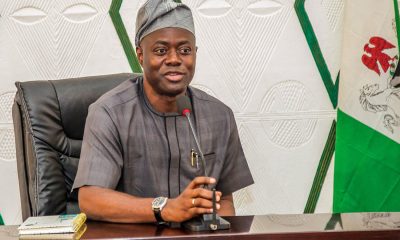
Oyo State Governor, Seyi Makinde, has assured concerned Nigerians that the 46 abducted pupils and teachers kidnapped from three schools in Oriire Local Government Area on May 15 will be rescued, declaring emphatically that the state will not experience a repeat of the 2014 Chibok tragedy. The governor made this pledge on Tuesday while addressing a passionate protest led by social media activist Martins Vincent Otse, popularly known as VeryDarkMan, who had gathered with demonstrators at Makinde’s private residence in Ibadan. The protesters demanded urgent action to end the rising insecurity and secure the immediate release of the hostages, whose whereabouts have remained unknown for over a month. The demonstration, which occurred more than four weeks after the initial abduction, was fueled by growing public frustration over the lack of transparent information regarding the welfare and location of the victims, with many Nigerians expressing concern that the situation was being allowed to fester without adequate government response.
Addressing the anxious crowd, Governor Makinde drew a firm line between the current situation and the infamous Chibok schoolgirls kidnapping of April 2014, when Boko Haram terrorists abducted over 200 girls from a secondary school in Borno State, many of whom remain missing to this day. He stated emphatically, “First, let me make it very clear, Oyo State is not Chibok and it will not be Chibok. We have lost men, soldiers and even officers. I can confirm to you that a lieutenant in the Nigerian Army was killed a few days ago. This is Oyo State. They know that this is not Chibok and that our children will never be in the same situation as the Chibok children. We are doing everything possible.” The governor’s reference to the Chibok tragedy served to reassure anxious parents and citizens that his administration was approaching the matter with the urgency and seriousness it deserved, while also acknowledging the painful history of mass abductions in Nigeria that have often ended in prolonged captivity or tragedy.
The governor disclosed that the rescue mission has already exacted a significant toll on security personnel, revealing that a Nigerian Army lieutenant lost his life just days ago during ongoing efforts to locate and free the captives. Additionally, one of the abducted teachers, identified as Michael Oyedokun, has been killed, further underscoring the dangerous nature of the operation. In a related revelation, Governor Makinde noted that the state’s security outfit, the Amotekun Corps, has paid an enormous price in the broader fight against insecurity in the region. According to the governor, over 200 Amotekun operatives have lost their lives in the line of duty, a staggering figure that highlights the grave security challenges facing the state and the sacrifices being made by local security personnel who operate with limited resources and inadequate armament. These revelations provided context for the protesters, demonstrating that the government and security agencies were not idle but were actively engaged in dangerous operations that have already claimed significant lives.
READ ALSO:
- NLC, TUC Demand New Minimum Wage as Inflation Bites
- Gunmen Kill Two Soldiers, Police Officer in Plateau Midnight Raid
- Emeka Ike Files N10bn Lawsuit Against INEC, Wike’s Aide Over Voter Data Leak

Governor Seyi Makinde of Oyo State (on red fazcap); Martins Vincent Otse, popularly known as VeryDarkMan (left) and others, protesting over the abduction of Teachers and pupils in Orire Local Government area, at the governor private residence in Ibadan, yesterday
In a deeply emotional moment that moved many in the crowd, Governor Makinde declared his willingness to make the ultimate sacrifice if it would guarantee the safe return of the abducted children, who range from nursery to primary school age. He stated, “If you ask me whether I can sacrifice myself for those children to come out, I will do it. I have lived a good life. I am almost sixty. It doesn’t matter. My own father died at 76. But if there is a potential for needless loss of lives, we will avoid losing more. But if we get to the point that certain people have to be sacrificed, including myself, we will do it.” The governor emphasized that the young age of the victims – most being nursery and primary schoolchildren – makes the operation particularly sensitive and complex. He explained that these are children “who cannot even run or do anything for themselves,” requiring a careful and specialized approach to avoid casualties, as any aggressive military action could potentially endanger the very lives they are trying to save. This acknowledgment of the delicate nature of the rescue operation demonstrated the governor’s understanding of the unique challenges posed by this particular abduction, which is unprecedented in Nigeria for targeting such young children.
Governor Makinde revealed that authorities have been in communication with the abductors, though he expressed strong reservations about negotiating with criminals. He stressed that negotiating with bandits would amount to surrendering the state’s sovereignty, but acknowledged that the unique circumstances of this case have compelled the government to adopt a more flexible stance. He explained, “They are talking to us. It is not something I would normally do. If the government starts negotiating with bandits, it means we are surrendering our sovereignty to the bandits. But in this special situation, if we want those children alive, we have to bend backwards. Once the children are out, I give you the assurance that it will not occur again in Oyo State.” The governor gave his word that the children and teachers remain alive, stating, “I can tell you that there is no information that any of those children or their teachers have died as of today.” This delicate balancing act between maintaining state authority and ensuring the safe return of the hostages reflects the difficult choices facing the government, as any misstep could either encourage future abductions or result in the loss of innocent lives.
In a frank admission that shed light on the structural challenges facing state governments, Governor Makinde addressed the constitutional limitations that constrain state governments in matters of security. He noted that while security is one of the cardinal principles of his administration, he has no direct authority to deploy the Commissioner of Police or military personnel without federal approval. He stated, “I will not shift blame, but our reality is that the state government is not in charge of the security agencies. As the Governor of Oyo State, I am not in charge. The CP, I can call him, we can meet, but I cannot deploy him. If I say go to XYZ, he will need to get approval from the Inspector-General of Police. The same thing applies to the military.” This, he explained, was the driving force behind the establishment of the Amotekun security network, although he lamented that the corps remains inadequately armed to effectively combat the escalating threats. The governor’s candid acknowledgment of these limitations served to educate the public on the complexities of Nigeria’s security architecture, while also subtly calling for greater federal support and cooperation in addressing the crisis.
READ ALSO:
- Why I Have Not Resumed as Ambassador to Mexico — Reno Omokri
- FBI-Wanted Ezeego Extradited to US Over $7 Million International Fraud Scheme
- Abducted Kwara Monarch Dies in Captivity Despite N18m Ransom Payment
In a show of solidarity with the demonstrators that surprised many, Governor Makinde expressed his support for the protest, stating that such actions are essential for holding leaders accountable in a democratic society. He told the crowd, “I will tell you the truth and nothing but the truth. One, if I am not in government, I will be with you. I will also be protesting, assuming I am not the governor of Oyo State. I do not have anything against what you are doing to have a society where leaders are accountable and a society that is inclusive.” This unexpected endorsement from the governor appeared to diffuse some of the tension at the protest, as he positioned himself not as an adversary of the demonstrators but as a fellow citizen who shares their frustrations and aspirations for a better-governed society. The governor’s remarks also underscored the importance of civic engagement and peaceful protest in Nigeria’s democratic framework.
The victims were abducted on May 15 when armed gunmen attacked schools in Ahoro-Dada, Yawota, and Esiele communities in Oriire Local Government Area. The abductors are believed to have taken the hostages into the rugged terrain of the Old Oyo National Park, a sprawling area of approximately 2,500 square kilometres that poses significant operational challenges for security forces. The park’s dense vegetation, difficult terrain, and vast size make it an ideal hideout for criminal elements and complicate rescue efforts, as security operatives must navigate treacherous conditions while attempting to locate and extract the hostages without alerting the abductors. The victims include teachers and pupils, many of whom are of nursery and primary school age, making their prolonged captivity in such harsh conditions a matter of grave concern for their families and the broader public.
Governor Makinde assured the public that rescue efforts are ongoing and that all available resources are being deployed to ensure the safe return of the hostages. He urged calm while security operatives continue their work, stating that the government remains committed to bringing an end to the ordeal and that the children would be brought back alive. The governor’s assurances, while providing some measure of comfort, also highlighted the immense pressure on his administration to deliver a positive outcome in a situation that has captured national attention and drawn comparisons to some of Nigeria’s darkest moments in the fight against insurgency and banditry. As the rescue operation continues, the people of Oyo State and indeed all Nigerians await with bated breath for news of the safe return of the abducted pupils and teachers, hoping that Governor Makinde’s vow that “Oyo is not Chibok” will ultimately prove true.
Makinde Vows to Rescue Oyo Abducted Pupils, Declares ‘Oyo Is Not Chibok’









metro
Three Young Herders Killed, Two Missing in Plateau Attack
Three Young Herders Killed, Two Missing in Plateau Attack
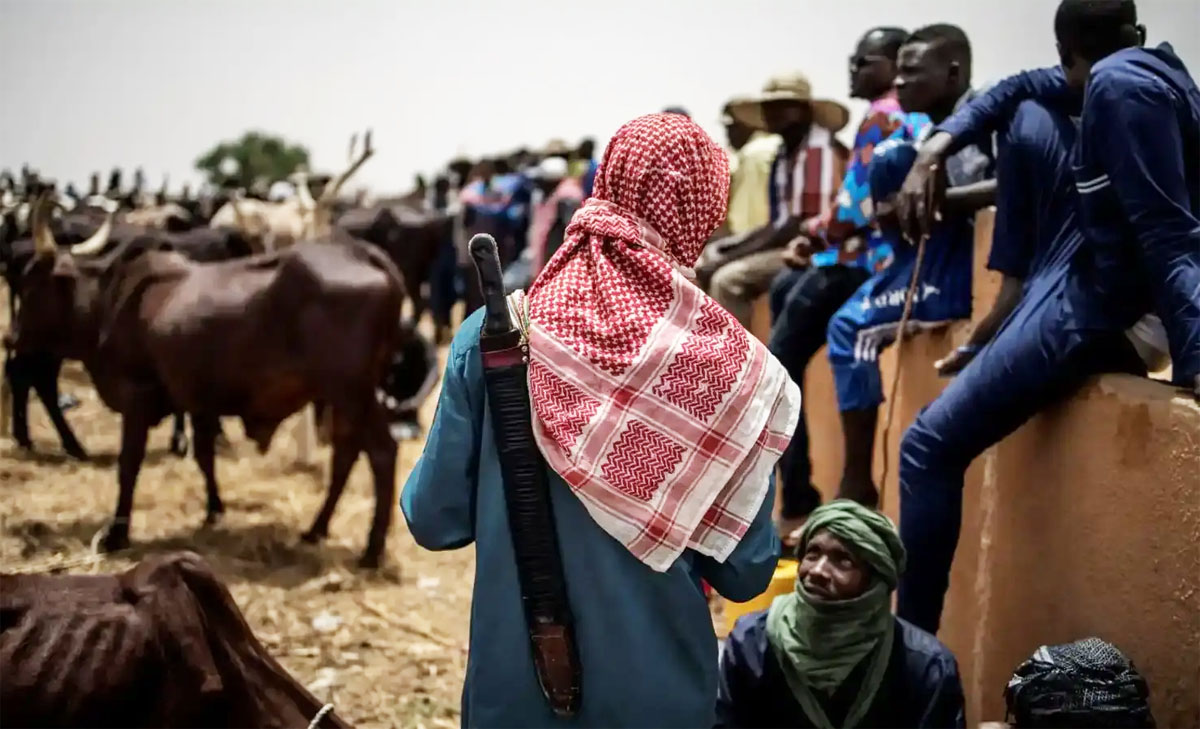
Three young herders have been killed and two others reported missing after suspected gunmen attacked a group tending cattle in the Aloghom area of Mangu Local Government Area, Plateau State.
The attack occurred on Saturday, September 12, 2026, in the Sabon Gari district of Mangu, an area that has experienced repeated incidents of violence involving farming and herding communities.
The victims were identified as Garzali Shaibu, 18; Bashiru Yakubu, 14; and Salim Abubakar, 15.
According to reports citing a military situation report, troops of Operation Enduring Peace were alerted after receiving information that herders grazing in the area had come under attack. Soldiers deployed from Sabon Gari subsequently moved to the location and recovered the bodies of the three victims.
Surviving members of the group reportedly told the troops that two other herders were unaccounted for, prompting efforts to establish their whereabouts.
The attack also resulted in significant losses of livestock. A situation report cited by security-focused publication Zagazola Makama put the number of cattle killed at 36, while 12 others were reportedly found with gunshot wounds. Community sources, however, estimated that about 50 cattle were killed in the attack.
The differing figures could not immediately be reconciled, but reports agree that the incident caused substantial losses of livestock belonging to the affected herding community.
Hashimu Yahaya, coordinator of the Fulbe Fulani Development Association in Mangu, identified the three victims and condemned the killings.
The Plateau State chairman of the Miyetti Allah Cattle Breeders Association of Nigeria (MACBAN), Ibrahim Yusuf Babayo, also condemned the attack and called for an investigation into the killings.
READ ALSO:
- JAMB Allows Candidates to Change Lost SIM, Email Addresses
- How Nigerians Can Get Federal High Court Affidavit Online Without Visiting Court
- Plateau Violence: Several Killed as Fresh Attacks Trigger Mass Exodus
Community representatives alleged that the attackers were members of a militia suspected to be operating in the area. That allegation has not been independently established, and the identities of the attackers and their motive remained under investigation.
There were also allegations that security personnel from another agency were present around the area during the incident but failed to intervene. The claim was reported as an allegation and had not been independently verified.
Security personnel reportedly recovered empty tear-gas canisters from the scene as troops intensified patrols and other operations in the area.
The military also warned against any attempt by members of the affected community to retaliate, amid concerns that the killings could trigger further violence between communities.
The latest incident came amid a fresh series of attacks in Plateau State, particularly in Mangu and neighbouring areas.
The state government subsequently condemned fresh attacks recorded in Mangu and a separate attack at Dungus Junction in Jos South Local Government Area, while urging residents to reject reprisals and cooperate with security agencies.
The violence has also occurred against the backdrop of efforts by security agencies and community stakeholders to mediate disputes between farmers and herders.
In Bokkos Local Government Area, for instance, troops of Operation Enduring Peace recently facilitated a settlement between farmers and herders after farms in Dambwash, Danbukor and Fokko were reportedly destroyed. Under the agreement, affected herders paid N4.5 million in compensation to 38 farmers, according to reports citing the military situation report.
Despite such interventions, recurring attacks continue to raise concerns over the security of farming and herding communities in Plateau.
The three slain herders were later buried in Mangu following funeral prayers at the Mangu Central Mosque, with community leaders using the occasion to appeal for calm and government action. Security personnel present at the burial reportedly urged residents to allow investigations into the killings to continue and avoid retaliatory attacks.
The killings have renewed concerns about the vulnerability of young people involved in livestock production and the wider impact of prolonged insecurity on livelihoods in Plateau.
For residents of Mangu and surrounding communities, the immediate concern remains preventing the incident from triggering another cycle of reprisal violence, while security agencies face pressure to identify those responsible, establish the fate of the two missing herders and strengthen protection for communities at risk.
Authorities have not publicly established the identities of the perpetrators, and investigations into the circumstances surrounding the attack remain ongoing.
Three Young Herders Killed, Two Missing in Plateau Attack
metro
EFCC Opens Mambilla Probe as Atiku, Malami, Others Named in ICC Arbitration Award
EFCC Opens Mambilla Probe as Atiku, Malami, Others Named in ICC Arbitration Award
The Economic and Financial Crimes Commission (EFCC) has reportedly constituted a special investigative team to examine alleged questionable transactions and dealings connected to the long-running Mambilla Hydroelectric Power Project, following a major International Chamber of Commerce (ICC) arbitration ruling involving Nigeria and Sunrise Power and Transmission Company Limited.
The development comes days after an ICC tribunal ruled in favour of the Federal Government of Nigeria, rejecting claims brought by Sunrise Power and its promoter, Leno Adesanya, over the controversial power project.
The reported EFCC investigation is expected to examine transactions and allegations arising from the 616-page arbitration award.
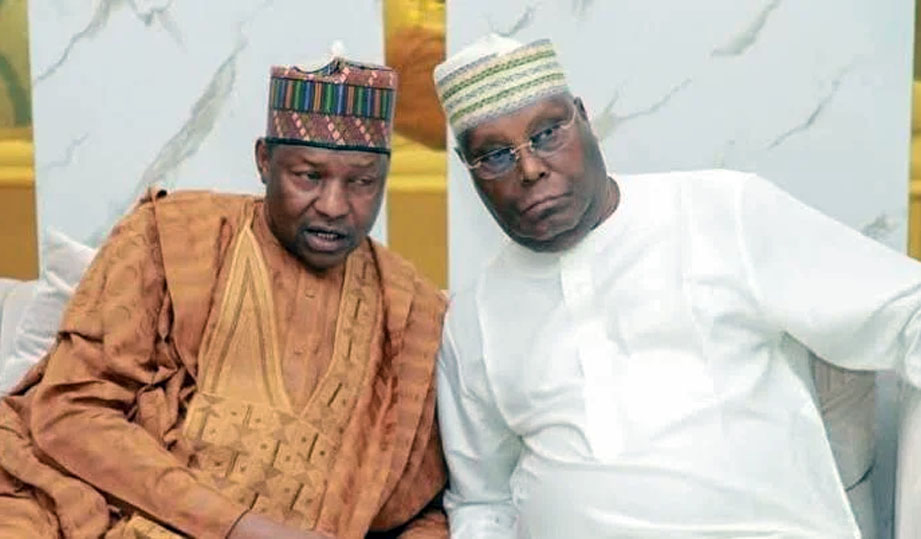
Among the individuals named or discussed in the tribunal proceedings are former Vice-President Atiku Abubakar, his former wife Jennifer Douglas Abubakar, former Attorney-General of the Federation Abubakar Malami, former Minister of Power and Steel Olu Agunloye, former National Security Adviser Sambo Dasuki, his son Abubakar Dasuki, former Solicitor-General of the Federation Abdullahi Yola, and former Permanent Secretary in the Ministry of Power Dere Awosika.
The appearance of a person’s name in the arbitration award does not, however, establish criminal liability. The reported EFCC investigation is a separate process through which allegations and financial transactions may be examined under Nigerian law.
The ICC tribunal rejected Sunrise Power’s claims against Nigeria, including a demand linked to an earlier settlement agreement. The tribunal also ordered Sunrise and Adesanya to reimburse Nigeria about $11.8 million in legal fees and expenses.
The arbitration was connected to the disputed Mambilla Power Project in Taraba State, which has been the subject of legal and contractual disagreements for more than two decades.
One of the transactions examined by the tribunal was a $500,000 payment made by Adesanya in January 2003 from an account associated with his offshore company, China Castle Investments Ltd, to a United States bank account belonging to Jennifer Douglas Abubakar.
READ ALSO:
- Jetour T1 Storms Abuja as Automaker Accelerates Nigeria Expansion
- Kidnapped Female Police Officer Found Dead in Ebonyi as Suspect Leads Police to Remains
- CNN, MS NOW, Politico Sue Trump Over White House Access Ban
According to the tribunal findings, Adesanya said the payment was connected to a foreign-exchange transaction undertaken for Atiku through his bureau de change business.
The tribunal, however, said the explanation was not supported by sufficient documentary evidence. It noted that records establishing the underlying naira payment, exchange rate, instructions or other documentation corroborating the explanation were not produced.
The tribunal described the circumstances surrounding the transaction as raising significant questions, particularly because of its timing and Adesanya’s efforts to secure the Mambilla contract.
The tribunal also considered other payments involving individuals connected to the project, including payments allegedly made to former minister Olu Agunloye through an aide and a payment of about $1.74 million made to Abubakar Dasuki.
In relation to Atiku, the tribunal’s findings require particular distinction. While it examined the $500,000 payment and the circumstances surrounding it, the tribunal did not find evidence that Atiku used his position as a government official to secure the Mambilla contract for Sunrise.
That finding is significant because the EFCC‘s reported investigation should not be presented as an established finding of criminal wrongdoing against Atiku or any other individual named in the award.
The arbitration also contained critical findings concerning former Attorney-General Abubakar Malami.
The tribunal criticised Malami’s handling of settlement negotiations with Sunrise and, according to the award, raised serious concerns about his dealings with Adesanya.
The tribunal also concluded that the settlement arrangements at the centre of the dispute were not binding on Nigeria because the required presidential approval had not been obtained.
The findings concerning Malami are part of an arbitration award rather than a criminal conviction. Any criminal consequences would depend on further investigation and, where applicable, prosecution and adjudication by the appropriate Nigerian courts.
The Mambilla Power Project dates back to a 2003 arrangement for the development of a major hydropower facility in Taraba State. The project subsequently became embroiled in disputes over the validity of the contract, settlement agreements and compensation claims.
Sunrise Power later pursued arbitration proceedings against Nigeria, including claims running into hundreds of millions of dollars.
The latest ICC decision rejected the claims before the tribunal and was welcomed by the Federal Government as a major development in the prolonged dispute.
President Bola Ahmed Tinubu welcomed the ruling and said it removed a significant legal obstacle surrounding the project.
Sunrise Power promoter Leno Adesanya, however, said the company’s legal team would review the arbitration decision and consider available lawful options.
The reported EFCC investigation now introduces a separate domestic dimension to the Mambilla controversy.
Investigators are expected to examine the financial transactions, relationships and official decisions highlighted during the arbitration proceedings and determine whether any of the conduct amounts to offences under Nigerian law.
The EFCC has not publicly announced criminal charges against Atiku, Malami or the other individuals whose names appeared in the tribunal proceedings based on the reports surrounding the latest development.
Consequently, being named in the ICC Mambilla arbitration award should not be interpreted as equivalent to being charged with or convicted of a crime.
The latest development nevertheless places the Mambilla Power Project, the disputed financial transactions and the conduct of several former public officials under renewed scrutiny as the reported EFCC investigation progresses.
The focus will now be on what the domestic investigation establishes independently of the ICC proceedings, while the Federal Government continues efforts to advance the long-delayed hydropower project.
EFCC Opens Mambilla Probe as Atiku, Malami, Others Named in ICC Arbitration Award
metro
Kidnapped Female Police Officer Found Dead in Ebonyi as Suspect Leads Police to Remains
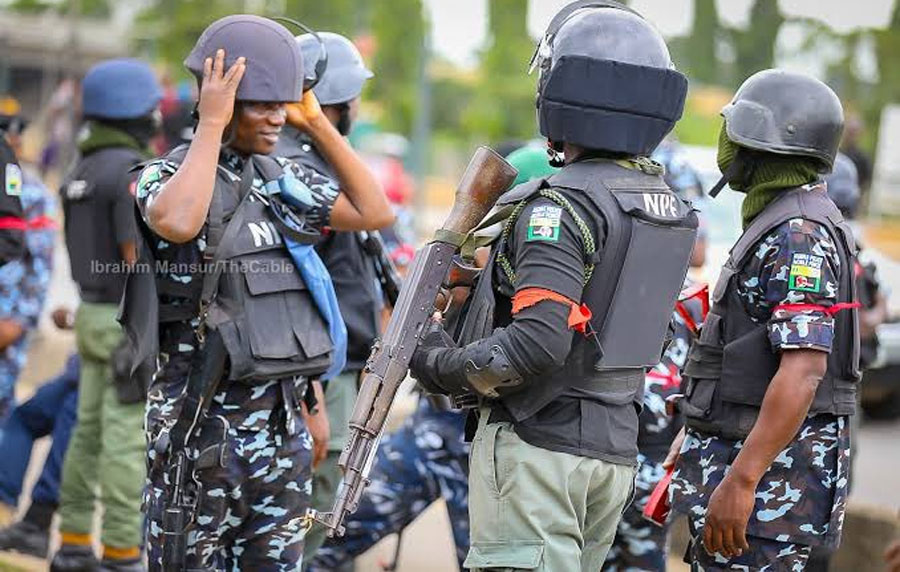
Kidnapped Female Police Officer Found Dead in Ebonyi as Suspect Leads Police to Remains
A female police officer kidnapped in Ebonyi State has been found dead after police arrested a principal suspect in connection with her abduction and recovered her remains from a location allegedly identified by the suspect.
The development was disclosed by the Nigeria Police Force in its latest nationwide operational update, which highlighted arrests, rescue operations and the recovery of weapons and other exhibits across several states.
According to the police, the suspect was arrested following sustained intelligence-driven and technology-based investigations into the abduction of the female officer.
The suspect allegedly led police operatives to the location where the remains of the kidnapped police officer were recovered.
The Force did not, however, disclose the identity of the officer, the circumstances surrounding her abduction or the cause of her death.
It also did not state how long the officer had been missing before her remains were recovered or whether additional suspects had been arrested in connection with the case.
The development represents a major breakthrough in the investigation into the officer’s disappearance, but police said the case remains under investigation.
The suspect is being treated as an alleged member of a kidnapping syndicate pending the conclusion of investigations and any subsequent court proceedings.
Police said the investigation was supported by intelligence gathering and technology, which eventually led operatives to the principal suspect.
Following the arrest, the suspect allegedly provided information that enabled investigators to locate the scene where the officer’s remains were recovered.
The circumstances surrounding the officer’s death are yet to be publicly established. Police have not disclosed whether the remains showed evidence of violence or whether a forensic examination has been conducted to determine the cause of death.
Investigators are expected to examine the recovered remains and other evidence as they work to establish what happened to the officer and determine whether other individuals were involved in her abduction and death.
READ ALSO:
- CNN, MS NOW, Politico Sue Trump Over White House Access Ban
- JAMB Allows Candidates to Change Lost SIM, Email Addresses
- How Nigerians Can Get Federal High Court Affidavit Online Without Visiting Court
The Ebonyi case was included in a wider Nigeria Police Force operational report covering security operations across the country. The Force said its operations resulted in the arrest of 334 suspects and the rescue of kidnapped victims, alongside the recovery of firearms, ammunition and other exhibits in different states.
In another operation reported in Adamawa State, police said two kidnapped victims were rescued from a suspected kidnappers’ hideout in Shako Forest, Toungo Local Government Area, while a suspect was arrested and allegedly provided information implicating five fleeing accomplices. (Primetimes)
The police said the various cases remain under investigation by the relevant State Criminal Investigation Departments (CID) and the CID at Force Headquarters in Abuja.
For the Ebonyi investigation, the immediate focus is expected to be on determining the circumstances of the officer’s abduction, identifying all those allegedly involved and establishing how and when she died.
The recovery also gives investigators an opportunity to gather further physical and forensic evidence that could help link suspects to the crime.
The police have not announced any further arrests in the case or disclosed whether any weapons, vehicles, communication devices or other exhibits were recovered during the operation.
The Force has increasingly emphasised intelligence-led policing, technology-assisted investigations and inter-agency cooperation in its response to kidnapping and other organised crimes.
The latest development in Ebonyi underscores the continuing security challenges faced by police personnel and other residents in areas affected by kidnapping and violent criminal activity.
While the arrest represents progress in the investigation, the police have yet to provide a full account of the circumstances leading to the officer’s death.
Further details are expected as investigators continue questioning the suspect and examining evidence recovered from the scene.
Until the investigation and any court proceedings are concluded, the suspect remains presumed innocent and allegations against him have not been established by a court.
Kidnapped Female Police Officer Found Dead in Ebonyi as Suspect Leads Police to Remains
-

 Entertainment3 days ago
“She Wanted to Stay Single”: Rema Opens Up About Rejection That Inspired Hit Song ‘Oh No’
-
 metro2 days ago
Oyo Police: Student Who Died by Suicide Was Charged With Assault, Not ₦8,000 Debt
-

 metro3 days ago
Niger Miners’ Deaths: Families Demand Compensation, Justice for Victims
-

 metro3 days ago
Mambilla: ICC Raises Questions Over $500,000 Payment to Atiku’s Former Wife
-
 International14 hours ago
18 Suspects Transferred to US Over 2021 Killing of Haitian President Moïse
-

 Auto2 days ago
Abuja Demand Rises as Jetour Brings X70 Plus Experience to FCT
-
 Politics2 days ago
2027: NDC Predicts Wider Obi Victory Over Tinubu in Lagos
-

 metro2 days ago
Irreconcilable Developments: Wedding Cancelled 24 Hours Before Ceremony