
metro
Many Nigerians accused of peddling hard drugs rot away in Saudi prisons
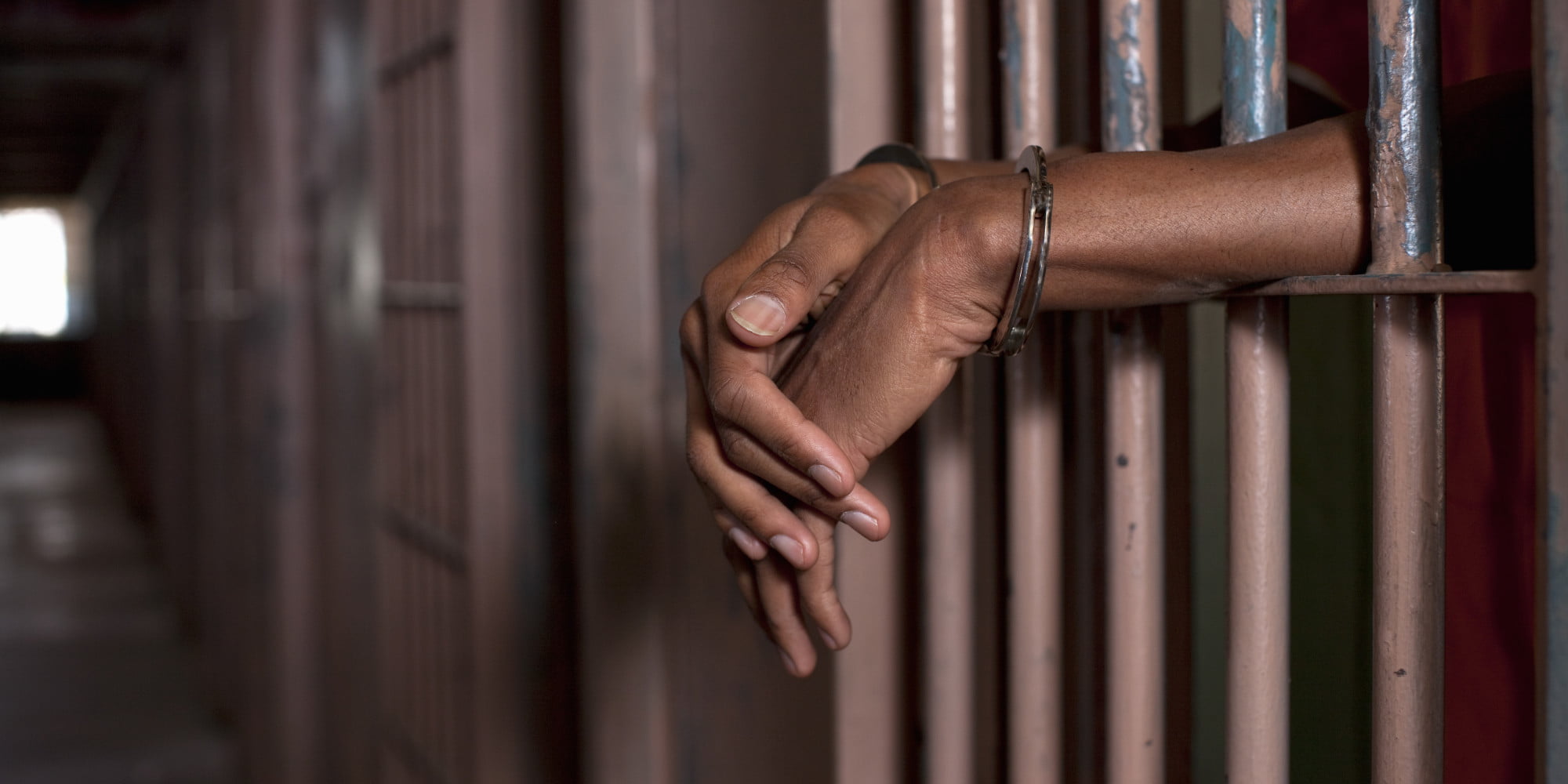
Hundreds of Nigerians arrested and detained by the Saudi Arabian authorities on suspicion of drug peddling are now rotting away in various prisons in the Middle East country.
Sunday Vanguard learnt that although many of the detainees were initially slated for execution by the Saudi authorities in accordance with the country’s penal code, many of them are, however, being kept in prisons spread across the country without any reference to whether they would be killed or released.
A close source to one of the victims, who was arrested and detained in Saudi Arabia in 2015 on suspicion of trafficking drugs to the country, said the family was worried about the fate of their son and breadwinner from Kwara State, having not known what had become of his situation.
One of the parents of the detainees said, “At first, our son was threatened with public execution for alleged drug offence but after the matter was examined by the Saudi authorities, our son was referred for further investigation and later taken from death row and placed in prison in Riyadh since 2016.
“We are made to understand that some countries such as Pakistan and Afghanistan and others, whose nationals were also detained on suspicion of drug peddling, have since stepped in and got their natives freed from Saudi prisons and taken home.
“The governments of these countries spoke with the Saudi authorities about their nationals who were also being detained with Nigerian inmates, and they were released. Our fear is that without urgent intervention by the Nigerian government, these suspects, some of who are completely innocent, may end up in Saudi jail forever.
“We are, therefore, passionately pleading with the Nigerian government to show mercy with her citizens who are unduly being kept away in various prisons in Saudi Arabia by stepping in and getting justice for those who are simply being unjustly detained or those who might have completed their jail sentences.
“The point is that many of these Nigerian detainees who were arrested as early as 2014 and kept away on allegation of drug dealings, would have completed their jail terms by now even if they were duly tried, convicted and jailed by the authorities.”
“But to simply arrest Nigerian citizens on drug allegation and keep them indefinitely in jail without any word as to their fate is simply unhelpful and apprehensive, given the fact that some other countries have got their citizens out of the same system,” another Nigerian parent, whose son is in Jedda prison, lamented.
-Vanguard








metro
Bandits Kill Businessman, Daughter Despite ₦12 Million Ransom Payment

Bandits Kill Businessman, Daughter Despite ₦12 Million Ransom Payment
A harrowing case of kidnapping and bandit violence has claimed the lives of Abuja businessman Muhammad Shuaibu and his 19‑year‑old daughter, Fatima Muhammad, even after the family paid a ₦12 million ransom, highlighting the deepening insecurity facing Nigerians. On October 3, 2025, armed bandits stormed the family home in Zhidu community, Tafa Local Government Area, Niger State, invading the compound and abducting Shuaibu along with his two daughters. Fatima, then a student of the University of Abuja, and her sister were taken by the attackers into nearby bushes. A family member said the kidnappers originally rounded up all members of the household before separating the captives and issuing ransom demands.
The kidnappers requested ransom in multiple tranches, which the family paid in hopes of securing their loved ones’ release. The first payment was ₦6 million, followed by ₦4 million, and a final payment of ₦2 million, bringing the total to ₦12 million. The family had to raise funds by selling Shuaibu’s Dei‑Dei Modern Market shop, his private car, and a sachet water production machine, while attempts to sell their house were unsuccessful.
READ ALSO:
- Sowore Criticises Church‑Owned Universities Over High Fees
- World Bank: Nigeria’s Economy Growing Despite Persistent Inflation
- House Democrats Rebuke Trump, Demand Immediate Vote Over Iran ‘Civilisation’ Threat
Tragically, Fatima was killed three months into captivity, with the kidnappers accusing her of being “stubborn,” even as negotiations continued. After the final payment, the ransom bearer was instructed to return home, being told that Shuaibu had died in captivity after falling seriously ill. The family’s ordeal — from abduction, ransom payments, loss of property, to the heartbreaking deaths of father and daughter — illustrates the desperation and human toll of Nigeria’s banditry problem.
Efforts to obtain an official response from the Niger State Police Command were unsuccessful, as the police spokesperson SP Wasiu Abiodun did not respond to multiple messages sent by reporters by the time of filing this report.
Security analysts warn that this case reflects a worsening kidnapping crisis in Nigeria, particularly in the north, central, and border regions, where armed groups abduct residents, demand ransoms, and sometimes kill captives regardless of payments. Recent incidents in states such as Kaduna, Sokoto, and Niger have fuelled fear among travellers, traders, and rural communities. The killings have sparked renewed calls from civil society organisations and residents for more effective anti‑kidnapping operations, enhanced intelligence sharing, and proactive military and police engagement to protect civilians and curb rising banditry.
Bandits Kill Businessman, Daughter Despite ₦12 Million Ransom Payment
metro
Sowore Criticises Church‑Owned Universities Over High Fees

Sowore Criticises Church‑Owned Universities Over High Fees
Human rights activist and politician Omoyele Sowore has stirred a national debate after calling out church-owned universities in Nigeria over high tuition fees and limited access for average worshippers.
Sowore made the remarks during a recent interview on The Honest Bunch podcast, where he challenged prominent pastors and religious leaders about the affordability and accessibility of their universities. He argued that while these institutions often have large congregations, many ordinary members who contribute tithes and offerings cannot afford the high cost of education.
“You build Covenant University, and then ask poor people to come to church… you’ll go and drive them from Ajegunle with your Holy Ghost buses, but their children cannot go to Covenant University,” Sowore said, highlighting what he described as a contradiction between the outreach of megachurches and the actual social impact of their educational investments.
READ ALSO:
- Bill Gates to Testify Before US House Panel in High‑Profile Jeffrey Epstein Probe
- Trump Announces Two‑Week Ceasefire With Iran, Pauses Planned Bombing
- Arsenal Edge Sporting in Lisbon with Last-Minute Havertz Strike
Sowore’s comments have sparked a heated conversation about economic inequality and education access in Nigeria. Private church-owned universities such as Covenant University, Babcock University, Redeemer’s University, and Bowen University charge tuition fees that often exceed the annual income of many families, effectively excluding a significant portion of the population.
Supporters of Sowore’s position argue that his critique sheds light on the need for religious institutions to align their social responsibility with their educational initiatives. Critics, however, claim that operating universities requires significant resources and that high tuition fees are reflective of broader challenges in private higher education, not just church ownership.
The debate comes amid Nigeria’s ongoing struggle with education affordability, where limited capacity in federal universities and rising costs in private institutions leave many families unable to access higher education. Sowore’s remarks have renewed calls for religious institutions, policymakers, and civil society groups to explore innovative ways to make education more accessible to the country’s lower- and middle-income families.
Sowore Criticises Church‑Owned Universities Over High Fees
metro
World Bank: Nigeria’s Economy Growing Despite Persistent Inflation
World Bank: Nigeria’s Economy Growing Despite Persistent Inflation
Nigeria’s economic outlook is improving, with growth expected to stay positive, even as the country grapples with persistent high inflation and some of the weakest early childhood development outcomes globally, the World Bank has said.
The assessment was presented on Tuesday in Abuja by Matthew Verghis, World Bank Country Director for Nigeria, at the launch of the bank’s April edition of the Nigeria Development Update (NDU) titled “Nigeria’s Tomorrow Must Start Today: The Case for Early Childhood Development.”
Verghis said the report highlights early childhood development (ECD) as a critical but neglected foundation for long‑term national prosperity. According to the World Bank, brain development from pregnancy to age five is the most rapid and most responsive to nutrition, health stimulation, early learning, and safety. Investing in this period delivers strong economic returns — estimated at 7–13% annually — through better educational outcomes, higher lifetime earnings, lower healthcare costs, and stronger social cohesion.
However, Nigeria’s early childhood indicators remain weak and uneven, particularly compared with other developing countries and global benchmarks. On average, 110 out of every 1,000 children die before age five, about 40% of children are stunted, and an estimated 52% are not developmentally on track before entering school. Verghis said these figures reflect a genuine crisis given Nigeria’s aspirations for prosperity.
READ ALSO:
- House Democrats Rebuke Trump, Demand Immediate Vote Over Iran ‘Civilisation’ Threat
- Oil prices tumble after US–Iran deal, Nigeria’s fuel cost remains high
- Bill Gates to Testify Before US House Panel in High‑Profile Jeffrey Epstein Probe
These poor outcomes stem from gaps in access to basic services, including maternal healthcare, nutrition, clean water, safe sanitation, and early learning opportunities — especially pronounced among poorer households and in the northern parts of the country.
Verghis acknowledged ongoing government efforts, supported by the World Bank and partners such as the Bill & Melinda Gates Foundation, to strengthen primary healthcare systems, improve nutrition, and expand early learning programmes. He emphasised the need for a coordinated, child‑centred national strategy that supports families from pregnancy through age five, improves service delivery, and scales effective interventions nationwide. Talks are underway with the National Economic Council and state governments to design a comprehensive national programme on early childhood development.
On broader macroeconomic issues, Fiseha Haile, the World Bank’s Lead Economist for Nigeria, said the economy’s growth prospects remain cautiously optimistic. The country is projected to grow by about 4.2% between 2026 and 2028, underpinned by continued macroeconomic stabilisation, structural reforms, and increased investment. Nigeria’s external position has strengthened, and ongoing reforms are delivering gradual results despite external shocks.
However, Haile warned that rising global uncertainty, particularly stemming from ongoing geopolitical tensions in the Middle East, continues to pose risks to Nigeria’s economic trajectory. Inflation — though eased somewhat from its peaks — remains elevated and persistent, eroding household purchasing power and dampening real income gains.
To sustain and broaden the benefits of economic recovery, the World Bank urged Nigeria to adopt structural policy measures that promote inclusive growth and protect the most vulnerable. These include:
- Reducing trade barriers and import bans that raise production costs
- Lowering tariffs and reopening key sectors to competition
- Improving market efficiency to reduce consumer prices
- Targeting social support programmes, such as cash transfers, to the poor instead of broad‑based subsidies
- Maintaining fiscal discipline, a tight monetary policy and prudent foreign exchange management
Haile also called on the government to treat any oil windfalls as temporary and save rather than spend them, using targeted interventions to cushion vulnerable populations from rising prices and economic shocks.
The World Bank reaffirmed its commitment to supporting Nigeria in strengthening early childhood development, deepening economic reforms, and enhancing social protection measures to ensure that growth translates into tangible improvements in people’s lives.
World Bank: Nigeria’s Economy Growing Despite Persistent Inflation

-
 metro19 hours ago
FG Deports US Missionary Alex Barbir Over Alleged Role in Nigeria Insecurity
-

 Entertainment18 hours ago
Veteran Nollywood Actor Davis Ofor ‘Clarus’ of New Masquerade Dies at 85
-
 metro2 days ago
MURIC Backs Egba Imams’ Call for Inclusive Leadership in Ogun 2027 Governorship Race
-
 metro22 hours ago
Lagos Announces Partial Road Closures for Project Commissioning
-

 International3 days ago
Netanyahu Condemns ‘Christian Persecution’ in Nigeria in Easter Message
-

 metro3 days ago
Hajiya Hadiza Attahiru Jega, Wife of Former INEC Chairman, Dies in Abuja
-

 Politics2 days ago
2027: Atiku Signs $1.2m US Lobbying Deal to Engage Trump
-
 News21 hours ago
Iran Lists Tough Conditions for Peace Talks with US