
Politics
Mass Defection: Kano Governor, 8 Reps, 21 Assembly Members Leave NNPP
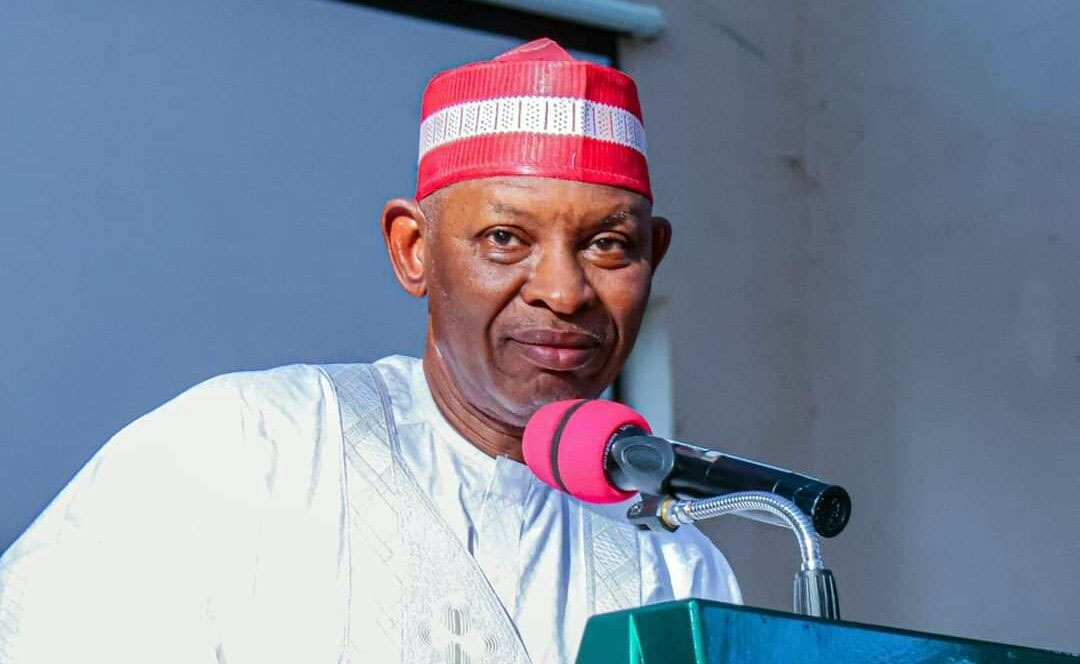
Mass Defection: Kano Governor, 8 Reps, 21 Assembly Members Leave NNPP
Kano State Governor Abba Kabir Yusuf has officially resigned from the New Nigeria People’s Party (NNPP), leading a sweeping political realignment that has seen eight members of the House of Representatives and 21 members of the Kano State House of Assembly also withdraw their membership from the party.
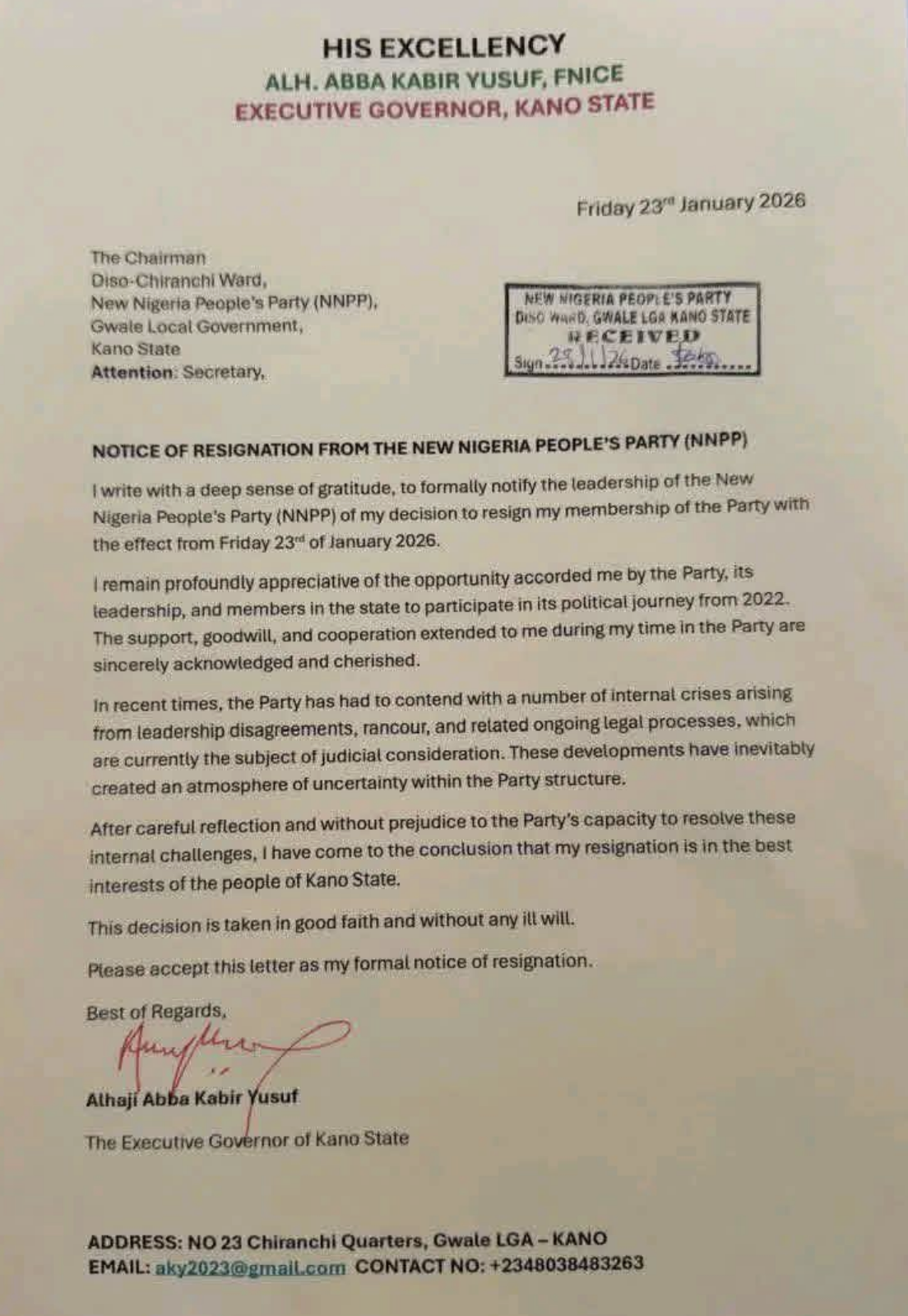
Governor Yusuf’s Resignation Letter Emerges
The governor’s resignation, communicated through a formal letter to NNPP leaders, follows weeks of speculation over growing internal crises, leadership disputes, and legal challenges within the party. Several local government chairmen and grassroots party structures across Kano State are reported to have defected alongside the governor.
READ ALSO:
- U.S. State of Georgia Proclaims Nnamdi Kanu Honorary Citizen
- Grand Chief Imam of Oyo Land Pays Courtesy Visits, Engages Institutions Across Oyo Town
- US VP Vance Confirms Five‑Year‑Old Among Detainees in Immigration Crackdown
In his letter, Governor Yusuf thanked NNPP members for their support during the 2023 election cycle but said persistent factional conflicts had weakened the party’s cohesion and effectiveness, making it difficult to sustain governance and political stability in the state.
Political sources say the governor and the defecting lawmakers are expected to formally join the All Progressives Congress (APC) in the coming days, a move that would significantly alter the political balance in Kano State and the wider North-West region.
Observers describe the mass defection as one of the biggest setbacks for the NNPP since the 2023 general elections, raising fresh concerns about the party’s future relevance as political actors begin positioning ahead of Nigeria’s next electoral cycle.
The development adds to a growing wave of cross-party defections in Nigerian politics, underscoring intensifying competition and realignment as parties consolidate power ahead of future elections.
Mass Defection: Kano Governor, 8 Reps, 21 Assembly Members Leave NNPP







Politics
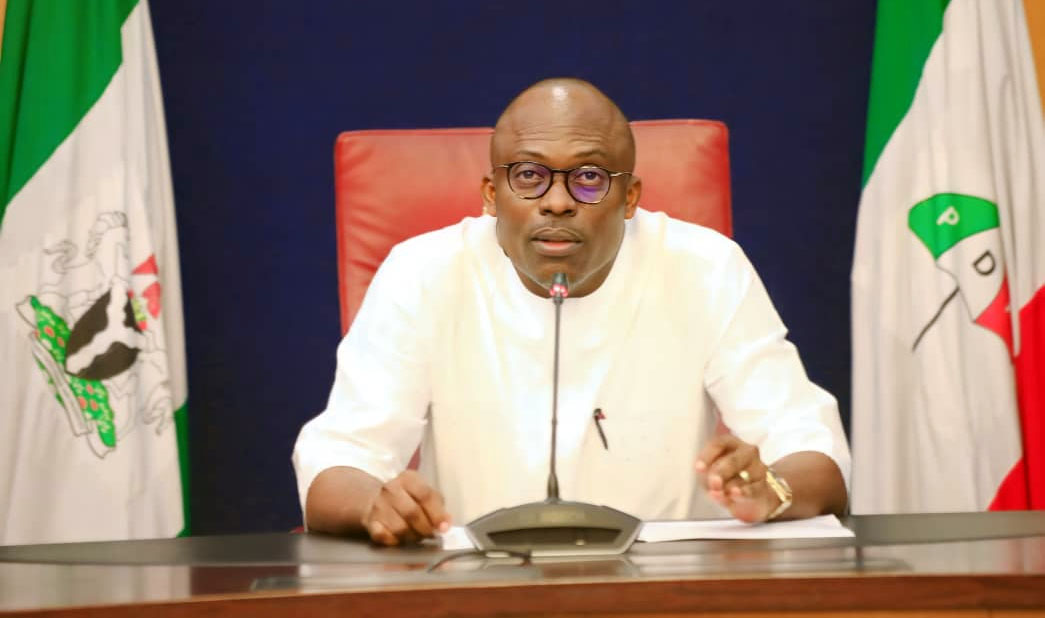
Fubara Reaffirms Commitment to Wike’s Vision
Fubara Reaffirms Commitment to Wike’s Vision
Rivers State Governor Siminalayi Fubara has reaffirmed his commitment to delivering on the development vision of his predecessor, Chief Nyesom Wike, pledging to complete the Port Harcourt Ring Road project by October 2026. The governor described the initiative as a strategic urban infrastructure priority that will enhance transportation, economic activity, and urban mobility in the state.
During an inspection of the ongoing Port Harcourt Ring Road construction, Fubara emphasised that completing the project is both a fulfillment of Wike’s vision and his own promise to the people of Rivers State. He assured residents that all necessary resources, logistics, and manpower would be deployed to ensure the timely delivery of the road.
READ ALSO:
- Housing Crisis: ₦1.5m Rent vs ₦70k Minimum Wage Sparks Outcry in Nigeria
- Governor Peter Mbah Orders Closure of Bet9ja Operations in Enugu
- 2027: Atiku, Makinde Hold Closed-Door Meeting With IBB in Minna
“This is a transformative project that will significantly improve connectivity across Port Harcourt and stimulate economic growth,” the governor said, stressing that the road will benefit current and future generations.
Fubara’s statement comes amid ongoing reconciliation efforts with Wike, following earlier political tensions. Stakeholders have hailed the renewed focus on infrastructure, noting that the Ring Road project is a tangible sign of continuity and partnership between successive administrations.
The governor’s pledge underscores a broader commitment to infrastructure development, urban planning, and economic empowerment in Rivers State, with the Port Harcourt Ring Road serving as a flagship project that embodies both legacy and progress.
Fubara Reaffirms Commitment to Wike’s Vision
Politics
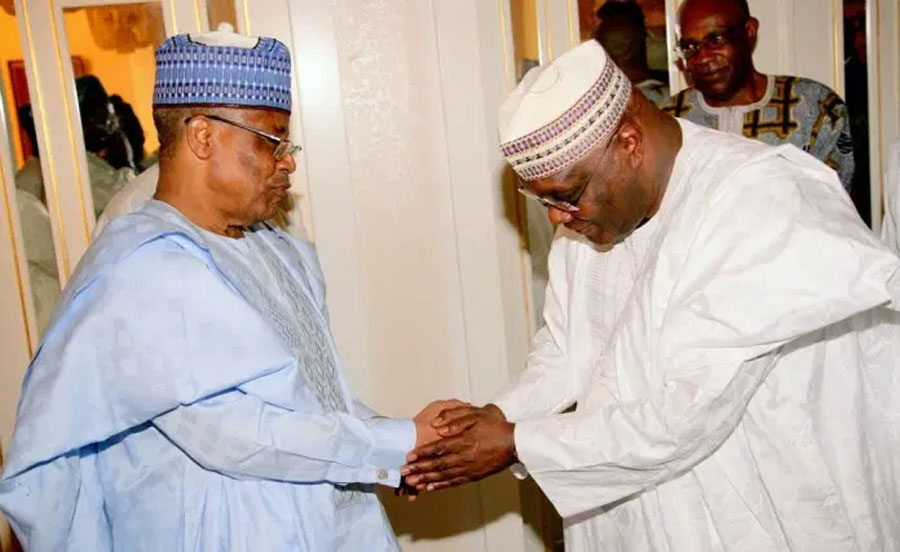
2027: Atiku, Makinde Hold Closed-Door Meeting With IBB in Minna
Atiku, Makinde Hold Closed-Door Meeting With IBB in Minna
Former Vice President Atiku Abubakar and Oyo State Governor Seyi Makinde held a closed-door meeting with former Nigerian Military President General Ibrahim Badamasi Babangida (IBB) at his private residence in Minna, Niger State on Tuesday. The meeting is generating political interest as Nigeria approaches the 2027 general elections.
Atiku arrived in Minna shortly after 1 p.m. and proceeded directly to Babangida’s residence. About 40 minutes into the session, Governor Makinde joined the meeting, which continued behind closed doors. No official statement has been issued, but sources indicate the discussions focused on electoral reforms, including the ongoing debate over electronic transmission of election results, as well as other national governance issues.
READ ALSO:
- EFCC Arraigns Suspects in ₦603 Million NNPC GMD Appointment Scam
- Senate Bows to Pressure, Mandates Electronic Transmission of Election Results
- Iran Warns U.S. Against Israeli Pressure as Nuclear Talks Resume
Political observers see the meeting as a strategic consultation ahead of the 2027 polls, highlighting the involvement of prominent Peoples Democratic Party (PDP) figures in shaping election strategies and political alignments. Journalists were barred from the session, underscoring its private and sensitive nature.
While details remain limited, insiders described the meeting as timely and critical, considering the heightened discourse on credible elections, national security, and political coordination among key stakeholders. An official briefing is expected once the discussions conclude.
Atiku, Makinde Hold Closed-Door Meeting With IBB in Minna
Politics
“Electoral Act Amendment: El-Rufai Calls Akpabio ‘Tinubu’s Lapdog’”
“Electoral Act Amendment: El-Rufai Calls Akpabio ‘Tinubu’s Lapdog’”
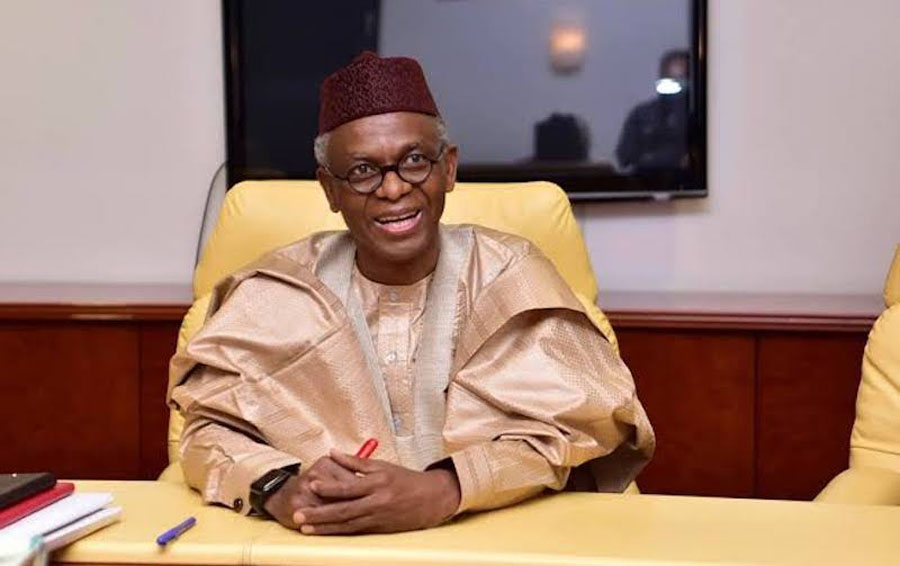
Former Kaduna State Governor Nasir El-Rufai has launched a scathing critique of Senate President Godswill Akpabio, accusing him of being the central obstacle in the Electoral Act Amendment debate and describing him as a “lapdog” to President Bola Ahmed Tinubu. The comments mark a new flashpoint in Nigeria’s political discourse over reforms intended to modernize the country’s electoral processes ahead of the 2027 general elections.
Speaking in a recent interview, El-Rufai emphasized that the Senate as an institution is not the main issue. Instead, he singled out Akpabio’s leadership, asserting that the Senate President’s actions have slowed progress on key provisions of the amendment, particularly the mandatory electronic transmission of polling-unit results. According to El-Rufai, Akpabio’s approach appears to prioritize political interests over democratic reform, warning that this stance threatens transparency and voter confidence.
READ ALSO:
- Lookman Reflects on Bittersweet La Liga Debut as Atletico Madrid Fall at Home
- Fayose Claims Presidency Told Wike to Respect Fubara or Risk Losing Job
- Nigeria’s Naira Posts Strong Comeback, Breaking Two‑Year High Against Dollar
El-Rufai did not mince words, branding Akpabio a “scumbag” and urging fellow senators and political actors to unite against the perceived obstruction. He maintained that the warning is intended to protect the integrity of Nigeria’s electoral system and ensure that reforms are implemented effectively.
The Electoral Act Amendment Bill has been a source of intense debate. Advocates for reform emphasize that electronic transmission of results and other technological enhancements are crucial for credible elections. Critics, however, argue that the Senate’s handling of the bill — including delays and contested provisions — risks undermining public trust.
In response, Akpabio has defended the Senate’s work, insisting that the bill is still under review and that final decisions will follow bicameral reconciliation between the Senate and House of Representatives. He maintains that accusations of obstruction are based on misunderstandings of legislative procedure and that reforms will be implemented transparently.
Political analysts have weighed in, noting that while Akpabio’s role is controversial, the success of the Electoral Act Amendment will ultimately depend on cooperation among lawmakers, adherence to due process, and public accountability. Civil society organizations and opposition figures continue to call for urgent, transparent reforms to ensure credible elections and strengthen Nigeria’s democratic institutions.
With 2027 elections approaching, the stakes remain high. How the National Assembly navigates debates over modernized voting technology, transparency measures, and legislative authority will influence public confidence and shape political alliances across Nigeria. El-Rufai’s strong words signal growing tension and highlight the urgency for decisive action to advance electoral reform.
“Electoral Act Amendment: El-Rufai Calls Akpabio ‘Tinubu’s Lapdog’”

-
 News2 days ago
BREAKING: Tinubu Holds Reconciliation Meeting With Wike, Fubara, Rivers Leaders at Aso Rock
-

 Business2 days ago
BoI Gets CBN Approval to Launch Non‑Interest Banking Window in Nigeria
-
 Africa3 days ago
Electoral Malpractice: President Mahama Orders Immediate Recall of Ghana’s High Commissioner to Nigeria
-

 metro23 hours ago
Leadership Crisis at NAHCON as Chairman Abdullahi Saleh Usman Resigns
-

 metro2 days ago
Nnamdi Kanu Orders Permanent End to Monday Sit-at-Home in South-East
-
 News23 hours ago
US Judge Orders FBI, DEA to Release Tinubu’s Criminal Records, Faults Delays
-

 metro3 days ago
Nigeria’s Unity Under Scrutiny: IPOB, US Lawmaker Clash Over Christian Safety
-
 Entertainment3 days ago
2Baba Breaks Silence on Quarrel with Wife Natasha During London Trip