

Education
Mmesoma’s father apologises to JAMB, Nigerians, begs for daughter
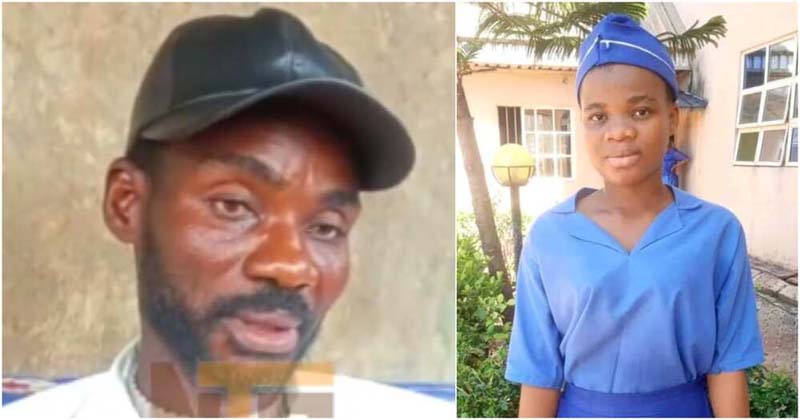
Mmesoma’s father apologises to JAMB, Nigerians, begs for daughter
Mr. Romanus Ejikeme, father of Mmesoma Ejikeme, the 2023 Unified Tertiary Matriculation Examination (UTME) candidate who falsified her result, has publicly apologised to the Joint Admission Matriculation Board (JAMB) and Nigerians.
According to a video interview with the Nigerian Television Authority (NTA), Mr Ejikeme claimed that his daughter lied to him, stressing that now that he had known the truth, he wished that JAMB could pardon his daughter.
He admitted to have made a mistake after the Anambra State government committee of inquiry set up to look into the controversy surrounding her daughter’s Joint Admission and Matriculation Board (JAMB) result found her guilty of forging her result unaided.
Mmesoma’s father maintained that he did not know where his daughter registered for the examination, but that he gave her the money for the registration.
He said: “My daughter did not open up to me on time. When I realised her mistake, I blamed her.
“I told her, ‘Mmesoma, be careful. You know you are a star and will not dent your image’.
Meanwhile, former Minister of Education, Oby Ezekwesili, has commended the outcome of the Anambra State panel report indicting Mmesoma Ejikeme of forging her JAMB result.
Ezekwesili spoke through her official Twitter handle @ obyezeks on Saturday.
READ ALSO:
- Transfer gossip: Mbappe’s Prem preference revealed as Arsenal
- Police kill eight suspected bandits in Benue gun battle
- Nollywood actor gets car gift from fan
- Gunmen kidnap APC chairman in Ekiti
She noted that the panel’s investigation report showed that MsMmesoma had been given a fair hearing, and the facts from the reports showed that whatever consequences she got were fit for the action of her wrongdoing.
It would be recalled that the Anambra State government committee of inquiry set up to look into the controversy surrounding the Joint Admission and Matriculation Board (JAMB) result of Miss Ejikeme Joy Mmesoma indicted her of forging her result unaided.
The committee revealed in an eight-page report that Mmesoma admitted she forged her results, using her mobile phone without any plausible motivation or help from someone else.
The panel consisting of professors and ICT experts, reviewed all evidences from JAMB and Miss Mmesoma, recommended that she tenders an unreserved written apology to JAMB, her school (Anglican Girls’ Secondary School, Uruagu Nnewi) and the Anambra State government.
According to a press release by Prof. Nkemdili Nnonyelu, chairman of the committee, the results released by JAMB with respect to the UTME score of Ejikeme Joy Mmesoma is 249, and the results paraded by Ejikeme Joy Mmesoma with aggregate score of 362 is fake as buttressed by the very significant and instructive variations in the registration number, date of birth, centre name and other infractions.
“Ejikeme Joy Mmesoma admitted that she manipulated the fake results herself, using her phone.
“The Principal Anglican Girls’ Secondary School — Mrs. Edu Uche and the Education Secretary, Diocese of Nnewi (Anglican Communion) expressed dismay at the conduct of Ejikeme Joy Mmesoma.
The committee said: “That Ejikeme Joy Mmesoma tenders an unreserved written apology to JAMB, the School (Anglican Girls’ Secondary School, Uruagu Nnewi) and the Anambra State Government. This should be done immediately.
“Ejikeme Joy Mmesoma should undergo psychological counselling and therapy.
“All prospective candidates for JAMB Admission should adhere strictly to guidelines, processes and procedures of the examination body.
“The Committee of Inquiry commends JAMB for their diligent handling of the matter and the information supplied about the interface with the candidate (see attached).
“We hope that this unearthing of the truth as we have discovered will go a long way in correcting the sentiments, misconceptions and deceptions that have been in the public domain.
READ ALSO:
- Nigerian Pilgrim ‘returns lost $80,000’ in Saudi
- Tinubu bribing critics with appointments, says Atiku aide
- Joe Irukwu, ex-Ohanaeze Ndigbo president general dies
- 13 senators collecting pensions as ex-state governors
“We thank Mr. Governor, Prof. Charles Soludo for setting up this Committee, and, for the confidence reposed in the committee.”
JAMB Reacts
Meanwhile, the Joint Admission and Matriculation Board (JAMB) has said that it would always ensure credible, fair, and reliable assessments in its public examinations.
It stated this in reaction to the report of the panel set up by the Anambra State government to look into the controversy surrounding the UTME result of Miss Ejikeme Joy Mmesoma.
The committee’s report, which was released at the weekend, indicted the 19-year-old for forging her result unaided.
JAMB’s Head of Public Affairs and Protocol, Fabian Benjamin, stated in a statement that there had never been any doubt about the credibility of the examination body.
According to him, the panel’s report not only vindicated the body but also reaffirmed the fact that the examination body’s system could never be compromised.
He added that the board had been more determined than ever before in the fight to ensure a clean public examination sector, regardless of distractions from detractors.
While clarifying that Mmesoma had finally admitted to forging her result, the statement also revealed that her real age was 19, contrary to the belief held by many that she was 16.
The Board said: “The report of the Commission of Inquiry set up by the Anambra State Government, an independent and unbiased body, as demanded by some Nigerians to look into the Mmesoma saga, has vindicated the Board. This has further reinforced the position of the Board that its system was not and cannot be compromised.
READ ALSO:
- Mmesoma Ejikeme: NANS writes JAMB, seeks pardon for embattled student
- Police kill four sit-at-home enforcers in Enugu
- Sit-at-home: Gunmen set Imo market ablaze, raze vehicles
“It is to be noted that the Board has built a reputation in terms of the conduct of credible examinations over the years and cannot afford to fail the nation at this critical juncture of its development.
“Therefore, we will not despair in spite of the painful realisation that some Nigerians would do anything to cast aspersions on the good name of the Board.
“However, in spite of all the posturing of its detractors, the Board remains resolute and uncompromising in its commitment to give Nigeria the best as far as credible and fair assessment is concerned.
“In fact, the Board is, more than ever, determined to continue to forge ahead unmindful of the shenanigan of those who desire its fall.
“For the benefit of those who are still doubting the capacity of Ms. Mmesoma to commit this egregious crime and those who are pushing the narrative that the girl is just 16 years old, even against all available data that indicate her age as an adult of 19 years, Ms. Mmesoma has owned up to committing the heinous infraction, which was carefully crafted to destroy the very foundation of one of the nation’s agencies charged with the critical role of apportioning the limited educational resource of the nation based on fairness equity and integrity.
“It is, therefore, highly regrettable that some Nigerians, who do not believe in the strength and resourcefulness of their nation’s institutions, would latch on to any opportunity to pull the Board down to their level of perfidy.
“One vital lesson that Nigerians should learn from the imbroglio, is to learn to appreciate the genuine efforts of their critical national institutions to chart the course of national rebirth. Hence, this attitude of attacking everything that makes the nation proud even by people who should know better, is disheartening. The flip side of this is to infer that some ethnic jingoists had perhaps been elevated to public office and recognition beyond their mental and emotional capacity.
“The Board would continue to be guided by the principles of inclusiveness and fairness as demonstrated by its seamless and unprompted deployment of a dedicated software called the Central Admission Processing System (CAPS), which not only eliminates human interference in the admission process, but also engenders equity, fairness, transparency to all as we do not know tribe or religion.”
Mmesoma’s father apologises to JAMB, Nigerians, begs for daughter









Education
Cross River Seals 58 Schools in Crackdown on Unapproved Education Centres
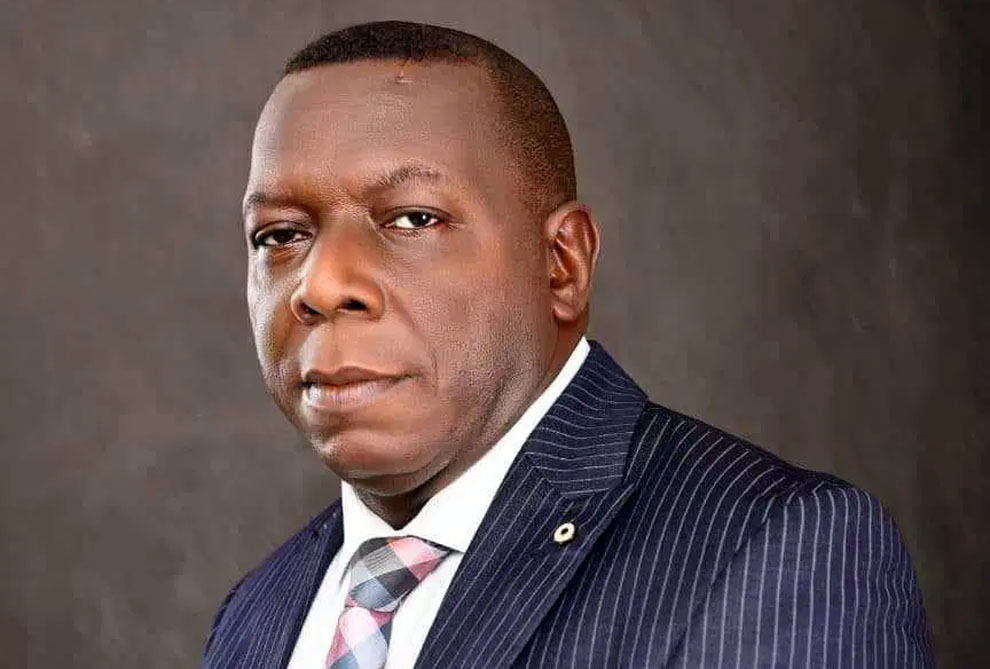
Cross River Seals 58 Schools in Crackdown on Unapproved Education Centres
The Cross River State Government has shut down 58 unapproved schools in an intensified statewide crackdown on institutions operating without the mandatory Approval to Operate (ATO), warning proprietors against reopening without official authorisation.
The enforcement exercise, being conducted by the state Ministry of Education through its Department of Quality Assurance, targets schools that have failed to meet the regulatory requirements for operating nursery, primary and secondary educational institutions.
The Commissioner for Education, Stephen Odey, said the exercise was aimed at enforcing education standards, protecting pupils and students, and ensuring that schools operate within the state’s approved regulatory framework.
The government said the inspections would continue across Cross River State’s 18 local government areas as authorities work to identify unapproved institutions and ensure compliance with existing regulations.
Odey warned that schools sealed during the operation must not resume activities until they have obtained the necessary approval from the relevant authorities. He also cautioned proprietors against violating closure orders, saying offenders could face further sanctions.
READ ALSO:
- INEC Raises Alarm Over Fake APC Result Naming Okorocha, Seeks DSS, Police Probe
- Fitch Gives Tinubu Fresh Economic Boost as Nigeria’s Outlook Turns Positive
- Ronaldo Hits 980th Career Goal as Al-Nassr Win After Portugal Fallout
According to the state government, the enforcement campaign is not intended to victimise school owners but to ensure that all educational institutions meet the minimum requirements for safe and effective teaching and learning.
Among the schools identified in the government’s October 10 announcement were Impact Group of Schools, Gospel Beacon Academy and Divvy Bliss Schools in Calabar Municipality.
Others included Warriors Seed Academy, Children of Promise Christian School and Future Amazing International Schools in Calabar South.
In Odukpani Local Government Area, the government listed De-Royal Academy School, Maria Assumpta Nursery/Primary School and Success Kids Nursery/Primary School among the affected institutions.
Five schools were also identified in Akamkpa Local Government Area: Creative Brain International School, St. Luck’s Anglican Nursery/Primary School, Our Lady of Perpetual Help, Hot Brain Academy and Armour Christian International School.
The latest closures followed earlier enforcement exercises announced by the government during the week. On October 9, authorities reported identifying 15 schools operating without approval in Calabar Municipality, Odukpani and Yakurr. On October 8, another nine schools were reported shut in Calabar Municipality, while 14 schools were identified in Calabar South on October 7.
The successive operations form part of the government’s effort to strengthen school regulation and quality assurance across the state. However, the individual batches should not be added together without a consolidated list confirming that no school has been counted more than once.
The government has urged proprietors of affected schools to approach the appropriate authorities to regularise their operations and obtain the necessary approvals before reopening.
Parents and guardians have also been encouraged to verify the approval status of schools attended by their children to ensure that the institutions comply with the state’s requirements.
The closures could disrupt learning for pupils and students whose schools have been affected, particularly where families need to find alternative institutions. The government has not provided a consolidated public list of all 58 schools in the reports reviewed or announced a common reopening date for the affected institutions.
The crackdown follows an earlier warning issued by the state government in August 2025, when it announced plans to close unapproved nursery, primary and secondary schools from September of that year.
The state government has maintained that compliance with school approval requirements is necessary to uphold educational standards and ensure that institutions operate within the law.
Cross River Seals 58 Schools in Crackdown on Unapproved Education Centres
Education
FG Releases Eight-Month Arrears After SSANU Strike Threat

FG Releases Eight-Month Arrears After SSANU Strike Threat
The Federal Government has released eight months’ salary arrears owed members of the Senior Staff Association of Nigerian Universities (SSANU), less than 48 hours after the union issued a 14-day ultimatum threatening an indefinite strike.
SSANU had issued the ultimatum over the implementation of the 2026 FGN/SSANU Agreement and demanded payment of outstanding entitlements, warning that failure to act would lead to a “total, comprehensive and indefinite strike action.”
The union’s demands included payment of outstanding Consolidated University Teaching and Tertiary Institutions Salary Structure (CONTTA) arrears calculated from January 1, 2026.
It also demanded payment of two months’ salaries withheld during the 2022 industrial action, as well as one-year arrears arising from the approved 25 per cent and 35 per cent salary increases.
READ ALSO:
- Yobe: 9-Year-Old Boy Burns Stepmothers, Brothers To Death In Revenge Attack
- 2027: Donald Duke Pledges To Bring Petrol Price Down To N300 Per Litre
- Olu of Warri Denies N2.7tn Pipeline Deal, Demands Evidence From Dokubo
Confirming the release, SSANU National President, Mohammed Haruna Ibrahim, said members would begin receiving alerts reflecting the payment.
Ibrahim commended the Minister of Education, Tunji Alausa, for intervening in the matter and facilitating the release of the funds.
However, the payment does not resolve all of the union’s outstanding demands. SSANU has maintained that the government must settle the remaining arrears and ensure full implementation of the 2026 agreement.
The development has nevertheless eased an immediate threat of disruption in the Nigerian university system, coming just days after the union warned of a nationwide industrial action.
SSANU has urged affected members to liaise with their respective university managements to ensure that the released funds are properly and promptly paid.
The latest development comes amid continuing concerns over university workers’ salaries, arrears and welfare, as well as the implementation of agreements between the Federal Government and university-based unions.
FG Releases Eight-Month Arrears After SSANU Strike Threat
Education
Why JAMB Is Taking UTME To Canada — Registrar Explains

Why JAMB Is Taking UTME To Canada — Registrar Explains
The Joint Admissions and Matriculation Board (JAMB) has explained why it is taking the Unified Tertiary Matriculation Examination (UTME) to Canada, saying the move is aimed at expanding access to Nigerian tertiary education rather than making money.
JAMB Registrar, Professor Segun Aina, said the board is working to establish a UTME examination centre in Ottawa, Canada, from 2027 to enable eligible Nigerians living in Canada and other parts of North America to sit the examination without travelling to Nigeria solely for the exercise.
The planned centre followed Aina’s visit to the Nigerian High Commission in Ottawa, where discussions were held on arrangements for conducting the examination.
JAMB said the initiative is part of its effort to make the Nigerian university admission system more accessible to Nigerians in the diaspora, particularly those seeking admission into universities and other tertiary institutions in Nigeria.
“For Nigerians in Canada, the UTME is coming closer to home,” the board said while announcing the plan.
However, the decision has generated questions over the likely number of candidates who would use the centre and whether establishing an examination facility in Canada would be financially viable.
Responding to such concerns, Aina said the number of candidates was not the primary consideration for establishing foreign examination centres.
READ ALSO:
- FULL LIST: NAF Releases Names Of 25 Victims Killed In Ondo Crash
- Supreme Council For Sharia Secretary-General Nafiu Baba-Ahmed Dies
- Former NADECO Leader Ralph Obioha Dies At 80
He explained that JAMB currently conducts the UTME in about 10 foreign countries as a service to improve access to education, adding that the board also conducts examinations in correctional service centres for the same reason.
According to the registrar, Nigerians relocate abroad for different reasons, while children of Nigerian public servants posted overseas may also need to sit the UTME without returning to the country specifically for the examination.
Aina said the absence of a JAMB examination centre in North America had previously made it difficult for prospective candidates in the region to participate in the UTME locally.
He added that JAMB does not necessarily need to acquire or rent a permanent building or employ a new workforce to establish the Ottawa centre.
The registrar explained that the board works with Nigerian diplomatic missions in countries where it conducts overseas examinations, using temporary spaces within high commission premises and relying on diplomatic mission staff to assist with the exercise.
Aina also said no money had been spent on the proposed Canadian centre so far.
He explained that his visit to Canada coincided with a conference and that he used the opportunity to initiate discussions with the Nigerian High Commission about the proposed examination arrangement.
JAMB‘s spokesperson, Fabian Benjamin, also defended the initiative, saying more than 100 prospective candidates in Canada had already indicated interest in sitting the examination there.
The proposed Ottawa centre is expected to serve eligible Nigerians in Canada as well as those in other parts of North America who wish to gain admission into Nigerian tertiary institutions.
JAMB said the move would reduce the barriers faced by Nigerians abroad and strengthen their connection with the country’s education system.
The board also said the initiative would provide an opportunity to showcase Nigerian tertiary education internationally and create more pathways for Nigerians in the diaspora to pursue higher education in Nigeria.
The proposed JAMB Canada centre is expected to commence operations with the 2027 UTME.
Why JAMB Is Taking UTME To Canada — Registrar Explains
-

 metro3 days ago
Oyo School Kidnappings: How ANSARU Allegedly Used Children to Pressure FG
-
 metro3 days ago
Tragedy in Ibadan as Truck Kills Female Corps Member, Injures Others
-

 metro3 days ago
Drama as Dutch Police Use Batons, Dogs to Shut Down Nigerian Wedding; Two Arrested
-
 International3 days ago
French Students Return to Streets as Anger Over School Conditions Grows
-

 metro3 days ago
VIDEO: Outrage as Indian National Assaults Nigerian Truck Drivers in Lagos
-
 News3 days ago
Obasanjo Backs Higher Oil Derivation, Says 13% Is Only the Beginning
-
 metro3 days ago
LAWMA Deploying CCTV Cameras to Hunt Down Illegal Dumpers, says MD
-

 metro2 days ago
Money Rituals: Four Arrested in Kwara Over Suspected Human Parts