

Health
Nigeria to get 20 million doses of COVID-19 vaccine
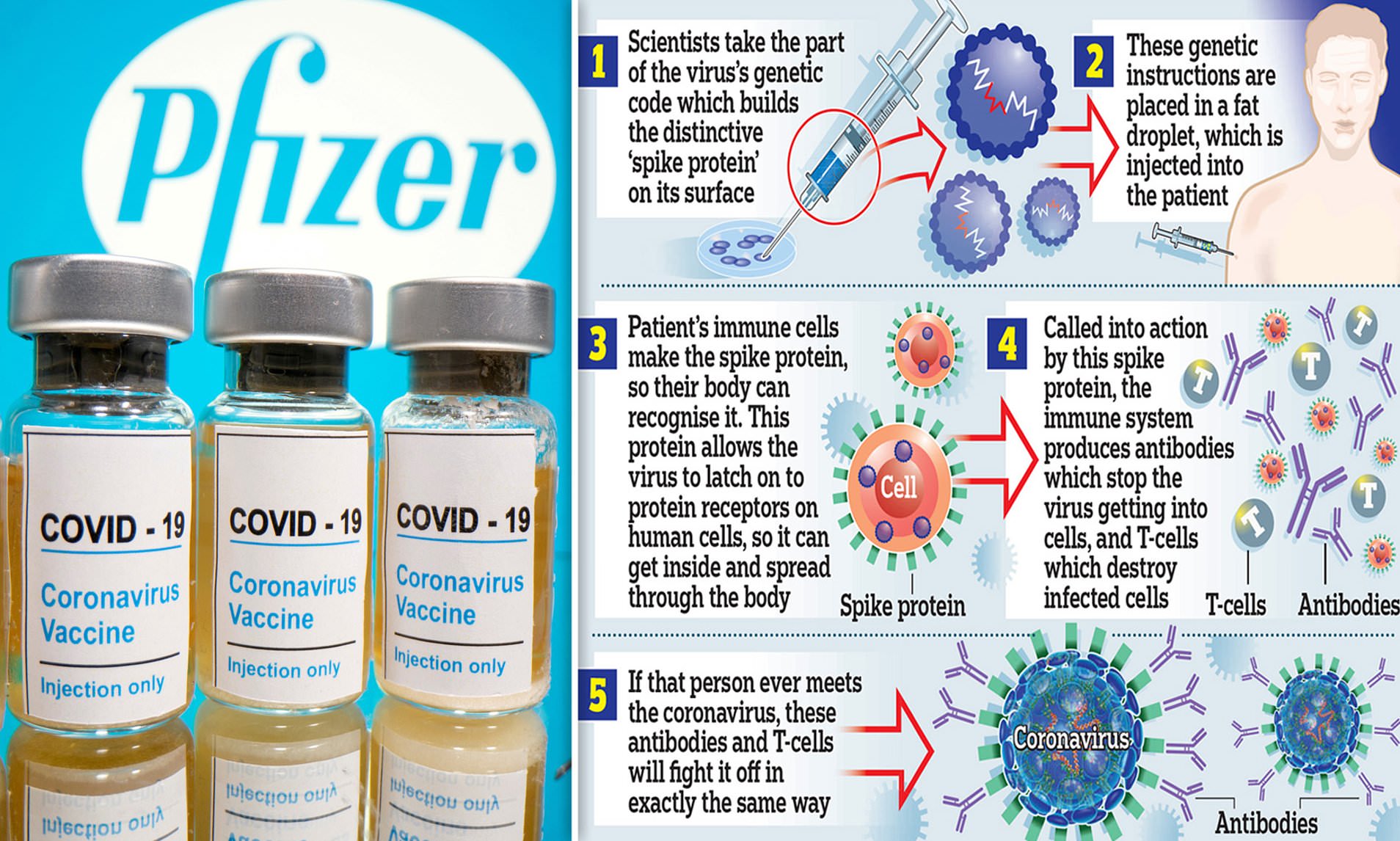
The Federal Government says it is expecting to receive 20 million doses of COVID-19 vaccine in the first quarter of 2021.
Executive Secretary, National Primary Health Care Development Agency, Faisal Shuaib, gave the indication at the presidential task force on COVID-19 media briefing in Abuja on Thursday.
He said Nigeria had put in place the machinery for this, adding that the country is a member of COVAX, an international coalition, under the WHO umbrella.
Shuaib added that 92 countries came together to ensure access and safety of vaccines.
He said the expected 20 million doses will first be given to workers in the health sector and vulnerable citizens.
“We are on course to access safe vaccine in the first quarter of 2021. We will be leveraging on the polio platform to ensure effective delivery of vaccines to our vulnerable population,” he said.
H added, “We have established a supra-ministerial advisory committee to ensure a seamless administration. A technical group meets every week and has devised a risk communication plan to deliver safe vaccines to Nigerians.”
A former Minister of Finance, Ngozi Okonjo-Iweala, has said Nigeria and other African countries will have access to COVID-19 vaccines as from the end of January through the first quarter of 2021.
A statement by the Ministry of Foreign Affairs said on Wednesday that Okonjo-Iweala disclosed this at a closed-door meeting with the Minister of Foreign Affairs, Geoffrey Onyeama in Abuja.
The big breakthrough came when Pfizer/BioNTech published its first results in November.
They showed the vaccine is up to 95 per cent effective and the UK is due to get 40 million doses.
The vaccine is given in two doses, three weeks apart. About 43,000 people have had the vaccine, with no safety issue.
The vaccine must be stored at a temperature of around -70C and transported in a special box, packed in dry ice and installed with GPS trackers.
On 2 December, the UK became the first country in the world to approve the Pfizer/BioNTech coronavirus vaccine for widespread use.
On 8 December, 90-year-old Margaret Keenan became the first patient to receive the vaccine at University Hospital in Coventry, with 800,000 more doses expected to be given in the coming weeks.



Health
20 Women Had Breasts Removed Unnecessarily During NHS Cancer Treatment
20 Women Had Breasts Removed Unnecessarily During NHS Cancer Treatment
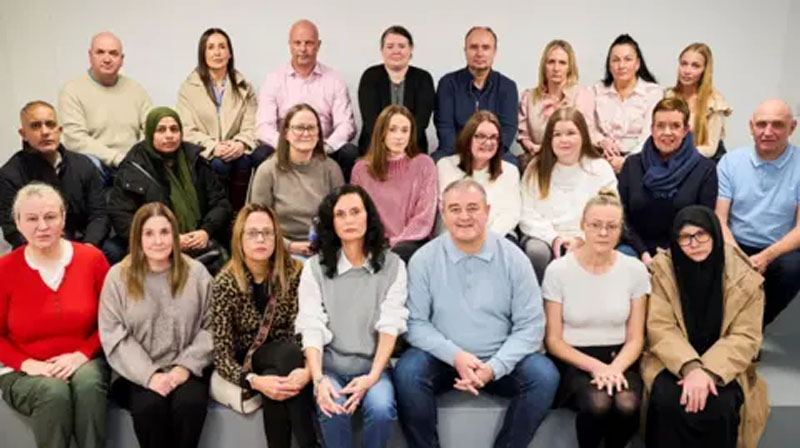
Twenty women underwent unnecessary mastectomies while receiving breast cancer care at an NHS trust in north-east England, while hundreds of other patients have been found to have suffered varying degrees of harm, according to an ongoing review.
The cases are linked to the County Durham and Darlington NHS Foundation Trust (CDDFT), which has been investigating serious concerns surrounding its breast services and the treatment of patients over several years.
The trust is currently reviewing breast cancer cases handled between January 2023 and February 2025, alongside cases involving 640 former patients who contacted a dedicated support helpline after concerns about their care emerged.
Figures released as part of the review show that hundreds of cases have already been assessed, with hundreds of patients found to have suffered some level of harm. The review has also identified cases in which breast cancer diagnoses were missed or delayed, allowing the disease to progress in some instances.
The trust has confirmed that 20 women underwent mastectomies that were not necessary, while a wider group of patients experienced excessive surgery or treatment that did not conform to accepted best practice.
Board information showed 32 cases involving excessive surgery, including mastectomies, with the trust subsequently confirming that 20 of those cases involved unnecessary mastectomies.
A further 38 cases involved treatment that was not aligned with best practice. These included unnecessary surgery for benign conditions, failure to offer immediate breast reconstruction in appropriate cases and the use of outdated practices that resulted in harm.
The review has also identified about 20 cases involving delayed diagnosis, a problem that can have serious consequences because breast cancer may progress while treatment is delayed.
The findings have raised questions about clinical decision-making, patient consent, multidisciplinary review and the systems that should have identified inappropriate treatment before patients underwent major procedures.
A Royal College of Surgeons review previously identified outdated practices within the breast surgery service and found evidence of excessive or unnecessary surgery in some cases.
READ ALSO:
- Xenophobia: FG Brings 33 More Nigerians Home From South Africa
- Falconets Thrash England 3-0, Face Colombia in U-20 World Cup Quarter-Finals
- Replace Fuel Subsidy With Vehicle Credit to Drive Mobility, Jobs,LCCI, Ilekuba tell FG
It also found that some patients were not offered all available treatment options, including neoadjuvant therapy and breast reconstruction.
Concerns were further raised about the trust’s multidisciplinary team arrangements, which are intended to allow surgeons, radiologists, pathologists and other specialists to jointly assess cancer cases before treatment decisions are made.
The review identified weaknesses in those arrangements, including insufficient peer review and challenge to support collective decision-making.
The trust’s chief executive, Steve Russell, has apologised to patients and their families, acknowledging that the organisation failed people who placed their trust in its breast services.
Russell said the trust recognised the profound impact of the failures and accepted that there were opportunities when it should have listened more carefully and acted sooner.
One of the women affected is Denise Howarth, 51, from Consett in County Durham, who was diagnosed with stage-one breast cancer in February 2023.
Howarth initially underwent a lumpectomy and removal of lymph nodes before being told at a follow-up review that she still needed a mastectomy.
She subsequently underwent the breast-removal operation and later received chemotherapy and radiotherapy.
In September 2025, however, the trust contacted her and told her that the mastectomy had not been necessary.
Howarth said the revelation left her shocked and devastated because she had trusted medical professionals to make the correct treatment decisions.
She has described the loss of her breast and the subsequent discovery that the surgery was unnecessary as life-changing, saying the experience severely affected her confidence.
Another affected woman, identified as Jo, also described the emotional impact of learning that her mastectomy could have been avoided.
She said further screening and biopsies could have established that areas of concern were benign and that the small cancer detected in her breast could have been treated without removing the entire breast.
The cases have prompted calls for a broader independent investigation.
Rachel O’Connor of Hudgell Solicitors, which represents some affected patients, has called for a public inquiry, arguing that the scale and duration of the problems warrant further examination.
The trust is also cooperating with Durham Police, which is investigating allegations arising from former patients’ experiences and examining whether any criminal offences may have occurred.
The National Crime Agency has also been involved in the investigation into allegations surrounding the breast service.
The clinical leadership of the service has come under scrutiny as part of the wider investigation.
The trust has confirmed that consultant Amir Bhatti, who served as its clinical lead for breast services from 2013 to 2024, currently has restrictions on his clinical practice while an internal investigation continues.
The trust has also faced questions about previous arrangements under which significant sums were paid to privately operated breast cancer diagnostic and surgical services associated with Bhatti.
A previous governance review raised concerns that outsourcing arrangements could create financial incentives that posed risks to clinical standards.
The trust has since made significant changes to its breast service.
These include the appointment of two new specialist oncoplastic breast surgeons, the introduction of experienced external specialist leadership, stronger clinical oversight and a requirement for patients to be discussed by a full multidisciplinary team.
The trust says care is now based on current national guidance and that its breast assessment clinics and imaging services have been improved.
A dedicated breast pain clinic has also been introduced, while additional specialist radiology expertise and upgraded breast-imaging facilities have been provided.
According to the trust, the changes are producing measurable improvements.
The proportion of women requiring a mastectomy has fallen to around the national average, while immediate breast reconstruction rates have tripled.
The trust also says the need for a second operation to completely remove a cancer has been cut by half.
More than 80 per cent of patients now undergo surgery as day cases, while fewer patients require diagnostic surgery.
More than one-third of cancer operations now use advanced oncoplastic breast surgery techniques, which can combine cancer treatment with techniques aimed at preserving or improving the appearance of the breast.
Despite the changes, the trust acknowledges that rebuilding confidence among patients will take time.
The review of previous care is continuing, and the organisation says patients whose records raise concerns will be contacted directly and offered appropriate information, clinical care and support.
The next major development is expected on September 24, when the trust’s board will meet publicly to decide the future scope and timeframe of the review.
The board will consider whether the investigation should be expanded to cover thousands of additional patient cases dating back to 2015.
No final decision had been made on the proposed expansion before the meeting.
The trust has also kept its dedicated patient support line and email service open for former patients who have concerns about their breast care.
The unfolding investigation has raised wider questions about NHS patient safety, breast cancer treatment, clinical governance, informed consent and medical accountability.
For the women who have been told that major surgery could have been avoided, however, the consequences are permanent.
The central questions now facing investigators and health authorities are how inappropriate treatment decisions were made, why existing safeguards did not prevent them, whether warning signs were missed and how many additional patients may have been affected.
With the review still underway and the possibility of expanding it to cases dating back to 2015, the full scale of the NHS breast care failures may not yet be known.
20 Women Had Breasts Removed Unnecessarily During NHS Cancer Treatment
Health
Fiji Declares National HIV Emergency as Diagnoses Surge Sixteenfold
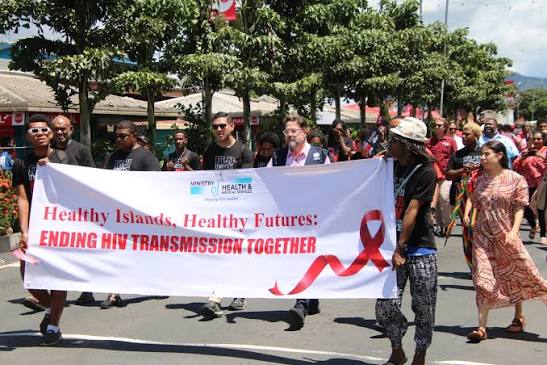
Fiji Declares National HIV Emergency as Diagnoses Surge Sixteenfold
Authorities launch a multi-agency public health campaign to expand free testing, treatment, and harm-reduction services
Fiji has announced a nationwide health response to address a significant rise in HIV cases and ensure that all residents can access essential medical care.
On Wednesday, Health Minister Dr. Atonio Lalabalavu shared the emergency declaration, explaining that national agencies are joining forces to provide rapid medical support, expand testing, and protect community well-being across the islands.
Official reports indicate that about one in every 60 adults in Fiji currently lives with HIV, following an increase in new infections over recent years. Health specialists explain that the virus spreads primarily through intimate sexual contact and shared needles among individuals using illicit substances.
Additionally, routine screenings revealed that two out of every 100 expecting mothers carry the virus, highlighting an urgent need for early maternal healthcare to protect newborns from infection.
To safeguard public health, authorities are delivering free daily treatments, distributing protective preventive medications, and setting up clean needle programs to stop infections before they start.
Furthermore, global partners, including Australia, New Zealand, India, and United Nations health bodies are providing financial resources and medical supplies to back the local effort.
By encouraging open community conversations and delivering accessible healthcare without judgment, health workers aim to ensure that everyone receives the care and dignity they deserve.
Fiji Declares National HIV Emergency as Diagnoses Surge Sixteenfold
Health
Adamawa Health Officials Report 20 Deaths from Suspected Diphtheria Cases
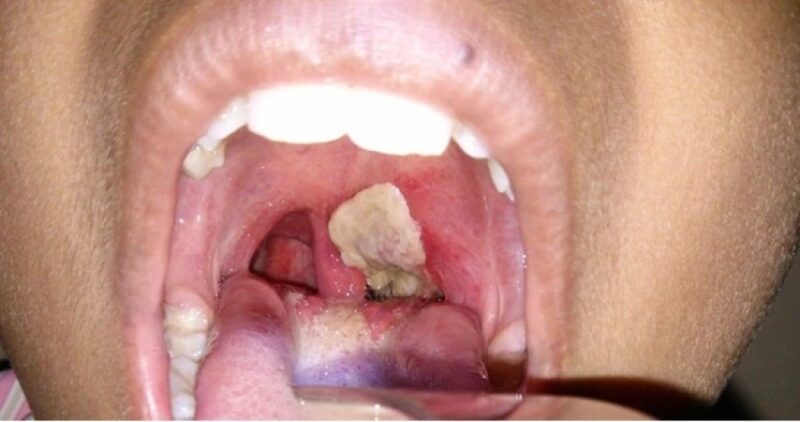
Adamawa Health Officials Report 20 Deaths from Suspected Diphtheria Cases
Parents and caregivers are advised to seek early medical help and update childhood vaccinations as response teams expand outreach.
Health authorities in Adamawa State are responding to a diphtheria outbreak that has caused 20 deaths across 13 local government areas. Speaking on Wednesday, State Epidemiologist Jones Steven Kadabiyu confirmed that health workers have recorded 126 suspected cases throughout the state, with six patients currently receiving medical care in local hospitals.
Diphtheria is a serious bacterial illness that spreads through airborne droplets from coughing or close personal contact. It mainly affects the throat and airway, causing sore throats, mild fevers, swollen neck glands, and difficulty swallowing or breathing.
READ ALSO:
- Kara Bridge Repairs, Multiple Crashes Trigger 14-Hour Gridlock on Lagos-Ibadan Expressway
- 2027: Court Gives Atiku Seven Days to Serve Tinubu Through APC in Eligibility Suit
- 2027: Northern Students Back Tinubu, Pledge Campus-to-Campus Mobilisation
Health officials emphasized that the biggest risk to patients has been waiting too long to visit a health center, as some families try informal remedies at home first before seeking professional medical attention.
The state government is working alongside health partners to track new cases, provide specialized antibiotics and treatments, and protect medical workers and family members.
Officials stressed that while diphtheria can affect people of any age, young children are the most vulnerable to serious complications. Parents and guardians are strongly encouraged to ensure their children are up to date on their routine vaccines and to visit the nearest clinic immediately if anyone develops throat swelling or breathing issues.
Adamawa Health Officials Report 20 Deaths from Suspected Diphtheria Cases
-

 International2 days ago
Islamic Council Condemns Attempted Attack on Holy City of Mecca
-

 News2 days ago
Keep Politics Out of My Office — Ogbomoso Grand Chief Imam Warns Politicians, Bloggers
-

 metro2 days ago
Niger Mosque Abductions: Terrorists Execute 30 of 500 Captive Muslim Worshippers
-

 Entertainment2 days ago
BREAKING: Olu Jacobs Dies at 84, Atiku Mourns Cultural Icon
-

 Business1 day ago
Fuel Prices Climb to ₦1,500 per Litre Across Nigeria, Sparking Calls for Urgent Action
-
 metro3 days ago
Fatal NURTW Leadership Clash in Osun Leaves Two Dead; State Orders Park Shut Down
-

 News2 days ago
Blue Line Rail, Hospitals Get Boost as Lagos Approves ₦200bn Bond and Budget Reordering
-

 News1 day ago
OAU Investigates Death of Final-Year Student as Police Begin Probe
You must be logged in to post a comment Login