
News
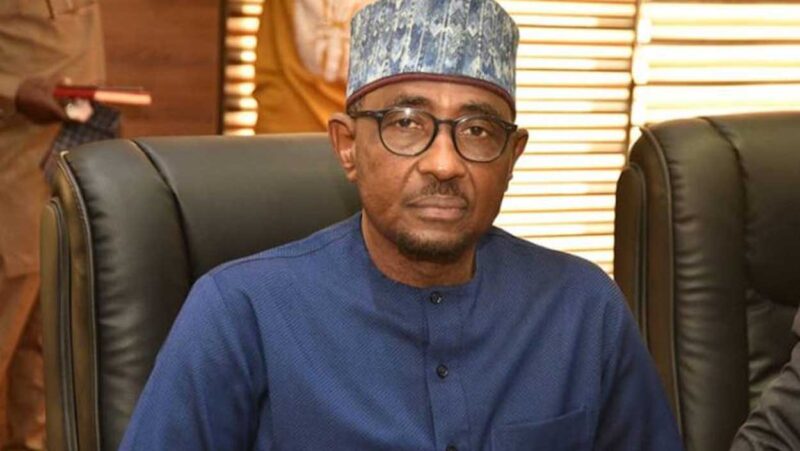
Nigerians demand removal of NMDPRA boss over Dangote refinery
Nigerians demand removal of NMDPRA boss over Dangote refinery
Nigerians have called out the Chief Executive of the Nigerian Midstream and Downstream Petroleum Authority, Farouk Ahmed, for saying the diesel produced by the $20bn Dangote refinery is inferior to the ones imported into the country.
It appears Ahmed incurred the wrath of Nigerians, who accused him of trying to demarket the refinery owned by Africa’s richest man, Aliko Dangote.
PUNCH Online reported earlier that Ahmed had told the Dangote refinery that the Federal Government would not stop the importation of petroleum products, saying Nigeria cannot depend on one refinery to feed the nation.
The agency also said the diesel from the Dangote refinery contains a high sulphur content of about 1,000 parts per million.
Reacting to allegations that the NMDPRA was giving licences to some traders to import dirty fuel into Nigeria, Ahmed argued that it was the Dangote fuel that had the larger content of sulphur.
He revealed that the refinery, which has been selling diesel and aviation fuel in Nigeria for months, has not been licensed, stating that it is still at the pre-commissioning stage.
“The claim by some media houses that there were steps to scuttle the Dangote refinery is not so. The Dangote refinery is still in the pre-commissioning stage. It has not been licensed yet; we haven’t licensed them yet. They are still in the pre-commissioning. I think they have about 45 per cent completion,” he declared.
The NMDPRA boss warned that Nigeria cannot rely heavily on the Dangote refinery for its fuel supply.
READ ALSO:
- Tension in Taraba as bandits hack monarch, son to death
- Palestinians urge world to end Israel’s illegal occupation after ICJ ruling
- Biden rejects calls to step down from presidential race
According to him, the refinery had requested the regulator to stop giving import licences to other marketers so as to be the only fuel supplier in Nigeria.
“We cannot rely heavily on one refinery to feed the nation, because Dangote is requesting that we should suspend or stop importation of all petroleum products, especially AGO and direct all marketers to the refinery, that is not good for the nation in terms of energy security. And that is not good for the market, because of monopoly,” he stressed.
Speaking about quality, he said, “So, in terms of quality, currently the AGO quality in terms of sulphur is the lowest as far as the West African requirement of 50 ppm is concerned.
“Dangote refinery and some modular refineries, like Waltersmith refinery and Aradel refinery, are producing between 650 to 1,200ppm. So, in terms of quality, their product is much more inferior to the imported quality,” he alleged.
While the Dangote Group has yet to react officially to the allegations from the chief executive, Nigerians have taken to social media to demand Ahmed’s removal by President Bola Tinubu.
An X user, Ohiozoje Augustine, said, “He should be immediately relieved of his duties to prevent the damaging impression that his actions were endorsed by those at the top.”
@realist_waley opined: “It’s a very deliberate reckless talk that should warrant a query from the government. This is an obvious economic sabotage and that guy needs to be suspended.”
@Talk2me001, replied the NMDPRA boss: “This is your own selfish agenda. Why do we need to import when we already have Dangote producing legally? Truly, Dangote is right then, that the oil cabals are more dangerous than drug cabals.”
@Dankatsina50 said: “This is a strategy to frustrate Dangote refinery. This has been the game of the oil cabals that has made a whole country not have a single functioning refinery for years. They should allow him to be selling the inferior one to us like that, we will buy it.”
@Gviev commented, “I hope the Central Bank of Nigeria Governor and Minister of Finance are listening to this man. We are talking about promoting local production and exports to reduce demand for foreign exchange and strengthen the naira. He and the oil marketers are rather focused on their selfish interest to keep importing and depressing the naira.
“You should be talking about competition for local producers instead of trying to manipulate Nigerians to focus on your propaganda that Dangote wants a monopoly. Well, it’s Nigeria that will suffer it because Dangote Refinery will just focus on exports.”
Johnson Ayodeji asked, “Oga, is it Dangote that made the government-owned refineries moribund for decades? or has Dangote stopped any other person from building a refinery? We know the enemies of our country.”
Sola Solarin claimed, “This statement is self-indicting. If Dangote has not been licensed, why is he being allowed to sell diesel? If Dangote can meet our local needs, why do we need to import? We can restrict import without compromising energy security.”
Nigerians demand removal of NMDPRA boss over Dangote refinery
Punch







News
US Embassy Suspends Abuja Visa Appointments Over Security Concerns

US Embassy Suspends Abuja Visa Appointments Over Security Concerns
The United States Embassy in Nigeria has suspended visa appointments in Abuja following heightened security concerns, a move that has disrupted travel plans for hundreds of applicants in Abuja.
In an official notice released via its communication channels, the embassy confirmed that all visa interviews in Abuja have been cancelled until further notice, urging affected applicants to check their emails for updates on rescheduled appointments.
“U.S. Embassy Abuja is closed for visa appointments. Applicants should check their email for details on rescheduled appointments,” the statement read. It added that visa services in Lagos remain operational at the United States Consulate General Lagos, providing an alternative for applicants who can access the facility.
The embassy further clarified that American citizen services in Abuja will continue only in emergency situations and strictly by appointment, indicating a temporary scale-down of operations in the capital.
READ ALSO:
- ADC Crisis: Mark-Led Faction Sues INEC Over Party Leadership Removal
- Dangote Sugar Warns Staff Over Chewing Sugarcane, Threatens Arrest
- Jetour set to ignite Lagos with four-day automotive experience
The suspension follows a recent directive by the United States Department of State authorising the departure of non-essential staff and their families from Abuja, citing a deteriorating security situation in Nigeria.
An updated U.S. travel advisory has also placed Nigeria under a “Level 3: Reconsider Travel” status, warning of persistent threats including terrorism, kidnapping, crime, and civil unrest. Several states have been categorised under the stricter “Level 4: Do Not Travel” advisory due to high-risk security conditions.
States listed include Borno State, Yobe State, Taraba State, Niger State, Plateau State, and parts of Adamawa State, where threats linked to terrorism and kidnapping remain high. Other states such as Kaduna State, Katsina State, Zamfara State, and Sokoto State were also flagged over insecurity concerns.
The advisory has triggered reactions from the Federal Government of Nigeria, which described the assessment as “unbalanced” and not fully reflective of ongoing efforts to address insecurity nationwide. Authorities warned that such reports could negatively impact Nigeria’s global image and economic activities.
Despite the disruption in Abuja, visa processing and consular services continue in Lagos, offering a temporary alternative for applicants. However, the development is expected to cause delays in visa processing, particularly for students, business travellers, and individuals with urgent travel needs.
The US Embassy visa suspension in Abuja highlights the broader impact of security challenges on diplomatic operations and international travel, as uncertainty remains over when normal services will resume in the capital.
US Embassy Suspends Abuja Visa Appointments Over Security Concerns
News
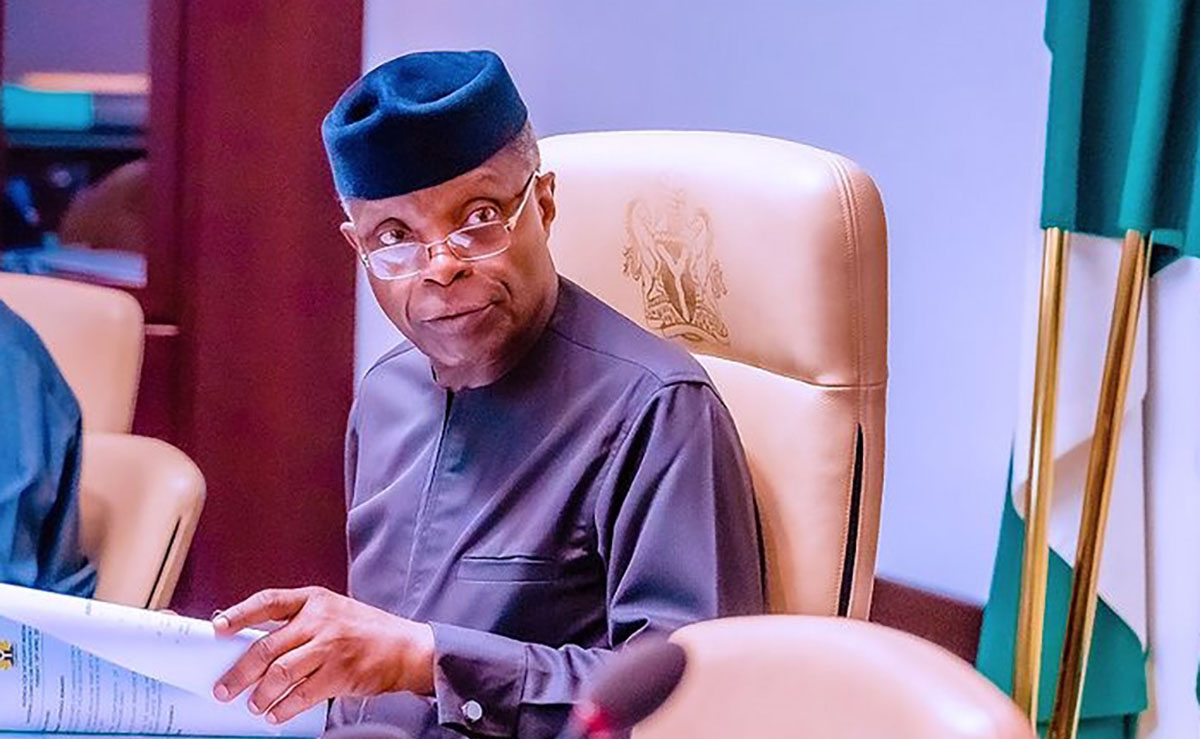
Yemi Osinbajo Appointed Senior Strategic Adviser to Africa CDC
Yemi Osinbajo Appointed Senior Strategic Adviser to Africa CDC
Former Nigerian Vice-President Yemi Osinbajo has been appointed as Senior Strategic Adviser to the Director-General of the Africa Centres for Disease Control and Prevention (Africa CDC), as the agency pushes forward the continent’s Africa Health Security and Sovereignty (AHSS) agenda.
The appointment, announced on Monday, comes at a critical time as Africa CDC seeks to enhance health systems, boost domestic financing, expand local production of medical supplies, and strengthen Africa’s influence in global health governance. In this role, Osinbajo will provide strategic guidance on pandemic preparedness, sustainable healthcare financing, policy direction, and continental collaboration.
Director-General Jean Kaseya praised Osinbajo’s wealth of experience, highlighting his expertise at the intersection of governance, finance, law, and diplomacy. “At a time when Africa must act with greater authority on the future of health, his leadership will be invaluable,” Kaseya said. He added that Osinbajo’s appointment reflects Africa CDC’s commitment to mobilising top African leadership in service of the continent’s health security and development.
READ ALSO:
- Veteran Nollywood Actor Davis Ofor ‘Clarus’ of New Masquerade Dies at 85
- Harry Maguire Signs New Manchester United Deal Until 2027
- Women in Plateau Block Burial of 28 Palm Sunday Attack Victims Over Arrests
Osinbajo served as Nigeria’s Vice-President from 2015 to 2023, during which he chaired the Economic Sustainability Committee, contributed to reforms enhancing the ease of doing business, and played a key role in implementing Nigeria’s social investment programmes. Earlier, he was Attorney-General and Commissioner for Justice in Lagos State from 1999 to 2007. His legal and governance background positions him to offer critical insights on health policy, regulatory frameworks, and strategic partnerships.
The AHSS agenda, which Osinbajo will help drive, seeks to strengthen Africa’s self-reliance in health, improve disease surveillance, and foster regional collaboration to respond more effectively to pandemics and other public health emergencies. Experts say his advisory role will be crucial in promoting local production of vaccines and medical equipment, ensuring Africa can meet its own health needs while influencing global health decisions.
Africa CDC, operating under the African Union, aims to support member states in building resilient health systems capable of confronting future outbreaks and public health crises. Osinbajo’s appointment is expected to further amplify Africa’s voice in global health while ensuring sustainable health development across the continent.
Yemi Osinbajo Appointed Senior Strategic Adviser to Africa CDC
News
Iran Lists Tough Conditions for Peace Talks with US
Iran Lists Tough Conditions for Peace Talks with US
By Agency Report
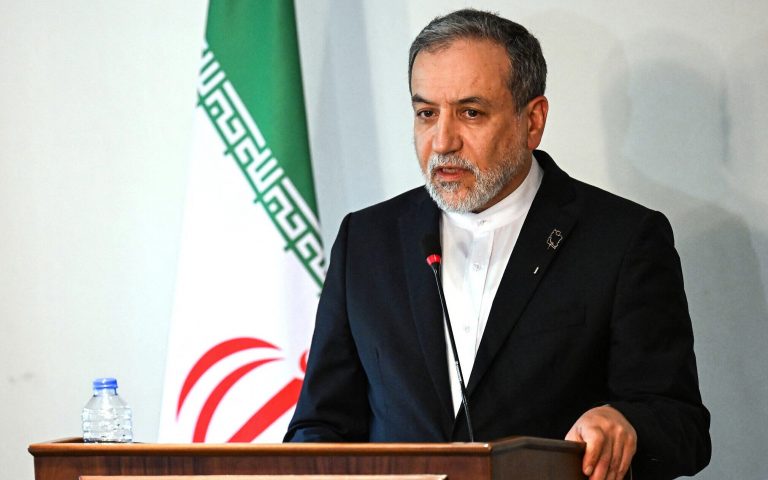
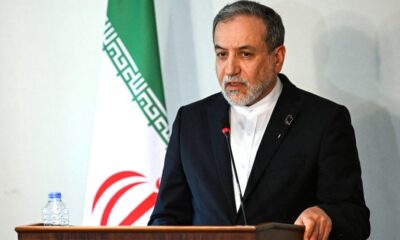
Iran has outlined a set of strict preconditions for engaging in negotiations with the United States aimed at achieving a lasting peace, signalling a hardening of its stance amid ongoing hostilities in the Middle East.
According to a senior Iranian official who spoke to Reuters, Tehran is insisting on an immediate halt to U.S. military strikes, alongside firm guarantees that such attacks will not be repeated, as a prerequisite for any talks.
The official also disclosed that Iran is demanding compensation for damages suffered during the conflict, underscoring the country’s position that any future negotiations must address the consequences of the ongoing war.
In a further indication of its firm posture, Iran has rejected proposals for a temporary ceasefire, maintaining that only a comprehensive and permanent peace agreement would be acceptable.
Tehran is also pushing for new arrangements regarding the strategic Strait of Hormuz, including the right to impose transit fees on vessels passing through the vital global oil shipping route. The proposed fees, according to the official, would vary depending on the type of vessel, its cargo, and prevailing conditions.
The development comes amid intensified diplomatic efforts led by regional mediators, including Pakistan, to broker a ceasefire between the two sides. A U.S.-backed proposal for a 45-day truce has reportedly been put forward as a stepping stone toward broader negotiations, though Tehran has dismissed the idea as insufficient.
Tensions between the two countries remain high, with both sides holding firm to their positions. Analysts say Iran’s demands reflect a broader strategy to secure long-term guarantees and reshape the terms of engagement in the region, rather than accept short-term de-escalation measures.
With neither side showing signs of compromise, prospects for immediate negotiations appear uncertain, raising concerns about further escalation and its implications for global security and energy markets.
Iran Lists Tough Conditions for Peace Talks with US

-
 metro3 days ago
FG Deports US Missionary Alex Barbir Over Alleged Role in Nigeria Insecurity
-

 Entertainment3 days ago
Veteran Nollywood Actor Davis Ofor ‘Clarus’ of New Masquerade Dies at 85
-

 metro2 days ago
2026 NYSC Batch A Stream II: Registration, Swearing-In Dates Announced
-
 Africa19 hours ago
ECOWAS Recruitment 2026: Over 30 Job Vacancies Open for Nigerians (How to Apply)
-
 metro3 days ago
Lagos Announces Partial Road Closures for Project Commissioning
-

 Entertainment2 days ago
Saheed Osupa Defends Juju Use Amid Backlash From Islamic Clerics
-

 Politics23 hours ago
Court Stops ADC Congress, Orders Status Quo in Leadership Row
-
 News3 days ago
Iran Lists Tough Conditions for Peace Talks with US