
metro
NLC asks FG to meet ASUU’s demands or risk strike
NLC asks FG to meet ASUU’s demands or risk strike
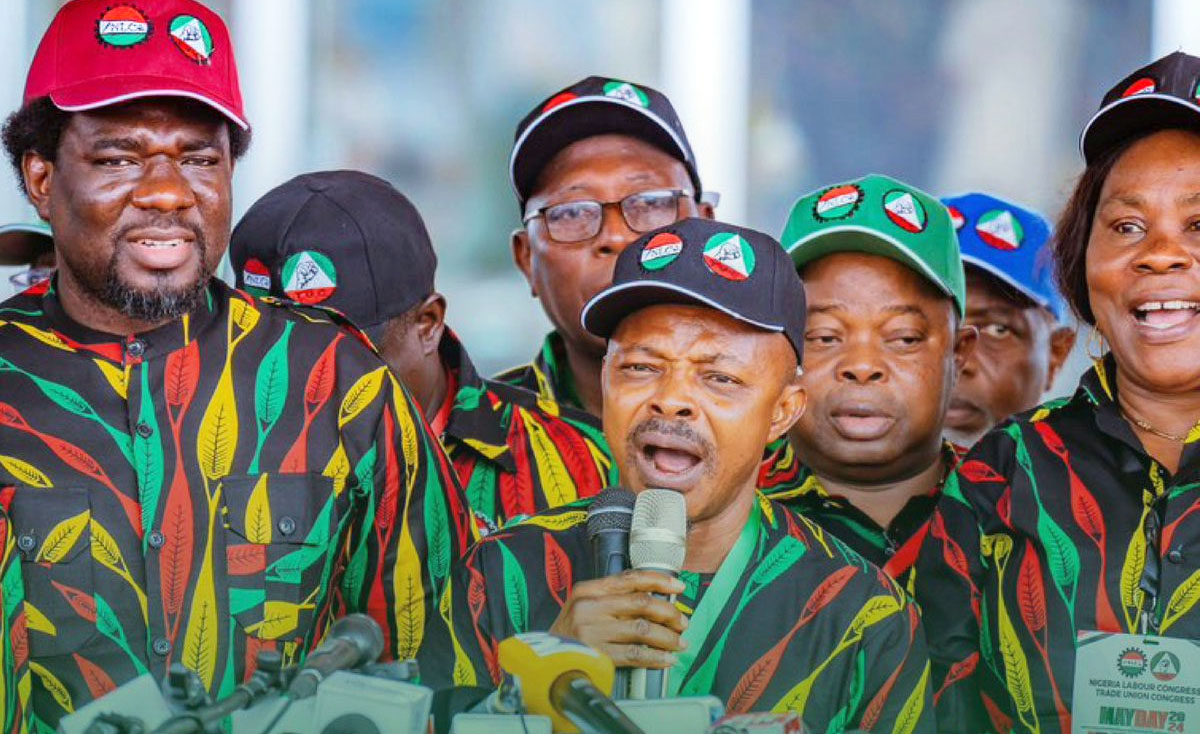
The Nigeria Labour Congress has resolved to issue a four-week ultimatum to the Federal Government should it fail to conclude negotiations with all tertiary institutions-based unions.
The NLC also condemned the no-work-no-pay policy introduced by the government as a form of sanction to members of the Academic Staff Union of Universities for daring to embark on a nationwide strike.
The president of the NLC, Joe Ajaero made this known in an ongoing interactive session with labour correspondents in Abuja.
The interactive session followed the meeting between the NLC and leaders of tertiary institutions’ based unions at the NLC headquarters in Abuja.
“We have decided to give the federal government four weeks to conclude all negotiations in this sector. They have started talks with ASUU but the problem in this sector goes beyond ASUU.
“That is why we are extending this to four weeks. If after four weeks this negotiation is not concluded, the organs of the NEC will meet and take a nationwide action that all workers in the country, all unions in the country will be involved so that we get to the root of all this.
“ The era of signing agreements, negotiations and threatening the unions involved, that era has come to an end.
READ ALSO:
- NANS demands compulsory drug tests for students
- Hamas will be ‘eradicated’ if they breach Gaza ceasefire deal, says Trump
- 17-year-old boy arrested for allegedly removing sister’s eyes for money ritual
“The policy, the so-called policy of no work, no pay, will henceforth be no pay, no work. You can’t benefit from an action you instigated. We have discovered that most, 90% of strike actions in this country are caused by failure to obey agreements,” Ajaero said.
The Nigerian higher education system has been faced with chronic instability, the latest leading to the closure of universities nationwide due to the ongoing strike by ASUU.
Recall that ASUU National President Professor Chris Piwuna announced the strike at a press briefing at the University of Abuja on Sunday, following the expiry of a 14-day ultimatum issued to the government on September 28. The union cited unresolved issues relating to staff welfare, infrastructure, salary arrears, and the implementation of the 2009 ASUU-FGN agreement.
Negotiations in recent weeks failed to avert industrial action. Education Minister Tunji Alausa said two weeks ago that talks had reached a final phase, noting the government had released N50bn for earned academic allowances and allocated N150bn in the 2025 budget for a needs assessment to be disbursed in three instalments. However, ASUU rejected these measures as insufficient.
The union is demanding full implementation of the 2009 agreement, release of three-and-a-half months of withheld salaries, sustainable funding for universities, protection against victimisation, payment of outstanding promotion and salary arrears, and release of withheld deductions for cooperatives and union contributions.
The NLC emphasised its full solidarity with ASUU and other tertiary education unions, calling for robust participation from all union leaders.
It also highlighted the principle of a converse stance, “No Pay, No Work”, urging the government to honour collective agreements and respect the rights of workers.
NLC asks FG to meet ASUU’s demands or risk strike






metro
HURIWA Warns of Alleged Foreign Media Plot to Undermine Tinubu Ahead of 2027 Elections
HURIWA Warns of Alleged Foreign Media Plot to Undermine Tinubu Ahead of 2027 Elections
The Human Rights Writers Association of Nigeria (HURIWA) has sounded the alarm over what it described as emerging plans by certain political interests to allegedly use respected international media platforms as tools to undermine President Bola Tinubu and influence the 2027 General Elections.
Speaking with journalists in Abuja, HURIWA’s National Coordinator, Comrade Emmanuel Onwubiko, said the human rights group has obtained what it considers credible information that documentary‑style features and special investigative reports are being prepared with the intent to portray the current government negatively and damage its reputation ahead of the polls.
Onwubiko suggested that early indicators point to senior members of the Federal Executive Council being prime subjects of what HURIWA characterises as an organised reputational attack orchestrated through foreign media narratives.
While emphasising that HURIWA supports investigative journalism as a crucial democratic tool, Onwubiko warned against the politicisation and misuse of investigative reporting for partisan ends, especially when claims are unverified or lack substantiation.
READ ALSO:
- Human Rights Lawyer Warns Against Targeting Children, Hospitals in U.S – Israel Military Action
- Several U.S. Warplanes Crash in Kuwait Amid Ongoing Iranian Strikes
- Wike Blasts Kingibe Over FCT Council Election Remarks
“What deeply concerns us is the possibility that investigative reporting could be weaponised as a political tool, particularly where allegations are presented without verifiable and substantiated evidence,” he said.
HURIWA noted that globally, election cycles have increasingly seen efforts to manipulate information environments to sway public opinion and impact electoral outcomes — a challenge, Onwubiko said, Nigeria should guard against as it approaches its 2027 polls. Civil society groups, including HURIWA, have in recent months also raised separate concerns about the credibility and fairness of Nigeria’s electoral frameworks, particularly electoral laws, transmission of results and institutional independence — issues many believe could affect public trust in the election process. (THISDAYLIVE)
The activist stressed that the group’s stance is not to shield office holders from legitimate scrutiny, but to protect the integrity of democratic engagement.
“Where there is credible evidence of wrongdoing, it must be transparently presented and lawfully investigated. No public office holder should be above accountability. But equally, democracy must not become a theatre for campaigns of calumny driven by partisan calculations,” Onwubiko said.
HURIWA also called on international media organisations to uphold strict editorial independence, adhere to rigorous evidentiary standards, and ensure that documentary productions and investigative reports are rooted in verified facts rather than influenced by political sponsorship.
The group further urged Nigerian political stakeholders, irrespective of party affiliation, to steer clear of clandestine influence strategies that could tarnish Nigeria’s democratic reputation. It also encouraged government institutions to remain transparent and open to legitimate journalistic scrutiny.
In addition, HURIWA appealed to Nigerians to approach sensational claims with caution as the country draws nearer to the 2027 elections.
“This is not about personalities. It is about institutions. It is not about partisanship. It is about principle,” Onwubiko concluded, affirming that HURIWA will continue to monitor developments and raise its voice whenever it perceives threats to democratic integrity.
The warning comes amid a broader climate of political tension and debate over election preparedness, including commentary from other civil society organisations regarding electoral laws and the integrity of the 2027 polls. (THISDAYLIVE)
HURIWA Warns of Alleged Foreign Media Plot to Undermine Tinubu Ahead of 2027 Elections
metro
Islamic Leader Warns Tinubu: State Police Could Be Used Against Opponents
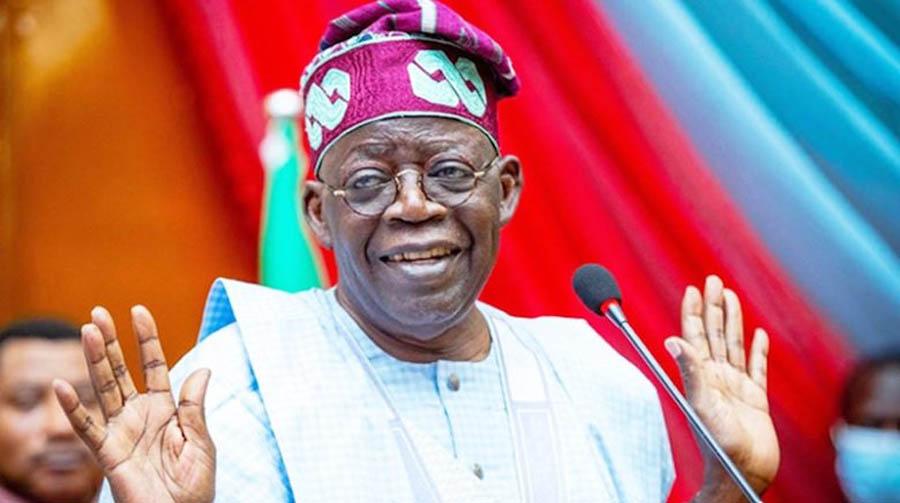
Islamic Leader Warns Tinubu: State Police Could Be Used Against Opponents
A senior Islamic cleric in Plateau State has cautioned President Bola Ahmed Tinubu against pursuing the creation of a state police system, warning that the move could exacerbate political tensions and worsen insecurity in Nigeria’s already fragile states.
The warning came shortly after President Tinubu directed the National Assembly to begin constitutional amendments that would allow individual states to establish their own police forces to help tackle rising violence, banditry, and other security challenges across the country.
Addressing a large crowd at a public religious programme in Jos on Sunday, Sheikh Sani Yahaya Jingir, leader of the **Jama’atu Izalatul Bid’ah Wa’Ikamatis Sunnah (JIBWIS), said the creation of state‑controlled security outfits could be abused by politicians and turned into a tool against perceived enemies, especially in politically sensitive environments like Plateau State.
Sheikh Jingir argued that in states with a history of ethnic and political clashes, state police could be misused to revive old disputes under the cover of law enforcement, deepening distrust and undermining existing peace efforts. He warned that local actors are already exploiting the ongoing debate around state policing to stir fear, unrest, and division in communities.
READ ALSO:
- Daddy Freeze Warns Couples Over 40: ‘Avoid Moving Abroad, Especially US, UK’
- Austin Bar Shooting Kills 3, FBI Investigates Possible Terrorism Link
- Presidency Denies Alleged Poison Plot Against President Tinubu, Calls Viral Report Fake
The cleric went further to say that state police might be used to target individuals labelled as “settlers” or outsiders, potentially forcing them out of their homes and communities, which could destroy fragile peace and widen longstanding social divides.
Speaking directly to President Tinubu, Sheikh Jingir emphasised that not all political leaders could be trusted with armed security forces, citing concerns that some may use state police to persecute those not aligned with their political ideology. “Wallahi, if you grant them the permission to establish police, they will start killing those who are not inclined towards their political ideology,” he warned.
He urged political leaders to prioritise dialogue, reconciliation, and unity over creating new security bodies that may be misused for political gain. “Peace must come before political ambition,” he said, urging a focus on strengthening existing national security agencies rather than establishing parallel forces that could be weaponised.
Sheikh Jingir also questioned members of the audience on whether such a policy should be accepted, to which the crowd responded loudly: “Not at all.”
The cleric’s comments reflect wider concerns among some religious and community leaders, civil society groups, and analysts who fear that without robust legal frameworks, oversight mechanisms, and accountability structures, state police could function as partisan or ethnic militia forces rather than professional law enforcement agencies.
Critics of the state police proposal have echoed similar sentiments, saying that current national security agencies — including the Nigeria Police Force, Department of State Services, and other security formations — should be reformed and strengthened to respond more effectively to insecurity instead of creating new security institutions that could further complicate Nigeria’s security architecture.
Supporters of the state police concept argue that decentralised security forces could allow states to respond more promptly and effectively to local security threats, reduce dependence on federal resources, and improve community trust. They say proper constitutional safeguards, clear command structures, and community‑based oversight can mitigate risks of misuse.
As debates continue in political and civic circles, Nigeria faces the challenge of balancing the need for improved security solutions with concerns about political misuse, accountability, and the protection of citizens’ rights.
Islamic Leader Warns Tinubu: State Police Could Be Used Against Opponents
metro
Daddy Freeze Warns Couples Over 40: ‘Avoid Moving Abroad, Especially US, UK’

Daddy Freeze Warns Couples Over 40: ‘Avoid Moving Abroad, Especially US, UK’
Foremost Nigerian media personality Daddy Freeze has ignited a heated debate after advising married Nigerians over 40 against relocating abroad, particularly to the United States and the United Kingdom.
Speaking on The Honest Bunch Podcast, Daddy Freeze said couples should only consider emigration if the suffering in Nigeria is unbearable or if the benefits abroad significantly outweigh opportunities at home. Outside these circumstances, he strongly urged couples to remain in Nigeria, stating: “Avoid America and avoid the UK for now. If you are married, avoid relocating for now.”
Daddy Freeze highlighted several challenges that mature couples may face when considering relocation. He explained that immigration and citizenship issues can be a major hurdle, with children born abroad potentially encountering complex legal and residency challenges due to evolving visa policies in the US and UK. He also raised concerns about the strain on marriages, alleging that some couples resort to divorcing and remarrying solely to secure residency or citizenship. He questioned, “How many marriages can survive a divorce and remarriage of the same couple?” Additionally, he noted the emotional and cultural adaptation required in a new country can be overwhelming, particularly for couples with established family, career, and social responsibilities.
READ ALSO:
- Austin Bar Shooting Kills 3, FBI Investigates Possible Terrorism Link
- Presidency Denies Alleged Poison Plot Against President Tinubu, Calls Viral Report Fake
- Saudi Arabia Denies Lobbying US to Strike Iran as Gulf States Respond to Escalation
His warning sparked reactions across social media, with many agreeing that age, family obligations, and long-term commitments make relocation far more complex for older couples. Supporters emphasized that the “Japa” dream is not always glamorous and can present real-life challenges. Conversely, some argued that opportunities abroad, including better education, healthcare, and safety, can outweigh these challenges if couples plan carefully. Migration and family psychology experts also note that successful relocation requires clear communication, strong emotional support, careful financial and legal planning, and adaptability to new cultural environments.
The term “Japa”, now commonly used in Nigeria, represents the pursuit of better opportunities abroad in response to economic and social pressures such as inflation, unemployment, and limited professional growth. While younger Nigerians often pursue visas to countries like the US, UK, and Canada, Daddy Freeze’s warning draws attention to the unique challenges mature couples face, including marital stability, legal complexities, and emotional resilience. His comments have reignited discussions about migration, family planning, and the realities of relocating abroad, particularly for Nigerians considering major life changes in mid-life.
Daddy Freeze Warns Couples Over 40: ‘Avoid Moving Abroad, Especially US, UK’

-

 International2 days ago
Ayatollah Ali Khamenei, Iran’s Supreme Leader, Dies After U.S.–Israeli Strikes
-
 International3 days ago
BREAKING: Israel Launches Pre‑emptive Strike on Iran, Explosions Reported Across Tehran
-
 International2 days ago
Iran: US, Israel launch another strikes, Commander, Defence leader, five other top officials killed
-

 International2 days ago
Middle East on Edge as Iran Retaliates Against Israel, U.S Bases
-

 International3 days ago
Trump Urges Iranians to Overthrow Government Amid US-Israeli Attacks
-

 International2 days ago
Kamala Harris Slams Trump for Dragging U.S. Into ‘Unwanted War’ in Iran Conflict
-
 International3 days ago
Reports: US Forces Join Israeli Offensive Against Iran
-

 Opinion3 days ago
Our children must be kept away from Obi’s mob