

News
NNPC projects $1tn loss in global oil production by December

The Nigerian National Petroleum Corporation has estimated global losses from exploration and production activities due to slowing demand for crude oil amid the COVID-19 pandemic will hit about $1 trillion by the end of 2020.
Group Managing Director of the corporation, Mallam Mele Kyari, who stated this on Tuesday at the Nigerian Association of Petroleum Explorationists (NAPE) 2020 Conference, also reiterated the plan of the NNPC to reduce production cost per barrel to $10 by 2021.
The theme of the conference held in Lagos was “Accelerating Growth in Nigeria’s Hydrocarbon Reserves: Emerging Concepts, Challenges and Opportunities.”
He said the NNPC had slashed its cost per unit to between 20 per cent and 30 per cent and would reach the projected target next year.
He said, “We are in challenging times. What COVID-19 did to the oil industry is monumental. It has done a lot of collateral damage to the rest of the industry, entertainment and everything you can think off.
“Of course, the collateral cost to the industry we expect is about $1tn of loss for E&P across the globe.
“There’s an extreme decline in demand for oil and of course other losses through the year which is fatal for the business.
“But businesses must adjust and do things differently. We have pulled down cost and increased revenue and we are focusing more on reducing cost and optimising costs where we are not able to cut costs.
“We are investing in gas because we have seen the resilience of gas and that has taught us that gas will be the future of transition fuel and a great player in the future scenario. We are a gas country with over 600tcf with proven reserves of 203 trillion CF. We have done very little on that. The PIB will be the solution to this.”
Kyari said the only way to survive the difficult situation was to cut or optimise production costs and increase revenue.
Vice President, Prof. Yemi Osinbajo, who also attended the event, said the Federal Government was targeting the growth of the country’s crude oil reserves, currently at about 36 billion barrels to 40 billion and achieve a daily production of three million barrels.
Kyari, in his virtual presentation from Abuja, explained that with over 203 trillion cubic feet of gas, the Petroleum Industry Bill (PIB) when passed into law, would unlock the huge potential in the country.
According to him, without a clear fiscal environment and incentives in place, no one will invest in the sector, adding that by the time the PIB is ready next year, there will be renewed vigour in the industry, especially on the gas side.
He stated that despite the conversations surrounding the extinction of hydrocarbons, crude oil will continue to be relevant in the next 20 to 40 years.
He added that only very efficient companies producing at cheapest cost and getting to the market early would survive.
Kyari expressed delight at the discovery of oil in the frontier basin, particularly in the Benue trough.
He said it would significantly change the dynamics of production in the country, including the expansion of the country’s reserves.
He said, “Times are tough but the opportunities are all there. As a company, we have a target in the upstream and we know that $10 is possible in the industry. A lot is going on in terms of sharing resources, reducing contracting circle etc. We have seen a cost reduction of 20 to 30 per cent and overall at the end of 2021, we will see the $10 unit production cost.
“There are areas where it’s being done for less than $10 and unless we do this, we will not be competitive. The advantage we have is the quality of oil we have and we are one of the most extreme area in terms of distribution, so we have to pull the cost down, otherwise, we will produce oil and not find anyone to buy because you cannot cover the cost ultimately.”
Osinbajo, represented by the Minister of State, Petroleum, Chief Timipre Sylva, explained that though renewable energy remained the future of energy transition, hydrocarbons would remain the dominant source of energy in the immediate future.
He expressed optimism that a single-digit unit cost of production was achievable, provided the entire industry could work together to achieve the set target.
He said, “There’s no gainsaying that the growth of some countries depends on energy availability and utilisation, especially on crude oil and increasingly on natural gas.
“Renewable energy is becoming a cheaper form of energy and response to climate and reduced dependence on hydrocarbons over the next century seems to be inevitable. That notwithstanding, technology and discussions to date suggest that hydrocarbons will remain the dominant source of energy in the immediate future.
“The increased level of uncertainty in oil and gas demand and the emerging technologies on alternative energy have become important elements in making decisions on optimal exploitation of petroleum resources.
“This is more critical now that abundance of hydrocarbons is being discovered in the most unconventional places of the world. I suggest that our discussion should include but not limited to provision of secure energy supplies.”
The vice president stated that the OPEC production curtailments had resulted in lower revenue for the government, adding that it is now imperative for Nigeria to achieve a single-digit cost of production.
“Another key mandate is the growth of the country’s reserves to 40 billion barrels of crude oil as well as the production capacity of three million barrels of crude oil per day. We are fully committed to this mandate, notwithstanding the curtailment.
“We have the assurance that the curtailment will soon be over as the world economy improves. To grow our reserves, we have proposed fiscal incentives that will attract investments in the PIB,” he stated.






News
Breaking: Tinubu Ends Extended European Vacation, Departs Paris for Nigeria
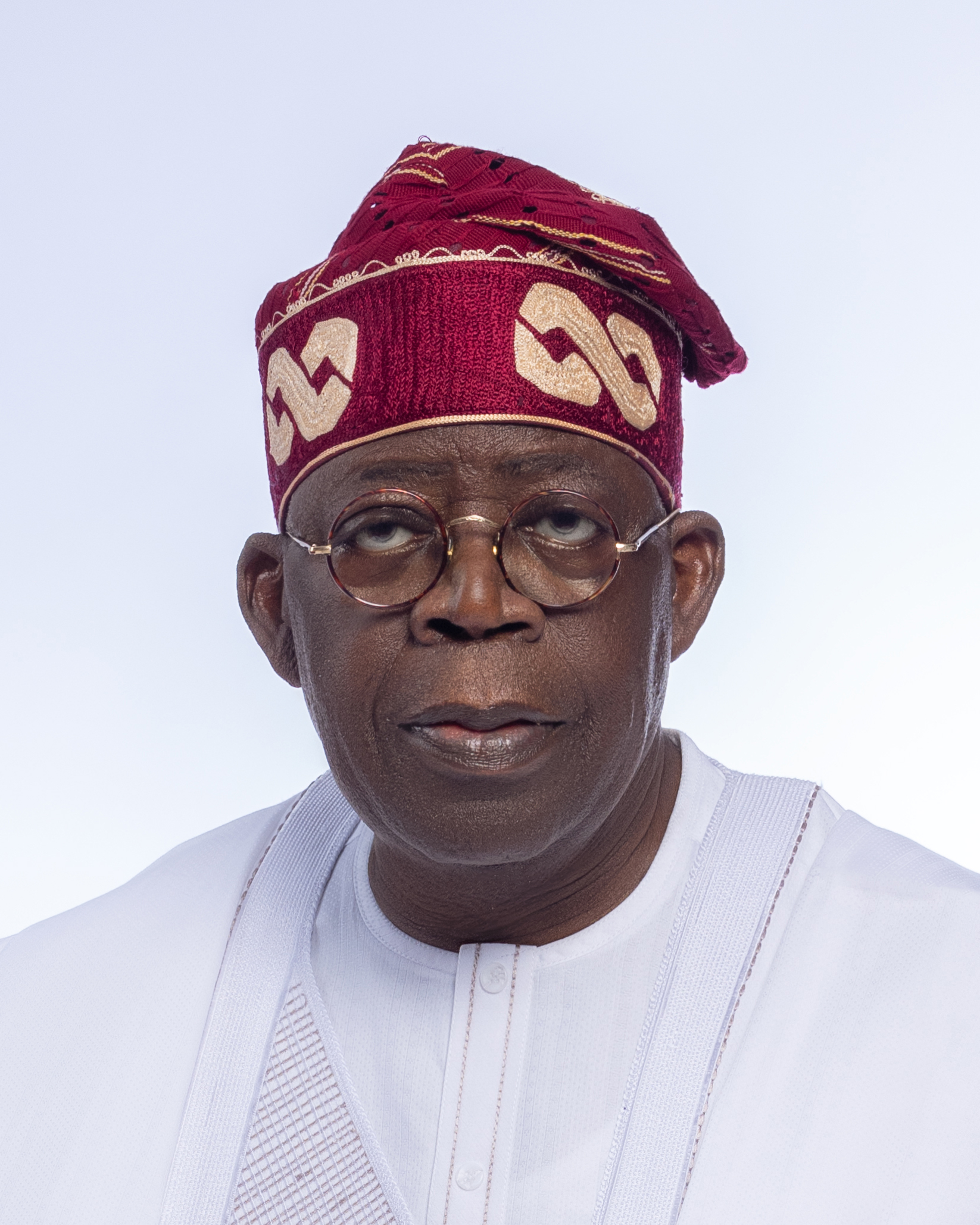
Breaking: Tinubu Ends Extended European Vacation, Departs Paris for Nigeria
President Bola Ahmed Tinubu has departed Paris, France, for Nigeria, bringing to an end his extended working vacation in Europe, with his aircraft expected to arrive at the Murtala Muhammed International Airport, Lagos, later Tuesday.
The President left Abuja on August 30 for London to begin his working vacation and subsequently moved to Paris, where he held official engagements, including meetings with French President Emmanuel Macron and business leaders.
His stay, initially expected to last about three weeks, was extended by the Presidency, which announced on September 21 that Tinubu would return to Nigeria after a few additional days.
In a statement on Tuesday, Special Adviser to the President on Information and Strategy, Bayo Onanuga, confirmed that Tinubu had departed Paris for Nigeria.
Onanuga said the President’s aircraft was expected to touch down in Lagos later in the day.
According to the presidential spokesman, Tinubu chose to return through Lagos to honour the memory of the late Chief Moshood Kashimawo Olawale Abiola, widely associated with the struggle for the restoration of democratic rule in Nigeria.
The President is also expected to participate in activities surrounding Nigeria’s 66th Independence Anniversary on October 1 before returning to Abuja.
Tinubu’s prolonged absence from the country had generated public debate, particularly after he did not personally attend the 81st United Nations General Assembly in New York, where Vice President Kashim Shettima represented Nigeria.
The Presidency, however, maintained that Tinubu remained engaged with the affairs of government throughout his stay abroad. It said he continued to issue directives and conduct official business remotely while Vice President Shettima and other senior government officials represented him at various engagements.
During his stay in France, Tinubu also held talks with Vincent Bolloré of the Bolloré Group on expanded investments in Nigeria’s creative and digital economy. The State House said the discussions covered areas including film, entertainment, fibre-optic infrastructure and related sectors.
His return comes as the administration continues to focus on its economic reform programme, infrastructure development, energy transition and investment drive.
The President is expected to remain in Lagos for the Independence anniversary activities before returning to Abuja.
News
Agbede Mourns Baba Alado, Says Mushin Has Lost Pillar of Peace
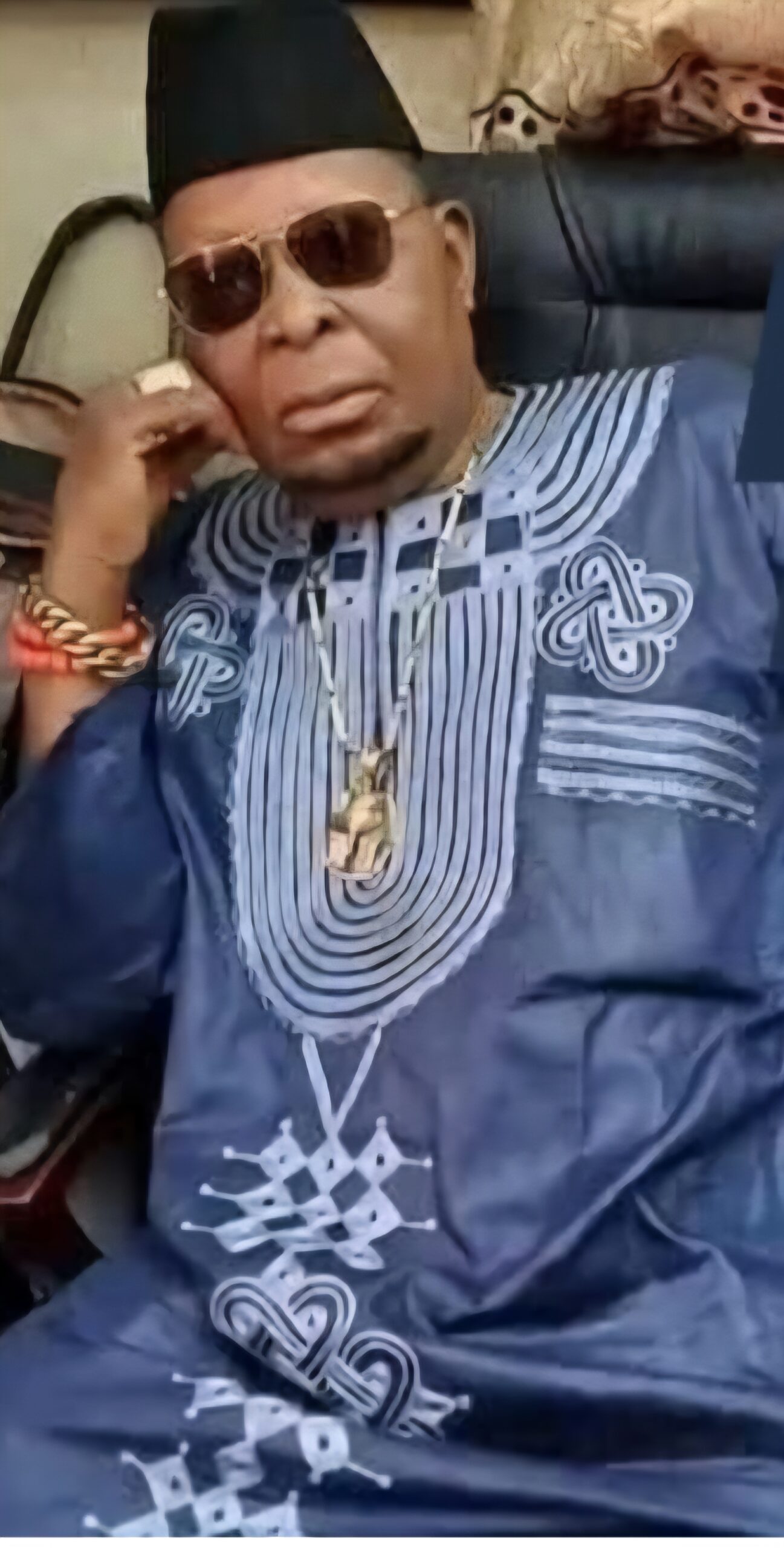
Agbede Mourns Baba Alado, Says Mushin Has Lost Pillar of Peace
Mushin community in Lagos has lost one of its foremost voices for peace, dialogue and stability with the death of a prominent community leader and grassroots mobiliser, Chief Alhaji Taoreed Faronbi, popularly known as Baba Alado.
Former Chairman of the National Union of Road Transport Workers, Lagos State Council, Alhaji (Chief) Tajudeen Agbede, who is also the Balogun of Agege, described the death of the 83-year-old community leader as a monumental loss to Mushin, Lagos State and the transport union family.
Baba Alado, the Olori Ebi of the Alagbeji Royal Family in Papa Ajao and Babaloja of Aswani International Market, died in the early hours of Saturday, September 26, 2026.
In a condolence message personally signed on Sunday in Lagos, Agbede said the late community leader played a crucial role in maintaining peace and stability in Mushin, particularly during his tenure as chairman of the Lagos State NURTW.
According to him, Baba Alado was more than a community leader, as he served as a trusted bridge-builder whose counsel often helped to prevent disagreements from escalating into crises.
“During my tenure as Lagos NURTW Chairman, Baba Alado was a formidable force for peace and stability, especially in the Mushin axis, which remains strategic to union activities.
“At moments when tension arose, Baba Alado’s timely intervention, fatherly counsel and authoritative voice helped us maintain peace and brotherhood among members. He was not a distant leader.
“He was a constant, regular and respected face at every major union activity and event organised under my chairmanship,” Agbede stated.
The former NURTW boss said Baba Alado’s influence extended beyond the transport sector, noting that he promoted dialogue and understanding among transport workers, market traders, youths and traditional leaders in Mushin.
Agbede described the deceased as a detribalised leader and devout Muslim who devoted his life to the progress of his community and the welfare of those around him.
“He was a good adviser, a detribalised leader and a devout Muslim who touched many lives. His wisdom, calm disposition and steadfast commitment to the progress of Mushin and Lagos State will be long remembered,” he added.
Agbede extended his condolences to the wives and children of the deceased, members of the Alagbeji Royal Family, the Chairman of Mushin Local Government, Hon. Tunbosun Haruna Aruwe, and the people of Mushin.
He also commiserated with the Lagos State Chairman of the NURTW, Alhaji Mustapha Adekunle, popularly known as Sego, as well as members of the transport union family.
Agbede prayed Almighty Allah to forgive Baba Alado’s shortcomings, accept his good deeds and grant him Aljannah Firdaus.
He also prayed for Allah’s comfort and fortitude for the deceased’s family and all those mourning his passage.
News
“What Is Tinubu Doing in Paris?” — Atiku’s Aide Challenges Presidency
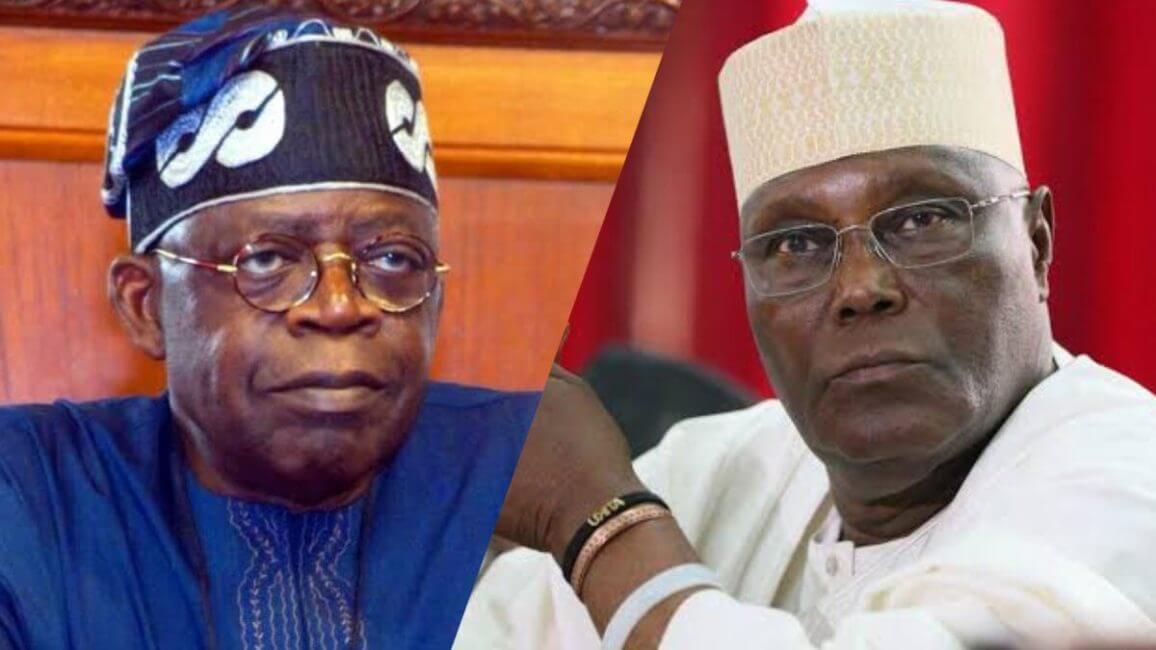
“What Is Tinubu Doing in Paris?” — Atiku’s Aide Challenges Presidency
By Our Correspondent
The media aide to former Vice President and African Democratic Congress (ADC) presidential candidate, Atiku Abubakar, Paul Ibe, has challenged the Presidency to publish details of President Bola Ahmed Tinubu’s substantive engagements in Paris and the outcomes of his activities during his prolonged stay in France.
Ibe made the demand on Monday, September 28, 2026, amid renewed questions over Tinubu’s continued absence from Nigeria after the period initially announced for his three-week working vacation.
Tinubu left Nigeria on August 30 for London to begin what the Presidency described as a three-week annual working vacation. He subsequently travelled to Paris, where he held meetings with French President Emmanuel Macron and French businessman Vincent Bolloré.
Ibe said Nigerians deserved sufficient information about the official engagements being undertaken by Tinubu in France, arguing that the Presidency should provide details that would enable the public to assess the purpose and outcome of the President’s extended stay abroad.
According to him, the issue was not whether the President was “hale and hearty”, but why his stay abroad had continued beyond the period initially announced by the Presidency.
“The Presidency should publish Tinubu’s substantive engagements and their outcomes. Nigerians can then judge whether this prolonged absence is justified,” Ibe said, according to a report published on Monday.
The Atiku aide also questioned the reference to the proposed $7 billion Ogun deep-seaport project as part of the explanation for Tinubu’s activities in France.
He noted that the agreement was between the Ogun State Government and DP World, with Tinubu witnessing the signing, and questioned its relevance to the justification for the President’s prolonged stay in France.
The Presidency, however, has maintained that Tinubu’s absence from Nigeria does not mean he has stopped performing his presidential duties.
In a September 21 statement, Special Adviser to the President on Information and Strategy, Bayo Onanuga, said Tinubu had extended his working vacation by a few days and would return to Nigeria at the weekend.
The Presidency said the President had remained in contact with officials at home and continued directing government affairs while abroad. It cited, among other activities, Tinubu’s decision to order an independent panel to investigate the deaths of 37 illegal miners in Minna.
The State House also confirmed that Tinubu met Bolloré in Paris on September 18 over plans to deepen investment in Nigeria’s creative and digital economy.
According to the Presidency, the discussions covered areas including film, entertainment and fibre-optic infrastructure, with the Bolloré Group indicating plans to deepen its operations and investments in Nigeria.
Ibe also questioned Tinubu’s decision to remain in France while the 81st United Nations General Assembly was taking place in New York.
Vice-President Kashim Shettima represented Nigeria at the UN General Assembly, while Tinubu remained in Europe. The Presidency explained that Shettima was representing the President and would deliver Nigeria’s national statement at the global gathering.
Ibe contrasted Tinubu’s continued stay in France with French President Emmanuel Macron’s movements, noting that Macron had hosted Tinubu in Paris before travelling to New York for the UN General Assembly.
“Meanwhile, Emmanuel Macron, who hosted Tinubu at the Élysée Palace, travelled to New York for UNGA and returned while Tinubu remained in France on housekeeping duties,” Ibe said.
Tinubu’s prolonged stay has continued to generate political debate, particularly following reports that his expected return to Nigeria had been postponed.
TheCable reported on September 27 that the President’s return plans had been changed at the last minute, with Tuesday being reported as the likely new return date. The reason for the change was not immediately disclosed.
The development has also triggered debate over Section 145 of the Nigerian Constitution, which deals with the President’s absence from office and the transmission of written declarations concerning vacation or inability to discharge presidential functions.
Atiku and his media aide have previously questioned whether the constitutional procedure was followed during Tinubu’s prolonged absence. The Presidency and other government officials have maintained that Tinubu remains in charge of the country’s affairs.
The latest exchange has therefore centred on two positions: the Presidency’s assertion that Tinubu has continued to conduct official business from abroad, and the opposition’s demand for greater disclosure about the President’s activities and the reasons for his extended stay in France.
“What Is Tinubu Doing in Paris?” — Atiku’s Aide Challenges Presidency
-
 International2 days ago
Iran Claims Capture of Second US Underwater Drone in Strait of Hormuz
-

 metro2 days ago
Woman Busted With Alleged Alcohol Hidden in Water Pack at Ogun Prison
-
 News2 days ago
Fake Agency Scandal: Gbajabiamila Says He Never Betrayed Tinubu’s Trust
-

 metro14 hours ago
Osogbo Food Bonanza Turns Nightmare as Discount Vendor Vanishes With Customers’ Millions
-

 metro1 day ago
24 Hours in Darkness: Iju Ishaga Residents, Businesses Count Losses as Ikeja Electric Fails to Restore Power
-
 News2 days ago
Anambra Govt Demands Unreserved Apology From Peter Obi Over Debt Claims
-

 metro2 days ago
Passenger Dies After Jumping From Moving Bus In Lagos
-
 Politics2 days ago
APC Sweeps Enugu LG Election, Wins All 17 Chairmanship, 260 Councillorship Seats
You must be logged in to post a comment Login