
Business
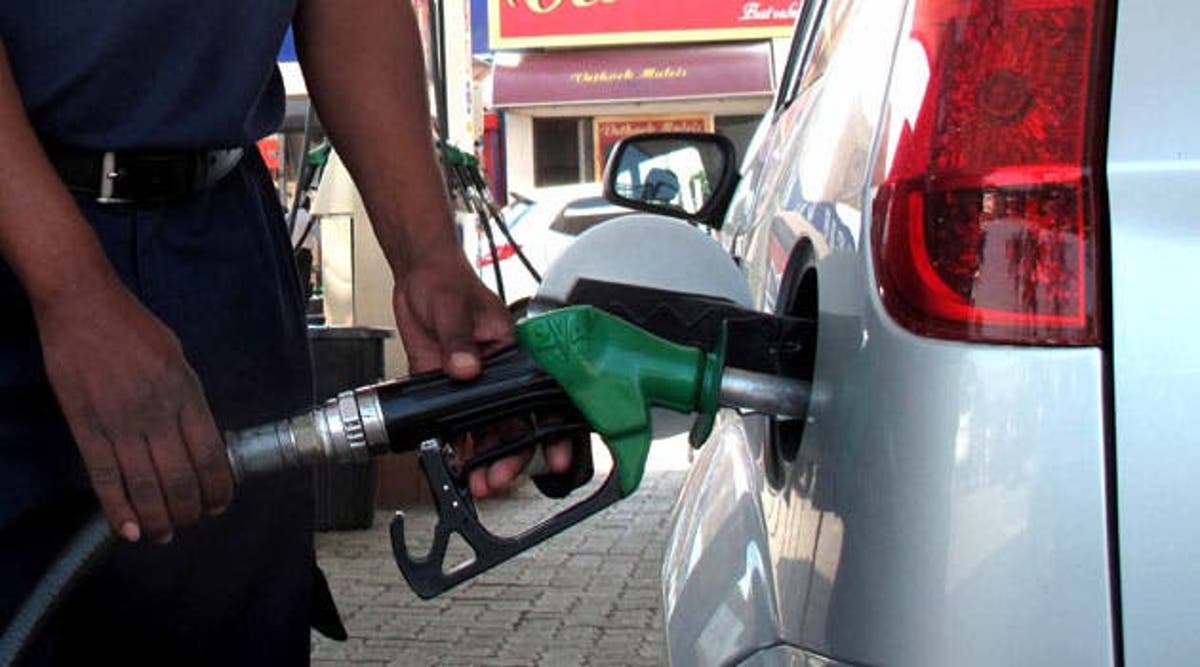
NNPCL denies alleged plan to increase petrol pump prices
NNPCL denies alleged plan to increase petrol pump prices
THE Nigerian National Petroleum Company (NNPC) Limited has refuted claims that it plans to increase its pump prices for Premium Motor Spirit, commonly referred to as petrol.
The company’s management, in a statement shared Friday on X, said this was contrary to speculation.
“Dear esteemed customers, we at NNPC Retail value your patronage, and we do not have the intention to increase our PMS pump prices as widely speculated,” the statement read.
READ ALSO:
- Lagos Commissioner of Police to address the Media today on Mohbad’s case
- “Mohbad hit me twice, chased me away when I tried to make peace between him and his wife” — Primeboy
- Troops nab suspected abductors of Jos varsity students
IMPORTANT NOTICE
Dear esteemed customers, we at NNPC Retail value your patronage, and we do not have the intention to increase our PMS pump prices as widely speculated. Please buy the best quality products at the most affordable prices at our NNPC Retail Stations nationwide.… pic.twitter.com/tcIGojU9M8
According to NNPC Limited, its retail stations sell the best quality products at the most affordable prices.
Since President Bola Tinubu assumed office on May 29, declaring that “fuel subsidy is gone“, the NNPC has increased its prices at least twice, now costing three times the cost at the time: below N200 per litre.
NNPCL denies alleged plan to increase petrol pump prices
(channelstv)









Auto
Jetour set to ignite Lagos with four-day automotive experience

Jetour set to ignite Lagos with four-day automotive experience
Lovers of sophisticated and elegant SUVs in Lagos are about to witness a combination of automotive engineering and urban lifestyle as Jetour Nigeria announces the hosting of a flagship event, “The Jetour Experience,” a four-day immersive festival designed to redefine how Nigerians interact with the road.
From April 16 to 19, 2026, The Podium in Lekki, Lagos, will be transformed into a high-energy hub where sleek design meets high-octane entertainment. This is not just a standard car show; it’s a curated lifestyle destination, says the organisers in a statement.
The four-day event is said to promise a fusion of horsepower, high fashion, and plenty of fun.
Tagged “The Jetour Experience,” the four-day extravaganza is not just about gleaming chrome and leather seats; it is a high-octane celebration aimed at blurring the lines between mobility and entertainment.
Specifically, it stated that the exhibition would feature test drives, virtual reality gaming, fitness sessions, and interactive activities with branded giveaways.
The statement added that the arena would buzz with entertainment, including contests and interactive games, giving guests the chance to win exclusive branded gifts and prizes.
In a massive show of force, Jetour says it is partnering with its seven prestigious accredited dealers—Elizade Nigeria Limited, New Era Autovehicle Services Limited, Kojo Motors, R.T. Briscoe, Tab Autos Limited, Mandilas Motors, and Germaine Auto Centre —to bring their full fleet to the public.
Whether you are an eco-conscious commuter or an off-road adventurer, the lineup has something for everyone, according to a statement by the Jetour Nigeria.
The Urban Explorers: X50 and X70
The Sophisticates: X70 Plus and X90 Plus
The Eco-Warriors: X70 PHEV and T2 PHEV (Plug-in Hybrids)
The Icons: The rugged T2 and the razor-sharp Dashing
Jetour is blurring the lines between mobility and entertainment. Running daily from 9:00 am to 7:00 pm, the event promises a packed itinerary designed to keep the adrenaline pumping.
Visitors will also push limits during test drives, explore virtual reality (VR) gaming such as foosball, and take part in curated fitness sessions.
In a creative masterstroke, the grand finale will feature a car runway fashion show. Attendees can expect a visual feast where automotive engineering meets sartorial elegance, reinforcing the idea that a Jetour is not just a vehicle but a fashion statement.
The firm stated, “Beyond the glitz, the event maintains a strong focus on safety. A dedicated panel discussion featuring stakeholders and officials from the Federal Road Safety Corps (FRSC) will explore road safety, tech-driven security, and the future of motoring in Nigeria.
“With its blend of adrenaline, artistry, and advocacy, Jetour Nigeria isn’t just hosting an event; it is creating a destination.”
Business
Imported Petrol 12% Cheaper Than Dangote Fuel – World Bank

Imported Petrol 12% Cheaper Than Dangote Fuel – World Bank
The World Bank has revealed that imported Premium Motor Spirit (PMS) is currently about 12 per cent cheaper than petrol supplied by the Dangote Petroleum Refinery, raising concerns over pricing distortions and rising inflationary pressures in Nigeria’s economy.
The disclosure was contained in the Bank’s latest Nigeria Development Update, which highlighted widening gaps between import parity prices and locally refined fuel costs amid volatile global oil market conditions. According to the report, Dangote refinery’s ex-depot price stood at about ₦1,275 per litre as of March 2026, compared to an estimated ₦1,122 per litre for imported petrol, creating a significant price advantage for imports.
Despite the report, Dangote refinery has denied any recent increase in petrol prices, maintaining that its current pricing structure remains unchanged. A source within the company stated that the gantry price is fixed at ₦1,200 per litre, while the coastal price stands at ₦1,153 per litre, stressing that no new pricing has been introduced. The refinery reiterated its commitment to ensuring steady fuel supply across Nigeria and other African markets, positioning itself as a stabilising force in the downstream sector.
The World Bank noted that the price disparity persists even as Dangote refinery has become a dominant supplier of petrol in Nigeria, particularly following the halt in fuel import licences earlier in 2026. According to analysts, this situation reflects structural inefficiencies in the domestic fuel market, including foreign exchange pressures, logistics costs, and crude pricing mechanisms.
The report warned that rising global crude oil prices—driven by geopolitical tensions, particularly in the Middle East—could worsen inflationary pressures if sustained. It projected that an increase in oil prices to about $80 per barrel could add roughly 3.1 percentage points to Nigeria’s headline inflation, assuming full pass-through to domestic fuel prices.
The Bank explained that energy costs serve as a major inflation transmission channel, with transport alone accounting for about 10.1 per cent of Nigeria’s Consumer Price Index (CPI). Higher fuel prices, therefore, have a multiplier effect, increasing costs across transportation, food distribution, and other sectors of the economy.
Beyond fuel, the report highlighted additional risks from rising global food and fertiliser prices, which are also being influenced by the same geopolitical disruptions affecting oil markets. This combination, the Bank warned, could further strain household incomes and worsen cost-of-living pressures.
Speaking during the report presentation in Abuja, the World Bank Country Director for Nigeria, Mathew Verghis, acknowledged improvements in Nigeria’s macroeconomic outlook through 2025 and early 2026, driven by ongoing reforms. However, he cautioned that external shocks remain a major threat to price stability, particularly through rising energy and shipping costs.
Similarly, the World Bank’s Lead Economist for Nigeria, Fiseha Haile, noted that increases in petrol prices have already filtered through transport and logistics chains, amplifying cost pressures across multiple sectors. He also pointed to ongoing vulnerabilities, including volatile global financing conditions and weaker capital inflows, despite improvements in Nigeria’s external reserves and exchange rate reforms.
Meanwhile, global oil prices have recently declined sharply following a ceasefire agreement between the United States and Iran, easing immediate supply concerns. Benchmark Brent crude and West Texas Intermediate crude recorded their steepest one-day drops since 2020, falling to around $93 per barrel after the announcement by Donald Trump that both countries had agreed to a temporary truce and the reopening of the Strait of Hormuz.
Despite this easing, the World Bank maintained that Nigeria’s economy remains highly exposed to global oil market volatility, warning that sustained uncertainties could continue to pressure inflation, fuel prices, and household welfare in the months ahead.
Imported Petrol 12% Cheaper Than Dangote Fuel – World Bank
Business
Oil Prices Drop 14% as Bonny Light Falls to $94.41 on US-Iran Ceasefire

Oil Prices Drop 14% as Bonny Light Falls to $94.41 on US-Iran Ceasefire
The price of Nigeria’s Bonny Light crude has plunged by 14.2 per cent to $94.41 per barrel, down from $110 per barrel recorded earlier in the week, following the announcement of a two-week ceasefire by Donald Trump between the United States and Iran.
The sharp decline reflects easing geopolitical tensions in the Middle East after Iran signalled readiness to guarantee safe passage for oil tankers through the Strait of Hormuz, a critical corridor that handles a significant share of global crude shipments. The development has reduced fears of supply disruptions that had previously driven oil prices above the $100 mark.
Global benchmarks also recorded notable declines, with Brent crude falling to about $94 per barrel from around $100, while West Texas Intermediate (WTI) dropped significantly as traders reacted to improved supply outlook and reduced risk premiums. Market analysts describe the trend as a “geopolitical relief drop”, driven by renewed confidence in oil supply stability.
In addition, reports indicate that the United States has relaxed sanctions on Iranian and Russian oil exports, allowing more crude to flow into the global market. This move has further contributed to downward pressure on prices by increasing supply at a time when demand growth remains moderate.
READ ALSO:
- Terrorism: Court Sentences Four Boko Haram Convicts to Life Imprisonment
- APC Chairman Nentawe Meets Shekarau in Kano, Pushes for Defection
- Police Raid Church-Disguised Criminal Hideout, Arrest Seven Suspects
Further weighing on prices, the U.S. Energy Information Administration (EIA) reported a 3.1 million barrel increase in crude oil inventories, bringing total commercial stockpiles to 464.7 million barrels, about two per cent above the five-year seasonal average. The rise in inventories signals ample supply in the market, reinforcing bearish sentiment among traders.
Speaking on the development, the Chief Executive Officer of PetroleumPrice.ng, Olatide Jeremiah, said the drop in crude prices is expected to reduce operational costs for refiners globally. According to him, if the trend persists, it could lead to lower prices of refined petroleum products, including Premium Motor Spirit (PMS), offering relief to motorists and transport operators facing high fuel and transportation costs.
“The drop in crude oil prices will reduce the cost of operations for refiners worldwide. If sustained, consumers should expect lower fuel prices,” he said.
However, he cautioned that Nigeria’s government revenue may decline due to lower oil prices, given the country’s reliance on crude exports. He noted, though, that the impact may be limited since the 2026 budget benchmark of $64.85 per barrel remains well below current market prices.
Nigeria’s 2026 fiscal framework is based on 1.84 million barrels per day production, an oil price benchmark of $64.85 per barrel, and an exchange rate of ₦1,400 to the US dollar, suggesting that the current price level still provides a buffer above budget projections.
Analysts say while the current drop offers short-term relief for consumers and energy markets, the outlook remains uncertain, as oil prices could rebound if geopolitical tensions resurface or if the ceasefire agreement collapses.
Oil Prices Drop 14% as Bonny Light Falls to $94.41 on US-Iran Ceasefire

-

 metro2 days ago
FG Deports US Missionary Alex Barbir Over Alleged Role in Nigeria Insecurity
-

 Entertainment2 days ago
Veteran Nollywood Actor Davis Ofor ‘Clarus’ of New Masquerade Dies at 85
-

 metro1 day ago
2026 NYSC Batch A Stream II: Registration, Swearing-In Dates Announced
-
 metro2 days ago
Lagos Announces Partial Road Closures for Project Commissioning
-
 Africa7 hours ago
ECOWAS Recruitment 2026: Over 30 Job Vacancies Open for Nigerians (How to Apply)
-

 Entertainment1 day ago
Saheed Osupa Defends Juju Use Amid Backlash From Islamic Clerics
-
 News2 days ago
Iran Lists Tough Conditions for Peace Talks with US
-

 Politics11 hours ago
Court Stops ADC Congress, Orders Status Quo in Leadership Row