
News
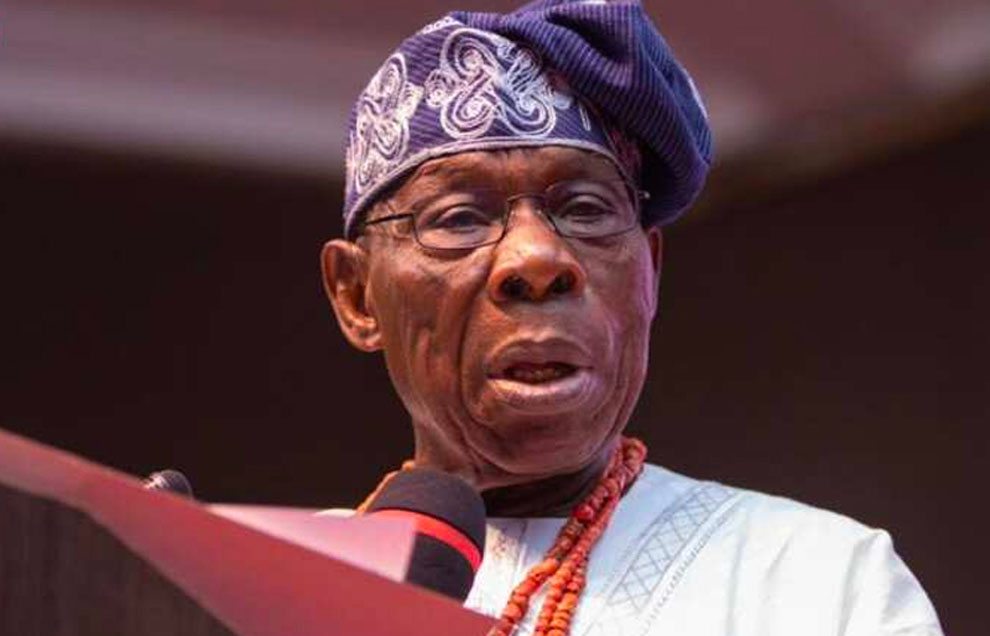
Obasanjo: Leaders have to step on toes, I sacked my daughter for coming late
Obasanjo: Leaders have to step on toes, I sacked my daughter for coming late
Former President Olusegun Obasanjo says all political of note have had to take difficult decisions including stepping on big toes.
He recalled how he had to sack his daughter from his farm on account of late coming to work.
According to Obasanjo, that action had a major effect on all his employees and they said, “if Baba could do this to his daughter, who are we?”
The former President made the disclosure while hosting the new Chairman, Board of Management of Federal Medical Centre Idi-Aba in Abeokuta, Dr Dayo Israel, who was on courtesy visit to him the Olusegun Obasanjo Presidential Library, Abeokuta, Ogun State.
He told his visitor to prepare for the challenges ahead and be ready to step on toes, if necessary, for a successful tenure of office.
He said, “No leader of note I ever come across achieved without stepping on toes.”
Dr Israel was in company of the FMC, Abeokuta Medical Director, Prof. Adewale Musa-Olomu, and members of his management team.
The former President, according to a statement by the hospital’s Head of Public Relations, Dr Segun Orisajo said: “If you’re doing a job and you’re not stepping on toes, then you’re not effective.
“Shortly after I left office as Head of State, my first daughter, then at University of Ibadan, studying Veterinary Medicine was engaged on my farm to gain some practical experience during long vacation”.
“On day one, she resumed a quarter past seven in the morning as against the usual 7 o’clock. I warned her, reminding her that she has an obligation to be of good example to other workers. I told her I will not hesitate to wield the big stick should the same be repeated going forward.
“To my amazement, the following day, she was late to work again. I did not hesitate to send her back right from the gate.”
“Not surprisingly, this had an indescribable effect on all my employees, saying “if Baba could do this to his daughter, who are we?”
Earlier, the FMCA Board Chairman, Dr Israel, described Obasanjo as an international colossus, full of wisdom and wits.
Israel said: “Meeting Baba Obasanjo is always so much fun. As we begin this journey of transformation at FMC Abeokuta, Baba’s wisdom and experience are invaluable.”








News
Google Expands AI Search to Include Yorùbá, Hausa Languages in Nigeria

Google Expands AI Search to Include Yorùbá, Hausa Languages in Nigeria
Google has expanded its AI‑powered Search features to support Nigeria’s Yorùbá and Hausa languages, enabling millions of users to interact with AI Search in their mother tongues. The update allows Nigerians to ask complex questions, either by typing or using voice input, and receive AI-generated summaries, insights, and conversational responses in their preferred language.
Taiwo Kola-Ogunlade, Communications and Public Affairs Manager for West Africa at Google, said the rollout is part of the company’s broader effort to make AI more inclusive across Africa. He explained that the system goes beyond simple translation, using advanced language understanding to provide contextually relevant and culturally grounded answers.
“This development ensures Nigerians can converse with search in their local languages, making information more useful and accessible to everyone,” Kola-Ogunlade said. He highlighted that a student in Kano can ask questions in Hausa, while a trader in Ibadan can seek business insights in Yorùbá, demonstrating the practical impact of the update.
READ ALSO:
- Russia Confirms Iran Has Made No Request for Military Aid
- Family Prepares Funeral for Abducted NYSC Member After ₦10m Ransom Fails
- FG Approves Medical Fellowships as PhD Equivalent in Nigerian Universities
The expansion brings the total number of African languages supported by Google’s AI Search features to 13, including Kiswahili, Wolof, Amharic, isiZulu, and Afrikaans, among others. Users can access the feature via the Google app on Android or iOS or through the web version of Search by selecting AI Mode and entering queries in Yorùbá or Hausa.
Experts say the update addresses the digital language divide in Nigeria and across Africa, helping users who are more comfortable in their native languages access AI tools for learning, research, business, and daily problem-solving. It also supports digital inclusion, empowering more people to participate in the AI-driven online economy.
The initiative aligns with Google’s global mission to make information universally accessible and useful, reflecting a growing emphasis on local language AI technologies in Africa.
Google Expands AI Search to Include Yorùbá, Hausa Languages in Nigeria
News
FG Approves Medical Fellowships as PhD Equivalent in Nigerian Universities
FG Approves Medical Fellowships as PhD Equivalent in Nigerian Universities
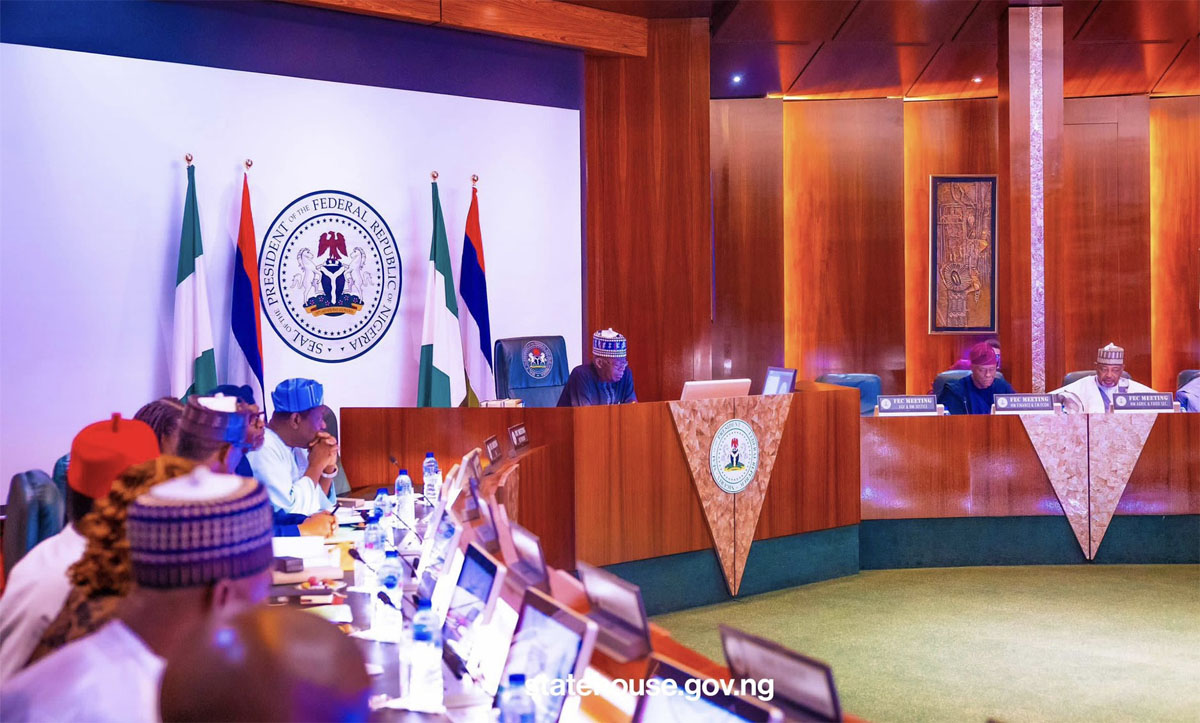
The Federal Government of Nigeria has approved a landmark policy recognising medical fellowship qualifications as equivalent to a Doctor of Philosophy (PhD) degree for medical professionals pursuing academic careers in universities. The decision, taken by the Federal Executive Council (FEC) under President Bola Ahmed Tinubu, was announced by the Minister of Education, Dr Tunji Alausa, following a Council meeting at the Presidential Villa, Abuja.
This policy means that medical doctors with recognised fellowships from accredited institutions such as the National Postgraduate Medical College of Nigeria (NPMCN) and the West African College of Physicians (WACP) can now advance in academia without needing a separate PhD. The move aims to align Nigeria’s academic system with global standards, recognising the rigorous clinical practice, research, and academic work involved in fellowship training.
For years, Nigerian universities and professional bodies debated whether fellowship qualifications should substitute for a PhD in attaining senior academic ranks such as senior lecturer, associate professor, or professor. Many institutions, guided by National Universities Commission (NUC) regulations, required a PhD for promotion, even for experienced clinicians. The new policy resolves this long-standing issue, allowing medical specialists to focus on teaching, research, and clinical service without additional academic barriers.
READ ALSO:
- Prof. Abdur‑Razaq Alaro Warns Misusing Orphans’ Wealth Could Lead to Hellfire
- Stella Oduah Enters Plea Bargain Deal in N2.5bn Fraud Case
- Police Announce Dates, Requirements for 2026 Constable Recruitment Screening
Benefits for Medical Education and Career Progression
Experts believe the policy will significantly improve the career prospects of clinician-lecturers, many of whom previously struggled to pursue PhD programmes due to the demanding nature of residency and fellowship training. Recognising fellowships as equivalent to a PhD will encourage more specialists to engage in academic research, enhance medical education quality, and ensure experienced clinicians can occupy senior academic positions while contributing to healthcare delivery.
The policy also forms part of broader federal education reforms, including a six-year moratorium on new tertiary institutions and revitalisation of the National Commission for Mass Literacy, Adult and Non-Formal Education (NMEC). These measures aim to improve academic standards, address workforce gaps in universities, and ensure professional training systems in Nigeria meet international best practices.
Education stakeholders have welcomed the development, describing it as a major step toward resolving structural challenges in medical education and supporting the growth of a performance-driven, quality-focused university system.
FG Approves Medical Fellowships as PhD Equivalent in Nigerian Universities
News
FEC Approves 100% Gratuity for Retiring Federal Civil Servants
FEC Approves 100% Gratuity for Retiring Federal Civil Servants
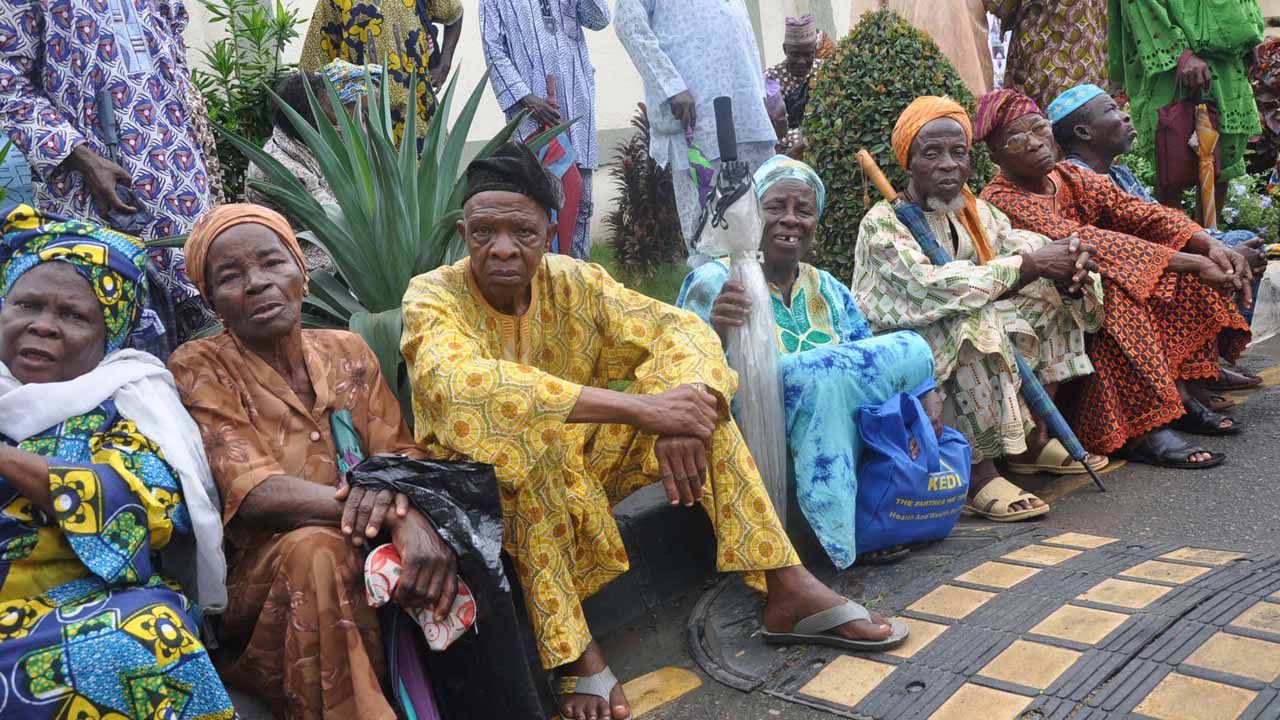
The Federal Executive Council (FEC) has approved a groundbreaking Exit Benefit Scheme that will grant retiring federal civil servants a gratuity equivalent to 100% of their total annual salary and allowances. The initiative aims to strengthen welfare and retirement security within the Nigerian civil service.
The policy, which takes effect from January 1, 2026, will benefit federal employees who have served the government for at least ten years before retirement. The scheme was announced in a statement released on Thursday by the Office of the Head of the Civil Service of the Federation in Abuja.
The new scheme marks a significant policy shift designed to enhance retirement benefits for civil servants operating under the Contributory Pension Scheme, which was introduced in 2004.
Eligible federal civil servants will receive a one-time gratuity payment equivalent to their full annual salary and allowances upon retirement, in addition to their pension benefits. Officials say the measure is intended to provide a stronger financial safety net for retirees, ensuring that civil servants who dedicate their careers to public service can retire with dignity and financial stability.
READ ALSO:
- Prof. Abdur‑Razaq Alaro Warns Misusing Orphans’ Wealth Could Lead to Hellfire
- Stella Oduah Enters Plea Bargain Deal in N2.5bn Fraud Case
- Police Announce Dates, Requirements for 2026 Constable Recruitment Screening
The scheme will apply to workers in Treasury-funded Ministries, Departments, and Agencies (MDAs) across the federal government. The policy was developed after extensive deliberations and technical work by an inter-ministerial committee established by the Office of the Head of the Civil Service of the Federation. The committee collaborated with key institutions, including the National Pension Commission, the Budget Office of the Federation, and the Office of the Accountant-General of the Federation, to create a sustainable framework for implementation.
Historic Milestone for Civil Service Reform
Reacting to the approval, the Head of the Civil Service of the Federation, Didi Esther Walson-Jack, described the decision as a historic milestone in the ongoing reform of the federal civil service. She noted that the new scheme demonstrates the commitment of the administration of President Bola Ahmed Tinubu to recognizing the dedication and sacrifices of public servants.
“This approval is a profound acknowledgment of the invaluable contributions of our civil servants who have devoted their productive years to public service and national development,” Walson-Jack said. She added that the initiative will significantly enhance the retirement package available to federal civil servants and strengthen confidence in government policies designed to improve workers’ welfare. Detailed guidelines for the scheme’s implementation will soon be issued to guide ministries, departments, and agencies.
Reform After More Than Two Decades
The introduction of the Exit Benefit Scheme represents the first major gratuity provision for federal civil servants since the launch of the contributory pension system over twenty years ago. Analysts believe the new policy will address long-standing concerns about retirement security among government workers and boost morale within the federal civil service.
Officials highlight that the scheme aligns with broader civil service reforms aimed at creating a more motivated, performance-driven, and people-centered public service, capable of supporting Nigeria’s national development goals. The initiative underscores the government’s commitment to ensuring that civil servants who dedicate their careers to public service are adequately rewarded upon retirement.
FEC Approves 100% Gratuity for Retiring Federal Civil Servants

-
 News3 hours ago
FG Approves Medical Fellowships as PhD Equivalent in Nigerian Universities
-

 metro6 hours ago
Leadership Reshuffle: IGP Tunji Disu Removes Hundeyin as Nigeria Police Force PRO
-
 metro11 hours ago
Islamic Scholar Barred From Ramadan Tafseer After Criticising Tinubu, Governors
-

 metro5 hours ago
Police Announce Dates, Requirements for 2026 Constable Recruitment Screening
-
 metro1 day ago
How Ikwechegh’s ₦1.15tr Interrogation Led to Tinubu’s Cabinet Shake-Up
-

 metro3 days ago
DSS Busts Alleged Arms Trafficking Network in Gombe, Seizes RPGs
-
 Politics3 days ago
Atiku’s Son Resigns as Adamawa Commissioner Following Fintiri’s APC Defection
-
 Politics10 hours ago
Lai Mohammed: Peter Obi Couldn’t Have Won 2023 Election Even With 10 Million Extra Votes