
News
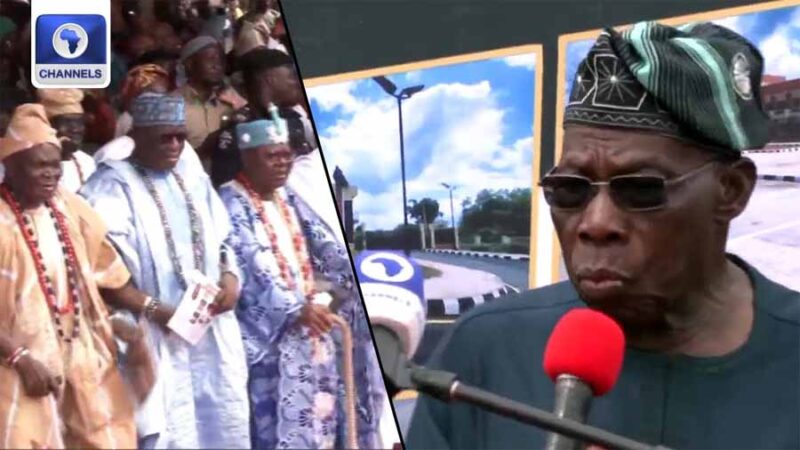
Obasanjo orders Oyo traditional rulers to stand up and greet him
Obasanjo orders Oyo traditional rulers to stand up and greet him
…Says no king is superior than Governor, President
A former president, Olusegun Obasanjo, on Friday, reaffirmed the constitutional superiority of elected officials when he mandated some traditional rulers to stand up and greet him.
Obasanjo gave this order at the commissioning of a 34.85 km Oyo-Iseyin Road and the Ladoke Akintola University of Technology, Iseyin Campus, which houses the College of Agricultural Sciences and Renewable Natural Resources.
The ex-president, who spoke in Yoruba, stated that despite the traditional rulers’ status, it was crucial for them to respect elders and those in positions of power.
According to him, doing this will enable the preservation of the Omoluabi culture of the Yorubas.
READ ALSO:
-
Father kills baby girl over alleged preference for male child
-
NAFDAC uncovers warehouse stocked with banned imported soaps in Lagos
-
Someone wants to blackmail me with my private video — Lizzy Jay (Omo Ibadan) cries out
“Thank you. Please, be seated. Firstly, I greet you all monarchs and royal fathers and thank you for coming. But let me make something clear: whenever the governor or the president is present, even the royal father must stand up to honour the president (or the governor).
“Stand up! You can have your seat. Please!!!” he ordered them.
The statesman said, “In our (Yoruba) culture, we honour two main things: age and position. The governor’s position is higher than that of any monarch in as much as he is still the governor”.
He said even when he was the president, he honoured traditional rulers, adding that it is imperative for culture and value systems to be promoted.
“When I was the president, I did prostrate for King in public but when we enter room, the king will prostrate for me,” he added
The retired military officer served as Nigeria’s head of state from 1976 to 1979 and later as its president from 1999 to 2007.
Obasanjo orders Oyo traditional rulers to stand up and greet him








News
FEC Approves 100% Gratuity for Retiring Federal Civil Servants
FEC Approves 100% Gratuity for Retiring Federal Civil Servants
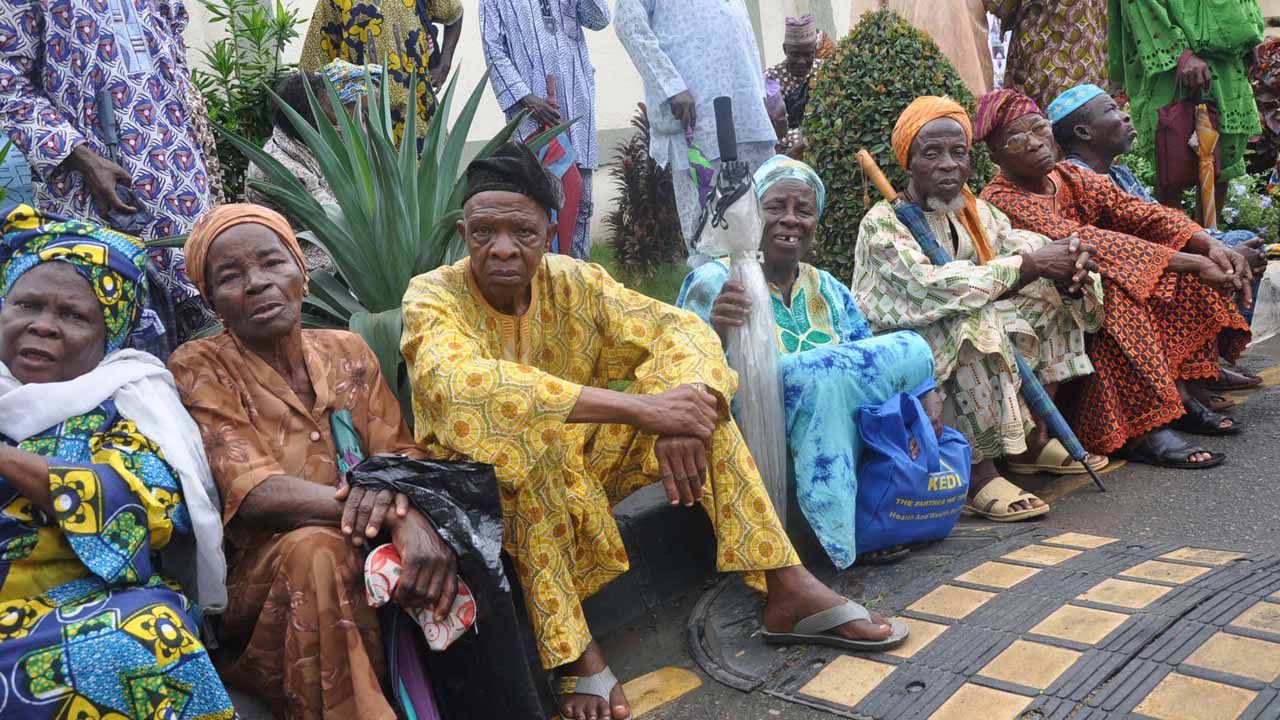
The Federal Executive Council (FEC) has approved a groundbreaking Exit Benefit Scheme that will grant retiring federal civil servants a gratuity equivalent to 100% of their total annual salary and allowances. The initiative aims to strengthen welfare and retirement security within the Nigerian civil service.
The policy, which takes effect from January 1, 2026, will benefit federal employees who have served the government for at least ten years before retirement. The scheme was announced in a statement released on Thursday by the Office of the Head of the Civil Service of the Federation in Abuja.
The new scheme marks a significant policy shift designed to enhance retirement benefits for civil servants operating under the Contributory Pension Scheme, which was introduced in 2004.
Eligible federal civil servants will receive a one-time gratuity payment equivalent to their full annual salary and allowances upon retirement, in addition to their pension benefits. Officials say the measure is intended to provide a stronger financial safety net for retirees, ensuring that civil servants who dedicate their careers to public service can retire with dignity and financial stability.
READ ALSO:
- Prof. Abdur‑Razaq Alaro Warns Misusing Orphans’ Wealth Could Lead to Hellfire
- Stella Oduah Enters Plea Bargain Deal in N2.5bn Fraud Case
- Police Announce Dates, Requirements for 2026 Constable Recruitment Screening
The scheme will apply to workers in Treasury-funded Ministries, Departments, and Agencies (MDAs) across the federal government. The policy was developed after extensive deliberations and technical work by an inter-ministerial committee established by the Office of the Head of the Civil Service of the Federation. The committee collaborated with key institutions, including the National Pension Commission, the Budget Office of the Federation, and the Office of the Accountant-General of the Federation, to create a sustainable framework for implementation.
Historic Milestone for Civil Service Reform
Reacting to the approval, the Head of the Civil Service of the Federation, Didi Esther Walson-Jack, described the decision as a historic milestone in the ongoing reform of the federal civil service. She noted that the new scheme demonstrates the commitment of the administration of President Bola Ahmed Tinubu to recognizing the dedication and sacrifices of public servants.
“This approval is a profound acknowledgment of the invaluable contributions of our civil servants who have devoted their productive years to public service and national development,” Walson-Jack said. She added that the initiative will significantly enhance the retirement package available to federal civil servants and strengthen confidence in government policies designed to improve workers’ welfare. Detailed guidelines for the scheme’s implementation will soon be issued to guide ministries, departments, and agencies.
Reform After More Than Two Decades
The introduction of the Exit Benefit Scheme represents the first major gratuity provision for federal civil servants since the launch of the contributory pension system over twenty years ago. Analysts believe the new policy will address long-standing concerns about retirement security among government workers and boost morale within the federal civil service.
Officials highlight that the scheme aligns with broader civil service reforms aimed at creating a more motivated, performance-driven, and people-centered public service, capable of supporting Nigeria’s national development goals. The initiative underscores the government’s commitment to ensuring that civil servants who dedicate their careers to public service are adequately rewarded upon retirement.
FEC Approves 100% Gratuity for Retiring Federal Civil Servants
News
FG Allocates ₦5.6bn for New Carter Bridge as Old Structure Fails Safety Test
FG Allocates ₦5.6bn for New Carter Bridge as Old Structure Fails Safety Test
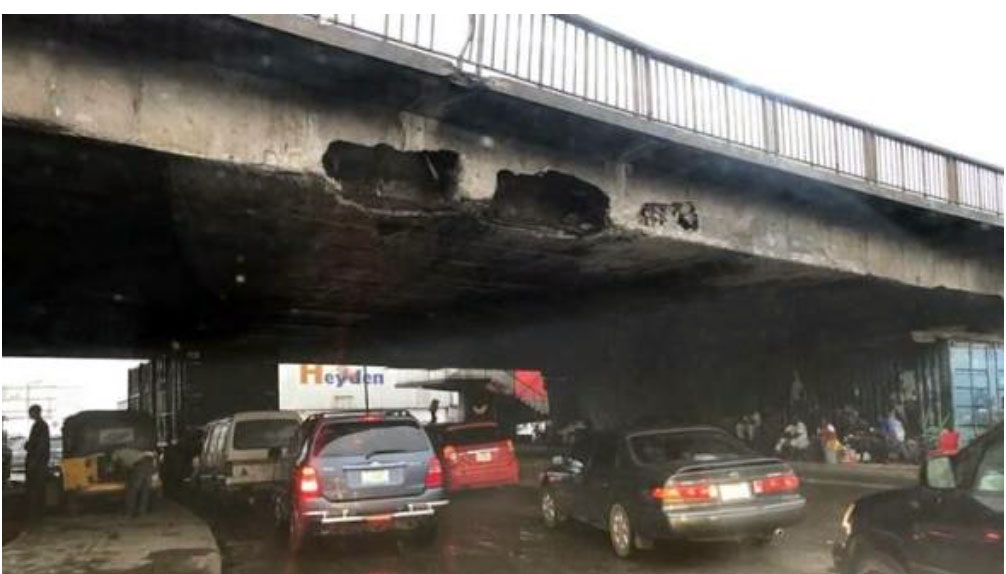
The Federal Executive Council (FEC) has approved the demolition and complete reconstruction of Carter Bridge in Lagos, declaring the ageing structure beyond rehabilitation. The decision aims to ensure road safety, reduce congestion, and modernize one of Nigeria’s most critical transport arteries.
Minister of Works, David Umahi, disclosed after the council meeting chaired by President Bola Tinubu that ₦5.6 billion has been allocated to hire advanced engineering consultants for the design and cost assessment of the new bridge. Umahi explained that extensive technical assessments and consultations revealed that the current bridge could no longer safely serve traffic.
“The total recommendation was that Carter Bridge can no longer be rehabilitated; it should be demolished and a new bridge constructed,” Umahi said.
Carter Bridge connects Lagos Island to the mainland and is a vital corridor for commuters, cargo vehicles, and commercial traffic. Its reconstruction is expected to ease traffic congestion, improve transportation safety, and support economic activity in Nigeria’s largest commercial hub.
READ ALSO:
- Iran Launches Missiles at Israel as Middle East War Enters Sixth Day
- US Submarine Sinks Iranian Warship in Indian Ocean as Conflict Escalates
- Court Orders INEC Chairman to Appear Over Alleged Contempt of Court
Part of a Nationwide Infrastructure Upgrade
The Carter Bridge project forms part of a broader federal infrastructure program. FEC also approved several major road projects across the country, including:
- Reconstruction of the Ibadan–Ife–Ilesa Road in the Southwest
- Redesign of the Kano–Kongolam Road in Northern Nigeria
- Rehabilitation of the Keffi–Nasarawa–Abaji Road in the North-Central region
- Completion of the Suleja–Minna Road
- Reconstruction of the Abuja–Lokoja Road
Umahi emphasized that these are strategic, long-term infrastructure projects, not temporary fixes, and the government aims to deliver at least four completed projects per region for presidential commissioning by May 15.
“These are not palliative works; they are major infrastructure projects for national development,” the minister added.
Modernization and Economic Impact
The new Carter Bridge will incorporate contemporary engineering standards, enhanced durability, and increased capacity for vehicles and pedestrians. Officials say the project will also attract private sector participation, create skilled jobs, and strengthen Lagos’ transport network.
By replacing the ageing structure, the federal government intends to ensure that major transport routes across Nigeria meet modern safety and operational standards, while supporting economic growth and improving daily mobility for millions of Lagos residents.
FG Allocates ₦5.6bn for New Carter Bridge as Old Structure Fails Safety Test
News
ICPC, NRC Forge Anti-Graft Alliance to Safeguard Rail Assets
ICPC, NRC Forge Anti-Graft Alliance to Safeguard Rail Assets
The Independent Corrupt Practices and Other Related Offences Commission has pledged closer collaboration with the Nigerian Railway Corporation to strengthen transparency and accountability in the country’s rail sector.
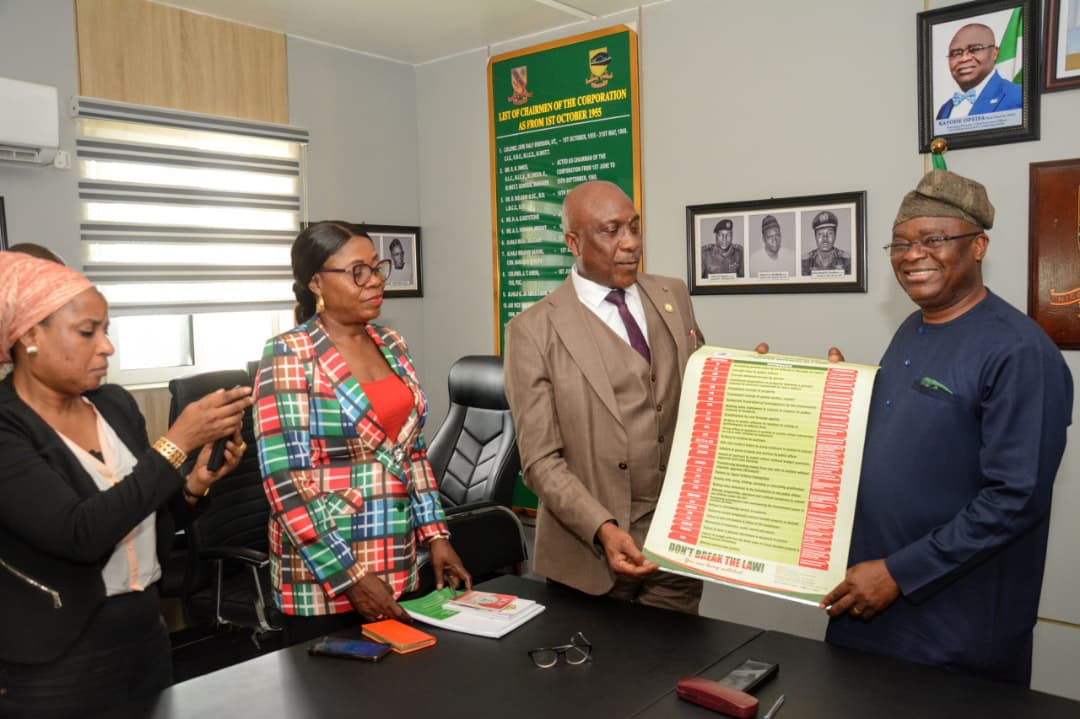
The Resident Anti-Corruption Commissioner (RAAC), Lagos Office, Mr. Alexander Chukwumah, gave the assurance during a courtesy visit to the NRC Managing Director, Dr. Kayode Opeifa, at the corporation’s headquarters.
Chukwumah said the commission was prepared to support the NRC through targeted training programmes aimed at equipping staff with the knowledge to identify and avoid actions that could expose them to corruption-related offences.
He explained that the initiative aligns with the ICPC’s public education mandate to promote integrity across public institutions.
He urged the management of the corporation to work closely with its Anti-Corruption and Transparency Unit, noting that members of the unit had been trained to detect early warning signs and red flags capable of preventing minor lapses from escalating into major institutional crises.
According to him, the visit was also to reinforce the cordial relationship between both agencies and reciprocate the goodwill earlier extended by the railway corporation.
“ICPC is committed to ensuring that NRC workers stay out of trouble. There are ways we can guide you and your team to avoid actions that could expose them to corruption risks,” Chukwumah said.
In his response, Opeifa welcomed the partnership and expressed readiness to deepen collaboration with the anti-graft agency to entrench transparency within the corporation.
The NRC boss observed that the railway system could have achieved greater milestones over the years but for corruption-related setbacks that slowed its growth.
He requested the commission to organise a capacity-building programme for heads of departments and senior management staff to sharpen their understanding of compliance standards and ethical decision-making.
Opeifa identified vandalism of railway infrastructure as a major operational challenge, stressing that the destruction of critical assets continues to strain service delivery.
As part of efforts to curb the menace, he presented anti-vandalism sweatshirts to the ICPC delegation bearing the inscription: “Rails and railway assets are critical national treasures and not scraps.”
He maintained that the corporation operates a strict disciplinary regime, warning that any staff found culpable of collusion or sabotage faces immediate dismissal.
He also commended NRC engineers and other personnel for sustaining operations despite logistical and infrastructural challenges.
On the corporation’s long-term direction, Opeifa reiterated the NRC’s Vision 2-5-10-20 development framework aimed at modernising and expanding the rail network.
He said the first phase prioritises optimising legacy lines and reviving abandoned corridors that once served as economic lifelines, including the Kaduna–Nguru–Kaura Namoda route, with plans to restore services to Zamfara State within the year.
He added that the corporation is advancing a freight-by-rail drive under its “Railing with the States” initiative to enable sub-national governments leverage rail infrastructure for economic growth and enhance connectivity to the nation’s seaports.
Opeifa further disclosed that the NRC plans to gradually transition from diesel-powered locomotives to cleaner energy sources such as gas within the next five years, subject to funding, while working towards doubling Nigeria’s rail assets by 2035.

-
 metro8 hours ago
Islamic Scholar Barred From Ramadan Tafseer After Criticising Tinubu, Governors
-
 metro1 day ago
How Ikwechegh’s ₦1.15tr Interrogation Led to Tinubu’s Cabinet Shake-Up
-
 metro2 days ago
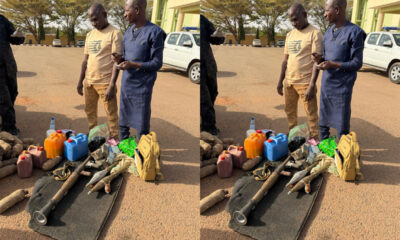
DSS Busts Alleged Arms Trafficking Network in Gombe, Seizes RPGs
-

 Politics2 days ago
Atiku’s Son Resigns as Adamawa Commissioner Following Fintiri’s APC Defection
-
 News2 days ago
Relief Radiant Hearts Foundation Launched in Iwo, Promises Hope for the Vulnerable
-

 International1 day ago
Mystery as Iranian Warship Sinks off Sri Lanka, Over 100 Feared Missing
-

 Opinion2 days ago
The world dislikes the weak, by Hakeem Baba-Ahmed
-

 metro4 hours ago
Leadership Reshuffle: IGP Tunji Disu Removes Hundeyin as Nigeria Police Force PRO