
metro
Oromoni: Black substance found in victim’s intestine, LASUTH lacks testing lab, says pathologist
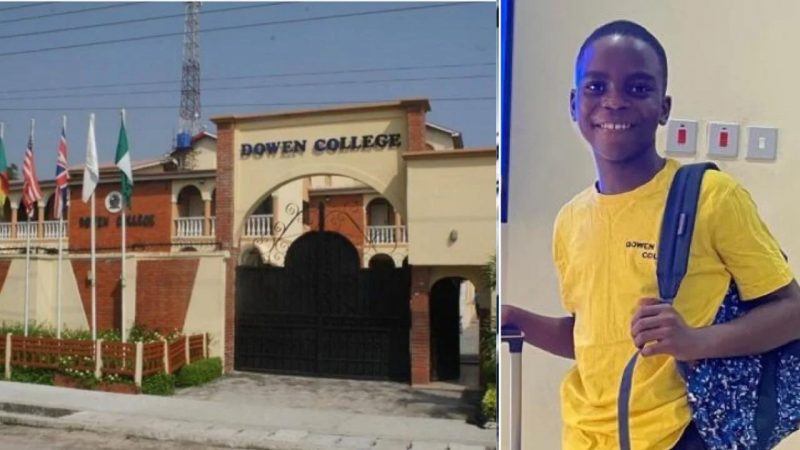
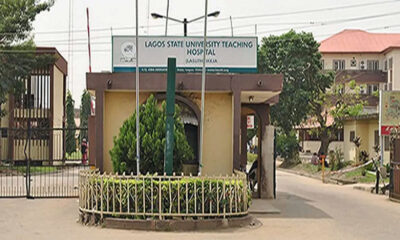
A pathologist at the Lagos State University Teaching Hospital, Ikeja, Dr Sunday Soyemi, on Tuesday, said a blackish substance was found in the intestine of 12-year-old Sylvester Oromoni (Junior), a pupil of Dowen College, Lekki, Lagos, who died in controversial circumstances.
Soyemi stated this while being cross-examined by the family’s lawyer, Femi Falana (SAN), before the coroner inquest set up to unravel the cause of the boy’s death.
The news of Sylvester’s death went viral following a social media post by his cousin, Perry Oromoni, who alleged that some senior pupils of the college beat him up in his hostel because he refused to join a cult.
But the school denied the claim, stating that the boy complained of leg pains following an injury he sustained while playing football.
A coroner inquest was subsequently set up to look into the circumstances surrounding the death.
At the Tuesday proceedings, Soyemi, while being led in evidence by the Director of Public Prosecutions, Babajide Martins, said the first autopsy carried out on the corpse was botched because the process was not properly done.
Soyemi, who faulted the first autopsy report, noted that some organs that would have revealed whether the victim died of ingestion of a poisonous substance were not cut by the first pathologist.
According to Soyemi, the deceased had a generalised infection that could have been treated with massive doses of antibiotics, intravenous fluid and blood transfusion.
He said, “Following the order for a post-mortem examination issued by the coroner, I conducted a second autopsy on the body of the deceased. An initial interim report was issued and finally, a full autopsy report was also issued to the office of the coroner.
READ ALSO:
- ‘I be nobody’s ex’, Olori Naomi breaks social media silence
- South’s governors resolute on power shift, says Akeredolu
- Don’t Remove Labour From Exclusive List, NLC Warns FG
“Prior to the conduct of the autopsy, I did a total body radiograph to rule out any skeletal injury, that is, fracture; none was found and the radiologist confirmed there was no fracture. Before I started the autopsy, the doctor who conducted the first autopsy was in attendance and he was in attendance throughout. So, I observed that the autopsy was not properly done. All that was not properly done is documented in my statement.
“For example, at the first autopsy, the pathologist never opened the oesophagus; the oesophagus is the food pipe. He also did not open the trachea; it is the air path through which we breathe. These are vital things that he should not have missed out.
“He concluded his report as chemical intoxication. For one to be intoxicated with a chemical, that chemical has to pass through the oesophagus, that is the food path. For someone that has not opened the food path, he cannot talk about chemical intoxication. A chemical that would be injurious to one, after ingestion, should cause injuries on the oesophagus because it would pass through the oesophagus, so it should never have been anything near chemical intoxication if he did not open the oesophagus.
“He also did not open the lungs; he did not detach the lungs from the heart. If he had done that and waded the lungs, it would tell him that something is wrong with the lungs. These are some of the many things he did not do. He did a botched autopsy and this was the cause of the controversy surrounding this case.”
However, Soyemi, during cross-examination by Falana, told the inquest that he did not carry out any test on the black substance found in the deceased’s intestine on the grounds that LASUTH did not have a laboratory to test poisonous substances.
He further admitted that the substance found in the intestine could have been anything as it was not tested to confirm what it was.
Soyemi also denied authorising a television interview granted by the doctor representing Dowen College, Dr Iwikwe Isabella, who spoke on the autopsy findings.
READ ALSO:
- Trader remanded for allegedly defiling neighbour’s 10-year-old daughter
- 2023 presidency: Osinbajo urged to drop ambition, back Tinubu
- CJN tackles Malami for indicting judiciary on transparency
- Four Teenage Girls Caught with Human Heads in Lagos
He said, “That’s not the practice. I was embarrassed when the report was being discussed on TV. I was embarrassed in the sense that she didn’t perform the autopsy; she observed all through. It’s not the normal practice even if you have done the autopsy.”
Soyemi, who noted that his findings showed that the deceased had lobar pneumonia, infection of the lung, liver, and also infection on the right ankle, maintained that the deceased died of septicaemia.
He explained that if the deceased was physically assaulted or beaten, all the exposed areas would show haemorrhage.
Earlier, the presiding magistrate, Mikhail Kadiri, had a heated argument with Falana when the counsel objected to a question the director of public prosecutions asked Soyemi.
Falana noted that Kadiri was fond of saying the inquest was not a regular court at his convenience.
However, the duo later settled the matter amicably.
Punch








metro
EFCC Debunks Fake Wanted Poster of Sabinus

EFCC Debunks Fake Wanted Poster of Sabinus
The Economic and Financial Crimes Commission (EFCC) has dismissed as false a viral “wanted” poster featuring popular Nigerian comedian Emmanuel Chukwuemeka Ejekwu, widely known as Sabinus, describing it as fake, misleading, and the work of mischief-makers.
In a statement shared via its official social media platforms on Thursday, the anti-graft agency clearly stamped the circulating image “FAKE NEWS”, warning individuals responsible for spreading such content to desist. In a strongly worded caption, the EFCC wrote, “Clout chaser, stop this now!” — signaling frustration over the growing trend of misinformation online.
The doctored poster, which spread rapidly across social media, mimicked the official EFCC “wanted” notice format, including the agency’s logo and layout. It falsely claimed that Sabinus, allegedly aged 43, was wanted for obtaining money under false pretence, and even listed a supposed last known address in Victoria Island, Lagos State.
READ ALSO:
- Making Up for Lost Sleep Might Be Healthier Than Experts Once Believed — What Science Says
- Sleeping Positions: How They Affect Your Health and Which Ones to Avoid
- Thousands Rally Across Iran to Honour Late Supreme Leader Khamenei
However, further checks confirm that no such notice exists on any official EFCC platform, including its verified website and social media pages, which are the only legitimate channels through which the commission declares individuals wanted. The agency reiterated that all authentic wanted notices are publicly verifiable, urging Nigerians to rely on official sources before sharing sensitive claims.
The EFCC did not disclose whether it has identified those behind the fabricated poster but emphasized that the spread of false information could have serious legal and reputational consequences. The commission has, in recent years, intensified warnings against the circulation of fake news, impersonation of government agencies, and digital misinformation, particularly on social media.
Sabinus, a widely recognised entertainer known for his viral comedy skits and brand endorsements, commands a massive following both within Nigeria and internationally. As of the time of reporting, he has not publicly reacted to the incident.
The development highlights growing concerns about the misuse of digital platforms to create convincing but false narratives, especially involving public figures. Authorities continue to advise the public to verify information carefully and avoid amplifying unconfirmed reports that could harm individuals or undermine public trust.
EFCC Debunks Fake Wanted Poster of Sabinus
metro
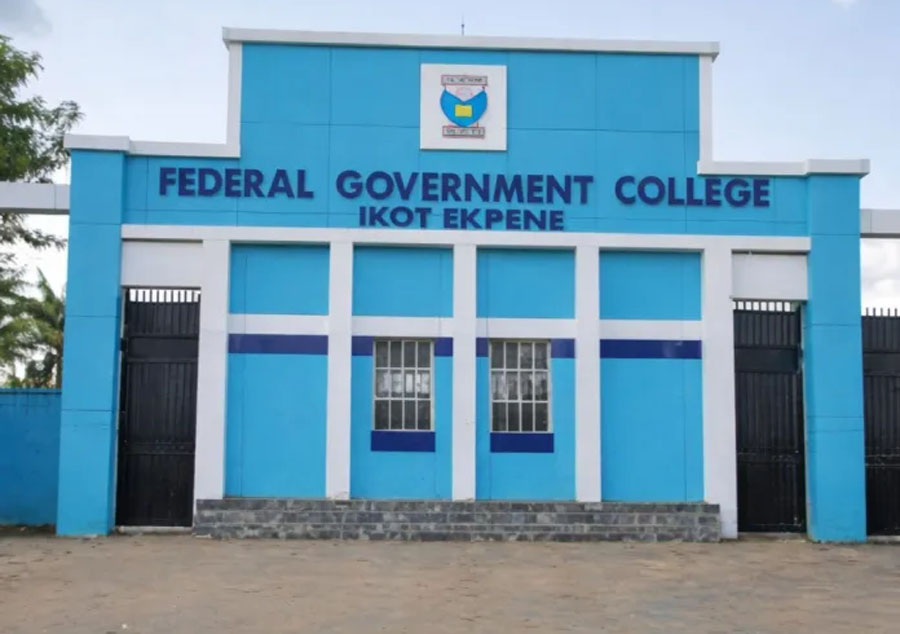
12-Year-Old Dies After Alleged Bullying at FGC, Ikot Ekpene
12-Year-Old Dies After Alleged Bullying at FGC, Ikot Ekpene
Tension and outrage have gripped Federal Government College, Ikot Ekpene in Akwa Ibom State after a 12-year-old Junior Secondary School 2 student, Ufokobong Edwin Godwin, reportedly died following alleged bullying by a senior student over provisions. The incident, which began before the Easter break, has raised serious concerns about student safety and bullying in Nigerian schools.
The attack reportedly occurred when a Senior Secondary School 3 student demanded provisions from the younger pupil during terminal examinations. Godwin refused, saying he did not have enough to share. Witnesses allege that the senior student responded with physical violence, repeatedly striking Godwin on the neck and throat, causing him to faint multiple times. Other students only intervened after the assault escalated.
Godwin was initially hospitalized on Easter Sunday for a neck injury. He briefly regained consciousness but was later returned to school without his parents being informed of the seriousness of the incident. Upon returning home for the holiday, the boy began complaining of severe neck and throat pain. Despite taking pain relief medication at home, his condition worsened, prompting his father to rush him back to the hospital, where he tragically died. Medical personnel later confirmed that his death resulted from complications associated with blood clots around the neck and throat area.
READ ALSO:
- JAMB Urges Candidates, Parents to Protest Admission Bias as CAPS Ensures Transparency
- EFCC Arrests Maiduguri Woman for Cleaning Nose With N500 Note
- Court Stops ADC Congress, Orders Status Quo in Leadership Row
The school principal, Mr. Jude Ezeogu, described the incident as deeply unfortunate and confirmed that the school community is in mourning. He said a school management committee will meet to review the circumstances surrounding the student’s death and communicate their findings to the public.
The family of the deceased has called on the Federal Government of Nigeria to investigate the matter and ensure justice. The boy’s father urged the authorities to intervene, saying he would provide more details at an appropriate time.
The tragic death of Ufokobong Edwin Godwin has reignited discussions about bullying, student protection, and campus safety across Nigeria, with parents and education stakeholders calling for stricter measures to prevent such incidents in boarding schools.
12-Year-Old Dies After Alleged Bullying at FGC, Ikot Ekpene
metro
Boko Haram Attack in Borno: Brigadier-General, Soldiers Killed as ISWAP Overruns Military Base
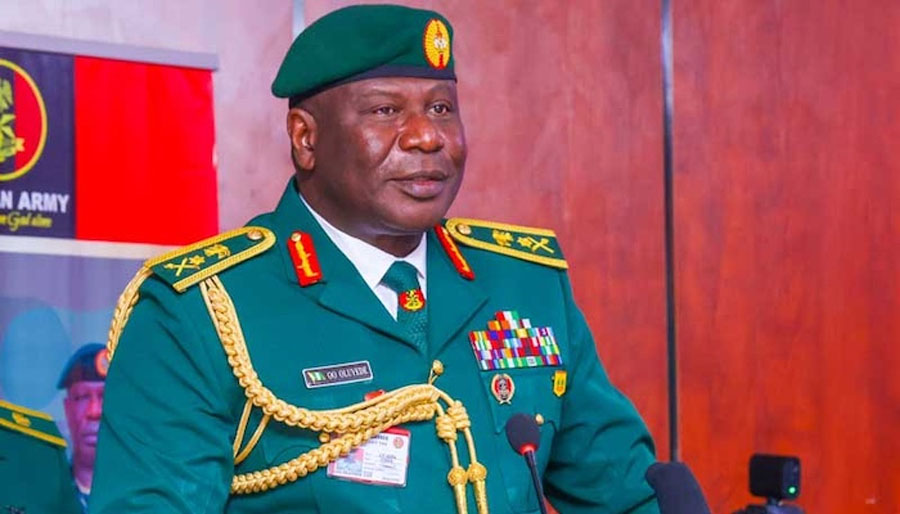
Boko Haram Attack in Borno: Brigadier-General, Soldiers Killed as ISWAP Overruns Military Base
A deadly assault by insurgents linked to Boko Haram and its Islamic State-backed faction, Islamic State West Africa Province, has left several Nigerian troops dead, including a senior commander, following a late-night attack on a military base in Borno State.
The fresh Boko Haram attack in Borno reportedly took place on Wednesday night at a Joint Task Force formation in Benisheikh, located in Kaga Local Government Area along the busy Damaturu–Maiduguri highway.
Among those killed in the attack was Brigadier-General O. O. Braimah, commander of the 29 Brigade, alongside several officers, soldiers, and the brigade’s Imam. His death marks a significant setback in ongoing counterinsurgency operations in Nigeria’s North-East, with military sources describing the incident as one of the most intense recent assaults on a military formation in the region.
According to security sources, the attackers launched a coordinated assault using explosives and heavy gunfire, overwhelming troops after hours of intense fighting. The insurgents reportedly deployed improvised explosive devices (IEDs) to breach the base, engaged soldiers in sustained gunfire, and targeted critical military infrastructure. The prolonged attack caused panic within the base and surrounding communities, with casualties feared to be high, although official figures have not yet been released.
READ ALSO:
- JAMB Urges Candidates, Parents to Protest Admission Bias as CAPS Ensures Transparency
- EFCC Arrests Maiduguri Woman for Cleaning Nose With N500 Note
- Court Stops ADC Congress, Orders Status Quo in Leadership Row
Several soldiers were seriously injured during the Boko Haram attack, while others are still unaccounted for. Rescue operations are ongoing as the military works to locate missing personnel and secure the area.
The latest incident highlights renewed violence by insurgent groups in Borno. In recent weeks, Boko Haram and ISWAP attacks in Nigeria have intensified, targeting military bases, checkpoints, and civilian settlements. Security experts warn that the attack suggests growing operational strength of insurgents, increased vulnerability of remote military bases, and the need for improved intelligence and aerial surveillance.
As of the time of filing this report, the Nigerian military has yet to issue an official statement on the attack. However, reinforcements and surveillance operations have reportedly been deployed to the Benisheikh axis to prevent further attacks.
Despite years of military operations, Boko Haram and Islamic State West Africa Province continue to pose serious threats in Nigeria’s North-East. The Borno attack on soldiers underscores persistent insecurity and raises fresh concerns about the safety of military formations and personnel in the region.
Boko Haram Attack in Borno: Brigadier-General, Soldiers Killed as ISWAP Overruns Military Base

-
 metro3 days ago
FG Deports US Missionary Alex Barbir Over Alleged Role in Nigeria Insecurity
-

 Entertainment3 days ago
Veteran Nollywood Actor Davis Ofor ‘Clarus’ of New Masquerade Dies at 85
-

 metro2 days ago
2026 NYSC Batch A Stream II: Registration, Swearing-In Dates Announced
-
 Africa18 hours ago
ECOWAS Recruitment 2026: Over 30 Job Vacancies Open for Nigerians (How to Apply)
-
 metro3 days ago
Lagos Announces Partial Road Closures for Project Commissioning
-
 Entertainment2 days ago
Saheed Osupa Defends Juju Use Amid Backlash From Islamic Clerics
-

 Politics23 hours ago
Court Stops ADC Congress, Orders Status Quo in Leadership Row
-
 News3 days ago
Iran Lists Tough Conditions for Peace Talks with US