
metro
Outrage over telecom tariff hike, NLC backs subscribers showdown with NCC, operators

Outrage over telecom tariff hike, NLC backs subscribers showdown with NCC, operators
By Damilola Salawu
Nigerians have expressed widespread anger and frustration over the government’s approval of a 50% increase in telecommunications tariffs.
The tariff hike announced on Monday by the Nigerian Communications Commission’s (NCC), which operators initially proposed at 100%, was said to be due to rising operational costs.
This increase has thus pushed the average cost of calls to N16.5 per minute from N11; the cost of 1GB of data to N431.25 from N287.5/GB, and SMS price to N6 from N4.
But for many citizens, this represents yet another burden in an already challenging economic climate. Telecom companies have cited the high cost of fuel, inflation, and foreign exchange difficulties as reasons for the increase, arguing that these factors have significantly raised the cost of maintaining and expanding their infrastructure.
While the government approved only half of the requested increment, the decision has not eased the public outcry.
The Nigeria Labour Congress (NLC) has asked Nigerians to prepare for a nationwide boycott of telecommunication services in protest against the the 50% hike.
For millions of Nigerians, an affordable internet is not just a convenience—it is a necessity. Social media platforms, used widely for relaxation, business, and remote work, have become an integral part of daily life.
READ ALSO:
- Naira sells for N1,660 per dollar in parallel market
- Claims of new Alaafin of Oyo abandoning traditional rites false – Spokesman
- Trump sacks 17 inspectors general at federal agencies
Entrepreneurs, content creators, and small business owners who rely on these platforms to reach customers and generate income fear that the increased tariffs will push them offline. “I run my business on Instagram and WhatsApp,” one small business owner said.
“If data becomes too expensive, how am I supposed to keep my business running? This increase could ruin everything I’ve worked for.”
Remote workers are also concerned. With the rising cost of fuel making commuting unaffordable. Many companies thus have allowed employees to work from home. However, the higher telecom costs could render remote work unfeasible for many.
“This is going to force a lot of us to either spend money we don’t have or risk losing our jobs,” a worker lamented on X, formerly Twitter.
The impact of the tariff increase extends beyond individual households and businesses. Nigeria’s growing digital economy, which has seen significant advancements in fintech, e-commerce, and digital education, is at risk of losing momentum.
Affordable internet access has been a driving force behind Nigeria’s digital progress. The new tariffs, however, threaten to widen the digital divide and make it harder for ordinary Nigerians to participate in the digital economy.
“This decision is a major step backward for Nigeria,” said a tech entrepreneur. “Affordable internet is essential for innovation, economic growth, and global competitiveness. Without it, we are stifling progress.”
The outrage over the tariff hike has been loudest on social media, where Nigerians have not held back in criticizing the government and telecom operators.
Comments such as “the government is trying to kill us with these policies” and “how are we supposed to survive if even basic internet becomes unaffordable?” have flooded platforms such as X and Facebook.
Some users pointed out the emotional toll of the increase, with one tweeting, “Social media is my escape from the stress of daily life. Now even that will be out of reach.” Another lamented, “This is more than just about data. It’s about our connection to the world and our ability to live and work.”
READ ALSO:
- Nigeria to become superpower in military equipment production – Defence chief
- Rivers crisis: Ohanaeze declares support for Amaewhule-led state assembly
- Police summon activist Omoyele Sowore over Lagos airport extortion video [Photo]
Nigerians are demanding that the government reconsider the tariff hike, emphasizing the severe implications it will have on livelihoods and the economy.
In a statement on Wednesday, the NLC President, Joe Ajaero, condemned the tariff hike, describing it as an unjust burden on citizens already grappling with economic challenges. He expressed concern over the timing of the hike, saying it coincides with rising inflation and declining purchasing power.
According to him, telecom services have become a basic necessity as the average Nigerian worker spends approximately 10% of their income on telecom charges.
He said, “This decision, coming at a time when Nigerian workers and the masses are grappling with unprecedented economic hardship, is a clear assault on their welfare and an abandonment of the people to corporate fat cats.
“Telecommunication services are essential for daily communication, work, and access to information. Yet, an average Nigerian worker already spends approximately 10% of their wages on telecom charges.
“For a worker earning the current minimum wage of N70,000, this means an increase from N7,000 to a staggering N10,500 per month or 15 percent of his salary — a cost that is unsustainable.”
Advocacy groups are calling for policies that protect consumers while addressing the operational challenges faced by telecom operators. Suggestions include subsidizing internet access for low-income households, regulating price increases, and investing in infrastructure to reduce costs for telecom providers.
The government, however, has yet to respond to the growing public discontent, leaving many Nigerians worried about what lies ahead.
For now, the anger and anxiety continue to mount, as citizens face the harsh reality of yet another policy that threatens their financial stability and access to the digital world.
As one X user put it, “This isn’t just about the internet; it’s about our future. If the government doesn’t listen to us, they’re risking more than just our outrage—they’re risking the very progress of our country.”
Outrage over telecom tariff hike, NLC backs subscribers showdown with NCC, operators







metro
14-Year-Old British-Nigerian Boy, Fatally Shot in London
14-Year-Old British-Nigerian Boy, Fatally Shot in London
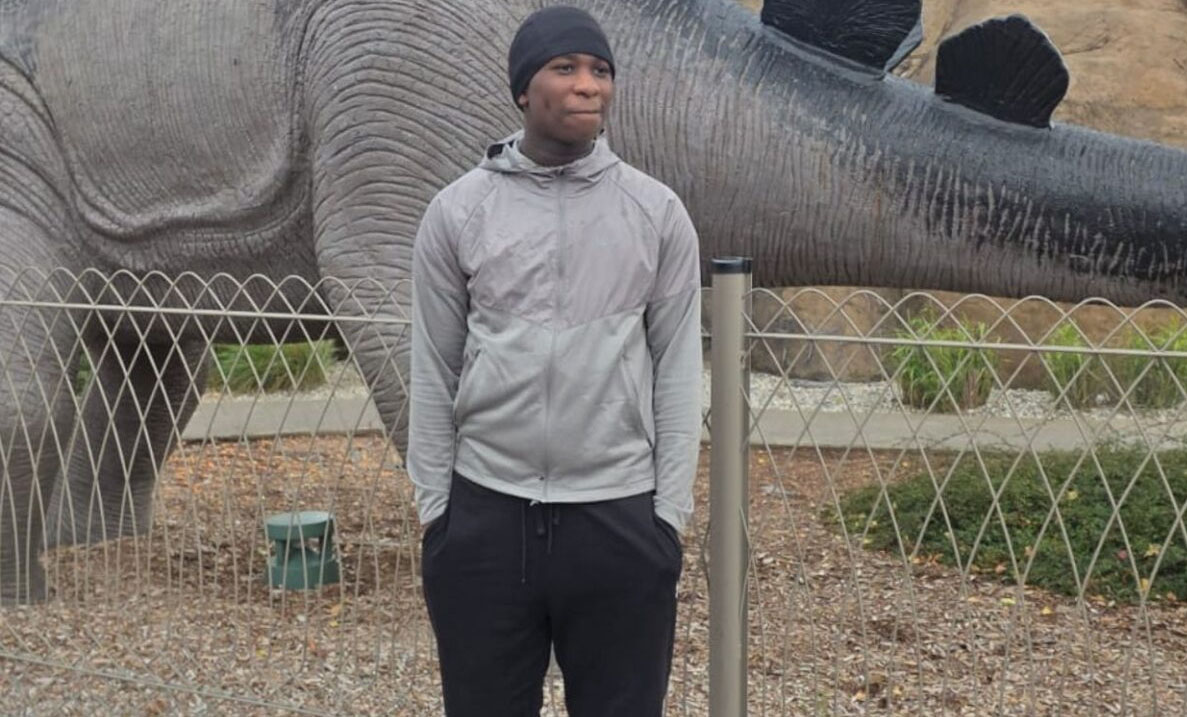
A 14-year-old British-Nigerian boy, identified as Eghosa Ogbebor, has been fatally shot in the Woolwich area of London, prompting a major police investigation and the arrest of three teenagers. The tragic incident has sparked shock and grief in the local community and among the Nigerian diaspora in the UK.
The Metropolitan Police confirmed that officers responded to reports of a shooting on Lord Warwick Street at around 3:40 p.m. on Thursday, 2 April, near Woolwich Dockyard. Emergency responders attempted to save the boy’s life, but he was later pronounced dead at the scene.
Police have identified the suspects as two teenage boys aged 14 and 16 and an 18-year-old man, all of whom have been arrested on suspicion of murder and remain in custody. Detectives are urging members of the public with information, CCTV footage, or dashcam recordings to come forward to assist with ongoing inquiries.
READ ALSO:
- Iran Crisis Escalates as Second US Warplane Crashes in Persian Gulf
- NAF Airstrike Destroys Terrorist Enclave, Kills Scores of ISWAP Fighters in Borno
- Gunmen Attack Zamfara Governor’s Aide Convoy, Escape Unhurt
Detective Chief Inspector Lucie Card, leading the investigation, expressed condolences to Eghosa’s family, stating that they are being supported by specialist officers and have requested privacy during this difficult time. She acknowledged the concern the incident has caused across Woolwich and confirmed an increased police presence in the area to reassure residents.
Witnesses described a chaotic scene, with multiple gunshots heard and panic among pedestrians in the vicinity. The shooting took place near local community areas, heightening the shock and fear among residents.
The Mayor of London, Sadiq Khan, condemned the killing and emphasized that “there is absolutely no place for this heartbreaking violence in our city.” He confirmed close collaboration with the police to ensure safety and support for the community.
This tragic event highlights ongoing concerns about youth violence in London and the urgent need for community-based interventions to prevent such senseless acts. Authorities have promised a thorough investigation and are working to uncover the circumstances that led to the death of the young British-Nigerian boy.
14-Year-Old British-Nigerian Boy, Fatally Shot in London
metro
Gunmen Attack Zamfara Governor’s Aide Convoy, Escape Unhurt

Gunmen Attack Zamfara Governor’s Aide Convoy, Escape Unhurt
Gunmen on Thursday evening ambushed the convoy of Mouktar Lugga, Chief of Staff to the Governor of Zamfara State, in a brazen attack along the Funtua–Gusau highway.
The incident occurred at about 6:16 p.m. near Kucheri village as Lugga was returning to Gusau from an official engagement in Funtua.
According to security and local sources, the attackers—suspected to be armed bandits—launched a coordinated ambush from both sides of the road, opening heavy gunfire on the convoy in what appeared to be a targeted assault.
The vehicle conveying Lugga, his driver, and two other occupants came under direct attack, with bullets reportedly hitting the windscreen. One of the shots narrowly missed the driver, while another assailant attempted to fire at close range but his weapon malfunctioned.
Despite the intensity of the нападение, the driver maintained control and successfully navigated the vehicle out of the kill zone, preventing what could have been a fatal outcome. All occupants escaped unhurt.
READ ALSO:
- Plateau Security: Troops Kill 3 Terrorists, Arrest Fake Soldiers in Jos
- Adelabu’s Power Lines as Laundry Lines
- Ondo PDP Rejects Wike Faction, Affirms Loyalty to Turaki‑Led NWC
Security sources said the convoy had minimal escort at the time of the incident, raising concerns about the vulnerability of public officials travelling along high-risk routes in the North-West.
Following the attack, security operatives launched a search operation in surrounding bush areas, while patrols along the Funtua–Gusau corridor were intensified to prevent further incidents.
Authorities are yet to issue an official statement, but government sources confirmed that Lugga is safe and has since returned to base.
The highway where the attack occurred is known for frequent bandit ambushes, kidnappings, and armed robberies, linking parts of Zamfara and Katsina states—two regions heavily affected by criminal gangs.
Security analysts note that such attacks are often carried out by loosely organised armed groups seeking to kidnap high-profile individuals for ransom or to assert territorial control.
The latest incident underscores the persistent insecurity in Zamfara State, despite ongoing military operations and recent deployments aimed at securing major roads and rural communities.
Authorities have urged commuters to exercise caution, avoid night travel where possible, and report suspicious movements to security agencies as efforts continue to restore safety across the region.
Gunmen Attack Zamfara Governor’s Aide Convoy, Escape Unhurt
metro
NAF Airstrike Destroys Terrorist Enclave, Kills Scores of ISWAP Fighters in Borno
NAF Airstrike Destroys Terrorist Enclave, Kills Scores of ISWAP Fighters in Borno
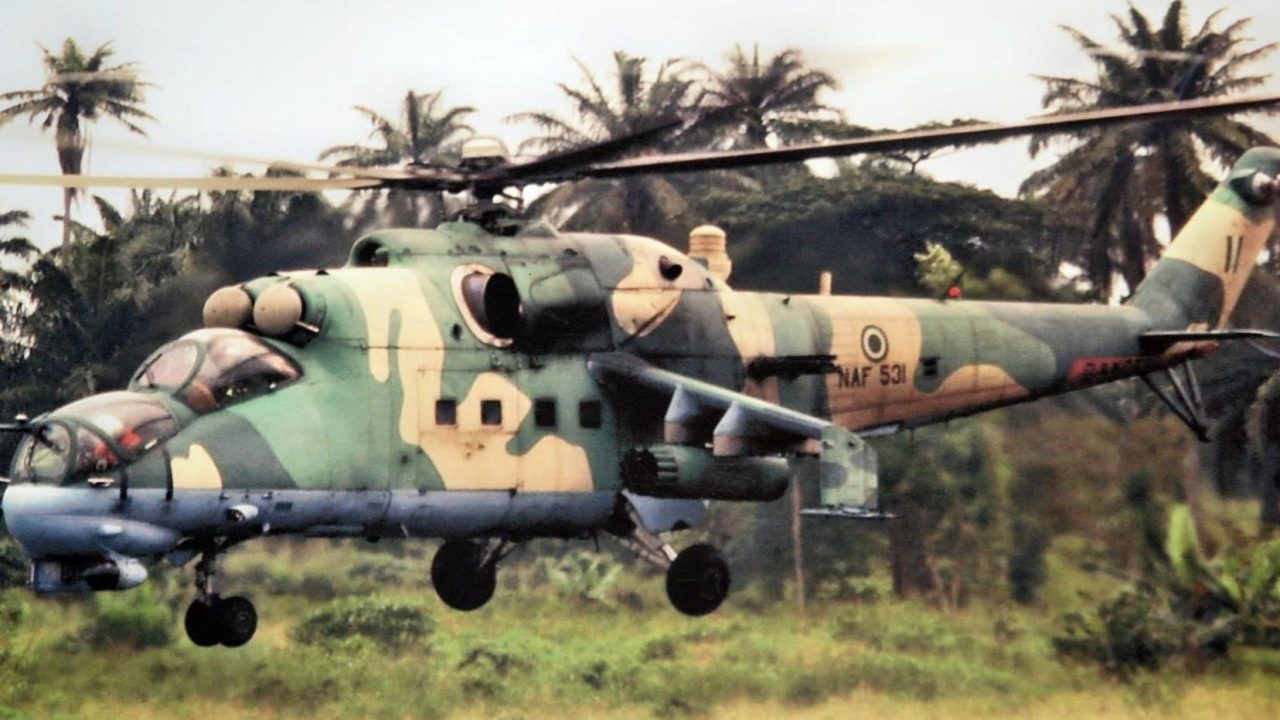
The Nigerian Air Force (NAF) has intensified its counter-insurgency campaign in Nigeria’s North-East, carrying out a precision airstrike that destroyed a terrorist enclave and killed several fighters linked to the Islamic State West Africa Province in Borno State.
The operation targeted Kangarwa in the northern Tumbuns axis—an area long regarded as a stronghold for insurgent groups operating around the Lake Chad basin.
In a statement issued on Friday, Air Commodore Ehimen Ejodame, Director of Public Relations and Information, said the strike was conducted by the Air Component of Operation Hadin Kai on April 1 at about 12:05 p.m.
According to him, the mission followed credible intelligence reports indicating increased террорист activity in the area. Subsequent Intelligence, Surveillance, and Reconnaissance (ISR) missions confirmed the presence and movement of fighters within the enclave prior to the strike.
“The precision strike was carried out based on credible intelligence, reinforced by earlier ISR missions which confirmed the massing of terrorists and sustained hostile activity within the enclave,” Ejodame said.
“Following positive identification and target confirmation, NAF air assets conducted successive aggressive strike passes, delivering accurate fires on the identified locations.”
READ ALSO:
- Plateau Security: Troops Kill 3 Terrorists, Arrest Fake Soldiers in Jos
- Adelabu’s Power Lines as Laundry Lines
- Ondo PDP Rejects Wike Faction, Affirms Loyalty to Turaki‑Led NWC
He added that the bombardment obliterated key structures, including command posts and logistics hubs, significantly degrading the operational capacity of the террорист network.
“The strike neutralised scores of fighters, destroyed critical infrastructure, and left the enclave severely degraded, with its operational utility significantly diminished,” he said.
Military sources indicated that Kangarwa serves as a strategic transit and coordination hub for insurgents moving across the Tumbuns and Lake Chad fringes. The destruction of the enclave is expected to disrupt planned attacks and weaken supply chains for fighters in the region.
The NAF spokesman further noted that the operation has created favourable conditions for ground forces to advance and conduct clearance operations, as troops of Operation Hadin Kai continue to sustain pressure on fleeing insurgents.
He stressed that the strike dealt a significant blow to ISWAP elements, particularly affecting their command structure and mobility.
“The operation is assessed to have eliminated several ISWAP fighters with devastating impact, while the enclave’s command and support structure suffered a major setback,” Ejodame stated.
Security analysts say the latest strike highlights improved coordination between air and ground forces, a strategy increasingly adopted by the Nigerian military to dismantle insurgent networks more effectively.
The renewed offensive comes amid sustained efforts by the Armed Forces to clear террорист enclaves across Borno and the wider North-East, where insurgency has persisted for over a decade.
Authorities reaffirmed that air interdiction missions and ground assaults will continue in a bid to eliminate remaining террорист elements and restore lasting stability to affected communities.
NAF Airstrike Destroys Terrorist Enclave, Kills Scores of ISWAP Fighters in Borno

-

 Railway3 days ago
Easter train: NRC increases Lagos-Ibadan trips, offers free Osun holiday transit
-

 metro2 days ago
VeryDarkMan Dares Sowore Over Blord’s Kuje Prison Remand
-
 Business2 days ago
NNPC Boosts Crude Supply to Dangote Refinery to Address Rising Fuel Prices
-

 metro2 days ago
Nigerians to Enjoy Four-Day Break as FG Declares Easter Holidays
-
 metro23 hours ago
Tinubu Approves 1,000 Forest Guards, Orders 5,000 CCTV Cameras to Boost Security in Plateau
-
 metro3 days ago
Power Crisis Looms as NLC Shuts AEDC, Protests Sack of 900 Workers
-
 International17 hours ago
Iran Announces ‘Bounty’ on US Pilots After Claiming Downing of Fighter Jet
-
 International2 days ago
Iran Fires Missiles at Israel After Trump Threatens Weeks of ‘Extremely Hard’ Strikes