Spain Shuts Airspace to US Warplanes, Rejects Iran Conflict Involvement
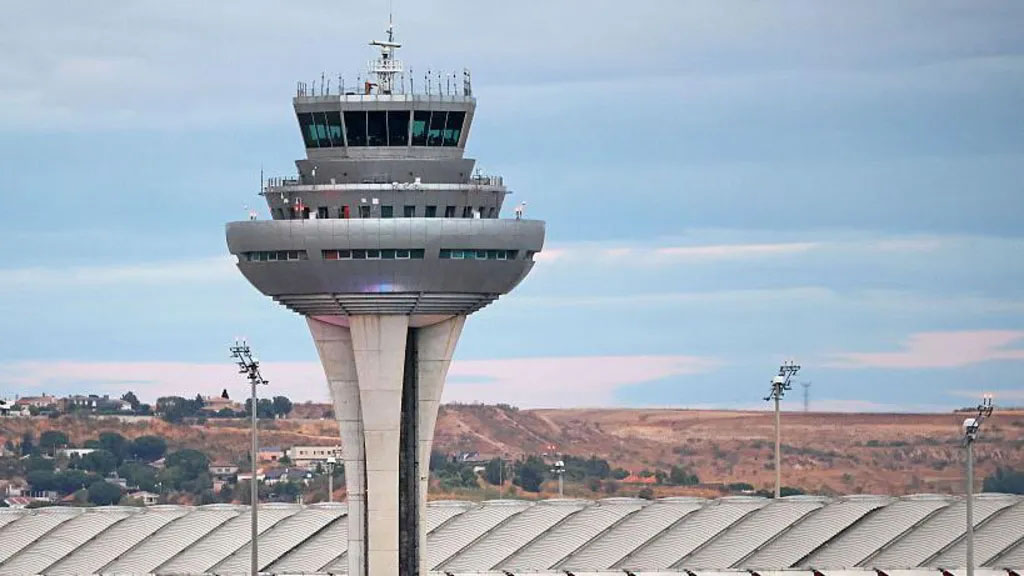
Spain has taken a firm stance against the ongoing Iran war, announcing the closure of its airspace to US military aircraft involved in operations targeting Iran, in a move that has heightened diplomatic tensions with Washington.
Spain’s Defence Minister, Margarita Robles, confirmed that Madrid will not permit the use of its territory or military facilities for any actions linked to the conflict. She specifically ruled out access to the jointly operated bases at Naval Station Rota and Morón Air Base.
The decision reinforces Spain’s broader policy of non-participation in the Iran war, which officials say is aimed at preventing further escalation and upholding international law.
Spain’s Foreign Affairs Minister, José Manuel Albares, said the government’s position is to avoid any action that could intensify the conflict, stressing that diplomacy remains the preferred path.
READ ALSO:
Prime Minister Pedro Sánchez has been one of the most vocal European critics of the US-led strikes, previously describing them as “reckless” and “illegal.” He disclosed that Spain had already rejected all US flight plans connected to military operations in Iran, including refuelling missions.
“We are a sovereign country that does not wish to take part in illegal wars,” Sánchez stated, underscoring Spain’s commitment to neutrality in the conflict.
The restriction means US aircraft operating from bases such as RAF Fairford in the United Kingdom will now be forced to reroute around Spanish airspace, either via the Atlantic or through France, adding logistical challenges to ongoing missions.
In response, officials in the administration of Donald Trump maintained that US operations—reportedly under “Operation Epic Fury”—are progressing successfully without Spain’s involvement. A White House official said the US is meeting or exceeding its military objectives independently.
However, the disagreement has widened into a diplomatic rift, with Trump previously threatening a full trade embargo on Spain over its refusal to support the war effort.
Spain’s stance has also drawn a notable response from Tehran. The Iranian government signalled it would be open to Spanish requests concerning transit through the Strait of Hormuz, a critical global oil route through which about 20% of the world’s oil supply typically flows.
The waterway has faced disruptions due to heightened military tensions, including threats of drone and missile attacks, pushing global oil prices higher and raising concerns about energy security.
Spain’s decision highlights deepening divisions among Western allies over the Iran conflict, with Madrid positioning itself firmly in favour of diplomacy while resisting military escalation.
Spain Shuts Airspace to US Warplanes, Rejects Iran Conflict Involvement