

News
PFIPC Probe: ICPC Indicts Civil Servants Over ₦1.3bn Fake Agency Scandal





News
Petrol Price Hike Hits Abuja as MRS, AA Rano, Others Raise Rates Despite FG’s Discount Plan

Petrol Price Hike Hits Abuja as MRS, AA Rano, Others Raise Rates Despite FG’s Discount Plan
ABUJA – Petrol consumers in the Federal Capital Territory (FCT) have been thrown into fresh anxiety following an abrupt increase in the pump price of Premium Motor Spirit (PMS), popularly known as petrol.
Checks by Newstrends.ng on Sunday, October 11, 2026, revealed that major independent marketers, including MRS, Ranoil, and AA Rano filling stations, have adjusted their pumps upward, disregarding the Federal Government’s proposed palliative measure. According to findings, MRS filling stations have raised their price by a staggering N39, moving from N1,370 to N1,409 per litre. Similarly, Ranoil and AA Rano filling stations have jerked up their prices by N10, selling at N1,410 per litre, up from the previous N1,400. The new rates took immediate effect at various outlets in Kubwa, Katampe, Gwarimpa, and other satellite towns within the nation’s capital.
The latest hike presents a sharp contrast to the proposal made by the Minister of Finance, Taiwo Oyedele, who had earlier floated a plan to cushion the harsh economic impact on Nigerians. The proposal suggested that petrol would be sold at a discounted rate of N1,350 per litre exclusively at Nigerian National Petroleum Company (NNPC) filling stations. However, the decision by MRS and the Rano group to raise prices suggests a disconnect between government policy and market forces. Industry analysts suggest that the marketers may be responding to foreign exchange fluctuations and landing cost pressures, which make the proposed N1,350 price unsustainable for private businesses.
READ ALSO:
- Kano Police Explain Blockade of ‘Tinubu Must Go’ Meeting
- Xenophobia: Nigeria Evacuates 111 More Citizens From South Africa as Returnees Hit 2,037
- Russia-Ukraine Truce in Doubt as Zelenskyy Questions Trump’s Ceasefire Announcement
Speaking on the condition of anonymity, a station manager at one of the affected outlets in Gwarimpa noted that the proposed Federal Government discount is a “welcome development” but argued that it cannot work in isolation. “The government cannot ask only NNPC to sell at a discount while independent marketers buy at higher ex-depot prices. If the discount is not extended to all marketers, we will be forced out of business, and Nigerians will still suffer,” the source told Newstrends.ng.
For the average Abuja resident, the fresh increase represents a further strain on household finances. Commuters have expressed frustration over the unpredictability of fuel prices. “This is too much. They told us yesterday that the government is planning to reduce the price to N1,350, and today, we are seeing N1,410. It is very confusing and painful,” said Musa Ibrahim, a commercial driver in Kubwa.
As of the time of filing this report, it remains unclear if other major marketers, such as NNPC Retail and TotalEnergies, will follow suit with the price increase. However, the development raises questions about the viability of the Federal Government’s proposed fuel subsidy discount plan. Newstrends.ng will continue to monitor the situation and provide updates on the ripple effects on transportation costs and the general cost of living across the country.
Petrol Price Hike Hits Abuja as MRS, AA Rano, Others Raise Rates Despite FG’s Discount Plan

News
Oshiomhole Accuses Umahi of Bias in Road Projects, Demands Repairs Before New Construction
Oshiomhole Accuses Umahi of Bias in Road Projects, Demands Repairs Before New Construction
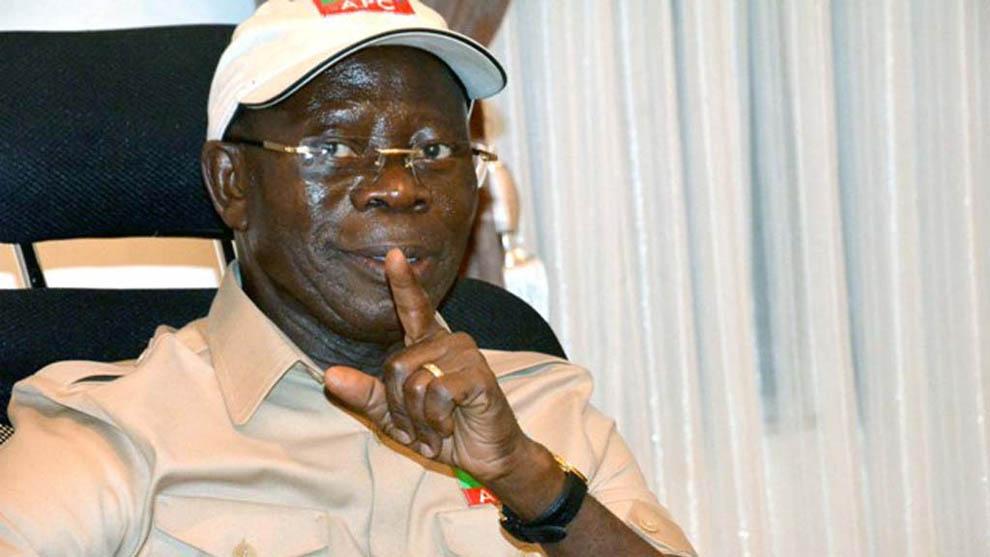
Senator Adams Oshiomhole has accused the Minister of Works, David Umahi, of alleged bias in the allocation of funds for federal road projects, insisting that the government should prioritise the rehabilitation of deteriorating highways before embarking on new construction.
Oshiomhole, who represents Edo North Senatorial District, made the allegations during a podcast interview shared on social media, revisiting his disagreement with Umahi over the management of federal road infrastructure and budgetary priorities.
The former Edo State governor said his criticism of the minister during a Senate budget-defence session was part of his responsibility to scrutinise government spending and ensure that public funds address the most pressing infrastructure needs.
According to Oshiomhole, several existing federal roads across the country have deteriorated to the point where motorists and commuters struggle to use them, yet the Ministry of Works continues to pursue new projects.
He argued that the government should concentrate available resources on rehabilitating roads that have become severely damaged instead of expanding the project portfolio while critical routes remain in poor condition.
“As a manager, you do not keep on building new houses when you cannot maintain the houses you already have. It is common sense,” Oshiomhole said.
The senator maintained that his intervention was not politically motivated, despite both men belonging to the ruling All Progressives Congress (APC).
He also criticised what he described as Umahi’s tendency to invoke President Bola Ahmed Tinubu’s name when responding to questions about the ministry’s decisions.
READ ALSO:
- 2027: Pantami Breaks Silence as INEC Excludes Him From Final Gombe Governorship List
- ‘My Wife Fed Actresses I Was Dating Despite Knowing About Our Affairs’ – Yinka Quadri
- Tension in Kano as Phone Traders Confront Chinese Sellers Over Cheaper Phones
Oshiomhole argued that the responsibility for identifying road maintenance priorities, assessing infrastructure conditions and proposing appropriate budgetary allocations rests with the minister rather than the President having to intervene in individual projects.
“Ministers should not drop his name to cover up their own mess,” he said.
The lawmaker further questioned the proposal to submit additional road projects to the Federal Executive Council when existing highways still require urgent attention. He called for greater coordination between the Ministry of Works and the Federal Roads Maintenance Agency (FERMA), which is responsible for maintaining federal roads.
Oshiomhole urged the minister to use reports from federal directors of works across the country’s geopolitical zones to identify the most urgent rehabilitation needs and guide spending decisions.
The senator’s latest comments follow his July 2026 criticism of the minister over the condition of major highways linking Edo and Delta states.
During a Senate plenary session, Oshiomhole complained about the condition of routes connecting Benin City with Warri, Asaba, Auchi and Okene, arguing that motorists continued to face serious difficulties despite the approval of new road projects elsewhere.
He alleged that critical sections of roads in the two states had been left out of federal budgetary allocations over several years and urged the Senate leadership to press the minister for a more balanced approach to infrastructure development.
Oshiomhole also said presidential intervention through tax credits had helped address parts of the affected road network.
The disagreement between the two APC figures had previously surfaced during a Senate budget-defence session in February 2026, when lawmakers questioned Umahi about the funding and implementation of major federal highway projects, including the Lagos-Calabar Coastal Highway.
During that exchange, Oshiomhole raised concerns about transparency in road funding and delays in releasing money for projects. Umahi, in turn, complained about the manner in which the senator questioned him, leading to a heated exchange before the session continued.
Umahi has also faced criticism over claims that federal road projects are concentrated in the South-East. In September, however, the minister rejected allegations of regional favouritism, insisting that projects were being implemented across the country in line with approvals granted by President Tinubu.
At an October 7 press conference, the Ministry of Works outlined progress on major federal highway projects and other road interventions, including work on the Lagos-Calabar Coastal Highway and the Trans-Saharan Highway corridor.
The ministry has also acknowledged challenges involving funding, contractors and project delivery. In June, Umahi warned contractors handling federal road projects against delays and said funding constraints had forced adjustments to the scope of some highway works.
Oshiomhole’s criticism has renewed debate over how the Federal Government should balance the construction of new highways with the maintenance and rehabilitation of existing roads.
While the senator is calling for greater attention to deteriorating routes, the minister’s position is that the government’s infrastructure programme covers strategic projects across multiple regions.
The key questions remain how road projects are prioritised, how available funds are distributed and how the government can ensure that existing highways receive timely repairs while major new infrastructure investments continue.
Oshiomhole has called on the Senate to strengthen its oversight of the Ministry of Works and ensure that road spending reflects the needs of communities and motorists across the country.
Oshiomhole Accuses Umahi of Bias in Road Projects, Demands Repairs Before New Construction
News
OASIS Muslim Care Foundation Holds Webinar on Healthy Lifestyles, NCD Prevention
OASIS Muslim Care Foundation Holds Webinar on Healthy Lifestyles, NCD Prevention
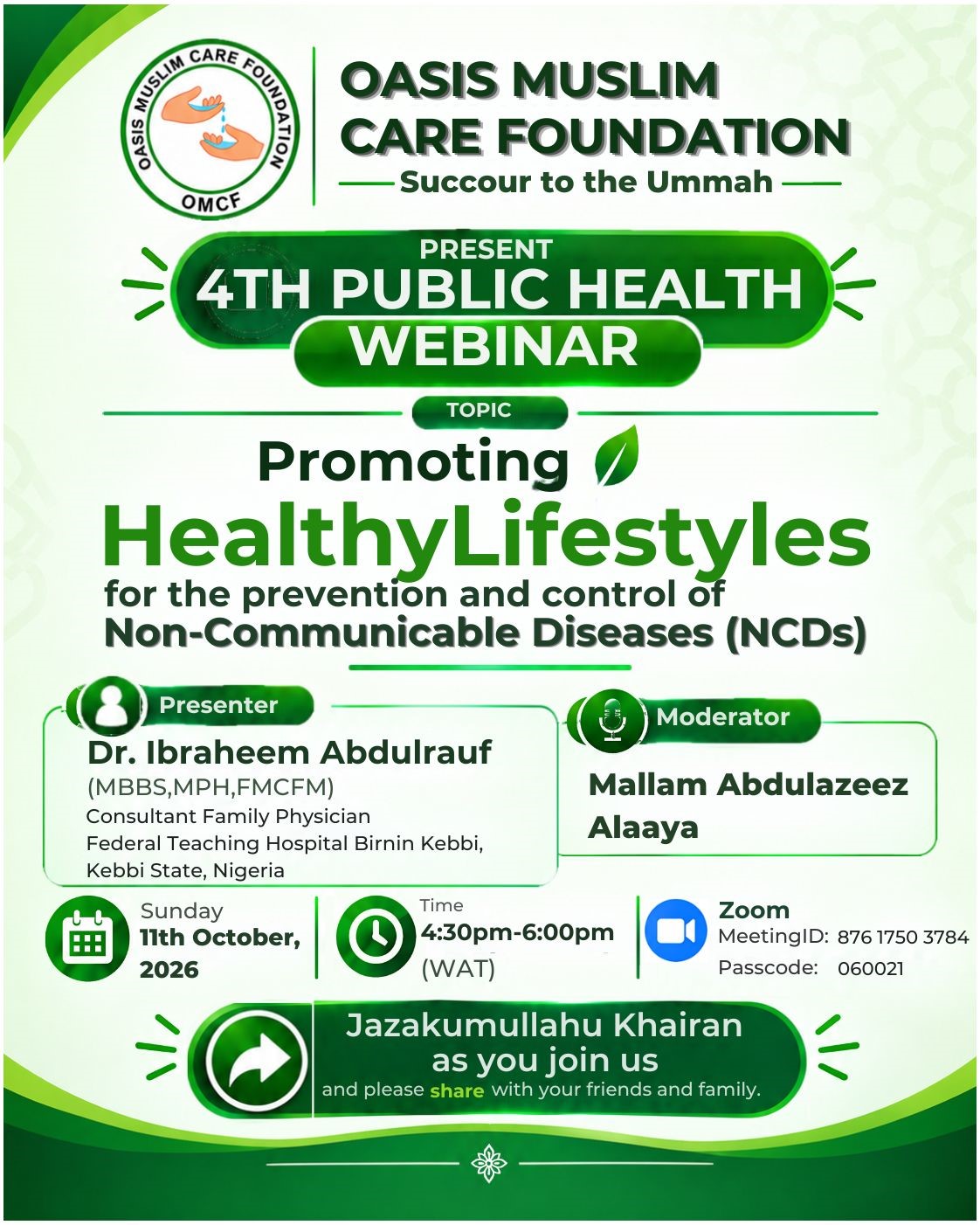
The OASIS Muslim Care Foundation is set to host its fourth public health webinar on Sunday, October 11, 2026, focusing on the promotion of healthy lifestyles as a strategy for preventing and controlling non-communicable diseases (NCDs).
The webinar, titled “Promoting Healthy Lifestyles for the Prevention and Control of Non-Communicable Diseases (NCDs),” is expected to educate participants on the importance of adopting healthier habits to reduce the risk of diseases that pose significant public health challenges.
The session will be delivered by Dr. Ibraheem AbdulRauf, a Consultant Family Physician at the Federal Teaching Hospital, Birnin Kebbi, Kebbi State.
Dr. AbdulRauf holds a Bachelor of Medicine and Bachelor of Surgery (MBBS), a Master of Public Health (MPH) and fellowship qualifications in family medicine (FMCFM).
READ ALSO:
- NNPC Petrol Discount: Motorists Must Download App to Save ₦66 Per Litre
- Panama Earthquake: 27 Injured as Powerful 7.7-Magnitude Tremor Damages Hundreds of Buildings
- EFCC Wins ₦132m Money Laundering Case as Court Orders Forfeiture of Lagos Properties
According to the event announcement, the webinar is part of the foundation’s public health engagement efforts aimed at promoting awareness and encouraging individuals to take practical steps towards improving their health and well-being.
Non-communicable diseases, including cardiovascular diseases, diabetes, cancers and chronic respiratory diseases, are major health concerns worldwide. Many of these conditions are associated with risk factors such as unhealthy diets, physical inactivity, tobacco use and harmful alcohol consumption.
Health education and the adoption of healthy lifestyle practices are important measures for reducing the risk of such diseases and improving the quality of life.
The online event is scheduled to commence at 4:30 p.m. West Africa Time (WAT) and will be held via Zoom.
Interested participants can join the webinar using the following details:
Meeting ID: 876 1750 3784
Passcode: 060021
Zoom link: https://us06web.zoom.us/j/87617503784?pwd=Xf2f6XuCfunLuNYjnbqjVfz92EFAt9.1
The foundation has invited members of the public to participate in the session and share the announcement with others to widen awareness of healthy living and the prevention and control of non-communicable diseases.
The webinar is open to everyone interested in learning more about practical approaches to maintaining good health and preventing lifestyle-related illnesses.
OASIS Muslim Care Foundation Holds Webinar on Healthy Lifestyles, NCD Prevention
-
 metro2 days ago
How Parents Raised Millions to Free 20 Abducted NYSC Members
-
 metro2 days ago
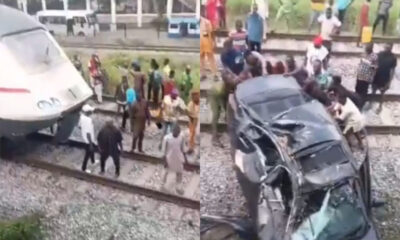
[UPDATED] Lagos Train Crash: 55-Year-Old Motorist Survives as Honda Car Is Wrecked at PWD Crossing
-

 metro11 hours ago
Tension in Kano as Phone Traders Confront Chinese Sellers Over Cheaper Phones
-
 Health2 days ago
NAFDAC Raises Alarm Over Toxic Pesticides in Beans, Seizes ₦800m Banned Chemicals
-
 Business2 days ago
NNPCL: We Introduced ₦66 Fuel Discount Before FG’s Announcement
-
 metro1 day ago
Police Launch Manhunt After Fresh Attacks, Kidnappings Rock Four Nigerian States
-

 Sports2 days ago
Ronaldo Breaks Silence on Portugal Row as Pelé, Maradona Comparison Sparks Meme Frenzy
-
 metro2 days ago
2027: Ekiti Driver Takes ₦3.5m Loan to Back Tinubu’s Re-election Bid