

News
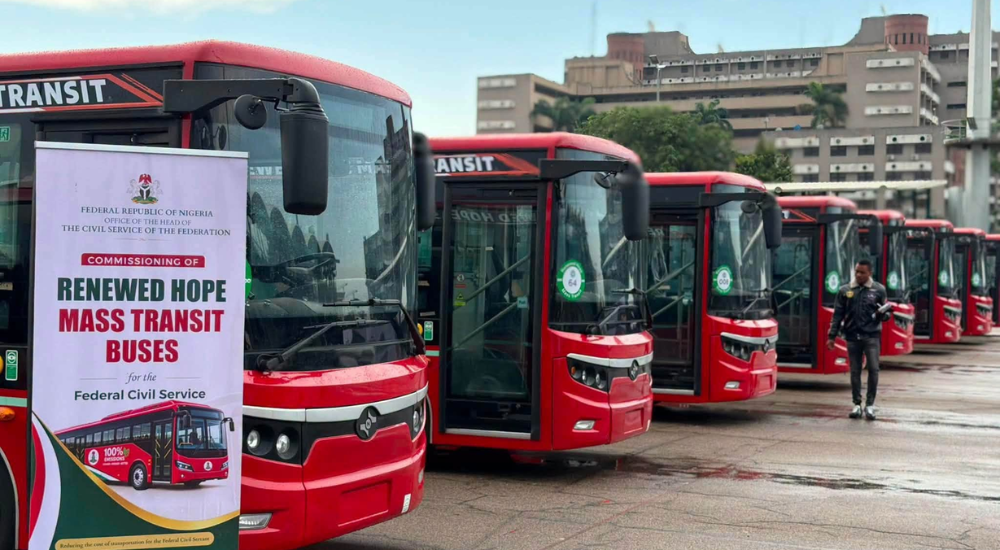
Renewed Hope Mass Transit: FG Launches 100 Electric Buses for Federal Workers





News
Senate Meeting Turns Bloody As Rivers Senator’s Aide Allegedly Beaten, Struck With Gun Butt
Senate Meeting Turns Bloody As Rivers Senator’s Aide Allegedly Beaten, Struck With Gun Butt
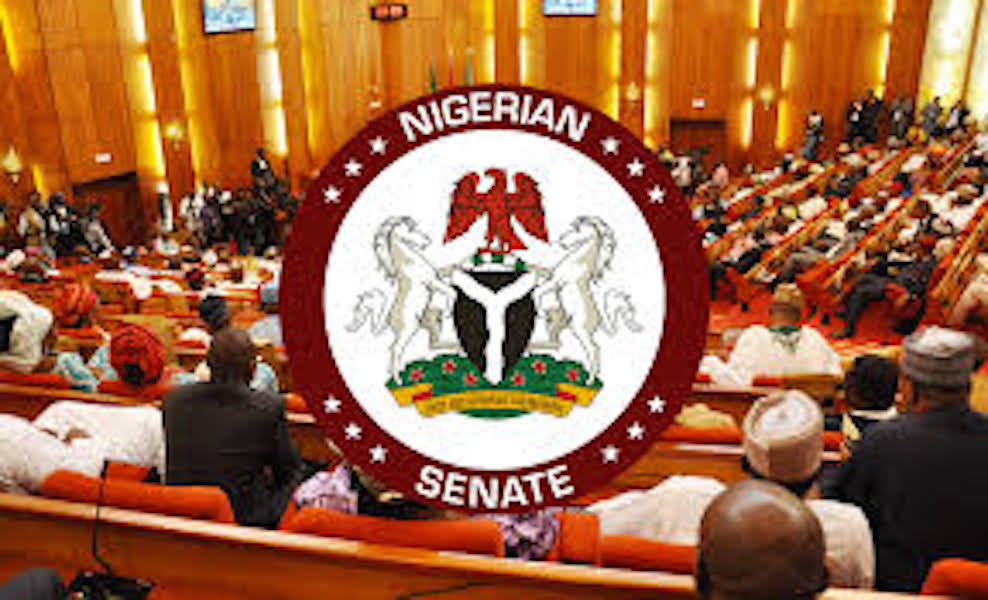
A meeting of the Senate Committee on Appropriations at the National Assembly complex in Abuja descended into violence on Wednesday after security operatives allegedly assaulted two aides to Senator Allwell Onyesoh, representing Rivers East Senatorial District, leaving one of them with serious head injuries.
The injured aide, identified as Barrister Kingsley Wali, was reportedly pushed down a staircase and repeatedly struck on the head with the butt of a gun during the confrontation with security personnel stationed at the entrance of the committee room.
Wali was subsequently rushed to the National Assembly Clinic for medical attention after he was found bleeding and lying in a pool of blood.
The incident occurred during a closed-door meeting of the Senate Committee on Appropriations, chaired by Senator Olamilekan Adeola, popularly known as Yayi, who represents Ogun West Senatorial District.
According to accounts provided by Wali, he and another aide, identified as Dr Kingsley, had accompanied Senator Onyesoh to the committee meeting.
He alleged that after their principal entered the committee room, he attempted to follow but was prevented from doing so by security operatives who were trying to shut the entrance.
Wali reportedly explained that the senator had already gained access to the meeting and that he was not attempting to force his way into the room.
However, he alleged that the situation escalated when the security personnel grabbed his colleague by the neck and began assaulting him.
Wali said he intervened and pleaded with the operatives to stop beating his colleague, explaining that the individual was the senator’s personal assistant.
He further alleged that the security personnel subsequently turned on him because of his intervention.
According to his account, one of the operatives grabbed him and pushed him down a staircase. He claimed that after falling, three security personnel cornered him and repeatedly hit his head with the butt of a gun until he slumped.
Wali said the operatives left him after he collapsed.
His colleague reportedly took photographs of his condition and forwarded them to Senator Onyesoh through WhatsApp while the lawmaker was still attending the committee meeting.
On receiving the photographs, Onyesoh reportedly stepped out and discovered his aide lying in a pool of blood.
The senator subsequently took Wali into the committee room, where other lawmakers reportedly expressed shock at the extent of his injuries and directed that he receive immediate medical attention.
He was later taken to the National Assembly Clinic, where he received treatment and was discharged.
However, the chairman’s media adviser, Chief Kayode Odunaro, presented a different account of how the confrontation started.
In a statement, Odunaro described the incident as a misunderstanding between legislative aides attempting to gain access to a closed-door committee meeting and security personnel stationed at the entrance.
He maintained that the confrontation occurred without the knowledge of Senator Adeola, who was already presiding over the meeting when the incident happened.
According to him, the committee chairman only became aware of the development after Senator Onyesoh briefly stepped out and discovered that his aide had sustained injuries.
Odunaro also confirmed that the injured aide was taken to the National Assembly Clinic, where he received treatment before being discharged.
He disclosed that the management of the National Assembly had commenced an investigation to establish the circumstances surrounding the incident and determine what led to the confrontation.
The development has raised concerns about the conduct of security personnel within the National Assembly, particularly regarding the treatment of legislative aides and other officials accompanying elected representatives.
It also raises questions about the security arrangements governing access to committee meetings and the appropriate handling of disagreements involving lawmakers’ aides and security operatives.
As of the time of filing this report, the National Assembly management had yet to release the findings of its investigation, while the allegations made by the injured aide had not been independently established.
The outcome of the investigation is expected to clarify the circumstances that led to the violence and establish whether the security personnel involved acted within the limits of their responsibilities.
Senate Meeting Turns Bloody As Rivers Senator’s Aide Allegedly Beaten, Struck With Gun Butt

News
Petrol Prices Crash as Five Lagos Depots Slash Rates
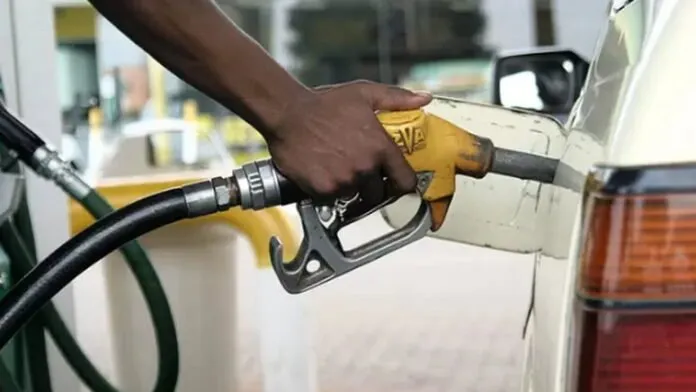
Petrol Prices Crash as Five Lagos Depots Slash Rates
The latest price adjustments reflect intensifying competition among depot operators, independent marketers and major refiners, following a recent reduction in the gantry price of petrol by the Dangote Petroleum Refinery.
The five Lagos depots selling petrol at ₦1,055 per litre on Tuesday, November 24, emerged as the lowest-priced terminals among those surveyed, while other major suppliers adjusted their rates within a narrow range.
Aiteo quoted petrol at ₦1,058 per litre, while Pinnacle and Dangote Petroleum Refinery offered the product at ₦1,059. Total also listed its price at ₦1,060 per litre.
The price competition has extended beyond Lagos, with several depot operators in other parts of the country lowering their rates in response to market conditions.
Sigmund recorded one of the most significant reductions, cutting its price by ₦234 to ₦1,114 per litre. Matrix in Port Harcourt reduced its rate by ₦23 to ₦1,105, while A.Y.M. Shafa lowered its price by ₦21 to ₦1,084 per litre.
Parker, Nepal and Matrix in Warri also reduced their rates by ₦20 each to ₦1,085, while Rainoil Delta cut its price by ₦20 to ₦1,125.
Liquid Bulk reduced its price by ₦15 to ₦1,105 per litre, while Mainland also adjusted downward by ₦15 to ₦1,115.
READ ALSO:
- Daura Controversy: Agunbiade Urges Probe Into Palace Security Lapses
- ‘Nothing Must Happen to Peter Obi in Benin’ – Rufai Oseni Raises Alarm
- ADC Asks Tinubu to Resign or Face Impeachment Over Kano Court Allegation
The average wholesale price across the surveyed depots stood at approximately ₦1,082 per litre, reflecting the downward movement in the domestic petrol market.
The reduction in depot prices is beginning to translate into lower pump prices in some cities, although the extent of the relief varies among fuel retailers and locations.
In Abuja, MRS filling stations reduced their pump price by ₦70, from ₦1,365 to ₦1,295 per litre, representing a reduction of about 5.13 per cent.
The latest adjustment brings MRS’s cumulative price reduction in recent days to ₦104 per litre. Motorists purchasing 50 litres of petrol at the new rate will save ₦3,500 compared with the previous price of ₦1,365, and ₦5,200 against the earlier price of ₦1,399 per litre.
The Nigerian National Petroleum Company Limited (NNPC) also recently reduced its pump price by ₦25 to ₦1,300 per litre, leaving petrol prices at filling stations across Abuja and its environs generally between ₦1,295 and ₦1,380 per litre.
However, prices remain mixed along the Lagos-Ibadan Expressway and parts of Ogun State, where some retailers are still selling petrol from inventories purchased at higher wholesale rates.
Mobil stations in Atan reportedly sold petrol at ₦1,170 per litre, while AP Filling Station offered it at ₦1,199. Julanky Filling Station sold at ₦1,270, while YAAB Petroleum in Iyana Iyesi, Ota, dispensed petrol at ₦1,290 per litre.
The disparity in pump prices reflects differences in supply costs, existing inventories, transportation expenses and operational charges, which can delay the transmission of wholesale price reductions to consumers.
With depot prices continuing to fall amid competition between the Dangote refinery, NNPC and independent suppliers, motorists are hoping for further reductions at filling stations as retailers replenish their stocks at lower costs.
A sustained decline in petrol prices could also ease transportation expenses and reduce pressure on the cost of goods and services, although the extent of the impact will depend on how quickly lower wholesale rates are reflected across the retail market.
Petrol Prices Crash as Five Lagos Depots Slash Rates
News
‘Nothing Must Happen to Peter Obi in Benin’ – Rufai Oseni Raises Alarm
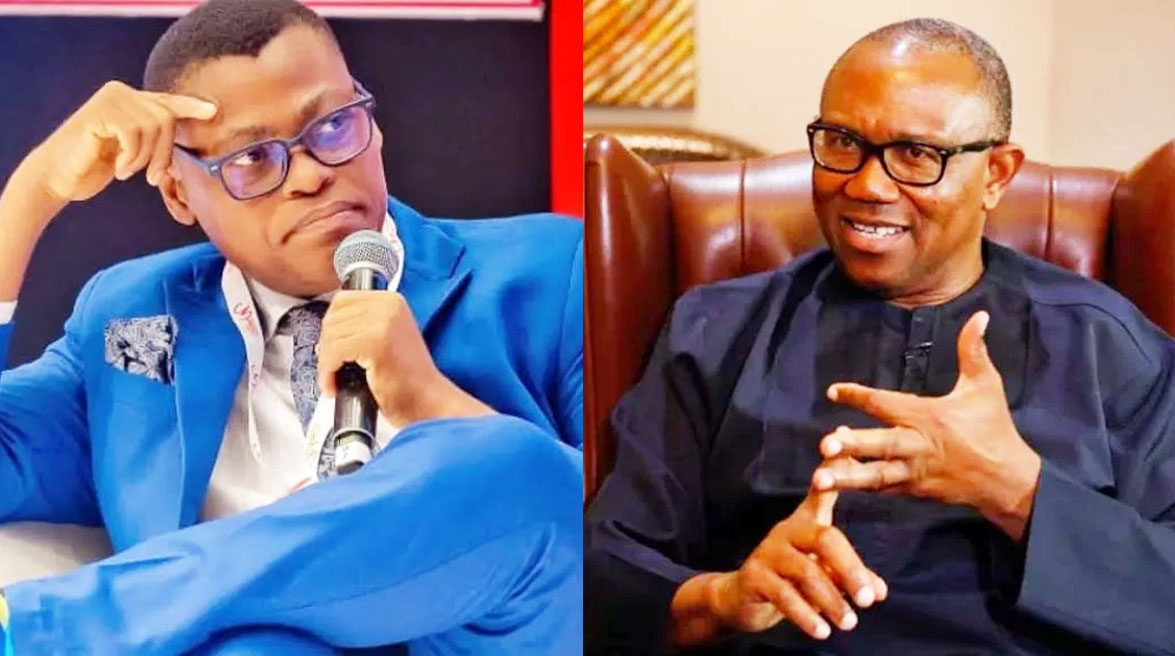
Arise Television presenter, Rufai Oseni, has raised concerns over the safety of Peter Obi ahead of the Nigeria Democratic Congress (NDC) presidential candidate’s political engagement in Benin City, Edo State, warning that nothing must happen to the former Anambra governor.
Oseni issued the warning on Wednesday amid reported political tension surrounding Obi’s scheduled town hall meeting in the Edo State capital and alleged threats against the opposition politician.
“Nothing must happen to Obi in Benin. We remember all their threats. We remember what they said. We remember what they promised to do,” Oseni said.
The broadcaster’s remarks come as Obi prepares to engage residents of Benin City as political activities gather momentum ahead of the 2027 general elections.
The planned town hall meeting has reportedly encountered venue-related challenges, but the NDC has insisted that the engagement would proceed despite the difficulties.
Oseni expressed concern over what he described as previous threats directed at Obi, stressing that the opposition presidential candidate must be allowed to exercise his political rights without intimidation or threats to his safety.
His comments have renewed concerns about the security of opposition politicians and the potential for political disagreements to escalate into violence as parties intensify preparations for the 2027 elections.
READ ALSO:
- ADC Asks Tinubu to Resign or Face Impeachment Over Kano Court Allegation
- Kwankwasiyya Supporters Carry Sticks But Never Harm Anyone – Obi
- Iran Flogs Singer, Four Others 74 Times Over Hijab-Free Performance
Obi, who has continued to mobilise supporters and engage Nigerians across the country, is expected to use the Benin City meeting to interact with residents and discuss issues affecting the country.
The reported venue difficulties surrounding the event have also drawn attention to the challenges political groups may face in organising public gatherings amid heightened political activities.
Oseni’s warning has added to calls for security agencies to ensure adequate protection for political candidates, their supporters and campaign officials, regardless of their party affiliations.
Political parties and candidates are entitled to organise meetings, campaign and engage citizens without intimidation, while security agencies are expected to protect public gatherings and prevent violence.
As attention shifts to Obi’s planned engagement in Benin City, concerns remain over whether the event will proceed peacefully amid the reported tension.
Oseni stressed that political differences must not be allowed to threaten lives, warning that nothing should happen to Obi or any other political figure while exercising their democratic rights.
‘Nothing Must Happen to Peter Obi in Benin’ – Rufai Oseni Raises Alarm
-
 metro1 day ago
Oyoland Grand Chief Imam Moves to End Feud, Seeks Reconciliation Among Markaziyya, Adabiyyah, Mahdul ‘Arabi
-

 News2 days ago
Omokri Arrives in Mexico to Assume Duty as Nigerian Ambassador, Thanks Govt for Ministerial Reception
-
 Politics2 days ago
Uduere Killings: Ughelli Chairman Accuses Omo-Agege’s Camp of Triggering Deadly Clash, Demands IGP Probe
-
 metro2 days ago
Tinubu Gives Igboho Fresh Security Mandate Across South-West
-

 metro2 days ago
‘Shame on You’: Fayose Blasts Nigerian Youths Over Poor Protest Turnout
-

 metro10 hours ago
‘I Came to Nigeria for Love, Now I’m Stranded, Begging for Rent’ — American Woman Married to Enugu Man Cries Out
-

 metro8 hours ago
Nigerian Health Worker, 26, Found Dead in Canada After Returning From Work
-
 News2 days ago
BREAKING: Court Sacks Omo-Agege as NDC Senatorial Candidate, Orders INEC to Remove His Name