
metro
Senate assigns forensic experts to trace crude oil theft

Senate assigns forensic experts to trace crude oil theft
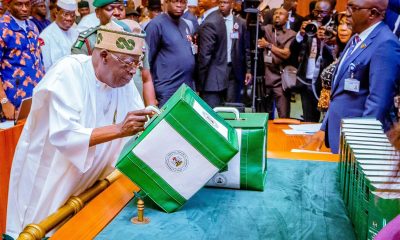
The Senate Ad-hoc Committee on Crude Oil Theft says it has engaged forensic experts to trace and provide information on crude oil theft in the country.
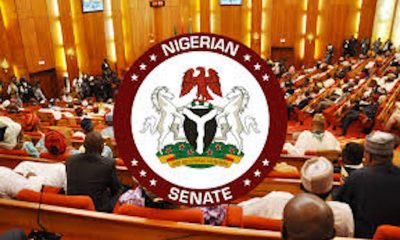
The committee Chairman, Senator Ned Munir Nwoko, disclosed this during a two-day public hearing on the Incessant and Nefarious Acts of Crude Oil Theft in the Niger Delta held at the Senate Wing, National Assembly Complex, Abuja.
Nwoko said the Ad-hoc Committee, since its inception had commenced work in earnest by engaging forensic experts to trace and provide information on crude oil theft from point of lifting to sales up to bank transactions. “This is truly yielding great results and the Ad-hoc Committee will in due time not hesitate to publish its findings. On this note, I wish to assure Nigerians of the Ad-hoc Committee’s commitment to this course as well as its readiness to finding a lasting solution to this nightmare facing our oil and gas industry.”
The Senator representing Delta North Senatorial District in the National Assembly noted that the hearing was a pivotal step in addressing one of the most pressing challenges facing “our nation—the rampant theft of crude oil through illegal bunkering, pipeline vandalism, and the systemic gaps in the regulation and surveillance of our petroleum resources.
“Nigeria loses billions of dollars annually to crude oil theft. This is severely undermining our economy, weakening the Naira, and depriving the nation of vital revenue needed for infrastructure, healthcare, education, and social development.”
Nwoko regretted “that the scale of this theft is staggering, with reports indicating losses of over 200,000 barrels per day – more than some OPEC member nations produce. This criminal enterprise fuels corruption, funds illegal activities, and devastates our environment through spills and pollution. Nigeria’s survival depends on how we tackle this menace.
READ ALSO:
- Supreme Court dismisses governors’ suit over N1.8tn looted funds
- Foreign students at Harvard seek legal help after US halts enrolment
- El-Rufai’s son backs Tinubu against father’s SDP
“We cannot continue to hemorrhage resources while our people suffer. This hearing must produce practical recommendations that will be swiftly implemented.”
The lawmaker assured that Senate and the National Assembly are committed to passing laws that will strengthen regulatory agencies (NUPRC, NEITI, NSA, etc.), enhance community engagement and alternative livelihoods for Niger Delta youth, improve inter-agency collaboration between the military, police, NSCDC, and private security firms, enforce transparency in crude oil lifting and metering processes.
“Let me remind us all that the time for rhetoric is over. The future of our economy and the well-being of generations unborn depend on the actions we take today. I urge every participant to contribute constructively, with patriotism and urgency. Together, we can reclaim Nigeria’s stolen wealth, secure our energy infrastructure, and restore confidence in the petroleum sector.
He reminded participants that: “This public hearing is not just another talk shop. It is a decisive platform to: Uncover the root causes of crude oil theft, bunkering, and pipeline vandalism; Evaluate the effectiveness of existing surveillance, monitoring, and enforcement mechanisms; Identify regulatory and legislative gaps that enable these crimes to thrive; Engage stakeholders, security agencies, host communities, oil companies, regulators, and experts—to proffer actionable solutions; Strengthen legal frameworks to ensure stricter penalties and more efficient prosecution of offenders.
“We expect frank, evidence-based submissions from all stakeholders. This Ad-hoc Committee will not entertain blame games or excuses. We seek solutions, not just lamentations. Key questions we must answer include: Why has crude oil theft persisted despite numerous interventions?; What are the roles of international syndicates, local collaborators, and compromised officials?; How can technology (e.g., digital metering, drones, AI surveillance) enhance monitoring?; What legislative reforms are needed to deter offenders and protect national assets?”
Senate assigns forensic experts to trace crude oil theft





metro
Bandit Threat Sparks Mass Displacement in Katsina Community, MURIC Alerts FG
Bandit Threat Sparks Mass Displacement in Katsina Community, MURIC Alerts FG
The Muslim Rights Concern (MURIC) has issued a distress call to federal authorities over an alleged bandit threat that has forced residents of Sukuntuni in Kankiya Local Government Area of Katsina State to flee their homes.
In a press release dated April 8, 2026, and signed by its Executive Director, Ishaq Akintola, the organisation said it received reports and video evidence showing hundreds of residents abandoning their communities following a purported ultimatum issued by bandits.
According to the statement, the affected communities span Sukuntuni and neighbouring areas including Kankiya, Musawa, Chuga and Matazu. MURIC alleged that the residents fled after receiving a letter demanding 700 cows and 1,000 sheep as ransom to avert an ആക്രമation, with a deadline set for April 10.
The group described the situation as alarming, noting that many displaced persons, including women and children, were seen trekking in search of safety. It expressed concern over what it termed a worsening humanitarian situation in parts of northern Nigeria affected by banditry and insurgency.
MURIC called on President Bola Ahmed Tinubu to prioritise security, stressing that the protection of lives and property remains the primary responsibility of government as enshrined in the 1999 Constitution.
The organisation also urged the Ministry of Defence to intensify efforts to safeguard vulnerable communities, particularly in the North-West and North-East regions where attacks by armed groups have persisted.
While highlighting the plight of the displaced residents, MURIC rejected claims that violent attacks in the region are targeted at any specific religious group. It argued that both Muslim and Christian communities have suffered from terrorism and banditry, describing the violence as criminal in nature rather than religiously motivated.
As of the time of filing this report, there has been no official confirmation from security agencies regarding the alleged threat or the reported displacement of residents in the affected communities.
Security analysts have repeatedly called for improved intelligence gathering and rapid response mechanisms to address the growing insecurity in parts of northern Nigeria
Bandit Threat Sparks Mass Displacement in Katsina Community, MURIC Alerts FG
metro
Bandits Kill Businessman, Daughter Despite ₦12 Million Ransom Payment
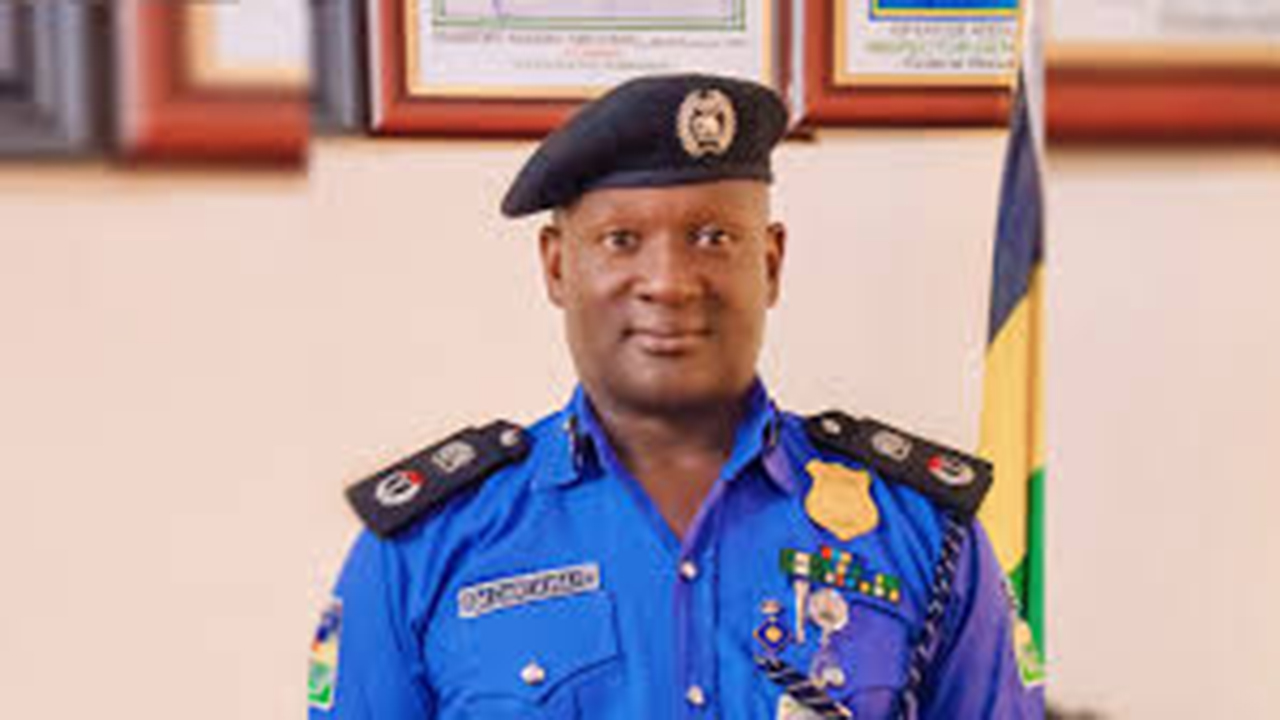
Bandits Kill Businessman, Daughter Despite ₦12 Million Ransom Payment
A harrowing case of kidnapping and bandit violence has claimed the lives of Abuja businessman Muhammad Shuaibu and his 19‑year‑old daughter, Fatima Muhammad, even after the family paid a ₦12 million ransom, highlighting the deepening insecurity facing Nigerians. On October 3, 2025, armed bandits stormed the family home in Zhidu community, Tafa Local Government Area, Niger State, invading the compound and abducting Shuaibu along with his two daughters. Fatima, then a student of the University of Abuja, and her sister were taken by the attackers into nearby bushes. A family member said the kidnappers originally rounded up all members of the household before separating the captives and issuing ransom demands.
The kidnappers requested ransom in multiple tranches, which the family paid in hopes of securing their loved ones’ release. The first payment was ₦6 million, followed by ₦4 million, and a final payment of ₦2 million, bringing the total to ₦12 million. The family had to raise funds by selling Shuaibu’s Dei‑Dei Modern Market shop, his private car, and a sachet water production machine, while attempts to sell their house were unsuccessful.
READ ALSO:
- Sowore Criticises Church‑Owned Universities Over High Fees
- World Bank: Nigeria’s Economy Growing Despite Persistent Inflation
- House Democrats Rebuke Trump, Demand Immediate Vote Over Iran ‘Civilisation’ Threat
Tragically, Fatima was killed three months into captivity, with the kidnappers accusing her of being “stubborn,” even as negotiations continued. After the final payment, the ransom bearer was instructed to return home, being told that Shuaibu had died in captivity after falling seriously ill. The family’s ordeal — from abduction, ransom payments, loss of property, to the heartbreaking deaths of father and daughter — illustrates the desperation and human toll of Nigeria’s banditry problem.
Efforts to obtain an official response from the Niger State Police Command were unsuccessful, as the police spokesperson SP Wasiu Abiodun did not respond to multiple messages sent by reporters by the time of filing this report.
Security analysts warn that this case reflects a worsening kidnapping crisis in Nigeria, particularly in the north, central, and border regions, where armed groups abduct residents, demand ransoms, and sometimes kill captives regardless of payments. Recent incidents in states such as Kaduna, Sokoto, and Niger have fuelled fear among travellers, traders, and rural communities. The killings have sparked renewed calls from civil society organisations and residents for more effective anti‑kidnapping operations, enhanced intelligence sharing, and proactive military and police engagement to protect civilians and curb rising banditry.
Bandits Kill Businessman, Daughter Despite ₦12 Million Ransom Payment
metro
Sowore Criticises Church‑Owned Universities Over High Fees

Sowore Criticises Church‑Owned Universities Over High Fees
Human rights activist and politician Omoyele Sowore has stirred a national debate after calling out church-owned universities in Nigeria over high tuition fees and limited access for average worshippers.
Sowore made the remarks during a recent interview on The Honest Bunch podcast, where he challenged prominent pastors and religious leaders about the affordability and accessibility of their universities. He argued that while these institutions often have large congregations, many ordinary members who contribute tithes and offerings cannot afford the high cost of education.
“You build Covenant University, and then ask poor people to come to church… you’ll go and drive them from Ajegunle with your Holy Ghost buses, but their children cannot go to Covenant University,” Sowore said, highlighting what he described as a contradiction between the outreach of megachurches and the actual social impact of their educational investments.
READ ALSO:
- Bill Gates to Testify Before US House Panel in High‑Profile Jeffrey Epstein Probe
- Trump Announces Two‑Week Ceasefire With Iran, Pauses Planned Bombing
- Arsenal Edge Sporting in Lisbon with Last-Minute Havertz Strike
Sowore’s comments have sparked a heated conversation about economic inequality and education access in Nigeria. Private church-owned universities such as Covenant University, Babcock University, Redeemer’s University, and Bowen University charge tuition fees that often exceed the annual income of many families, effectively excluding a significant portion of the population.
Supporters of Sowore’s position argue that his critique sheds light on the need for religious institutions to align their social responsibility with their educational initiatives. Critics, however, claim that operating universities requires significant resources and that high tuition fees are reflective of broader challenges in private higher education, not just church ownership.
The debate comes amid Nigeria’s ongoing struggle with education affordability, where limited capacity in federal universities and rising costs in private institutions leave many families unable to access higher education. Sowore’s remarks have renewed calls for religious institutions, policymakers, and civil society groups to explore innovative ways to make education more accessible to the country’s lower- and middle-income families.
Sowore Criticises Church‑Owned Universities Over High Fees

-
 metro23 hours ago
FG Deports US Missionary Alex Barbir Over Alleged Role in Nigeria Insecurity
-

 Entertainment21 hours ago
Veteran Nollywood Actor Davis Ofor ‘Clarus’ of New Masquerade Dies at 85
-
 metro2 days ago
MURIC Backs Egba Imams’ Call for Inclusive Leadership in Ogun 2027 Governorship Race
-

 metro1 day ago
Lagos Announces Partial Road Closures for Project Commissioning
-

 International3 days ago
Netanyahu Condemns ‘Christian Persecution’ in Nigeria in Easter Message
-

 metro3 days ago
Hajiya Hadiza Attahiru Jega, Wife of Former INEC Chairman, Dies in Abuja
-

 Politics2 days ago
2027: Atiku Signs $1.2m US Lobbying Deal to Engage Trump
-
 News1 day ago
Iran Lists Tough Conditions for Peace Talks with US