

News
SERAP sues Tinubu govt over loans by ex-presidents

SERAP sues Tinubu govt over loans by ex-presidents
Socio-Economic Rights and Accountability Project (SERAP) has filed a lawsuit against the government of president Bola Tinubu “over the failure to publish spending details of the loans obtained by the governments of former presidents Olusegun Obasanjo, Umaru Musa Yar’Adua, Goodluck Jonathan and Muhammadu Buhari.”
The suit was filed against the Minister of Finance and Coordinating Minister of the Economy, Mr Wale Edun, and the Debt Management Office (DMO).
In the suit number FHC/L/CS/353/2024 filed last Friday at the Federal High Court, Lagos, SERAP is asking the court to “direct and compel the Tinubu government to publish the loan agreements obtained by the governments of former presidents Olusegun Obasanjo, Umaru Musa Yar’Adua, Goodluck Jonathan and Muhammadu Buhari.”
SERAP is also asking the court to “direct and compel the Tinubu government to publish the spending details of any such loans, including the interests and other payments so far made on the loans.”
In the suit, SERAP is arguing that, “No one should be able to pull curtains of secrecy around decisions on the spending of public funds which can be revealed without injury to the public interest. Democracy requires accountability and accountability requires transparency.”
SERAP is also arguing that “The Tinubu government should make it possible for citizens to have access to the agreements and spending details to judge whether their government is working for them or not.”
According to SERAP, “The information may help to explain why, despite several billions of dollars in loans obtained by successive governments, millions of Nigerians continue to face extreme poverty and lack access to basic public goods and services.”
SERAP is arguing that, “Nigerians’ right to a democratic governance allows them to appreciably influence the direction of government, and have an opportunity to assess progress and assign blame.”
SERAP is also arguing that, “The accountability of government to the general public is a hallmark of democratic governance, which Nigeria seeks to achieve.”
READ ALSO:
- Ighalo, others react to Osimhen flaunting private jet
- Boko Haram attacks commuter bus in Yobe, three passengers killed
- Suspected kidnappers kill Enugu top politician Ejike Ukwueze
The suit filed on behalf of SERAP by its lawyers Kolawole Oluwadare and Andrew Nwankwo, read in part: “Publishing the loan agreements would improve public accountability in ministries, departments and agencies (MDAs).”
“Nigerians are entitled to information about what their government is doing in their name. This is part of their right to information.”
“Publishing the agreements and spending details would allow the public to see how and on what these governments spent the loans and foster transparency and accountability.”
“Publishing the loan agreements signed by the governments of former presidents Olusegun Obasanjo, Umaru Musa Yar’Adua, Goodluck Jonathan and Muhammadu Buhari, and widely publishing the agreements would allow Nigerians to scrutinise it and to demand accountability for the spending of the loans.”
“According to Nigeria’s Debt Management Office, the total public domestic debt portfolio for the country’s is N97.3 trillion ($108 billion). The Federal Government’s debt is N87.3 trillion ($97 billion).”
“Nigeria paid $6.2 billion in 2019 as interest on loans while the country paid $6.5 as interest in 2018. Nigeria also paid $5 billion as interest on loans in 2017 while the country paid $4.4 billion as interest in 2016. For 2015, the interest paid on loans was $5.5 billion.”
“Substantial parts of the loans obtained by successive governments since the return of democracy in 1999 may have been mismanaged, diverted or stolen, and in any case remain unaccounted for.”
“Persons with public responsibilities ought to be answerable to the people for the performance of their duties including the management of the loans obtained between May 1999 and May 2023.”
“The Tinubu government has a responsibility to ensure transparency and accountability in how any loans obtained by the Federal Government are spent, to reduce vulnerability to corruption and mismanagement.”
“By the combined reading of the provisions of the Constitution of Nigeria, the Freedom of Information Act 2011, the International Covenant on Civil and Political Rights, and the African Charter on Human and Peoples’ Rights, there are transparency obligations imposed on the Tinubu government to widely publish the agreements and details of the projects on which the loans were spent.”
“The Nigerian Constitution, Freedom of Information Act, and the country’s anti-corruption and human rights obligations rest on the principle that citizens should have access to information regarding their government’s activities.”
No date has been fixed for the hearing of the suit.
SERAP sues Tinubu govt over loans by ex-presidents






News
41 Days in Bandits’ Den: Five Islamic Clerics Still Held After Tinubu Re-Election Prayer Trip
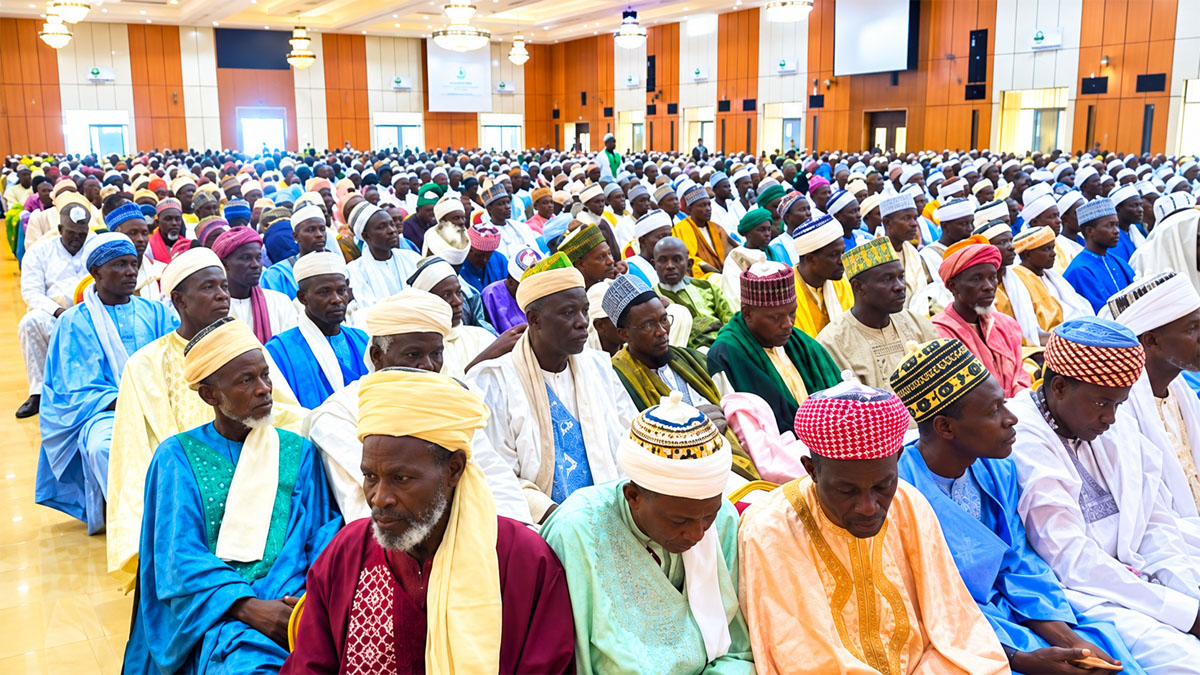
Five Islamic clerics abducted by suspected bandits in Zamfara State have remained in captivity for 41 days, renewing concerns over their safety and the persistent threat of kidnapping in Nigeria’s North-West.
The continued detention of the clerics was disclosed on Friday by conflict reporter Bakatsine, who appealed to Nigerians to continue praying for their safe return.
In an update shared on social media on October 23, 2026, Bakatsine said the Islamic scholars were still in the hands of their abductors and expressed hope that they would reunite with their families.
The clerics were reportedly abducted on September 12, 2026, while travelling towards Talata Mafara Local Government Area for a special prayer gathering organised in connection with President Bola Tinubu’s 2027 re-election bid.
The gathering was associated with Senator Abdul’aziz Abubakar Yari, a former Zamfara State governor and the Director-General of Tinubu’s re-election campaign council.
Reports identified the five clerics as Imam Yahuza, Magawata Abdullahi, Malam Shehu Dakko, Imam Bala Fagon and Na’ibi Tasi’u. They were said to have travelled from communities in Bakura and Talata Mafara local government areas to attend the gathering.
READ ALSO:
- Saudi Executions: Truth Behind Viral Kissing Claim
- MURIC petitions Oyo police over 2019 murder of Muslim cleric in Fiditi
- NEC Targets Cheaper Fares, Food Prices in 90-Day Plan to Ease Nigerians’ Hardship
However, the Nigerian Army clarified shortly after the incident that the clerics were not abducted at Yari’s residence, contrary to some initial reports. According to the military, intelligence indicated that the victims were seized while travelling from the Sububu Forest axis in Bakura towards Talata Mafara.
The Zamfara State Police Command also confirmed the incident, stating that armed men had intercepted the clerics’ vehicle along the Dakko–Damri feeder road in Bakura Local Government Area and that efforts were underway to rescue them.
There were initial reports that six Islamic clerics had been abducted, although the latest reports identifying those still in captivity named five victims.
Reports following the abduction indicated that the kidnappers demanded a ransom of ₦100 million from the victims’ families before the amount was reportedly reduced to ₦30 million during negotiations. However, there has been no confirmed public update on the progress of the negotiations or whether the demand has been met.
As of Friday, October 23, there was no confirmed information that the clerics had been released. Their current whereabouts and condition also remained unclear.
The prolonged captivity has heightened concerns over the security situation in Zamfara State, where armed groups have continued to abduct travellers and residents for ransom.
The incident has also drawn attention to the risks faced by people travelling between rural communities in the state, despite security operations aimed at curbing banditry.
Families of kidnapped victims and residents of affected communities have repeatedly called for stronger security measures and more effective rescue operations to prevent further abductions and secure the release of those still being held.
Bakatsine’s latest appeal has renewed calls for continued public concern over the fate of the five clerics as their families await news of their safe return.
41 Days in Bandits’ Den: Five Islamic Clerics Still Held After Tinubu Re-Election Prayer Trip
News
EFCC Opens Recruitment for Nigerians, Sets Age Limits for Four Job Categories
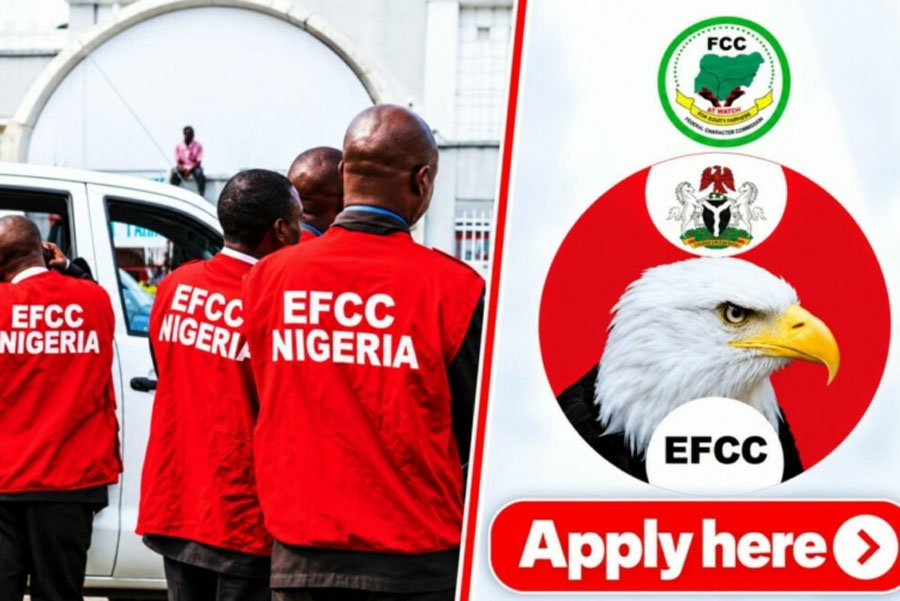
The Economic and Financial Crimes Commission (EFCC) has opened its 2026 nationwide recruitment exercise, inviting qualified Nigerians to apply for positions across four job categories, with age limits ranging from 18 to 40 years.
The Federal Character Commission (FCC), in a recruitment listing published on October 23, 2026, marked the exercise as ongoing and outlined the qualifications, age requirements and other eligibility conditions for prospective applicants.
The recruitment covers the Detective Superintendent, Detective Inspector, Detective Assistant, and Professionals/Skilled Workers cadres, providing opportunities for university graduates, National Diploma holders, secondary school certificate holders and experienced professionals.
According to the published notice, applications must be submitted online through the designated recruitment portal. The application process is free, and candidates are warned against paying individuals or organisations promising to secure employment for them.
For the Detective Superintendent cadre, applicants must possess a bachelor’s degree or Higher National Diploma (HND) from a recognised institution, alongside a valid National Youth Service Corps (NYSC) discharge or exemption certificate. The position corresponds to Assistant Superintendent of EFCC II on Grade Level 08, and applicants must be between 18 and 30 years old.
The Detective Inspector category is open to candidates with a National Diploma (ND) or National Certificate in Education (NCE) from a recognised institution. The position corresponds to Inspector of EFCC II on Grade Level 06, with an age requirement of 18 to 27 years.
READ ALSO:
- Saudi Executions: Truth Behind Viral Kissing Claim
- MURIC petitions Oyo police over 2019 murder of Muslim cleric in Fiditi
- NEC Targets Cheaper Fares, Food Prices in 90-Day Plan to Ease Nigerians’ Hardship
For the Detective Assistant cadre, applicants must have at least five credit passes in WAEC, NECO, GCE or NABTEB examinations, including English Language and Mathematics. The results must be obtained in no more than two sittings. The position corresponds to Detective Assistant II on Grade Level 04, and applicants must be between 18 and 25 years old.
The fourth category, Professionals and Skilled Workers, covers applicants with relevant academic qualifications, professional credentials or technical expertise. The stipulated age range is 18 to 40 years.
The professional and skilled-worker category covers several fields, including medicine, pharmacy, law, nursing, medical laboratory science, engineering and technology-related disciplines. The commission is also seeking qualified or experienced personnel in human resources management, financial analysis, media and publicity, policy analysis, legal services, research, planning, monitoring and evaluation, librarianship, information and communications technology, driving, and administrative or clerical support.
Applicants in this category are expected to possess qualifications relevant to their chosen positions. An NYSC discharge or exemption certificate is also listed among the requirements, while membership of a relevant professional association is an added advantage. A valid national driver’s licence is similarly listed as an advantage for applicants seeking professional and skilled-worker positions.
Beyond the academic and age requirements, the published recruitment notice states that applicants must be Nigerian citizens, possess basic computer skills and demonstrate good character and integrity. Candidates must also be medically fit and provide evidence of fitness from a government-approved hospital. Applicants with criminal records are ineligible, while the notice states that tattoos on any part of the body are not permitted.
Additional conditions apply to cadet applicants, who must be single at the time of application. Male cadet applicants must be at least 1.67 metres tall, while female applicants must have a minimum height of 1.64 metres. Prospective candidates are advised to review the requirements carefully and ensure they meet the conditions for their preferred category before submitting their applications.
Interested applicants are directed to complete their applications online through the designated EFCC recruitment portal at https://recruitment.efcc.gov.ng. The recruitment listing states that applications are expected to close one week after the commencement of the exercise. Applicants should therefore check the portal for the exact closing date and any additional instructions before applying.
Candidates who are shortlisted will be required to present printed copies of their completed application forms during screening. The commission’s recruitment process is stated to be entirely free of charge. Applicants should not pay recruitment agents, intermediaries or individuals claiming to have connections within the EFCC.
Candidates should also avoid unofficial websites and social media accounts requesting payment or sensitive personal information in exchange for employment opportunities. Qualified Nigerians are encouraged to rely on the designated recruitment portal and official EFCC and Federal Character Commission communication channels for updates on the exercise.
EFCC Opens Recruitment for Nigerians, Sets Age Limits for Four Job Categories
News
NEC Targets Cheaper Fares, Food Prices in 90-Day Plan to Ease Nigerians’ Hardship
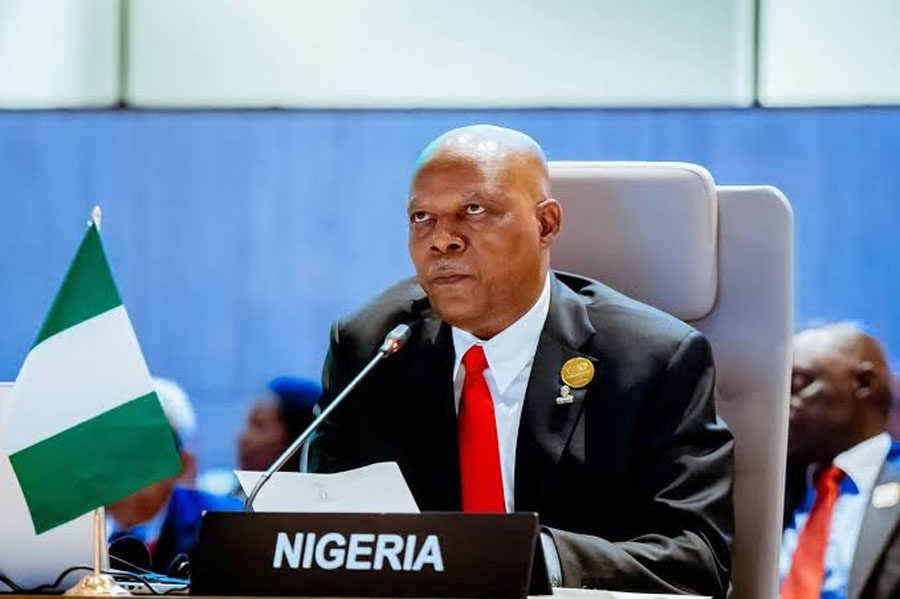
NEC Targets Cheaper Fares, Food Prices in 90-Day Plan to Ease Nigerians’ Hardship
Nigerians struggling to cope with soaring food prices and transport fares may be in line for some relief as the National Economic Council has approved a 90-day economic action plan aimed at reducing the cost of living and making essential services more affordable.
At the heart of the initiative is a push to ensure that government economic reforms translate into tangible benefits for ordinary citizens, particularly commuters who spend a significant portion of their daily earnings travelling to work, trading centres and other places of livelihood.
The council has specifically directed federal and state governments to ensure that savings from the use of compressed natural gas-powered and electric vehicles are reflected in lower transport fares, rather than remaining with fleet owners and transport operators.
The plan was proposed by the Federal Ministry of Finance and endorsed on Thursday at the 161st meeting of the NEC, chaired virtually by Vice-President Kashim Shettima.
According to a statement by Stanley Nkwocha, the Senior Special Assistant to the Vice-President on Media and Communications, the 90-day programme has five priority areas: food affordability, tax harmonisation, completion of high-impact projects, removal of investment bottlenecks and regulated household support.
The council’s intervention comes amid persistent pressure on household budgets, with the rising cost of transportation and food leaving many Nigerians with less money to meet other essential needs.
For workers, traders, artisans and small business owners, cheaper transportation could mean retaining more of their daily earnings, while improved food affordability could ease the pressure on already stretched household incomes.
Speaking at the meeting, Shettima said the effectiveness of government policies should be judged by their impact on the daily lives of citizens, including access to affordable transportation, healthcare, employment and financial security.
“The first dividend of prosperity should be the confidence to plan a life. Our task is to make such confidence less dependent on fortune,” he said.
The Vice-President stressed that the National Compressed Natural Gas Bus Initiative should not be judged merely by the number of buses deployed but by how much it reduces the financial burden on commuters.
“The cost of reaching a livelihood should never consume the livelihood itself,” he said.
The council consequently resolved to establish a joint financing framework between the Federal Government and state governments to accelerate the deployment of CNG-powered and electric vehicles.
It also directed relevant authorities to engage transport unions and operators to ensure that the operational savings associated with the vehicles translate into lower fares for passengers.
The directive seeks to address a key concern surrounding the transition to alternative-energy transportation: whether the savings from cheaper fuel and more efficient operations will benefit commuters or simply improve operators’ profit margins.
Beyond transportation, the 90-day plan will focus on measures to improve food affordability, streamline taxation, remove barriers to investment and fast-track projects expected to deliver significant economic benefits.
The NEC also approved the establishment of a national dashboard to monitor projects across the country, with particular emphasis on transparency, accountability and tracking the utilisation of funds generated from the removal of petrol subsidies.
The monitoring mechanism is expected to strengthen oversight of public spending and improve the tracking of projects intended to cushion the effects of economic reforms.
Shettima called for closer cooperation between the Federal Government and state governments, warning that their separate responsibilities must not become excuses for failing to provide essential services.
However, the ultimate test of the 90-day plan will be whether Nigerians begin to experience measurable improvements in the cost of transportation, food and other necessities within the stipulated period.
For a worker who must spend a substantial part of a day’s wages getting to work, or a family struggling to put affordable meals on the table, the success of the initiative will not be determined by government announcements or the number of alternative-fuel buses introduced.
It will be measured by the money left in their pockets at the end of the day.
-

 Auto3 days ago
Hyundai Unveils Mufasa, Grand Creta SUVs to Strengthen Nigeria Line-up (Updated)
-
 metro3 days ago
Horror in Sokoto: Bandits Intercept Vehicle, Massacre All Passengers Returning from City
-

 metro3 days ago
Nigerian Journalist Sentenced to 4 Years Over Facebook Post Criticising Police
-
 metro3 days ago
Fourth Gas Leak in Six Months: Over 100 Ogun Pupils Hospitalised, Schools Shut as Parents Panic
-
 metro3 days ago
Bauchi Mosque Removes Imam After Tinubu Campaign, Rejects Proposal to Rename Mosque
-
 metro3 days ago
Shettima Blasts States Over Power Woes, Says Govs Must Stop Waiting for Abuja
-

 International2 days ago
Two Killed, Eight Injured as Attack Hits Saudi Arabia Airport
-

 metro2 days ago
Police Arrest Man Over Fake Presidency Number Plate in Abuja