
Health
Sleeping Positions: How They Affect Your Health and Which Ones to Avoid

Sleeping Positions: How They Affect Your Health and Which Ones to Avoid
Sleep is essential for physical and mental wellbeing, yet few people consider how their sleeping position affects their health. Experts say the way you sleep can influence spinal alignment, breathing, digestion, and overall sleep quality. Choosing the right position and using supportive bedding can significantly improve rest while reducing pain and long-term health risks.
According to Dr Deborah Lee of Dr Fox Online Pharmacy, “Good quality sleep depends on finding the best sleeping position for you – one in which your spine is correctly aligned, your airway remains open, and your limbs can move freely.” She emphasizes that side sleeping often meets these criteria, particularly when paired with the right mattress, pillows, and breathable bedding. Gentle stretching before bed can also improve circulation and reduce muscle tension, helping the body relax into sleep.
Side Sleeping — The Most Common and Beneficial Position
Side sleeping is the most popular sleep posture, with many people preferring the fetal, log, yearner, or T-rex positions. The fetal position, where the body is curled up on one side, is especially beneficial for those with sleep apnea or sleep-disordered breathing, as it helps keep the airway open. Side sleeping also supports back health by reducing spinal twisting when a pillow is placed between the knees.
READ ALSO:
- UN Chief Condemns Israeli Airstrikes in Lebanon
- Iran Warns of Sea Mines in Strait of Hormuz, Offers Alternative Routes for Ships
- ADC Leadership Crisis Deepens as Rival Faction Protests at INEC Headquarters
Pregnant women are advised to sleep on their left side, which improves blood flow to the fetus and reduces pressure on major blood vessels. For people with acid reflux or indigestion, left-side sleeping can also ease symptoms. Variations like the log or yearner positions can relieve shoulder and arm pressure, while the T-rex position may support individuals with neurodivergent conditions, offering comfort and sensory regulation. However, prolonged arm curling in the T-rex can risk nerve compression, potentially contributing to carpal tunnel syndrome.
Back Sleeping — Alignment Benefits with Breathing Risks
Back sleeping, including the soldier and starfish positions, keeps the spine aligned and can relieve back pain. It also reduces facial pressure, potentially helping to prevent wrinkles. However, this position can worsen snoring and sleep apnea, as relaxed throat muscles may block the airway, leading to repeated pauses in breathing. Sleep apnea is linked to high blood pressure, heart disease, type 2 diabetes, and fatigue, with up to 80% of cases undiagnosed. Those experiencing loud snoring, unrefreshing sleep, or daytime sleepiness should consult a doctor.
Stomach Sleeping — Comfortable but Risky
Stomach sleeping, often in the freefall position, may reduce snoring by opening the airway. However, it is generally not recommended due to its effects on spinal health. Sleeping on the front can overstretch muscles and ligaments, misalign the spine, and increase strain on the neck, back, and knees, potentially worsening pain. It also does little to prevent acid reflux and is particularly unsuitable for those with spinal injuries or post-surgery recovery needs.
Tips for Healthier Sleep
- Use a supportive mattress and pillows tailored to your preferred sleep position.
- Side sleepers should place a pillow between the knees; back sleepers under the knees.
- Choose breathable bedding made from natural fibers like cotton or bamboo to prevent overheating.
- Gentle pre-bedtime stretching can improve circulation and reduce muscle tension.
- Consider alternating positions to prevent stiffness and pressure points.
By understanding the health implications of different sleep positions, individuals can make informed choices to improve sleep quality, spinal health, and overall wellbeing.
Sleeping Positions: How They Affect Your Health and Which Ones to Avoid
MSN












Health
Making Up for Lost Sleep Might Be Healthier Than Experts Once Believed — What Science Says

Making Up for Lost Sleep Might Be Healthier Than Experts Once Believed — What Science Says
Many of us occasionally lose sleep due to work, stress, travel, or life’s demands — and for years, experts warned that those lost hours could have lasting harm. However, recent research suggests that catching up on sleep — sometimes called “sleep recovery” — may be more beneficial than previously thought, helping to restore cognitive function, reduce stress, and improve overall wellbeing.
What Happens When You Lose Sleep
Sleep plays a critical role in memory consolidation, immune function, and metabolic regulation. Missing sleep — even for a single night — can lead to increased hunger, reduced concentration, impaired decision‑making, and mood disruptions. Chronic sleep loss has been linked to higher risk for conditions such as heart disease, obesity, diabetes, and cognitive decline.
For years, some scientists argued that lost sleep could never be fully recovered — meaning the body and brain would continue to suffer even if you slept longer later. But newer research is challenging that idea.
Can You Truly “Make Up” Lost Sleep?
Emerging studies show that catching up on sleep on weekends or after periods of short sleep can help reverse many negative effects. When you sleep extra after sleep deprivation, your body tends to spend more time in deep restorative stages of sleep, which supports immune function, tissue repair, and memory processing.
READ ALSO:
- Sleeping Positions: How They Affect Your Health and Which Ones to Avoid
- Thousands Rally Across Iran to Honour Late Supreme Leader Khamenei
- UN Chief Condemns Israeli Airstrikes in Lebanon
One study found that people who slept longer after periods of deprivation performed better on cognitive tasks than those who didn’t make up for lost sleep. Another study showed improved metabolic health and mood in participants who allowed themselves extra sleep following a week of restricted rest.
Why Sleep Recovery May Work
During sleep, especially in deep non‑REM stages, the brain clears out metabolic waste and strengthens neural connections. When you’re sleep‑deprived, this restorative process is disrupted. Sleeping more afterward allows your brain to catch up on essential maintenance work, which may explain why recovery sleep can improve alertness and mood.
Experts also believe that extra sleep helps regulate hormones involved in appetite, stress response, and inflammation — helping the body return to a healthier balance after sleep loss.
How to Make Up Lost Sleep the Right Way
Here are practical ways to help your body recover after a period of insufficient sleep:
- Gradually increase sleep time: Add an extra 1–2 hours of sleep per night rather than trying to “crash” for one long sleep.
- Nap strategically: Short naps (20–30 minutes) can improve alertness and performance without disrupting nighttime sleep.
- Prioritize deep sleep: Create a calm, dark, and cool sleep environment to support deeper restorative sleep stages.
- Keep consistent sleep routines: Going to bed and waking up at similar times helps your body repair its internal clock.
What This Means for Overall Health
Although regular, consistent sleep every night is ideal, making up lost sleep when needed can be a valuable tool for physical and mental restoration. It’s especially relevant for people who occasionally experience sleep disruption due to travel, work schedules, or personal responsibilities.
However, chronic sleep deprivation shouldn’t be seen as harmless — consistently ignoring your body’s need for rest still poses health risks. Recovery sleep can help, but it’s not a substitute for healthy sleep habits.
Making Up for Lost Sleep Might Be Healthier Than Experts Once Believed — What Science Says
Health
Resident Doctors Resume Work as FG Reverses Allowance Decision

Resident Doctors Resume Work as FG Reverses Allowance Decision
The Nigerian Association of Resident Doctors has announced the suspension of its planned nationwide strike after reaching an understanding with the Federal Government on key demands, offering temporary relief to Nigeria’s fragile healthcare system.
The decision followed an emergency meeting of the association’s National Executive Council (NEC), where members reviewed fresh assurances from government representatives and agreed to give dialogue another opportunity based on “progress made” in negotiations.
NARD said the suspension was anchored on commitments by the Federal Government—through the Federal Ministry of Health Nigeria—to address critical issues, including payment of salary arrears, hazard allowances, and improvements in doctors’ welfare.
The association also cited renewed efforts to resolve challenges surrounding the Medical Residency Training Fund (MRTF), a key component in the training and development of resident doctors across the country.
Although the dispute has not been fully resolved, NARD noted a “renewed willingness” by the government to implement previously agreed terms and prevent disruption in healthcare services.
READ ALSO:
- Lagos Announces Partial Road Closures for Project Commissioning
- Missing worshippers still in captivity, Kaduna community disputes Army’s rescue claim
- Gunmen Kill 4 in Kebbi, Abduct 6 in Sokoto Attacks
The President of the University College Hospital (UCH) chapter, Uthman Adedeji, confirmed that the decision aligns with the directive from the national body. He disclosed that the strike was suspended after an Extraordinary NEC meeting, with doctors directed to resume work nationwide by 8:00 a.m. on Wednesday.
Adedeji further revealed that the Federal Government had reversed its earlier stance on the revised professional allowance, a key sticking point in the dispute, and pledged to address other outstanding concerns raised by the association.
The crisis is rooted in the implementation of a revised Professional Allowance Table agreed upon between NARD and the government following a prolonged strike in 2025. The agreement included improved remuneration packages covering:
- Call duty allowances
- Shift allowances
- Rural posting incentives
- Payments for non-clinical duties
While implementation was initially scheduled for January 2026 and later shifted to February, NARD raised concerns that the government planned to halt the process by April—an action the association described as a breach of agreement and erosion of trust.
Resident doctors in Nigeria have long had disputes with the Federal Government over welfare-related issues, including irregular salary payments, inadequate hazard allowances, and poor hospital infrastructure. These challenges have significantly contributed to the ongoing brain drain in Nigeria’s health sector, as many medical professionals seek better opportunities abroad.
Healthcare stakeholders say the suspension of the strike will temporarily ease pressure on public hospitals, which were at risk of severe disruption. However, they warn that failure to fully implement agreements and reforms could trigger future industrial actions.
The Federal Government has welcomed the decision, reiterating its commitment to continued engagement and reforms aimed at strengthening the Nigerian healthcare system.
For now, patients across the country can expect a gradual return to normalcy in government hospitals, though concerns remain over whether the agreements reached will be sustained.
Resident Doctors Resume Work as FG Reverses Allowance Decision
Health
Resident Doctors Begin Indefinite Strike
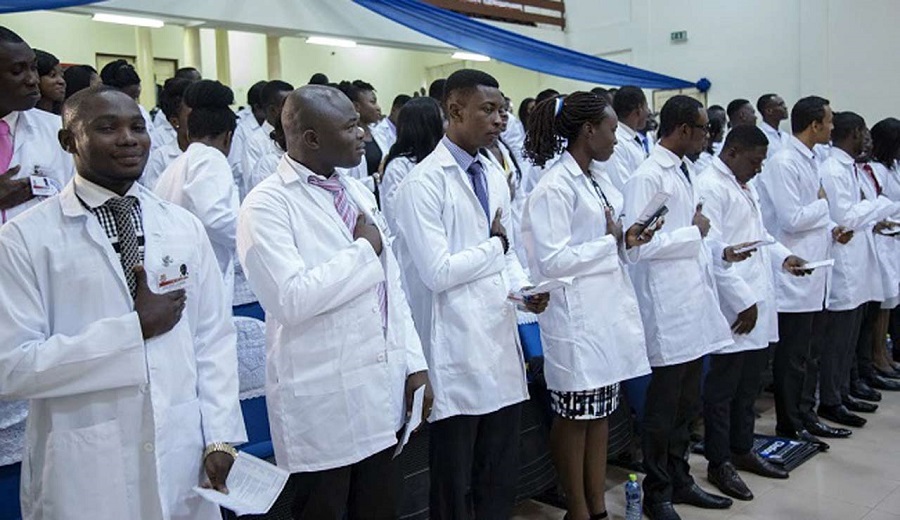
Resident Doctors Begin Indefinite Strike
The Nigerian Association of Resident Doctors (NARD) has declared an indefinite nationwide strike, set to begin at 12:00 a.m. on Tuesday, April 7, 2026, following a fresh dispute with the Federal Government over the revised Professional Allowance Table (PAT).
The decision was announced by NARD’s Secretary-General, Shuaibu Ibrahim, after an emergency virtual meeting of the association’s National Executive Council (NEC). According to him, the strike will involve a total and comprehensive withdrawal of services by resident doctors across public hospitals, raising concerns about healthcare disruption in Nigeria.
The crisis is rooted in the Federal Government’s reported decision to halt the implementation of the revised PAT, a payment structure agreed upon after the 2025 doctors’ strike. The Professional Allowance Table (PAT) was introduced to improve doctors’ welfare, covering call duty allowances, shift allowances, rural posting incentives, and compensation for non-clinical responsibilities. Although implementation was initially scheduled for January 2026 and later shifted to February, NARD claims the government now plans to stop the process entirely by April 2026, a move the association says violates prior agreements and erodes trust.
READ ALSO:
- Haaland Hat-Trick Fires Manchester City Past Liverpool in FA Cup Quarter-Final
- Autopsy Confirms Destiny Boy Died from Toxic Substances
- DHQ Reveals Over 60% of Terrorist Fighters Not Ideologically Driven
Beyond the PAT dispute, the resident doctors strike in Nigeria is also driven by unresolved financial obligations. NARD is demanding the immediate reversal of the decision, payment of salary arrears and promotion arrears, release of the 2026 Medical Residency Training Fund (MRTF), and settlement of 19 months’ outstanding professional allowance arrears. Ibrahim stressed that failure to address these issues forced the association into industrial action.
The indefinite strike by resident doctors is expected to severely impact public hospitals in Nigeria, where resident doctors make up a large share of the workforce. The action could disrupt emergency and outpatient services, delay surgeries and medical procedures, increase pressure on private hospitals, and worsen access to healthcare for millions of Nigerians.
This development underscores the recurring tensions between NARD and the Federal Government over doctor welfare in Nigeria, including irregular salary payments and chronic underfunding of the health sector. The association has urged its members nationwide to remain united and committed to the strike until their demands are fully met.
Resident Doctors Begin Indefinite Strike

-

 metro2 days ago
FG Deports US Missionary Alex Barbir Over Alleged Role in Nigeria Insecurity
-

 Entertainment2 days ago
Veteran Nollywood Actor Davis Ofor ‘Clarus’ of New Masquerade Dies at 85
-

 metro1 day ago
2026 NYSC Batch A Stream II: Registration, Swearing-In Dates Announced
-

 metro2 days ago
Lagos Announces Partial Road Closures for Project Commissioning
-

 Africa7 hours ago
ECOWAS Recruitment 2026: Over 30 Job Vacancies Open for Nigerians (How to Apply)
-

 Entertainment1 day ago
Saheed Osupa Defends Juju Use Amid Backlash From Islamic Clerics
-

 News2 days ago
Iran Lists Tough Conditions for Peace Talks with US
-

 Politics11 hours ago
Court Stops ADC Congress, Orders Status Quo in Leadership Row