
International
Strait of Hormuz Reopens as US, Iran Confirm Two‑Week Ceasefire
Strait of Hormuz Reopens as US, Iran Confirm Two‑Week Ceasefire
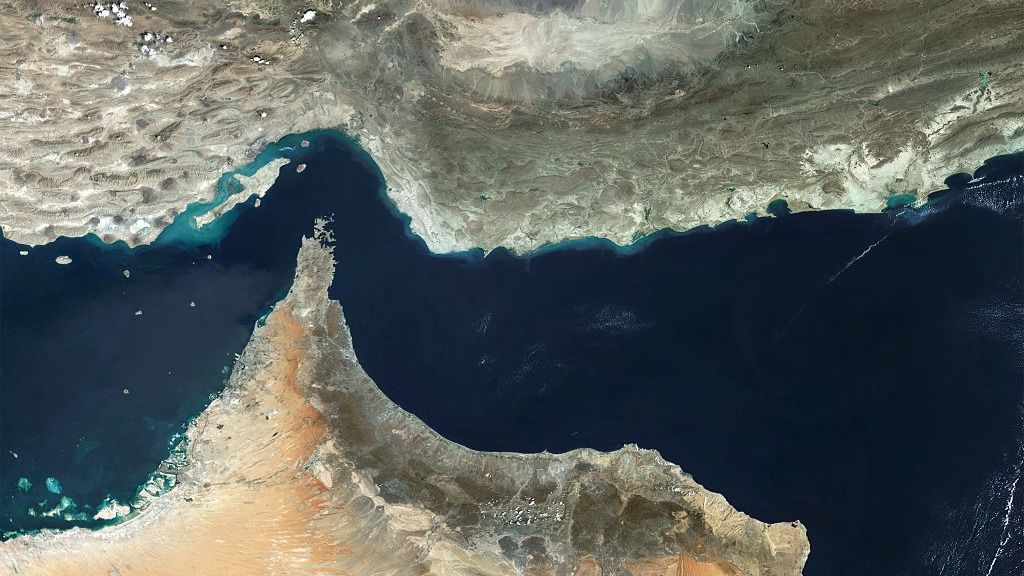
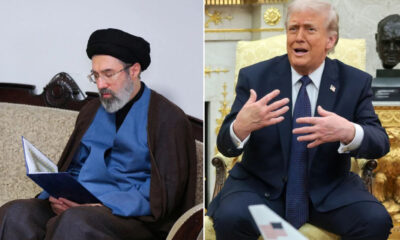
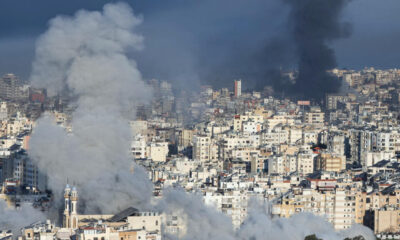
The Strait of Hormuz, a critical global oil transit route, has reopened following a two‑week conditional ceasefire between the United States and Iran, confirmed by both countries on Wednesday. The temporary truce comes after escalating tensions in the region and is expected to ease pressure on global energy markets.
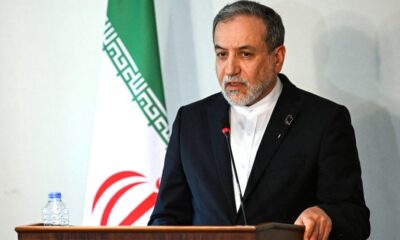
Iranian Foreign Minister Abbas Araghchi stated that safe passage through the strait will be allowed for the next 14 days, coordinated with Iran’s armed forces and subject to technical considerations. The reopening follows US President Donald Trump’s warning that Iran’s energy infrastructure, including bridges, would face attacks if Tehran failed to comply.
The ceasefire agreement, described by Trump as a “double-sided ceasefire”, also involves Israel, which has agreed to suspend related military operations during the two-week period. Pakistan, which mediated talks between Washington and Tehran, confirmed that an immediate ceasefire is in effect and invited delegations from both countries to Islamabad for further negotiations toward a comprehensive settlement.
READ ALSO:
- Fuel Relief: Dangote Reverses Petrol Price Hike, Drops PMS to ₦1,200
- Trump Accuses CNN of ‘Fake News’ Over Iran Ceasefire Victory Report
- Police Debunk Viral Claim of 488 Boko Haram Arrests in Abia
Trump emphasized that Iran’s 10-point proposal provides a workable basis for negotiations, with reports indicating that it includes provisions for lifting sanctions. He hailed the temporary truce as a diplomatic victory for the United States, while Iranian officials portrayed the deal as a major step toward stabilizing the region.
The reopening of the Strait of Hormuz is a significant relief for the global oil market, which had been affected by disruptions due to earlier attacks in the region. The strait handles around 20% of global petroleum trade, and its closure had caused spikes in crude prices. Following the ceasefire announcement, Brent crude and US West Texas Intermediate benchmarks fell sharply.
Despite the truce, experts caution that underlying conflicts, including nuclear and regional security issues, remain unresolved. The ceasefire offers a window for diplomatic engagement, though long-term stability will depend on successful negotiations and continued adherence to the agreement by all parties.
Strait of Hormuz Reopens as US, Iran Confirm Two‑Week Ceasefire








International
Trump Accuses CNN of ‘Fake News’ Over Iran Ceasefire Victory Report

Trump Accuses CNN of ‘Fake News’ Over Iran Ceasefire Victory Report
US President Donald Trump has sparked a major controversy after disputing CNN’s report that Iran claimed victory following a recent temporary ceasefire agreement with the United States. Trump labeled the report “fraudulent” and accused the network of sourcing its information from a “fake news site from Nigeria.”
The dispute unfolded shortly after Trump announced a two-week ceasefire with Iran, aimed at halting hostilities, reopening the Strait of Hormuz, and creating room for diplomatic negotiations. Trump insisted that the ceasefire represented a “total and complete victory” for the United States.
CNN had published a report quoting Iran’s Supreme National Security Council, claiming Tehran had achieved a “historic and crushing defeat” of the United States and forced Washington to accept portions of its proposed discussion framework. Trump rejected the report, stating that it did not reflect Iran’s official position. He demanded that CNN retract the article and issue a full apology.
READ ALSO:
- Police Debunk Viral Claim of 488 Boko Haram Arrests in Abia
- Trump Threatens 50% Tariffs on Countries Supplying Weapons to Iran
- 2026 NYSC Batch A Stream II: Registration, Swearing-In Dates Announced
In posts on his Truth Social platform, Trump asserted that CNN republished a false statement originally linked to a “trouble-making site from Nigeria”. He described the network’s coverage as dangerous and potentially inflammatory given the sensitive national security context. Trump added that authorities were investigating whether a crime had been committed in issuing the disputed report.
Brendan Carr, Chairman of the United States Federal Communications Commission, publicly defended Trump’s position, criticizing CNN for allegedly spreading a hoax headline at a critical moment. “Fake news is bad enough for the country, but pushing out a hoax headline in such a sensitive national security moment requires accountability,” Carr said.
CNN, however, has refused to retract or apologise, maintaining that its report relied on credible Iranian officials and multiple state-backed media sources. A spokesperson emphasized that the network followed standard journalistic verification procedures and accurately reported the statements made by Iranian authorities at the time.
Analysts note that the feud highlights a broader battle over narrative control in the aftermath of the US-Iran ceasefire. While Trump portrays the agreement as a strategic success for the United States, Iranian authorities and international observers point to a more complex and contested outcome.
The ceasefire, which temporarily reopened the Strait of Hormuz, has been recognized globally as a step toward de-escalation in the region, though questions remain over the long-term impact of the deal. Iranian Foreign Minister Abbas Araghchi confirmed the truce includes a two-week promise of safe transit through the strategic waterway, critical to global petroleum supply.
The dispute underscores ongoing tensions over media credibility, misinformation, and the portrayal of international conflicts, with both sides standing firm: Trump demanding corrections and accountability, and CNN defending its reporting based on official sources.
Trump Accuses CNN of ‘Fake News’ Over Iran Ceasefire Victory Report
International
Trump Threatens 50% Tariffs on Countries Supplying Weapons to Iran

Trump Threatens 50% Tariffs on Countries Supplying Weapons to Iran
The Donald Trump has warned that any country supplying military weapons to Iran will face immediate 50 percent US tariffs, escalating pressure even as diplomatic efforts to ease tensions gather pace.
In a statement posted on his Truth Social platform, Trump declared that “a country supplying military weapons to Iran will be immediately tariffed… 50%, with no exclusions or exemptions,” signaling a strict economic crackdown on nations aiding Tehran.
The warning comes at a critical moment as the US simultaneously explores “tariff and sanctions relief” in talks with Iran, reflecting a dual strategy of economic pressure and negotiation. This development follows Trump’s announcement of a two-week ceasefire agreement, temporarily halting planned US military operations in the region.
According to Trump, the ceasefire is conditional on Iran’s immediate reopening of the Strait of Hormuz, a vital global shipping lane responsible for a significant share of the world’s oil supply. The US President described the arrangement as a “double-sided ceasefire,” noting that Washington would suspend bombing operations while monitoring Iran’s compliance.
Trump disclosed that the decision was influenced by consultations with Shehbaz Sharif and Asim Munir, who urged restraint amid fears of wider regional instability. He added that the United States has already achieved its major military objectives and is now close to securing a broader peace deal with Tehran.
READ ALSO:
- 2026 NYSC Batch A Stream II: Registration, Swearing-In Dates Announced
- Sowore Criticises Church‑Owned Universities Over High Fees
- World Bank: Nigeria’s Economy Growing Despite Persistent Inflation
The US President further revealed that a 10-point proposal submitted by Iran is being reviewed and could serve as a framework for a long-term agreement aimed at stabilising the Middle East. He expressed optimism that ongoing negotiations could lead to a comprehensive resolution of the crisis.
Reports indicate that Israel has also aligned with the ceasefire, suspending its military operations during the period, a move seen as boosting the chances of diplomatic progress.
However, conflicting claims have emerged from Tehran. Iranian authorities, including the Supreme National Security Council, have described the development as a major diplomatic victory, asserting that the United States has agreed to lift both primary and secondary sanctions. This claim has not been independently confirmed by US officials, raising questions about the exact terms of the agreement.
Iranian officials also suggested that the proposed framework includes regulated passage through the Strait of Hormuz under Iranian military supervision, a condition that could become a key point of contention in ongoing negotiations due to its global economic implications.
Analysts warn that Trump’s tariff threat could have far-reaching consequences, particularly for countries such as Russia and China, which maintain strategic and military ties with Iran. The proposed tariffs could heighten global trade tensions and complicate already fragile diplomatic efforts.
The announcement came just hours before a previously set US deadline for Iran to comply with demands, underscoring the urgency of the situation. While initial reactions to the ceasefire have been cautiously optimistic, uncertainty remains over whether the agreement will hold and how the tariff threat may reshape geopolitical dynamics.
As negotiations continue, global attention is focused on whether the temporary truce can evolve into a lasting peace agreement, or if renewed tensions could disrupt progress in the region.
Trump Threatens 50% Tariffs on Countries Supplying Weapons to Iran
International
House Democrats Rebuke Trump, Demand Immediate Vote Over Iran ‘Civilisation’ Threat
House Democrats Rebuke Trump, Demand Immediate Vote Over Iran ‘Civilisation’ Threat
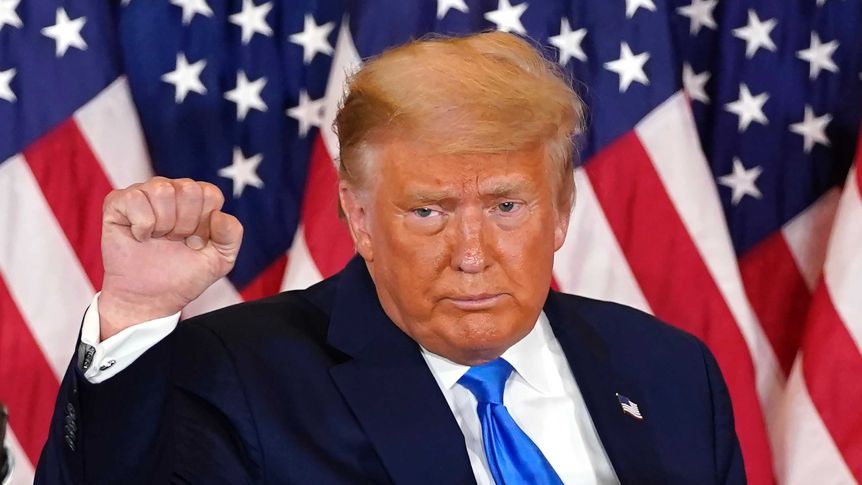
US House Democratic leaders have sharply rebuked President Donald Trump and called for Congress to return immediately from recess to vote against his escalating military actions in Iran. The intervention follows Trump’s extraordinary warning that “a whole civilisation will die tonight” if Tehran did not comply with his Tuesday 8 p.m. deadline to reopen the Strait of Hormuz, a strategic waterway crucial to global oil shipments.
In a strongly worded statement, senior Democrats, including House Democratic Leader Hakeem Jeffries, Whip Katherine Clark, Caucus Chair Pete Aguilar, Vice Chair Ted Lieu, Assistant Democratic Leader Joe Neguse, and DCCC Chair Suzan DelBene, described the president’s threat as “completely unhinged” and deeply dangerous, warning that it could plunge the United States into a broader conflict akin to World War III.
READ ALSO:
- Oil prices tumble after US–Iran deal, Nigeria’s fuel cost remains high
- Bill Gates to Testify Before US House Panel in High‑Profile Jeffrey Epstein Probe
- Trump Announces Two‑Week Ceasefire With Iran, Pauses Planned Bombing
“The House must come back into session immediately and vote to end this reckless war of choice in the Middle East before Donald Trump plunges our country into disaster,” the Democrats said. They also criticised Republicans for enabling Trump’s “extreme behaviour” for years and called on them to set aside party loyalty and join Democrats in halting further escalation.
The Democrats highlighted the human and economic costs of the ongoing Iran conflict, noting the deaths of over 10 U.S. service members and the sharp rise in fuel prices. They argued that unchecked military action threatens both national security and global stability.
Early Tuesday, U.S. forces carried out airstrikes on Kharg Island, Iran’s major oil export hub, in an effort to weaken the country’s energy infrastructure. Trump intensified his rhetoric following these operations, threatening catastrophic consequences if Iran refused to reopen the Strait of Hormuz.
While Trump later agreed to a two-week suspension of attacks on Iran contingent on compliance, Democrats remain alarmed and insist that only a formal congressional vote can prevent further escalation and ensure adherence to the U.S. Constitution’s war powers framework. Some lawmakers have even suggested invoking the 25th Amendment if the president’s actions are deemed a severe threat to national safety.
The situation underscores deep partisan divisions in Washington over U.S. involvement in the Middle East and the balance of powers between the executive branch and Congress. Democrats are pushing for immediate action to reaffirm congressional authority and prevent further reckless military escalation.
House Democrats Rebuke Trump, Demand Immediate Vote Over Iran ‘Civilisation’ Threat

-

 metro1 day ago
FG Deports US Missionary Alex Barbir Over Alleged Role in Nigeria Insecurity
-

 Entertainment24 hours ago
Veteran Nollywood Actor Davis Ofor ‘Clarus’ of New Masquerade Dies at 85
-

 metro2 days ago
MURIC Backs Egba Imams’ Call for Inclusive Leadership in Ogun 2027 Governorship Race
-

 metro1 day ago
Lagos Announces Partial Road Closures for Project Commissioning
-
 Politics2 days ago
2027: Atiku Signs $1.2m US Lobbying Deal to Engage Trump
-
 News1 day ago
Iran Lists Tough Conditions for Peace Talks with US
-

 Business2 days ago
Tax Evasion: Lagos Government Sues Bi-Courtney, DAAR, 33 Others
-

 International2 days ago
Trump Claims US Sent Weapons to Iranian Protesters but Diverted