We inherited over 2,600 road projects worth N14tn, says Umahi
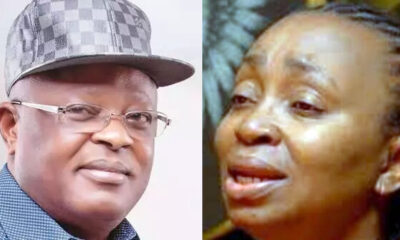
The minister of works, Dave Umahi, has put the the budget for road projects inherited from past administration at around N14 trillion, covering 18,000 kilometers.
The minister disclosed this while addressing journalists at the Presidential Villa, Abuja, after a meeting with President Bola Tinubu over the weekend.
Umahi, who said the roads included are 2,604 in number, further disclosed that the administration had paid N4 trillion out of the N14 trillion owed in contracts, adding that government had already identified funding sources to offset N4 trillion more of its outstanding debts, leaving N6 trillion funding gap.
However, some road projects that have lingered for about two decades were never appropriated and will, therefore, be terminated.
He said: “The ministry inherited a total of 2,604 projects, worth N14 trillion and for 18,000 kilometers of road, that’s what we had. Between when we came on board and now, about N4 trillion has been paid and so that is a balance of N10 trillion remaining.
“Now, in this N10tn, we have defined sources that could fund up to N4tn. So, we have a funding gap of about N6tn. That is what is there now.
“We have a number of programs for road development under the previous administration. We inherited all the projects; we have not dropped any of them. But curious to know that some of these projects have lasted for 20 years, some 10 years. In fact, in most cases, they were never appropriated throughout every tenure.
“So I went to seek Mr. President’s nod so that I will be able to terminate some of the projects that have stayed up to 10 years without any defined source of funding.”
He, however, lamented the current appropriation system for federal road projects, saying the piecemeal disbursement of funds to contractors is frustrating delivery, adding that he had already appealed to the President to engage with the National Assembly to prioritise projects.
“Just look at over 2600 projects, 18,000 kilometers of roads, and N14tn. That is huge! And the worrisome part of this is that even the ones that are being funded properly, the roads hardly last up to five years,” Umahi complained.
He noted that the short lifespan of roads necessitated his recent proposal to the President to redesign and construct yet-to-be-completed federal roads using reinforced concrete.
Umahi noted: “So I briefed Mr. President on what we are doing by introducing reinforced concrete technology for our road pavements.
However, Umahi vowed to “fight” entities poised to frustrate this plan, saying, “I know that there are a lot of fights from contractors, but I’m David, I’m known for fight and I will fight this because I’ve reported myself to Mr. President.”
Meanwhile, the minister said he had received the president’s blessings to adopt the concrete reinforced pavements for roads across the country.
He said: “Incidentally, Mr. President is also an infrastructure guru and he fully supports that we should use reinforced concrete for our road pavements.
“So there is no other place you can report me other than to report me to God. So Mr. President is supporting me that way. We’ll redesign our roads in reinforced concrete pavement.
“I’m aware that the contractors have been quarreling and arguing. So, I want to declare that I’m open to any kind of blackmail, but my eyes are on the ball. And my eyes are on how we can get Nigerians to have value for the money. That is the assignment President Bola Tinubu gave to me and I’m going to do that with the fear of God”, he said.
The minister also revealed that he had written the NNPC to release monies for the East-West Road, saying, “I know that’s what the Rivers people mentioned when they came to see Mr. President. So that road is going to be on concrete.”
Having toured the southeast and parts of the Northwest and Northcentral, he said he would now focus on the Southwest, particularly Lagos State, where works are ongoing on the Third Mainland Bridge, Carter Bridge, Liverpool Bridge, the Eko Bridge and Marine Bridge.
He stated: “I want to see things for myself and appraise the ongoing projects. I want to see who is doing a good job and who is doing a bad job. So I briefed Mr. President about that.”
We inherited over 2,600 road projects worth N14tn, says Umahi
Adamawa Health Officials Report 20 Deaths from Suspected Diphtheria Cases
Parents and caregivers are advised to seek early medical help and update childhood vaccinations as response teams expand outreach.
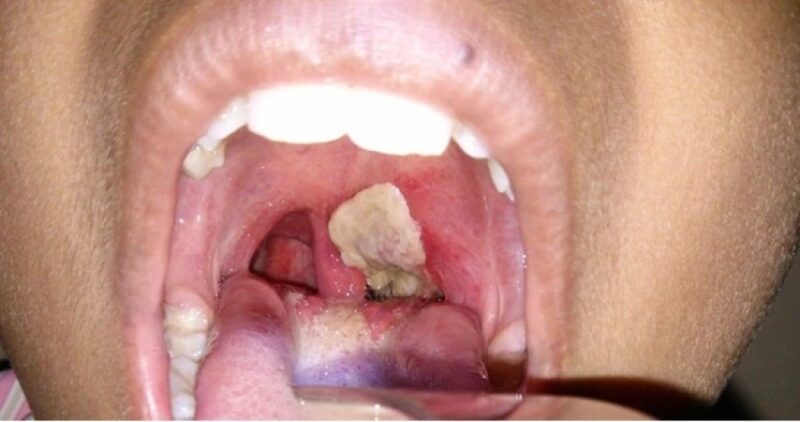
Health authorities in Adamawa State are responding to a diphtheria outbreak that has caused 20 deaths across 13 local government areas. Speaking on Wednesday, State Epidemiologist Jones Steven Kadabiyu confirmed that health workers have recorded 126 suspected cases throughout the state, with six patients currently receiving medical care in local hospitals.
Diphtheria is a serious bacterial illness that spreads through airborne droplets from coughing or close personal contact. It mainly affects the throat and airway, causing sore throats, mild fevers, swollen neck glands, and difficulty swallowing or breathing.
Health officials emphasized that the biggest risk to patients has been waiting too long to visit a health center, as some families try informal remedies at home first before seeking professional medical attention.
The state government is working alongside health partners to track new cases, provide specialized antibiotics and treatments, and protect medical workers and family members.
Officials stressed that while diphtheria can affect people of any age, young children are the most vulnerable to serious complications. Parents and guardians are strongly encouraged to ensure their children are up to date on their routine vaccines and to visit the nearest clinic immediately if anyone develops throat swelling or breathing issues.
Adamawa Health Officials Report 20 Deaths from Suspected Diphtheria Cases
Blue Line Rail, Hospitals Get Boost as Lagos Approves ₦200bn Bond and Budget Reordering
Following Governor Sanwo-Olu’s request, the state legislature approves expanded capital financing for the final months of the fiscal year.
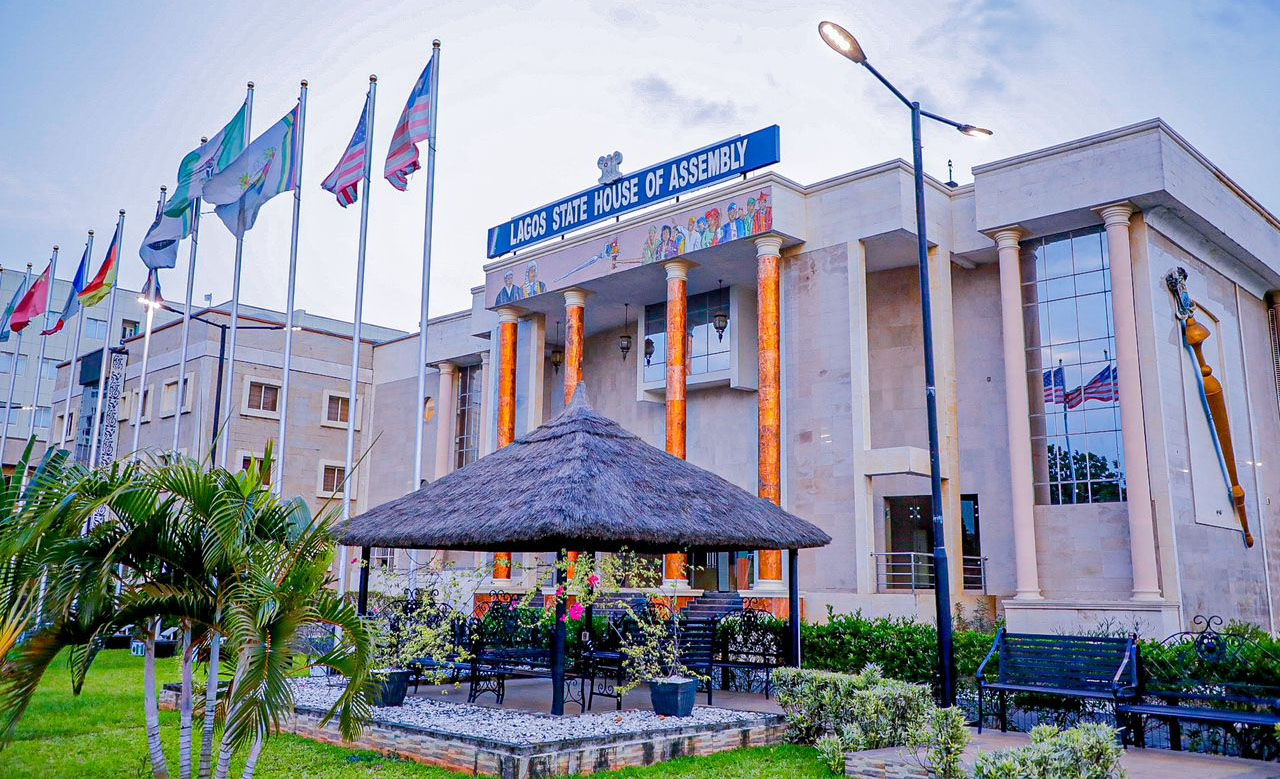
The Lagos State House of Assembly has approved changes to the state’s 2026 spending plan to speed up work on key community infrastructure, including public transit lines, general hospitals, and flood prevention systems.
The decision came after Governor Babajide Sanwo-Olu requested a review of the budget to make sure government funds are directed where they are needed most during the rest of the year.
To support these priority projects, lawmakers agreed to raise the state’s infrastructure bond from ₦150 billion to ₦200 billion. Budget committee chairman Lukmon Olumoh explained that this financial adjustment will help contractors finish essential public facilities faster.
The revised funds will help extend the Blue Line train service between Mile 2 and Trade Fair Station, complete the new Massey Street Children’s Hospital, and finish the 280-bed General Hospital in Ojo.
The amended plan also sets aside funds for fixing potholes on neighborhood roads, clearing drainage channels to prevent flooding, and buying new service vehicles for sanitation and traffic teams.
Lawmakers emphasized that legislative committees will closely monitor how these funds are spent to ensure projects are delivered on schedule and within clear standards. Speaker Mudashiru Obasa confirmed that the approved bill has been sent to the governor to be officially signed into law.
Blue Line Rail, Hospitals Get Boost as Lagos Approves ₦200bn Bond and Budget Reordering
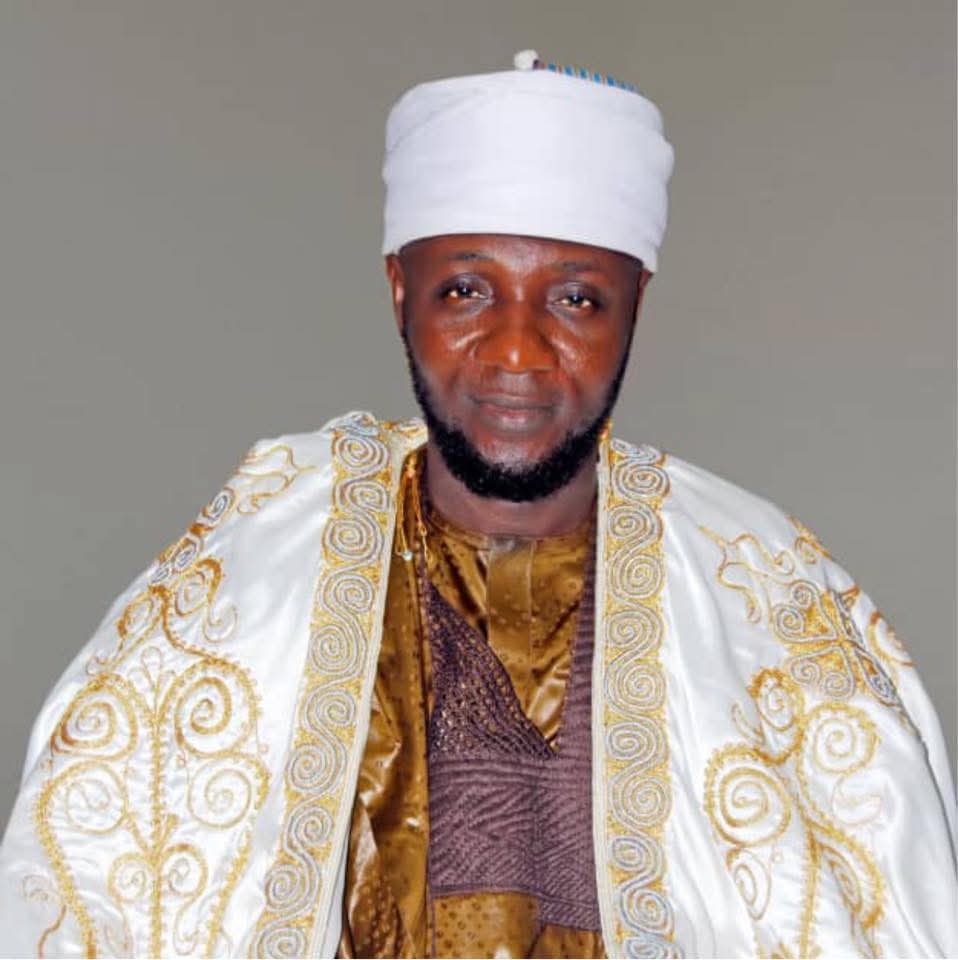
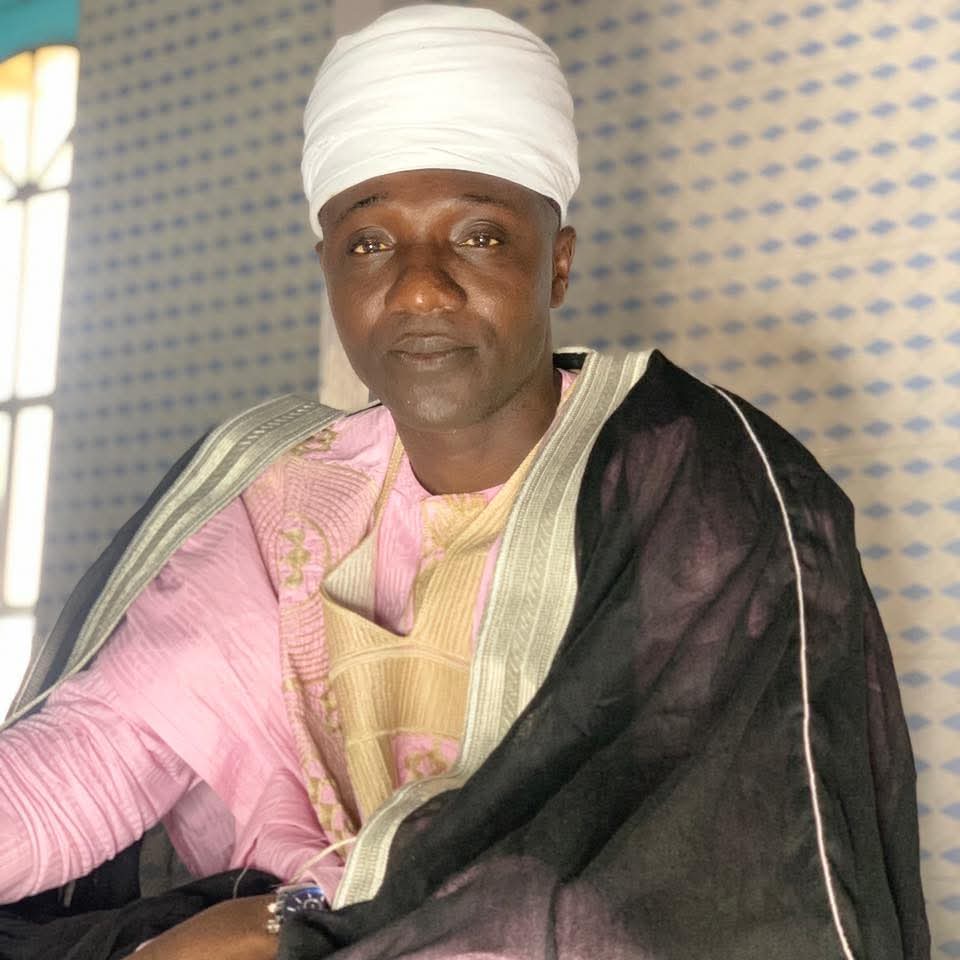
Grand Chief Imam of Ogbomosoland Toliat Yunus Ayilara
Keep Politics Out of My Office — Ogbomoso Grand Chief Imam Warns Politicians, Bloggers
The Office of the Grand Chief Imam of Ogbomosoland has drawn a battle line against the alleged politicisation of the revered Islamic institution, warning politicians, bloggers and social media commentators to stop using the Imam’s name, image or perceived position to promote partisan interests.
The office, in a strongly worded statement issued on Tuesday, September 15, 2026, declared that the Grand Chief Imam was neither a political actor nor available to any politician, political party or interest group seeking endorsement, mobilisation or political leverage.
Grand Chief Imam of Ogbomosoland Toliat Yunus Ayilara
The warning, signed by the Secretary of the Office of the Grand Chief Imam, Sulaimon Ogunleye, came amid what the office described as “recent attempts” by certain media organisations, internet bloggers, political actors and their associates to drag the revered office into partisan political activities.
The office said the Grand Chief Imam occupied a spiritual position above political affiliations and was a father to the entire community, irrespective of party, ideology or individual political preference.
It stressed that his primary responsibility was to provide spiritual guidance, counsel, prayers and moral leadership to the Ummah and society.
Consequently, the office declared that its position on partisan politics remained “uncompromisingly neutral.”
‘Nobody should drag Imam into politics’
In a stern message to politicians and their associates, the office warned against attributing political endorsements or directives to the Grand Chief Imam.
It maintained that while individual members of the community remained free to support whichever candidate they preferred, such personal choices must not be presented as the position of the Grand Chief Imam.
The office also urged citizens to approach the forthcoming elections as responsible voters by scrutinising candidates, interrogating their records and promises, demanding accountability and making their choices freely at the polls.
“Every citizen has the right to support and vote for the candidate of his or her choice; however, no individual or political interest has the right to attribute such political choices to the Grand Chief Imam or his Office,” it stated.
‘Stop using Imam’s image, statements for political purposes’
The office subsequently issued a direct cease-and-desist warning to media organisations, bloggers, political actors, social media commentators and other individuals.
They were warned against using the Grand Chief Imam’s name, image, statements or perceived position for political purposes.
The office also condemned the alleged publication and circulation of fabricated statements, photographs, videos and other materials capable of creating what it described as a false impression that the Imam or his office had endorsed a candidate or political party.
It further warned against exploiting the revered office for political influence, leverage or personal clout.
“For the avoidance of doubt, no political endorsement should be attributed to the Grand Chief Imam,” the statement declared.
The office took the warning a step further, declaring that the latest statement should not be interpreted as a mere expression of displeasure.
According to the statement, the office had, a few weeks earlier, issued another warning over alleged defamatory publications by certain bloggers.
It claimed that following the earlier intervention, legal proceedings were instituted and several persons were currently facing prosecution before the courts.
Against that background, the office described Tuesday’s warning as a “final and unequivocal” notice.
It warned that anyone or any organisation that knowingly publishes, circulates or disseminates what the office considers false, defamatory or malicious material concerning the Grand Chief Imam or his office would face civil and criminal proceedings without further notice.
The office also vowed to identify and preserve evidence against alleged offenders, report them to relevant authorities and pursue prosecution, including individuals operating anonymously or through digital platforms.
‘Don’t turn Ogbomoso’s religious institutions into political battlegrounds’
The Grand Chief Imam also appealed for calm and unity among the people of Ogbomosoland as political activities intensify ahead of the forthcoming elections.
The office warned that political differences must not be allowed to tear the community apart or turn sacred institutions into instruments of partisan competition.
“The people are free to choose their leaders,” the statement declared.
However, it stressed that the Office of the Grand Chief Imam would remain above partisan politics.
The public was therefore urged to disregard any purported political endorsement, statement or directive attributed to the Grand Chief Imam unless officially issued by the appropriate office.
The office reaffirmed its commitment to peace, justice, responsible citizenship and the spiritual and social wellbeing of the people of Ogbomosoland, while praying for Allah’s continued guidance and ease in the affairs of the community.
Keep Politics Out of My Office — Ogbomoso Grand Chief Imam Warns Politicians, Bloggers