

Politics
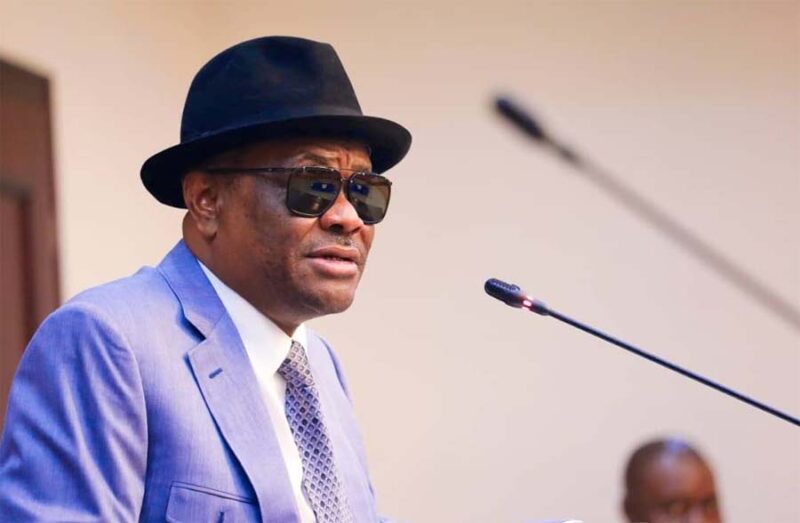
2027: PDP governors, Wike reach agreement
2027: PDP governors, Wike reach agreement
Governors elected on the platform of the Peoples Democratic Party (PDP) and the Minister of the Federal Capital Territory, Nyesom Wike, have reportedly struck an agreement aimed at restoring unity within the party ahead of the 2027 presidential election.
According to a report by Punch , Oyo State Governor Seyi Makinde represented his fellow PDP governors during a meeting with Wike last week in Lagos.
The source revealed that the discussions centred on resolving the political standoff in Rivers State involving Wike and suspended Governor Sim Fubara, alongside efforts to address disputes over the South-South zonal leadership, the National Secretary position, and other contentious issues affecting both camps.
The PDP has grappled with internal rifts since the 2023 elections, with tensions escalating over unresolved matters.
The crisis deepened following the fallout between Wike and Governor Fubara in Rivers, as well as disagreements over the South-South leadership and the vacant National Secretary post since December 2024.
Attempts by the National Working Committee, Board of Trustees, National Executive Committee, and the PDP Governors Forum to broker peace have instead widened the cracks, leading to further fragmentation across state and zonal structures.
As the crisis persists, frustration has grown among party faithful, with some leaders decamping to the ruling All Progressives Congress (APC), citing the party’s inability to resolve internal disputes.
Notably, on April 23, Delta State Governor Sheriff Oborevwori, former Governor Ifeanyi Okowa, and other state officials formally defected to the APC—a development seen as a significant setback to the PDP’s prospects heading into 2027.
READ ALSO:
- No racketeering in 2025 Hajj team selection – NAHCON
- Worry as Aisha Achimugu fails to meet EFCC’s bail conditions
- LG poll: Lagos APC okays 432 chairmanship aspirants for primaries
A source close to Governor Makinde disclosed that after the Lagos meeting, Makinde planned to brief other PDP governors, while Wike would inform his supporters of the outcome.
He stated, “Makinde and Wike met in Lagos, where Makinde represented the PDP governors and Wike attended on behalf of his loyalists.
“During the meeting, Wike expressed concerns about the Governors Forum’s recommendations, claiming they were made without considering party laws. He stated that some of the positions taken by the governors were illegal. The minister also pointed out that despite the Forum’s numerous positions, it has only succeeded in complicating matters rather than resolving them.
“Wike informed Makinde and other PDP leaders that he was unhappy with the Forum’s decisions regarding the National Secretary, South-South Zonal leadership, and the ongoing issues in Rivers State.
“He promised to stay in the PDP but requested that the forum and party leadership reconsider their positions on these issues in accordance with the party’s considering, to ensure peace, unity, and help reposition the party.”
The source added that Makinde also voiced disappointment over the role some officials had played in worsening the crisis.
He said, “In his response, Makinde also mentioned that the attitude of some officials towards the PDP governors was disrespectful and was not helping the situation. He reassured Wike that no one was trying to embarrass anyone, but rather, everyone was doing their best to reposition the party.
“Makinde promised to brief the governors on or before the forum’s next meeting and assured Wike of his support. They both agreed that concerned members should withdraw the pending litigation and pursue political solutions.
READ ALSO:
- Messi, Suarez shine in Inter Miami win against Red Bulls
- Ajagba, Bakole settle for draw in Saudi heavyweight boxing clash
- Mass metering in barracks phase one near completion, generates N769.1m – Army chief
“Additionally, they agreed that the Governors Forum’s decision on issues such as the zonal congress, especially that of the South-South, the Rivers State crisis, the National Secretary position, and other matters should be revisited to accommodate all interests.”
A senior member of the PDP National Working Committee, who spoke anonymously, confirmed that the Makinde-Wike meeting aimed to iron out unresolved issues.
The source said, “Yes, Wike and Makinde met to resolve some issues, and their resolutions will go a long way in unifying and repositioning the PDP.”
Efforts to reach the PDP National Publicity Secretary, Debo Ologunagba, were unsuccessful as calls to him went unanswered.
Meanwhile, PDP Deputy National Youth Leader Timothy Osadolor expressed optimism that the latest talks, along with earlier meetings, would strengthen the party.
In an exclusive interview, Osadolor remarked that the party was taking proactive steps to rebuild.
He stated, “Our leaders are not sleeping; a lot of meetings have taken place and more will take place in the future. The PDP will not only bounce back, but it will also reclaim its rightful place. I am sure you can see the movement taking shape as we speak.
“It is already gaining momentum, and people are beginning to speak out and align themselves with the party. I believe that as the days unfold, we will see that this is truly the party to be a part of.
“At this moment, there is no other party to be in. The other party, APC is like a ship with limited capacity. As more people crowd and overload it, it will either sink or capsize. It’s just a matter of time; it’s not a question of if, but when. And that will happen.”
2027: PDP governors, Wike reach agreement



Opinion
2027: Tinubu May Get Less Than 10% of Northern Votes — Ard
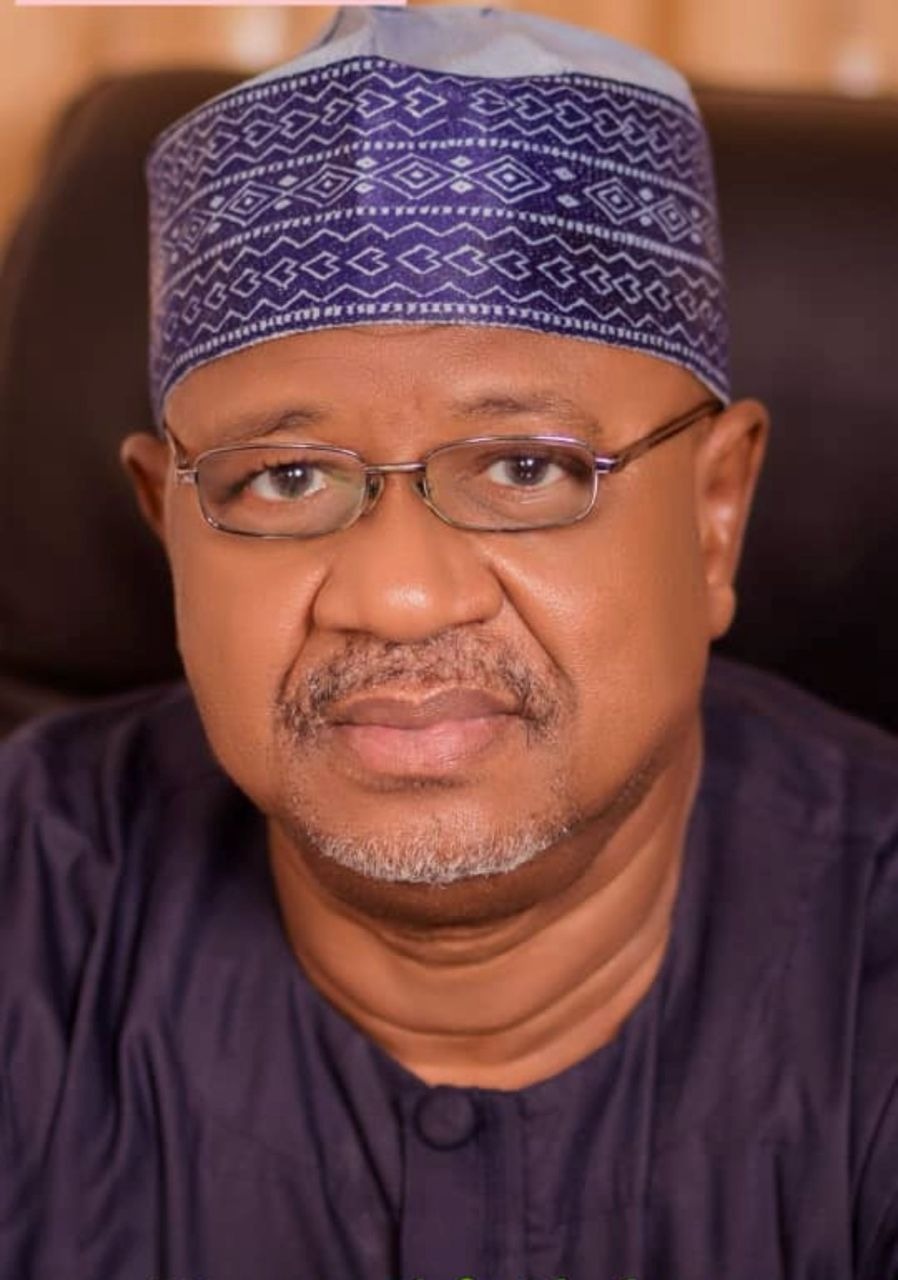
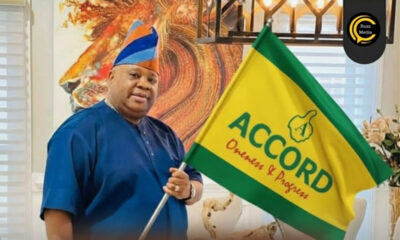
President Bola Tinubu could suffer a dramatic collapse in his Northern support in the 2027 presidential election, securing less than 10 per cent of votes from the region if the poll is free and credible, Convener of the League of Northern Democrats and key promoter of the All-Democratic Alliance (ADA), Dr Umar Ardo, has predicted.
Ardo made the prediction on Monday in an interview on Frontline, a current affairs programme on Eagle 102.5 FM, Ilese-Ijebu, Ogun State, arguing that the outcome would largely reflect how Northern voters assess the Tinubu administration’s performance.
He identified insecurity, worsening poverty, economic hardship and the rising cost of living as major issues likely to influence voting decisions in the region.
According to him, the persistent insecurity affecting communities, farmers, traders and businesses remains one of the administration’s biggest challenges.
“You can solve the issue of insecurity and insurgency in one year,” he said, insisting that the Federal Government could significantly reduce the crisis with the right strategy and sufficient political will.
Ardo also faulted the administration’s economic reforms, particularly the removal of fuel subsidy, questioning whether ordinary Nigerians had experienced corresponding benefits.
“Subsidy removal, is it a benefit?” he asked, arguing that the reforms had eroded purchasing power and made basic necessities increasingly unaffordable.
He said the impact had been particularly severe in Northern Nigeria, where a large proportion of the population is economically vulnerable.
“The economic reform has pushed from the state of poverty to destitution,” he said.
The political commentator also raised concerns about political representation under the Tinubu administration, arguing that the composition of government could shape public perception of its commitment to different regions.
Ardo said Northern voters should not be assumed to be permanently aligned with the voting pattern recorded in 2023, stressing that prevailing economic and security conditions would determine their choices in 2027.
“If a free, fair and credible election is conducted in Nigeria, Tinubu can’t get 10 percent of the Northern part,” he declared.
His prediction puts the spotlight on the opposition’s capacity to exploit any erosion of Tinubu’s Northern support, with former Vice President Atiku Abubakar and other opposition figures potentially positioned to benefit from any major electoral realignment.
Politics
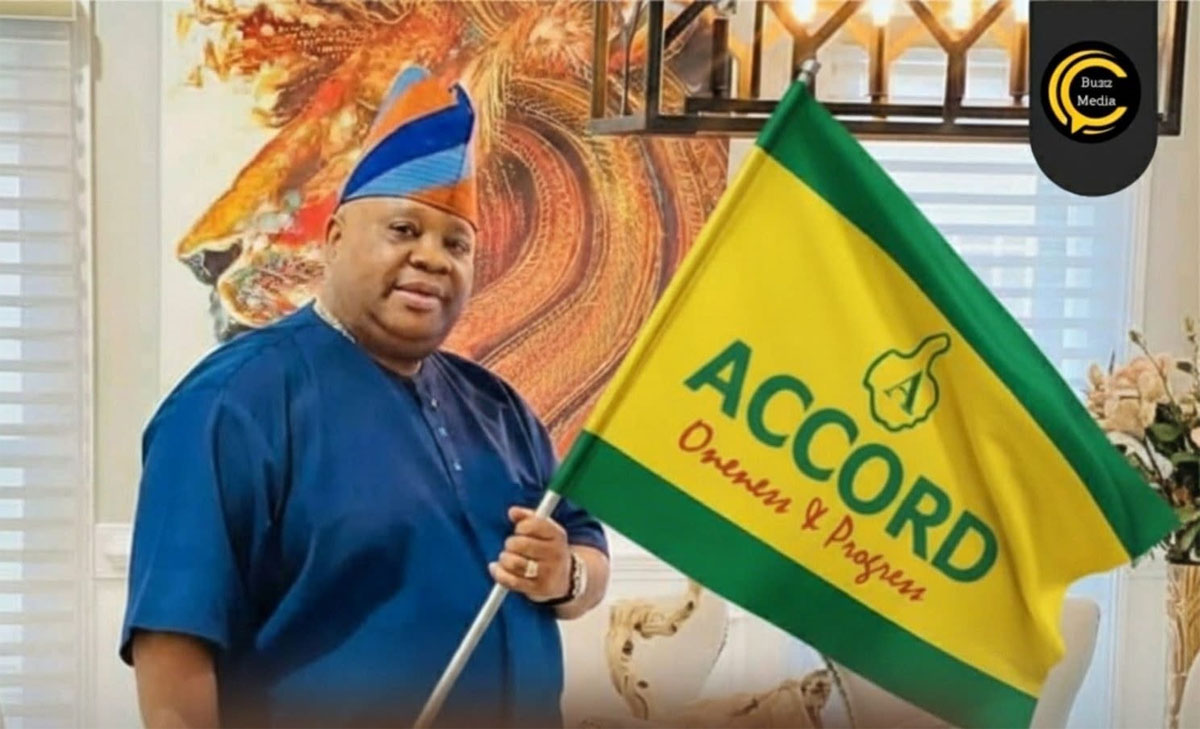
Adeleke’s re-election faces tribunal battle as APC, PDP file petitions
Adeleke’s re-election faces tribunal battle as APC, PDP file petitions
The re-election of Osun State Governor Ademola Adeleke has entered a fresh legal battle after the All Progressives Congress (APC) and the Peoples Democratic Party (PDP) filed separate petitions challenging the outcome of the August 15, 2026 Osun governorship election.
The development has shifted the post-election contest from the ballot box to the Osun State Governorship Election Petition Tribunal, where the two petitions were formally displayed at the tribunal secretariat in Osogbo on Monday, September 7.
The display of the petitions marks the formal commencement of the legal process challenging the election that returned Adeleke for a second term.
The tribunal’s Secretary, Pefe Belemore, confirmed that petitions challenging the election outcome had been received and that the required notices had been displayed to begin the legal process.
The APC petition, marked EPT/OS/GOV/01/2026, was filed by the party’s governorship candidate, Asiwaju Munirudeen Bola Oyebamiji.
Oyebamiji named Governor Ademola Adeleke, the Accord Party and the Independent National Electoral Commission (INEC) as respondents in the case.
The PDP also filed a separate petition, marked EPT/OS/GOV/02/2026. The petition was filed by Adebayo Olugbenga Adedamola against Adeleke, INEC and the Accord Party.
The specific grounds and reliefs being sought in the two petitions were not publicly available when the cases were displayed. The filing, however, means that the two political parties have formally taken their challenges to the election outcome before the tribunal.
Adeleke, who contested the election on the platform of the Accord Party, was declared winner after securing 511,067 votes, defeating Oyebamiji of the APC, who polled 444,815 votes.
READ ALSO:
- I always think I’m the best – Mbappé speaks on Ballon d’Or chances
- My husband is a secure man – Mo Bimpe claps back at critics
- After two decades, Tinubu approves Cabotage fund for Nigerian shipowners
The governor therefore won the election with a margin of 66,252 votes.
The 2026 Osun governorship election was closely watched because of the political importance of the state in the South-West and its significance ahead of the 2027 general elections.
Adeleke had previously won the governorship election in 2022 on the platform of the PDP. However, he contested the 2026 election under the Accord Party following his political realignment.
His victory gave him another term in office, but the latest petitions mean that the result will now be subjected to judicial scrutiny.
The tribunal development also follows conflicting reports over whether any petition had been filed within the statutory period for challenging the election.
Earlier reports had indicated that the 21-day window for filing an election petition had expired without a publicly confirmed challenge. The subsequent confirmation that both the APC and PDP had filed petitions has now opened a new legal chapter in the post-election dispute.
The APC petition is particularly significant because Oyebamiji had earlier congratulated Adeleke following the declaration of the result while indicating that any concerns arising from the election would be pursued through lawful and constitutional means.
With the filing of the petition, the APC candidate has now formally taken his challenge to the election tribunal.
The next stage of the process is expected to involve the service of the petitions and other court documents on Adeleke, INEC and the Accord Party.
The respondents will then have an opportunity to respond to the claims contained in the petitions before the matter progresses through the required pre-hearing procedures.
The tribunal will eventually consider the substantive issues raised by the petitioners and the responses presented by the respondents.
The filing of an election petition does not automatically cancel Adeleke’s victory or remove him from office. The governor remains the declared winner of the August 15 election unless a competent court eventually rules otherwise.
The tribunal will therefore determine the matter based on the evidence and legal arguments presented by the parties.
For the APC, the case provides an opportunity to challenge an election in which its candidate finished second with 444,815 votes.
For the PDP, the separate petition adds another dimension to the dispute, particularly because Adeleke previously represented the party before contesting his re-election on the Accord platform.
The legal proceedings could become a significant political development in Osun State as parties begin positioning themselves ahead of the 2027 elections.
However, the immediate focus will remain on the election tribunal and the legal arguments surrounding the August 15 poll.
The display of the petitions marks the beginning of a new phase in the Osun political contest, with the battle now moving from campaign grounds and polling units to the courtroom.
Until the tribunal or a higher court makes a final determination, Ademola Adeleke remains the duly declared governor-elect and winner of the August 15, 2026 Osun governorship election.
The coming proceedings will determine whether the APC and PDP can establish sufficient legal grounds to alter or overturn the result declared by INEC.
Adeleke’s re-election faces tribunal battle as APC, PDP file petitions
Politics
Atiku: Production subsidy will boost local oil production, put money back in Nigerians’ pockets
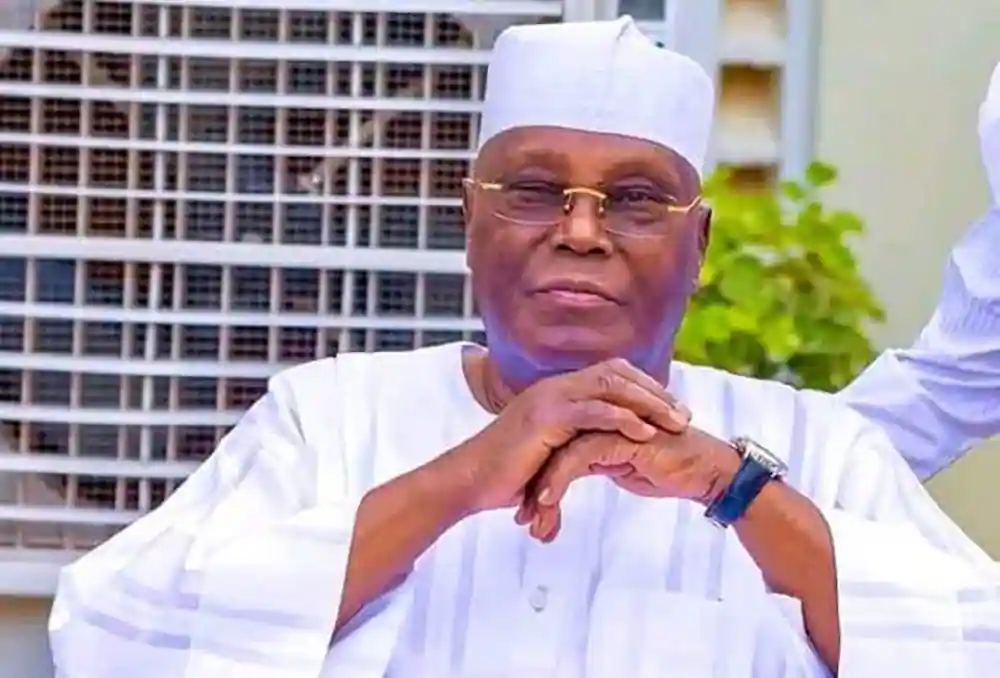
Atiku: Production subsidy will boost local oil production, put money back in Nigerians’ pockets
Former Vice President and African Democratic Congress (ADC) presidential candidate for 2027, Atiku Abubakar, has criticised President Bola Tinubu’s economic policies, accusing the administration of worsening the cost-of-living crisis and weakening the purchasing power of Nigerian households and businesses.
Atiku said Nigerians were facing rising costs of petrol, food, transportation and basic goods, while many businesses were struggling because consumers had less money to spend.
In a statement issued on September 6 by his Senior Special Assistant on Public Communication, Phrank Shaibu, the ADC presidential candidate said the Federal Government could not rely solely on economic statistics while Nigerians continued to experience financial hardship.
Atiku particularly criticised the removal of the petrol subsidy, arguing that the policy had contributed to higher transportation and living costs.
He also rejected criticism of his proposal for a production subsidy, saying the initiative was designed to support domestic production and refining rather than return to the previous system of subsidising imported petrol.
“This is why my Production Subsidy is about putting money back into people’s pockets. Support what we produce and refine here, increase supply, monitor the price and make sure Nigerians feel the benefit at the pump,” Atiku said.
According to the former vice president, the proposed intervention would focus government support on Nigerian oil production and domestic refineries, with the broader objective of increasing supply, strengthening the petroleum industry and reducing pressure on consumers.
READ ALSO:
- Kaduna to Lead Govt Patronage of Local Vehicles as Sani Unveils Peugeot 5008
- Opeifa Donates Salary to LSSTF as Lagos Gives NRC Two Security Vehicles
- Peter Obi, Others Challenging Tinubu Cannot Transform Nigeria — Datti Baba-Ahmed
Atiku said the position of the Crude Oil Refinery Owners Association of Nigeria (CORAN) in support of stronger domestic refining further reinforces his argument for targeted government intervention.
He also cited the policies of US President Donald Trump as an example of how government support could be used to strengthen strategic domestic energy production.
Atiku argued that Nigeria should similarly support its local refining industry instead of relying heavily on imported petroleum products.
However, his reference to Trump was a comparison between the two approaches and should not be interpreted as a direct endorsement by the US president of Atiku’s Nigerian policy.
Atiku said the cost-of-living crisis had become increasingly difficult for Nigerians, accusing the Tinubu administration of making essential goods and services significantly more expensive.
“Tinubu did not inherit this cost-of-living crisis from Nigerians. His policies created and deepened it,” Atiku said.
He cited increases in the prices of fertiliser, petrol and cement, as well as changes in the naira-to-dollar exchange rate, as examples of the economic pressures facing Nigerians.
Atiku said fertiliser had risen from about N9,000 to N50,000, while petrol had increased from approximately N199 to around N1,400 per litre. He also cited an increase in cement prices from roughly N4,000 to about N13,500.
He further pointed to the depreciation of the Nigerian naira against the US dollar as another factor affecting businesses and household purchasing power.
Atiku argued that the consequences of these increases extended beyond individual consumers, affecting small businesses that must cope with higher transportation, electricity and restocking expenses.
He illustrated his argument with the example of a frozen-food seller in Kubwa, Abuja, who, according to him, now spends more to transport goods, power freezers and purchase new stock while customers increasingly struggle to afford the products.
The situation, Atiku said, could eventually affect the entire supply chain as retailers struggle to restock, suppliers wait for payments and customers reduce their purchases.
The ADC candidate also referred to reports indicating that significant amounts of short-term assets belonging to some major Nigerian companies were tied up in unpaid customer bills.
He said the development reflected the weakening purchasing power of consumers, arguing that businesses could make sales on paper but still face financial difficulties when customers were unable to pay.
READ ALSO:
- FG Opens N2.5bn Grant Window For 50 Student Innovators Under “Next Moonshot Initiative”
- Kneeling to Propose Is Why Western Marriages Fail — Pete Edochie Sparks Fresh Debate
- US Strikes Three Iranian Oil Tankers in Retaliation for Missile Attack on Navy Ships
Atiku therefore challenged the Federal Government to look beyond headline economic indicators and assess whether Nigerians were actually experiencing improvements in their daily lives.
“Nigerians know the prices they meet every day,” he said, arguing that households were more concerned about the cost of food, fuel, transport and other necessities than official economic statistics.
He also questioned the availability of meaningful relief for Nigerians amid rising living costs, citing concerns over electricity, security, food prices and transportation.
Atiku said his production subsidy proposal was intended to change the way government intervention operates in Nigeria’s petroleum sector.
Rather than subsidising imported petrol, he said the policy would support domestic oil production and refining, with intervention linked to measurable production and supply.
The objective, he said, would be to increase domestic petroleum output, strengthen local refineries, create jobs and reduce the cost of petroleum products for consumers.
Atiku also questioned why government intervention should be considered poor economic policy when the intended beneficiaries were Nigerian consumers and producers.
“Why does intervention suddenly become bad economics when ordinary Nigerians are meant to benefit?” he asked.
The former vice president argued that Nigeria should adopt policies that support strategic domestic industries while ensuring that the benefits reach ordinary citizens.
He said increased local refining would reduce dependence on imported petroleum products and help Nigeria retain more value from its oil resources.
The renewed debate over fuel subsidy, domestic refining and the cost of living is likely to become an important issue ahead of the 2027 presidential election.
Atiku is seeking to distinguish his production-focused proposal from the petrol subsidy regime that was removed by the Tinubu administration.
He said his economic approach would prioritise domestic production, local refining, job creation and lower living costs, rather than policies that place additional pressure on household incomes.
“The choice before Nigeria is therefore clear: continue with an economy that takes more from the people, or build one that puts money back in their pockets,” Atiku said.
He urged Nigerians to support policies that would increase domestic production and make essential goods and services more affordable.
“Support production. Refine in Nigeria. Create Nigerian jobs. Lower the cost of living,” he said.
Atiku maintained that Nigeria must produce more locally while ensuring that ordinary Nigerians pay less for essential goods and have enough income left to support their families.
The statement comes as political parties and presidential aspirants begin shaping their economic messages ahead of the 2027 general election, with fuel prices, purchasing power, domestic refining and the broader cost of living expected to remain central issues.
Atiku: Production subsidy will boost local oil production, put money back in Nigerians’ pockets
-
 Business3 days ago
BREAKING: OPay Warns Customers Against Viral Shutdown Message, Threatens Legal Action
-
 metro3 days ago
Osinbajo raises alarm over chemicals in fruits, recalls wife’s orange juice experience
-
 metro3 days ago
NSCDC Rescues 15 Trafficked Minors Sold for ₦2m Each by Fake NGO Official
-

 Auto3 days ago
NAJA 19th Auto Awards: Industry’s best to battle for honours December 3
-

 metro2 days ago
APC rally: Suspected thugs attack journalists, smash Radio Nigeria vehicle in Kano
-

 Politics3 days ago
15 northern states may collapse if fuel subsidy returns, OAU professor warns Atiku
-

 Education3 days ago
JAMB Releases Underage UTME Results, Sets Strict Conditions for Admission
-
 metro2 days ago
Lagos-Ibadan Expressway: FG begins Kara Bridge repairs Tuesday, deploys traffic agencies