
News
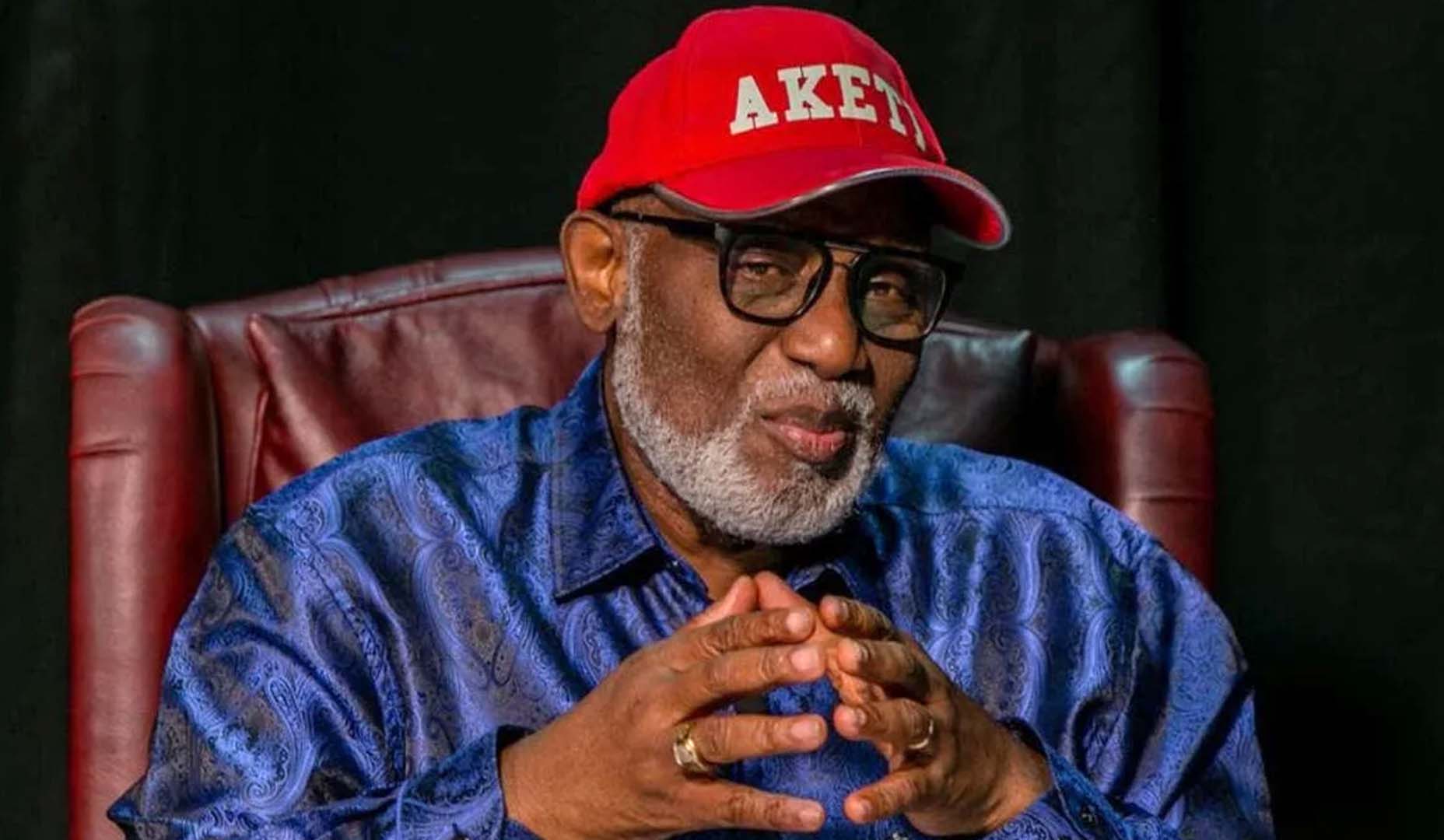
27 important facts to know about late Ondo Gov, Akeredolu
27 important facts to know about late Ondo Gov, Akeredolu
Oluwarotimi Akeredolu, the governor of Ondo state, died on December 27 in Lagos at the age of 67.
According to reports, State House doctors cared after him till his death because they couldn’t fly him abroad.
One of Ondo state commissioners who requested anonymity verified Akeredolu’s death to our newspaper.
A reliable source said: “Akeredolu is dead; he died in Lagos. They were looking for dialysis machines to be sent to his secret location in Lagos last week.”
Akeredolu had returned to Nigeria in September following a three-month medical leave in Germany.
On December 13, he went on another medical leave after being directed by President Bola Tinubu to hand over power to his deputy, Lucky Aiyedatiwa.
The medical leave was a follow-up to a previous medical treatment.
Here are 27 important facts to know about late Ondo Governor Akeredolu
1. Oluwarotimi Odunayo Akeredolu CON SAN was born on July 21, 1956, in Owo to Reverend J. Ola Akeredolu of the Akeredolu family and Lady Evangelist Grace B. Akeredolu of Aderoyiju family of Igbotu, Ese Odo, in Ondo State.
2. Akeredolu started his primary education at a government school in Owo. He proceeded to Aquinas College, Akure, Loyola College, Ibadan, and a comprehensive high school, Ayetoro, for his secondary school education and Higher School Certificate, respectively.
READ ALSO:
- Updated: Ondo Governor Akeredolu dies after battle with leukemia
- Visa Scam: Nigerian man arrested in India for duping woman of N18m
- Abductors of retired ECWA pastor demand N1m ransom
3. His middle name Odunayo means “Year of happiness” in Yoruba.
4. He went on to the University of Ife (now Obafemi Awolowo University) to study law and graduated in 1977.
5. He was a Nigerian lawyer and politician.
6. He assumed office as Ondo governor on February 24, 2017.
7. He reportedly died of leukemia.
8. His adopted prefix is “Arakunrin”, while his nickname is “Aketi”.
9. He is a Senior Advocate of Nigeria (SAN) who became president of the Nigerian Bar Association in 2008.
10. Akeredolu was also a Managing Partner at the law firm of Olujinmi & Akeredolu, which he co-founded with Chief Akin Olujinmi, a former Attorney General and Minister for Justice of Nigeria.
11. He was the chairman of Southwest Governors.
12. He was referred to as the Nigerian Bar 1978.
13. Akeredolu was appointed Attorney General of Ondo State from 1997 to 1999.
14. In 1998, he became a Senior Advocate of Nigeria. He was Chairman of the Legal Aid Council (2005–2006).
15. In November 2009, he faced allegations of corruption when the Bar Association’s third Vice-President, Welfare Secretary, and Assistant Financial Secretary circulated a petition entitled “Complaints against your fraudulent manifestations, violation of the NBA”.
16. Subsequently, the allegations against him were reviewed and dropped by the National Executive Council of the Nigerian Bar Association.
17. In November 2011, Akeredolu was among a crowd of aspirants to be the Action Congress of Nigeria (ACN) candidate for governor of Ondo State in the 2012 elections.
18. On 28 July 2012, Akeredolu was selected as the Action Congress of Nigeria (ACN) candidate for governor of Ondo State during the ACN congress in Akure.
19. His selection pitched him in a head-to-head battle with the incumbent, Olusegun Mimiko, and Olusola Oke of the Peoples Democratic Party (PDP).
20. Akeredolu promised to create 30,000 jobs in his first 100 days in office.
READ ALSO:
- Bandits shoot three, abduct six in Abuja
- Your funds are safe in banks, CBN assures depositors
- JUST IN: Ex-Speaker Ghali Na’Abba dies in Abuja
21. His promise nonetheless resulted in the submission of over 10,000 CVs to his campaign office.
22. Akeredolu was awarded the ticket to represent the All Progressives Congress (APC) in the 2016 elections for governor. On Sunday, 27 November 2016, he won the keenly contested 2016 Ondo State gubernatorial election.
23. On Sunday, 27 November 2016, Akeredolu was announced by the Independent National Electoral Commission as the winner of the Ondo State governorship election.
24. He amassed 244,842 votes in the election to defeat Eyitayo Jegede with 150,380 votes and Olusola Oke with 126,889 votes. According to Professor Ganiyu Ambali, INEC Returning Officer, Akeredolu defeated two major opponents, Eyitayo Jegede of the Peoples Democratic Party (PDP) and Olusola Oke of the Alliance for Democracy (AD), to clinch victory. He was sworn in as the governor of Ondo State on 24 February 2017 in Akure, the Ondo State Capital.
25. On 21 July 2020, he was declared the Ondo governorship candidate after the primary elections under the platform of the APC, for a second term.
26. The 2020 Ondo State gubernatorial election was held on 10 October 2020.
27. Akeredolu won re-election for a second term, defeating PDP Eyitayo Jegede, ZLP Agboola Ajayi, and several minor party candidates.
27 important facts to know about late Ondo Gov, Akeredolu











News
Mother, Six Children Kidnapped in Fresh Kaduna Bandit Attack
Mother, Six Children Kidnapped in Fresh Kaduna Bandit Attack
In a fresh wave of banditry in Kaduna State, a mother and six children were abducted from their home in Kurmin‑Uwa near Janjala community in Kagarko Local Government Area on Friday night. The attack comes less than 24 hours after suspected bandits kidnapped ten residents, including seven members of a single family, in Unguwar Sabon‑Titi, Katari.
According to residents, the raid occurred around 10:23 p.m., with the assailants going directly to the targeted house before whisking away the victims, identified as Ladi Malachy, Patience Malachy, Promise Malachy, Inama Malachy, Peter Malachy, and Aboyi Malachy. Witnesses said the attackers fled into surrounding forests, leaving the community in fear.
READ ALSO:
A local resident, Ibrahim Shehu, confirmed the abduction, while a community leader, speaking on condition of anonymity, revealed he alerted security operatives immediately after learning about the raid. However, it remains unclear whether authorities responded promptly. Kurmin‑Uwa is located about two kilometres from Kagarko town, an area that has seen repeated bandit attacks on households.
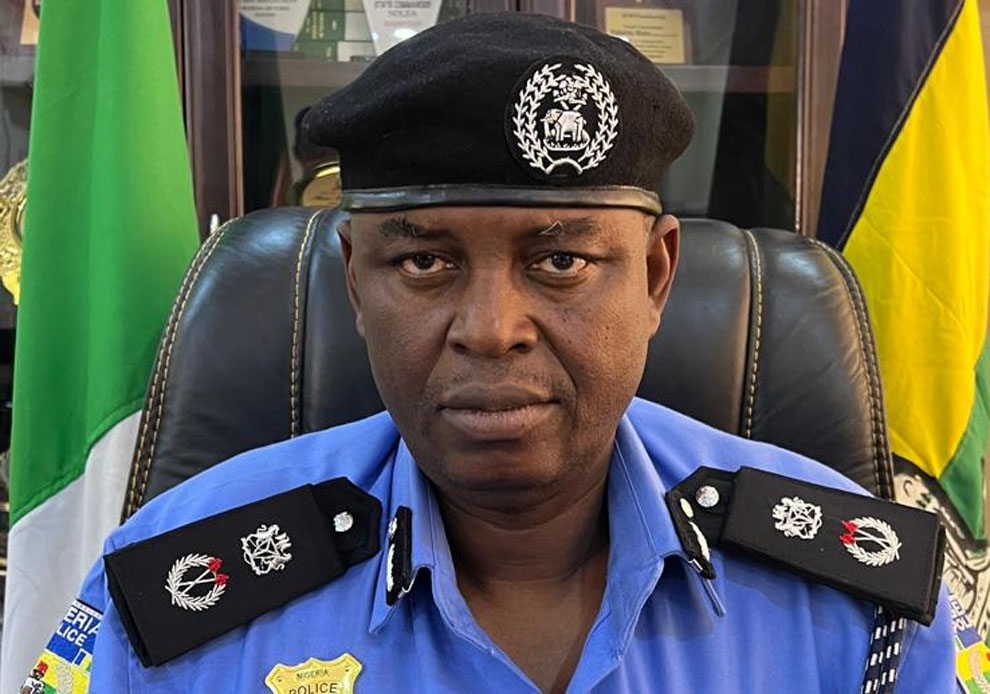
Security sources indicate that search and rescue operations have been launched, as authorities work to locate the kidnappers and secure the release of the abducted family. Meanwhile, the Kaduna State Police Command has yet to issue an official statement regarding the incident.
The back‑to‑back kidnappings have heightened tension in rural Kaduna communities, with residents calling for intensified patrols, improved security presence, and faster emergency response to prevent further abductions. Analysts warn that without swift action, such violent raids may continue to terrorise villages across the state.
Mother, Six Children Kidnapped in Fresh Kaduna Bandit Attack
News
INEC Warns ADC Against Holding Convention Without Supervision
INEC Warns ADC Against Holding Convention Without Supervision
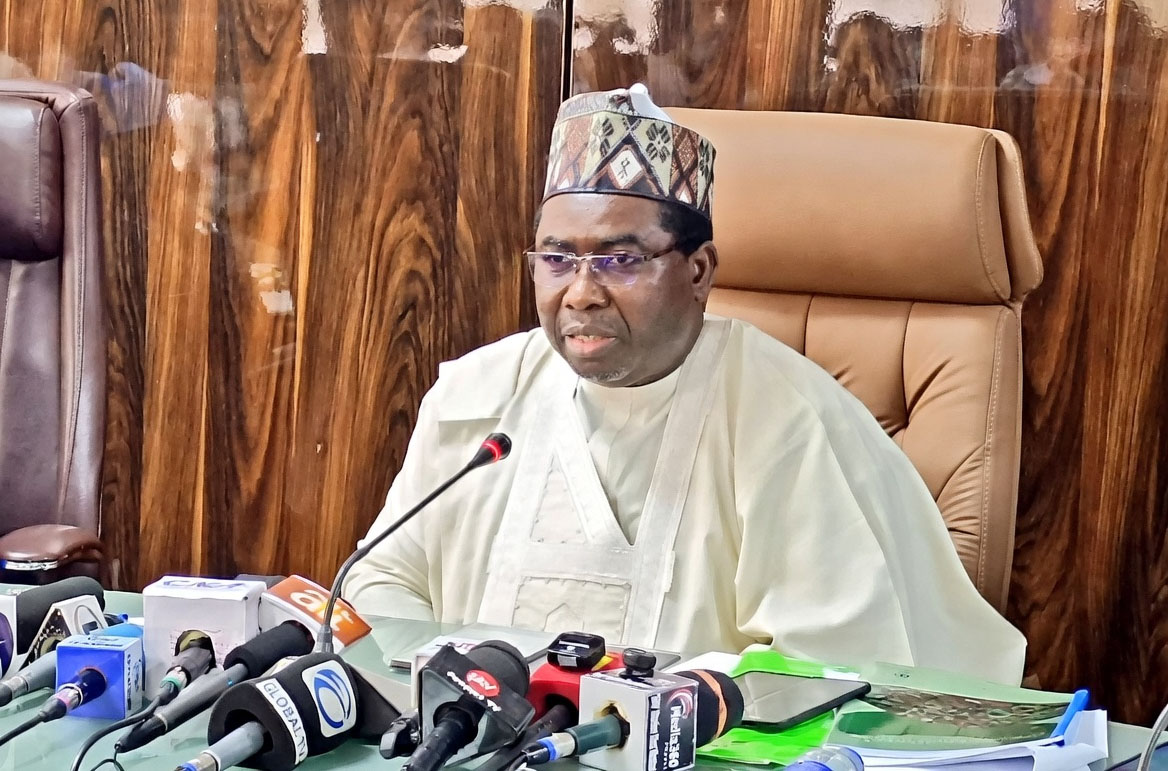
The Independent National Electoral Commission (INEC) has cautioned the African Democratic Congress (ADC) against proceeding with its planned congresses and national convention without proper supervision and in defiance of an existing court order.
Chairman Joash Amupitan issued the warning during an interview on Arise TV on Friday, after the ADC insisted on going ahead with its convention despite INEC’s derecognition of the leadership faction linked to David Mark and Rauf Aregbesola.
Amupitan stressed that INEC’s actions were guided by legal considerations, particularly a subsisting court order restraining the ADC from taking steps that could undermine ongoing legal proceedings. “Don’t do anything. Don’t take any step that will render any proceeding before the court nugatory,” he said.
READ ALSO:
- APC Rejects ADC Claims, Says Tinubu Not Responsible for Party’s Legal Troubles
- Fani‑Kayode Fires Back at Peter Obi, Defends NADECO’s Legacy
- Presidency Clarifies Why Tinubu Met Plateau Victims Only at Airport
He explained that the ADC’s plan to conduct congresses and a national convention is already part of a pending legal process, with motions related to the activities yet to be determined by the court. Ignoring the court’s directive, he warned, could result in invalidated elections or nullified internal party decisions, citing precedents in Zamfara and Plateau states where failure to comply with court orders affected electoral outcomes.
Amupitan highlighted the risks of repeating past mistakes, stressing that while the ADC is free to act as it chooses, INEC would not risk supervising illegal or unauthorized party activities. He reinforced the importance of adhering to the Electoral Act and judicial directives to ensure that party events are legally recognised and free from future challenges.
The INEC Chairman’s warning comes amid heightened tension within the ADC, with the faction led by David Mark facing derecognition and ongoing litigation over the party’s legitimate leadership. Analysts note that the statement underscores INEC’s commitment to rule of law, legal compliance, and internal party democracy, especially as Nigeria approaches the 2027 general elections.
INEC Warns ADC Against Holding Convention Without Supervision
News
Presidency Clarifies Why Tinubu Met Plateau Victims Only at Airport

Presidency Clarifies Why Tinubu Met Plateau Victims Only at Airport
The Presidency has clarified why President Bola Tinubu did not leave the airport during his recent visit to Jos, amid public criticism. Officials said the decision was driven by tight scheduling, logistical constraints, and aviation safety concerns.
President Tinubu visited Jos North Local Government Area, where he met with families of victims killed in the Angwan Rukuba attack. Speaking to the bereaved, he said, “You have no light at the airport, and I have to fly back within the next 10 minutes. To the victims, there’s nothing I can give you, whether it’s money in millions, but console you and promise you that this experience will not repeat itself.”
The visit was attended by political supporters, traditional rulers, security operatives, and other stakeholders. However, Tinubu’s airport-only engagement drew criticism, with some accusing him of insensitivity toward grieving families.
In response, the President’s Special Adviser on Information and Strategy, Bayo Onanuga, explained that Tinubu’s schedule on Thursday included receiving Chadian President Mahamat Idriss Déby Itno at the Presidential Villa before traveling to Iperu in Ogun State. Following a security briefing by Plateau Governor Caleb Mutfwang, the Ogun trip was canceled, and an emergency visit to Jos was arranged overnight.
READ ALSO:
- Iran’s IRGC Threatens Google, Microsoft, Apple as ‘Legitimate Military Targets’
- Nigeria Apologises Over ‘Igbo King’ Controversy in South Africa as Protests Turn Violent
- Plateau Killings: Ezekwesili Blasts Tinubu, APC Over ‘Failure to Act’
Officials said logistical challenges made a town visit impractical. The airport runway does not support night flights, and the road distance from the airport to Jos township is about 40 minutes. These factors made it unfeasible for the President to visit the conflict site, meet victims in town, and return to the airport safely before dusk.
To ensure engagement, representatives of affected communities were brought to a hall adjoining the airport, allowing Tinubu to meet directly with victims, local leaders, and security officials. Among attendees were the Minister of Defence, the Chief of Army Staff, and the Inspector General of Police, who had visited Rukuba to assess security operations.
During the meeting, the President consoled victims, listened to their concerns, and assured justice would be delivered. He also promised the deployment of 5,000 AI-enabled surveillance cameras to monitor the city and enhance the identification and arrest of troublemakers. Furthermore, he invited community leaders to Abuja for additional talks on long-term solutions to recurring violence in Plateau State.
The Presidency described the visit as a strategic, high-level engagement aimed at addressing the root causes of conflict, rather than a symbolic gesture. Officials emphasized that Tinubu’s approach prioritized safety, efficiency, and direct interaction with key stakeholders while adhering to flight and logistical constraints.
Despite the criticisms, the televised meeting was seen as reassuring by residents, signaling the President’s commitment to peace, security, and community-driven solutions in Plateau State.
Presidency Clarifies Why Tinubu Met Plateau Victims Only at Airport

-

 metro2 days ago
VeryDarkMan Dares Sowore Over Blord’s Kuje Prison Remand
-

 metro3 days ago
Nigerians to Enjoy Four-Day Break as FG Declares Easter Holidays
-

 metro2 days ago
Tinubu Approves 1,000 Forest Guards, Orders 5,000 CCTV Cameras to Boost Security in Plateau
-
 metro16 hours ago
Pastor Found Dead in Guest House After Night Out With Married Female Church Member
-

 Business3 days ago
NNPC Boosts Crude Supply to Dangote Refinery to Address Rising Fuel Prices
-

 International1 day ago
Iran Announces ‘Bounty’ on US Pilots After Claiming Downing of Fighter Jet
-

 International3 days ago
Iran Fires Missiles at Israel After Trump Threatens Weeks of ‘Extremely Hard’ Strikes
-

 Politics16 hours ago
Wike: PDP Not Financially Ready for 2027 Presidential Election