

International
Israel, Hamas free more hostages in latest ceasefire swap

Israel, Hamas free more hostages in latest ceasefire swap
Hamas has released another three Israeli hostages in exchange for hundreds of Palestinian prisoners following a week in which the fragile ceasefire deal appeared under threat.
American-Israeli Sagui Dekel-Chen, 36, Argentinian-Israeli Yair Horn, 46, and Russian-Israeli Alexander Troufanov, 29, were freed in return for 369 Palestinians held in Israeli jails.
So far 19 hostages and more than 1,000 Palestinian prisoners have been freed in the first phase of ceasefire deal which began on 19 January.
The swap came days after Hamas said it would pause the release of hostages, accusing Israel of violating the terms of the deal – an allegation denied by Israel.
Israel, backed by US President Donald Trump, said “intense” fighting would resume unless the hostages were handed over. Hamas later said it remained committed to the ceasefire, and that Israel was “responsible for any complications or delays”.
But on Saturday the sixth swap went ahead, with the hostages handed over to Red Cross workers in a highly-choreographed public show in Khan Younis in the southern Gaza Strip.
Surrounded by heavily armed Hamas militants, the men briefly addressed a crowd of Palestinians before being transferred into Red Cross vehicles.
READ ALSO:
- ISWAP terrorists attack military post in Borno
- Two officers arrested after car dealer dies in police custody
- Tambuwal to Tinubu: Your government lacks direction
They did not look as gaunt as the hostages freed a week earlier – their appearance had aroused anger in Israel and elsewhere.
Under the first six-week stage of the ceasefire deal, 33 hostages and 1,900 prisoners are supposed to be freed.
The three men were airlifted by military helicopters to a hospital in central Israel, where they underwent medical tests and were reunited with relatives.
Yair Horn and his brother Eitan, 37, had been abducted from a kibbutz during the 7 October 2023 attacks by Hamas. Eitan remains in captivity in Gaza.
Pictures showed Yair Horn hugging his mother and his brother Amos in hospital, and a message where he wrote “Eitan, you’re next”.
US citizen Sagui Dekel-Chen also reunited with his wife, where he learned that he had one-year-old daughter. His wife had been eight months pregnant with their third child when he was captured by Hamas in October 2023.
US President Donald Trump marked the hostage release on Saturday, noting Hamas had not followed through with their threat.
“They seem to be in good shape,” he said.
Israeli President Isaac Herzog, posting on social media, said the hostages had been “forced to endure” a “despicable and cynical ceremony”.
In a social media post, Defence Minister Israel Katz said Israel would continue to work with the US to “ensure that all hostages return to Israel soon”.
The majority of the freed Palestinians were taken to Gaza, although some were taken to the West Bank. In both areas, crowds gathered to welcome the former prisoners.
The Palestinian Red Crescent Society told the BBC that five of those released in the West Bank city of Ramallah were taken straight to hospital.
“They all have chronic illnesses,” said Mohammad Faqih, an official from the Palestinian Red Crescent Society, adding that one man had a broken leg.
Most of the 36 Palestinians serving life sentences will reportedly be deported to Egypt.
The latest releases mean that under the ceasefire, Hamas is due to free another 14 hostages.
However Israel says eight are of them are dead, meaning six living Israelis are still expected to be returned in the first phase.
A total of 141 hostages have now been freed, including 81 Israelis and 24 foreign nationals released as part of a previous deal between Israel and Hamas.
About 1,200 people were killed and 251 taken back to Gaza as hostages when Hamas attacked Israel on 7 October 2023.
This triggered a massive Israeli military offensive in Gaza, which has killed more than 48,000 Palestinians, the Hamas-run health ministry says.
Israel, Hamas free more hostages in latest ceasefire swap
BBC









International
US Offers $20m Reward, Relocation for Information on Iran’s Nuclear Programme
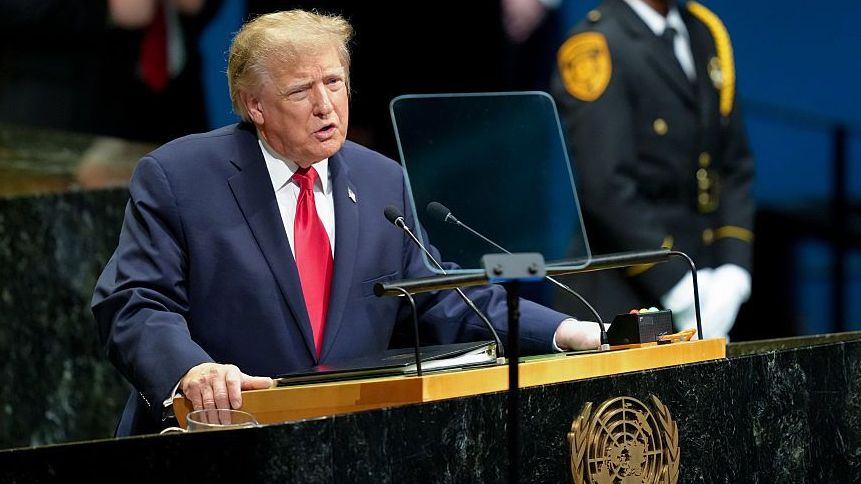
The United States has announced a reward of up to $20 million, alongside the possibility of relocation, for anyone who provides credible information about Iran’s nuclear programme, including its facilities, equipment and personnel.
The offer was announced by the US Department of State through its Rewards for Justice programme and publicised by the US Central Command (CENTCOM) on Friday, November 6, 2026.
According to the announcement, the reward covers information about Iran’s nuclear facilities, equipment and individuals associated with the programme, including members of the scientific community.
The US is also seeking intelligence about the movement of any of the facilities, equipment or personnel connected to the programme.
The Rewards for Justice programme said the offer could provide informants with up to $20 million and the possibility of relocation, although it did not specify the exact criteria for determining the amount payable for particular information.
The initiative is part of Washington’s efforts to obtain intelligence on Iran’s nuclear activities amid continuing tensions between the two countries over Tehran’s nuclear ambitions.
In explaining the decision, the US State Department referred to concerns raised by the International Atomic Energy Agency (IAEA) about Iran’s uranium enrichment activities and its compliance with international nuclear safeguards.
The department said the IAEA reported in 2025 that Iran was enriching uranium to 60 per cent purity, a level significantly higher than the enrichment required for most civilian nuclear applications and relatively close to the 90 per cent generally associated with weapons-grade uranium.
READ ALSO:
- ‘Stop Blaming Us’, APC Tells Atiku, ADC Over Court Judgment
- Atiku to Tinubu: You Cannot Use Courts to Escape Nigerians’ Verdict
- University Funding Crisis: States Beg FG to Take Over Cash-Strapped Institutions
According to the US government, further enrichment of Iran’s existing stockpile could potentially produce enough material for several nuclear weapons.
Washington also accused Tehran of failing to meet its safeguards obligations to the IAEA, saying the agency had lost what it described as its “continuity of knowledge” regarding Iran’s production and inventory of important nuclear components, including centrifuges.
Centrifuges are machines used to enrich uranium by increasing the concentration of the uranium-235 isotope.
The United States maintains that Iran’s nuclear activities pose a security concern, although Tehran has consistently insisted that its nuclear programme is peaceful and intended for civilian purposes.
The Rewards for Justice programme was established in 1984 under the US government’s national security rewards initiative. It is administered by the State Department’s Bureau of Diplomatic Security and offers financial incentives for information that protects American lives and advances US national security interests.
The latest offer comes amid continuing diplomatic efforts to address the nuclear dispute and prevent further escalation of the conflict involving the United States and Iran.
US President Donald Trump has repeatedly claimed that American military operations have severely damaged Iran’s nuclear capabilities. However, Washington continues to seek intelligence about the programme, including the location of facilities and the activities of individuals connected to it.
Trump said on Friday that Iran was interested in reaching an agreement with Washington, adding that discussions were ongoing.
Iranian President Masoud Pezeshkian has also indicated that his government remains interested in resolving the crisis through dialogue.
The latest $20 million offer signals that the United States is continuing to pursue intelligence on Iran’s nuclear infrastructure even as diplomatic efforts to address the dispute remain underway.
US Offers $20m Reward, Relocation for Information on Iran’s Nuclear Programme
International
Abdul El-Sayed, Seven Other Muslims Make History In US Midterm Elections
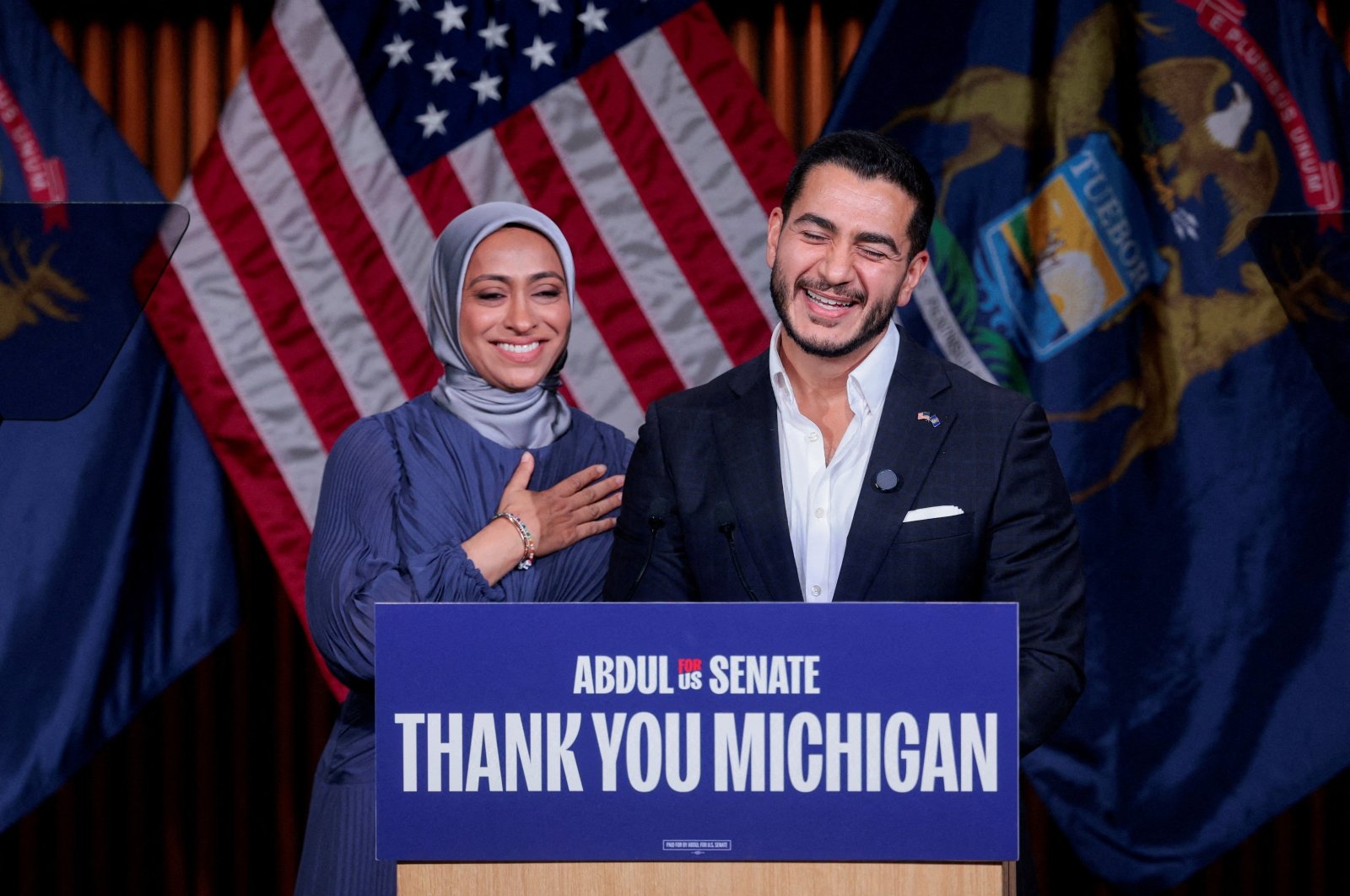
Abdul El-Sayed, Seven Other Muslims Make History In US Midterm Elections
Muslim Candidates Also Secure State Senate Seats In New York, Illinois And Georgia
WASHINGTON, United States — Muslim candidates have recorded significant electoral victories in the November 3, 2026, United States midterm elections, with Democrat Abdul El-Sayed making history as the first Muslim elected to the US Senate, while at least seven other Muslim candidates secured seats in the House of Representatives.
The electoral successes, which also saw Muslim politicians win state legislative positions across different parts of the country, represent a significant development in the political participation and representation of Muslim Americans.
El-Sayed’s victory in Michigan’s Senate election stands out as one of the most remarkable achievements of the elections, breaking a longstanding barrier for Muslim representation in the upper chamber of the US Congress.
The physician and former public health official defeated Republican challenger Mike Rogers in the contest, securing a seat in the Senate and making history as the first Muslim American elected to the institution.
His victory adds a new dimension to the growing influence of Muslim politicians in American public life, particularly at a time when debates over immigration, civil rights, healthcare and US foreign policy continue to shape the country’s political landscape.
Beyond El-Sayed’s historic achievement, Muslim candidates also recorded notable victories in the House of Representatives.
Among them is Congresswoman Ilhan Omar, who secured re-election in Minnesota’s 5th Congressional District.
Omar, one of the most prominent Muslim politicians in the United States, has remained a major voice in congressional debates involving immigration, healthcare, civil rights and American foreign policy.
Another incumbent, Rashida Tlaib, also retained her seat representing Michigan’s 12th Congressional District.
Tlaib, who has consistently advocated Palestinian rights and criticised US military support for Israel, remains one of the most recognisable Muslim lawmakers in the American legislature.
Democratic Congressman André Carson equally secured another term representing Indiana’s 7th Congressional District, extending his presence as one of the longest-serving Muslim members of the US Congress.
In California, Lateefah Simon won re-election in the 12th Congressional District, while Adam Hamawy secured victory in New Jersey’s 12th Congressional District.
Hamawy’s victory is particularly significant because he becomes the first Muslim to represent New Jersey in the US Congress.
Another notable winner was Darializa Avila Chevalier, who secured New York’s 13th Congressional District.
The congressional victories bring the number of Muslim candidates elected to the US House of Representatives to at least six, in addition to El-Sayed’s historic Senate victory.
Muslim women also recorded significant achievements in state legislative elections.
In New York, Aber Kawas won the State Senate’s 12th District, marking an important milestone for Palestinian-American political representation.
Similarly, Nabeela Syed secured victory in Illinois State Senate District 26, defeating Republican incumbent Darby Hills.
In Georgia, Palestinian-American politician Ruwa Romman also won the State Senate District 7 contest, further strengthening Muslim representation in the state’s political institutions.
The victories came amid a major political shift in Washington, with Democrats recording significant gains in the midterm elections, creating fresh political challenges for President Donald Trump’s Republican administration.
The elections were contested against the backdrop of intense debates over the economy, immigration, healthcare, civil liberties and America’s foreign policy, particularly its relationship with Israel and the Palestinian question.
Muslim candidates have increasingly become visible in these debates, with several advocating policies involving civil rights, humanitarian assistance, healthcare access, immigration and social justice.
Reports published after the elections indicated that at least 36 Muslim candidates had won or were leading in various federal, state and local contests, although some results remained subject to further counting and verification.
The Council on American-Islamic Relations (CAIR) had earlier tracked more than 160 Muslim-American candidates seeking elective positions across different levels of government.
The latest victories therefore represent another important chapter in the political participation of Muslim Americans, whose representation has continued to expand in America’s democratic institutions.
With El-Sayed’s historic Senate victory, the successes of Muslim congressional candidates and the emergence of other Muslim lawmakers in state legislatures, the 2026 midterm elections have delivered a significant boost to Muslim political representation in the United States.
However, unofficial election projections and results remain subject to formal certification by the relevant electoral authorities.
Abdul El-Sayed, Seven Other Muslims Make History In US Midterm Elections
International
Musk Breaks Silence After $458M Gamble Backfires in Historic Democratic Sweep
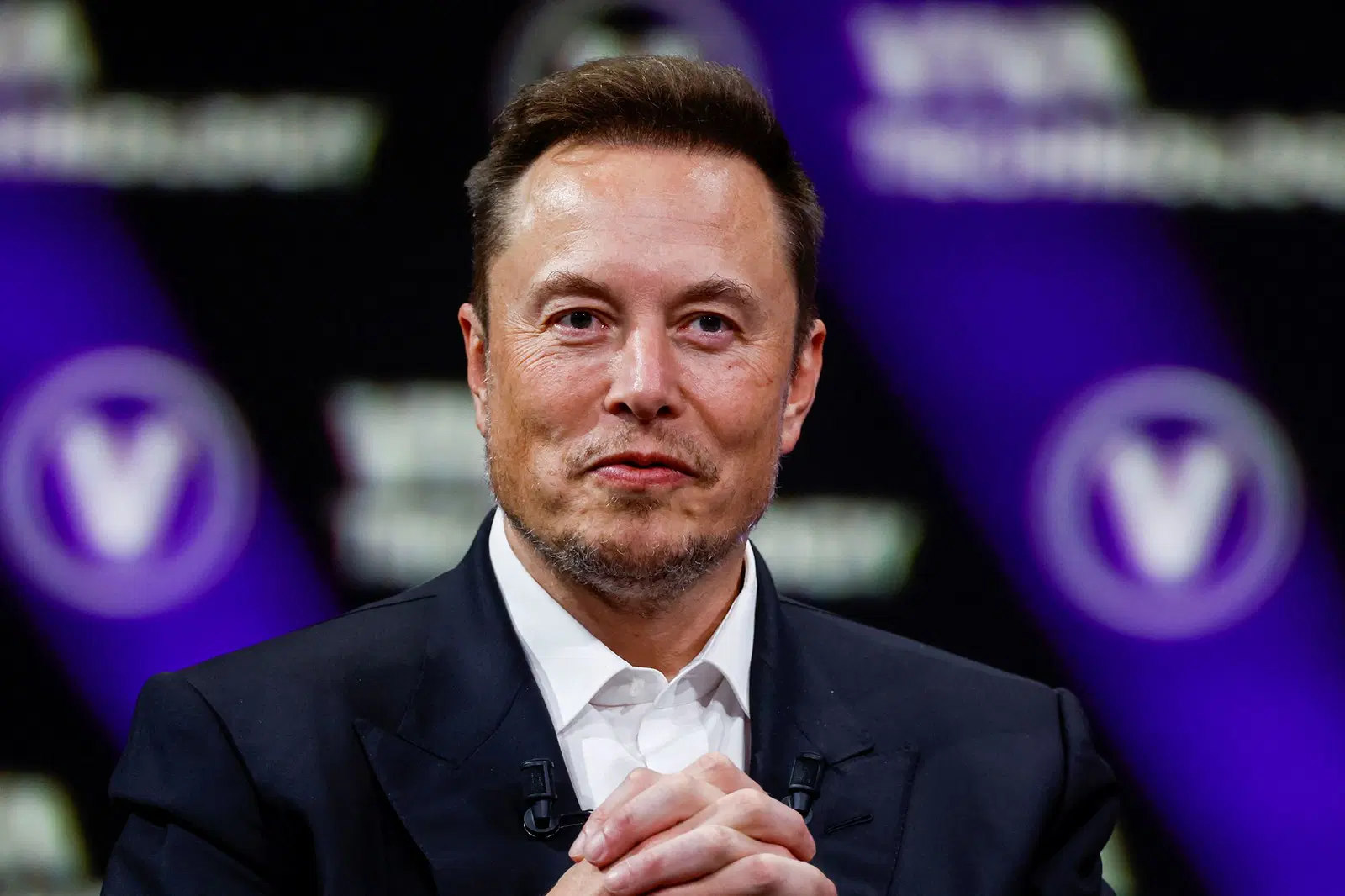
Musk Breaks Silence After $458M Gamble Backfires in Historic Democratic Sweep
WASHINGTON, D.C. — Billionaire technology entrepreneur Elon Musk has broken his silence following a stunning Democratic victory in the 2026 United States midterm elections, making sarcastic remarks after spending hundreds of millions of dollars to support Republican candidates who suffered major electoral setbacks.
Musk, the world’s richest man and founder of SpaceX and Tesla, reportedly committed approximately $458 million to political groups and candidates backing Republicans in the elections, making him the biggest individual political donor in the 2026 election cycle.
However, the massive financial investment failed to prevent Democrats from securing a sweeping victory, taking control of both chambers of Congress and recording significant gains in several traditionally Republican strongholds.
Reacting to the outcome on Tuesday night, Musk took to his social media platform, X, where he appeared to make light of the electoral setback.
“Data centers in space looking pretty appealing right now,” he wrote.
In another post, the billionaire added: “Guess my election-interfering space lasers didn’t work this time.”
The comments, which attracted considerable attention online, appeared to reflect his frustration with the outcome, although they were delivered in his characteristic sarcastic style.
Musk’s political investment had been directed towards strengthening Republican chances of retaining control of Congress, with substantial financial backing going to political action committees and groups supporting candidates across several states.
One of the most expensive political battles involved Texas, where Musk reportedly spent more than $200 million supporting Republican Senate candidate Ken Paxton.
Despite the enormous financial backing, Democratic candidate James Talarico defeated Paxton, delivering a major blow to the Republican campaign and another setback for Musk’s political influence.
Other Republican-backed candidates also suffered significant defeats, reinforcing the scale of the Democratic resurgence.
The results have raised fresh questions about the influence of wealthy political donors in American elections, particularly whether massive campaign spending can overcome voter dissatisfaction with government policies and political leadership.
Meanwhile, Musk appeared to acknowledge the significance of the election outcome when he reacted with a brief “Interesting” to exit polling data suggesting that although Republican voters remained supportive of President Donald Trump’s immigration policies, the ongoing conflict involving Iran had become a major electoral liability for the party.
The election results suggest that economic concerns, rising living costs and dissatisfaction with the Trump administration, alongside the Iran conflict, played significant roles in shaping voters’ decisions.
The Democratic victories have also created a major political challenge for Trump, whose administration is expected to face increased congressional scrutiny during the remaining two years of his presidency.
With Democrats now controlling both chambers of Congress, the party will have greater power to obstruct Republican legislative proposals, scrutinise government activities and investigate policies of the Trump administration.
For Musk, the outcome represents a significant setback after his unprecedented financial involvement in the election cycle.
Although political donations do not automatically translate into electoral victories, the results have reignited debate over the limits of billionaire influence in American democracy.
His latest comments also suggest that the billionaire may be turning his attention back to his ambitious space technology projects as the political consequences of the Democratic victory begin to unfold.
Musk Breaks Silence After $458M Gamble Backfires in Historic Democratic Sweep
-

 metro3 days ago
₦50,000 Relief Fund: FG Reveals Criteria for Selecting Beneficiaries
-

 News3 days ago
Sultan Honours MURIC Founder Ishaq Akintola for Decades of Religious Rights Advocacy
-

 metro2 days ago
NNPCL Slashes Petrol Price By Up To ₦80, Sells At ₦1,325 Per Litre In Abuja
-
 News2 days ago
ADC Heads to Appeal, Insists Mark, Aregbesola Remain Party Leaders Despite Court Ruling
-

 Politics3 days ago
Trouble in ADC as Momodu, South-West Leaders Raise Alarm Over Atiku Campaign
-

 Politics3 days ago
2027: Obasanjo’s Son Joins Tinubu’s Re-Election Movement, Reveals 12-Year APC Loyalty
-

 Insurance3 days ago
Continental Reinsurance Strengthens IPO Appeal As Major Shareholder Commits To Five-Year Stake Retention
-

 News3 days ago
BREAKING: Court Sacks David Mark-Led ADC Exco, Nullifies Atiku’s 2027 Presidential Candidacy