

Auto
How to lower fuel consumption of your car
How to lower fuel consumption of your car
When President Bola Tinubu announced an end to fuel subsidy at the inception of his regime in 2023, many motorists were jolted by the expected impact it would have on the cost of keeping their vehicles on the road.
Many Nigerians were also concerned about the impact it would have on the cost of living, especially the prices of goods, services and transportation.
And their fears were genuine; prices of goods went up astronomically and there were complaints of hardship all over the country.
This led to a swift drop on the sales of big cars, especially Sport Utility Vehicles. Many Nigerians quickly parked these cars in their homes and some immediately put up theirs for sale while others quickly bought smaller cars that they presumed would consume less fuel. They forgot that the rainy season would not be fair to the roads and their new small sedans, especially the bumpers and underneath the cars.
Those living in flood-prone areas like Lekki and some seasonally flooded areas in Rivers, Delta and Bayelsa states can attest to the advantages of SUVs over sedans from their expenses. With some of these expected challenges, it didn’t take long for the average Nigerian motorist to adjust and live with the negative impacts of the fuel subsidy removal.
Though the challenge persists, coupled with the poor state of the roads across the country, it has been almost impossible for Nigerians to totally do away with their big cars and SUVs which are renowned for higher fuel consumption. It is the classical case of choosing between the devil and the deep blue sea.
READ ALSO:
- South African ambassador ‘no longer welcome’ in US, Rubio says
- Nasir El-Rufai’s scorched-earth one-man opposition, By Farooq Kperogi
- Osimhen scores hat-trick as Galatasaray demolish Antalyaspor
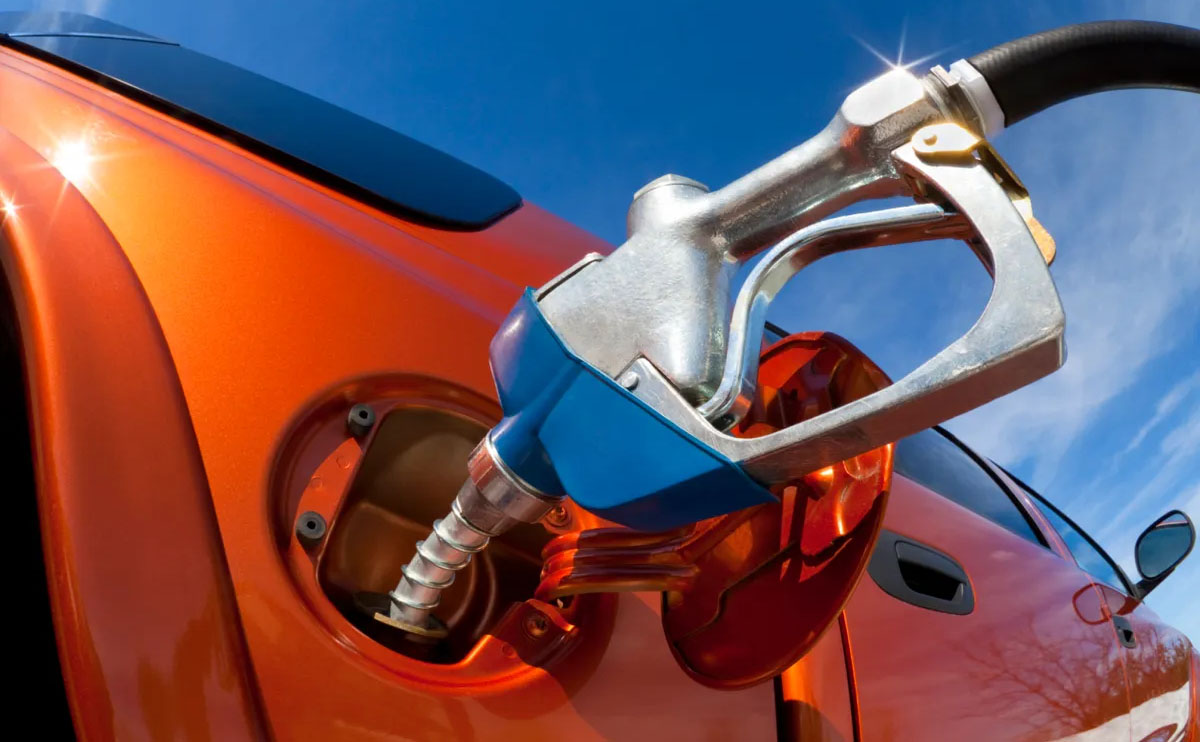
Today, Vanguard offers you some tips on how to ensure maximum fuel economy in your vehicles at a time like this. It is clear that by improving your car’s fuel economy, you’re helping to reduce the drain on your wallet. With some simple driving tips and habits, your fuel can take you further. A combination of good driving habits, and proper vehicle maintenance of your car is essential.
The Tips
*When driving, accelerate and brake gently, quick starts and stops waste fuel, but smooth driving boosts your kilometres per litre. Driving at slower speeds leads to better fuel efficiency.
Reducing speed by 10-20 kph can help. Keep a steady speed, you may use your cruise control on motorways because when you drive at a consistent speed, you save fuel.
•Watch the traffic ahead, it will help you predict what other drivers will do or intend to do. This helps you to avoid braking and speeding up.
•Also avoid idling your engine for long periods even when it is stationary as it wastes fuel. Switch off the engine if you need to stop for more than a minute.
•Also limit short journeys, and be aware that cold starts use more fuel.
•As a motorist, ensure that your tyres are appropriately gauged. Soft tyres cause drag and waste fuel. Check pressures often and inflate correctly.
Many drivers don’t know that proper inflation of their car tyres contributes significantly to the fuel economy. Under inflated tyres have a higher rolling resistance on the road. This means that your tyres generate more friction and rolling resistance and will increase fuel consumption.
READ ALSO:
- My wife is a pastor, can’t be Bigot, Tinubu tells Catholic bishops
- Electricity: TCN blocks access to data from DisCos
- Customs seize 1,149 jerry cans of petrol in Taraba
If your four tyres are underinflated by 10 psi, this could increase your fuel consumption by 10 per cent. Car manufactures always have the recommended tyre gauge inscribed on the drivers door frame. Gauge your tyre accordingly and reduce your fuel consumption.
•Correct wheel alignment is vital. It reduces tyre wear and drag. This also saves fuel.
•Many motorists carry all sorts of things in their boots which they hardly need and this adds to the weight of the car, this should be avoided. Note that every extra 50kg of load in your car increases fuel consumption by about two to three percent.
Some used cars from abroad come with a heavy bar attached to the rear for pulling boats and other heavy objects from where they have been imported which is hardly needed in this part of the world. It is advised that you remove them to avoid unnecessary weight.
Some people however believe that this serves as protection when another vehicle hits them from behind, unknown to them that they are paying more to fuel their cars. Lighten your load and remove extra weight from the car. Less weight means better fuel economy.
•Also, reduce drag by removing roof racks as they increase wind resistance which wastes fuel.
•Use your air-conditioning system. Driving with an air-conditioner has an advantage to fuel economy but most drivers think otherwise.
Apart from keeping the interior of your car clear of dust and ensuring the safety of the driver from attacks, it also saves fuel. Driving with windows down at a speed faster than 80km/h causes a lot of wind resistance and more fuel consumption. It is more fuel efficient to drive with your air-conditioner on.
•Maintain the right speed. Avoid over speeding and going slowly too.
While both have safety consequences, they also have an impact on your fuel consumption. It has been established that on highways, your engine works hard to overcome wind resistance.
This means that you will burn up to 15 per cent more fuel at 100km/h and 25 per cent more at 110km/h. On the other way round, if you drive at a speed slower than 50km/h your engine would drop to a lower gear thus using up more fuel. It is advised that driving between 50km/h and 90km/h gives optimal fuel efficiency.
•Many people accelerate their cars as if they are running at Formula 1 Race thereby wasting their fuel unknowingly. Avoid revving your accelerator to a high revolution per minute (RPM). Your engine uses less fuel when it is revolving slower at a lower RPM.
•It is also important to note that aggressive braking is not only a disadvantage to the brake pad but increases fuel consumption.
Slamming on the brakes increases fuel consumption as the car needs to accelerate again. Give a reasonable distance between you and the vehicle in front of you. If you have been driven by a pilot before, you would understand what it means to drive with caution.
READ ALSO:
- 10 ex-Buhari’s ministers to dump APC for SDP
- FG refutes US Congress claim of terrorists targeting Nigeria’s Christians
- Jimoh Ibrahim speaks on Senator Natasha’s petition to IPU
They are very cautious of the vehicles in front of them and avoid them from afar. I am sure that if we take count of professionals who hardly get involved in traffic accidents, the pilot would take the number spot.
•Avoid hard acceleration when moving your car from complete stop or climbing hills as it increases fuel consumption. Most people who drive vehicles with automatic transmission hardly know the advantage of one special feature in the car called cruise control.
If you are driving an automatic car, you can make use of cruise control to keep your speed constant. But if you are driving a manual car, maintain a higher gear when appropriate. This ensures that your engine goes through less revolutions per minute, RPM and ensures less fuel consumption.
•Driving in traffic causes higher fuel consumption. Stop-start traffic puts a lot of pressure on your engine and burns more fuel. Avoid peak traffic if possible. Turn off your engine when it is parked. As long as your engine is on, the fuel is burning. The choice is yours to keep the engine steaming when that car is not moving. It is your fuel that is burning which you can use to cover some kilometers.
•Regular servicing with quality engine oil is key to the longevity of your engine. If your engine is poorly maintained, it will lead to sludge and corrosion build-up which will prevent the engine from working smoothly. Regular maintenance is key.
•Follow your vehicle’s schedule, a healthy engine works better. A clean air filter lets the engine breathe freely. Good airflow improves fuel use. Use the right oil type to reduce friction and boost engine performance. When buying a new car, think about fuel efficiency. Pick a model that fits your needs. If your car has a fuel-saving mode, then use it.
How to lower fuel consumption of your car
Vanguard





Auto
Electric Mobility: Spiro Unveils Expansion Plan, Names Nigeria New MD
Electric Mobility: Spiro Unveils Expansion Plan, Names Nigeria New MD
Spiro, Africa’s leading electric mobility company, is stepping up plans to expand its footprint in Nigeria, strengthen its battery-swapping infrastructure and deepen partnerships to make electric motorcycles more accessible and affordable to riders.
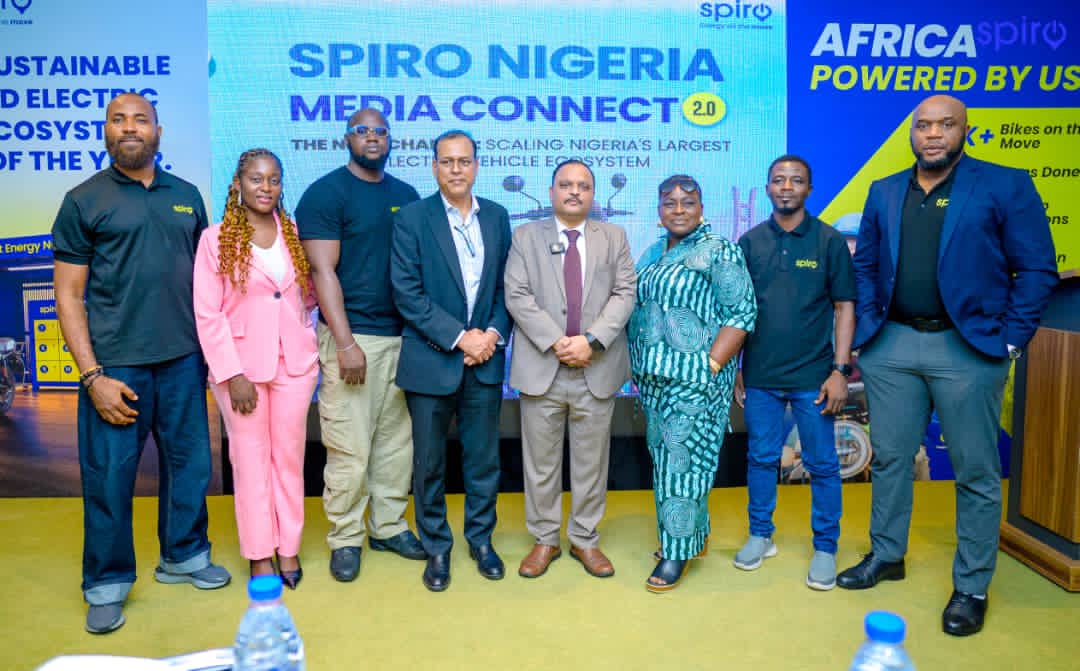
The company unveiled the growth strategy at the second edition of its Media Connect event in Lagos, where it formally introduced its new Country Head and Managing Director, Mr Prasad Sane, who will lead its operations and expansion drive in the country.
Sane said Spiro would consolidate its presence in Lagos, Ogun and Oyo states while exploring opportunities to extend its operations to additional markets, as it seeks to accelerate Nigeria’s transition to cleaner and more sustainable transportation.
The event brought together journalists covering business, technology, mobility and sustainability to discuss the company’s progress, infrastructure development and long-term ambitions for Nigeria’s electric mobility market.
Addressing the gathering, Sane said the company was moving beyond the deployment of electric motorcycles to building an integrated mobility ecosystem designed to improve riders’ earnings, reduce operating costs and create economic opportunities.
“Today is about progress, partnership and purpose. A year ago, we shared our vision for electric mobility in Nigeria. Today, we are demonstrating tangible results and a clear path forward,” he said.
He added that his mandate was to make Spiro one of the most trusted, affordable and accessible electric mobility solutions for Nigerians, beginning with its existing focus markets.
“My mandate is simple: to make Spiro the most trusted, affordable and accessible electric mobility solution for Nigerians, beginning with Lagos, Ogun and Oyo states.
“We are moving beyond electric bikes to build a complete ecosystem centred on our promise of ‘Energy on the Move’,” Sane stated.
A major pillar of the company’s strategy is its battery-swapping technology, which allows riders to exchange depleted batteries for fully charged ones in under a minute, reducing downtime and eliminating the need to wait for conventional recharging.
According to Sane, the model offers riders an alternative to rising fuel and maintenance costs while supporting efforts to reduce carbon emissions and improve the economics of commercial motorcycle operations.
“Electric mobility is no longer the future. It is the present, and Nigeria is poised to lead the transition,” he said.
Under its expansion plan, Spiro intends to accelerate the deployment of battery-swapping stations and service centres across Lagos, Ogun and Oyo states to improve accessibility, operational efficiency and customer support.
The company also plans to extend its geographical reach beyond the three states, bringing its electric motorcycles and related services to more Nigerian markets.
Another priority is strengthening partnerships with financial institutions, logistics companies and rider communities to improve access to electric motorcycles and its Battery-as-a-Service solutions.
The approach is expected to support wider adoption by riders who may face financial barriers to acquiring electric motorcycles outright, while helping businesses explore cleaner and potentially more cost-effective transportation options.
Spiro also plans to scale up local assembly operations, technical training and after-sales support, with a focus on creating employment opportunities, particularly for young Nigerians and women.
The company said the measures would help strengthen its operational capacity while developing local skills and supporting the growth of Nigeria’s electric mobility ecosystem.
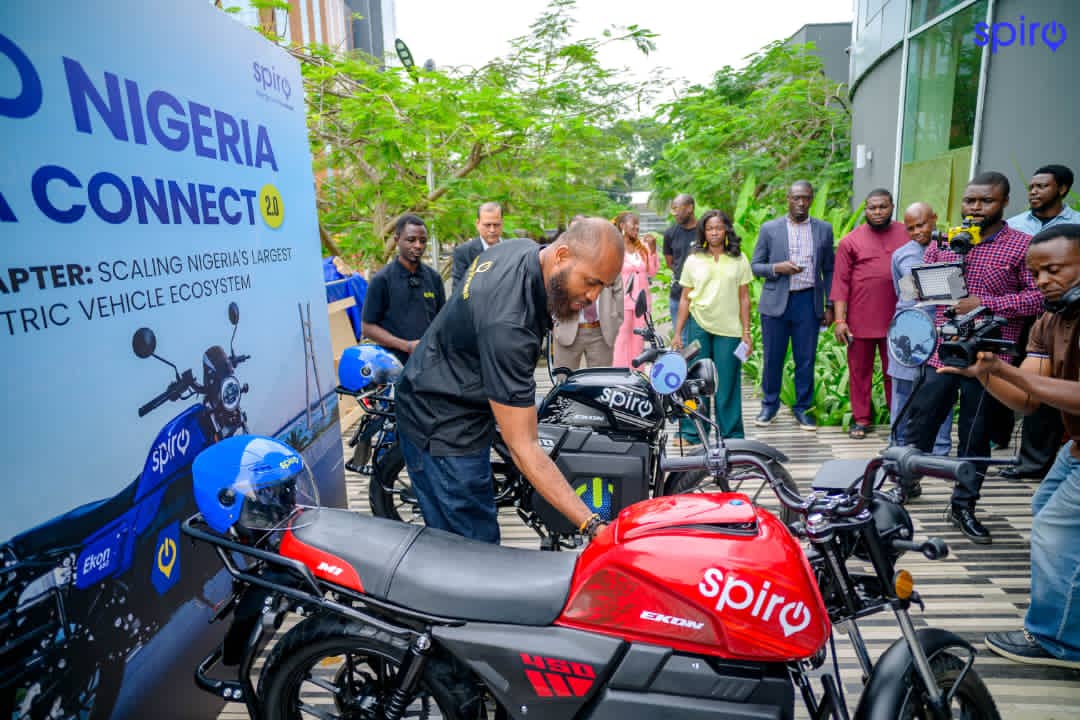
The Media Connect event featured live product demonstrations and operational showcases, alongside the unveiling of the Spiro Ekon M1 Version 3, highlighting the company’s efforts to develop its electric motorcycle offerings for the Nigerian market.
Spiro, which received the West Africa Sustainable Award (WASA), is positioning its expansion around electric motorcycles and battery-swapping infrastructure as it seeks to contribute to the growth of sustainable mobility across Nigeria.
Auto
Jetour W Motors Celebrates Customers, Unveils Nigeria Owners Club After Brazil Promo
Jetour W Motors Celebrates Customers, Unveils Nigeria Owners Club After Brazil Promo
Jetour W Motors Nigeria is stepping up efforts to strengthen customer loyalty and build a vibrant community of vehicle owners with the successful conclusion of its #WinYourWayToBrazil campaign and the official establishment of the Jetour Nigeria Club.
The twin initiatives mark a new phase in the Chinese automotive brand’s engagement with Nigerian customers, extending its relationship with vehicle owners beyond sales and after-sales services to include shared experiences, lifestyle activities, adventures and community-building programmes.
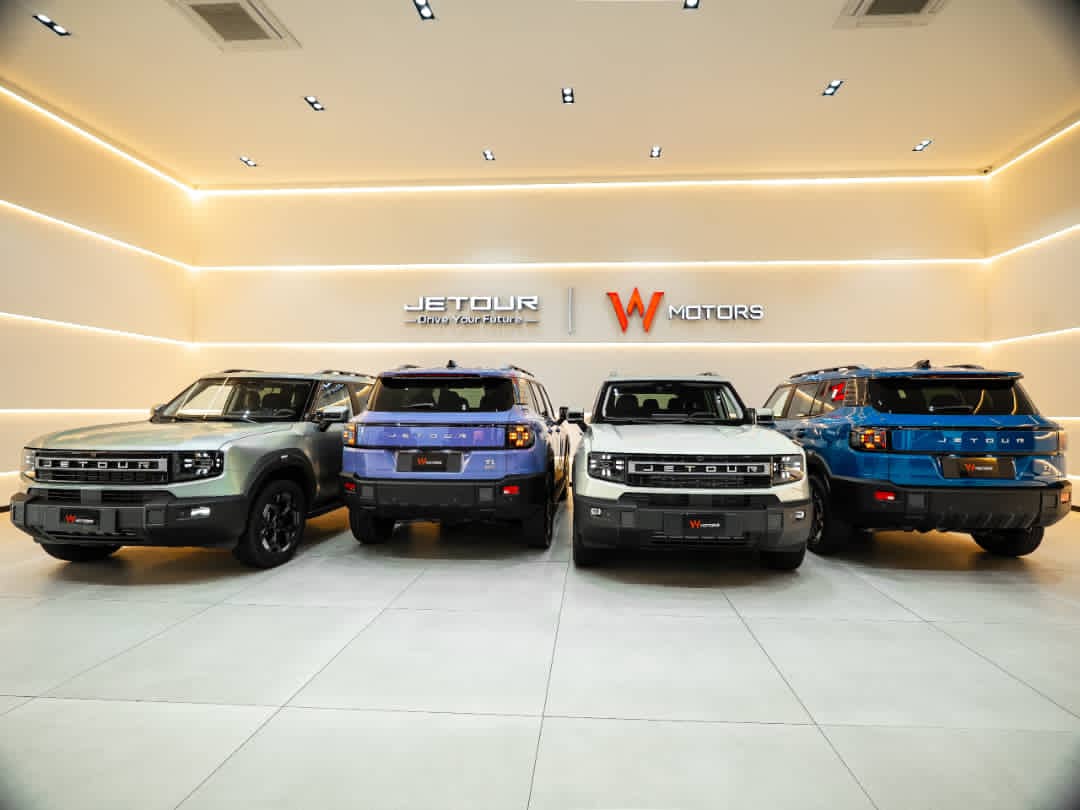
The campaign climaxed with a live raffle draw on Friday, September 25, 2026, at the Jetour W Motors showroom on Adeyemo Alakija Street, Victoria Island, Lagos, where eligible customers gathered for an evening of entertainment, refreshments, networking and the eagerly anticipated announcement of the winner.
The promotion offered customers who ordered and purchased any Jetour vehicle between August 18 and September 20, 2026, the opportunity to win a trip to Brazil for the Jetour Brazil Fan Festival.
The event also featured the distribution of branded Jetour Owners Club gifts, adding to the celebratory atmosphere as customers interacted with one another and members of the Jetour team.
Beyond the excitement surrounding the raffle draw, the occasion provided a platform for Jetour W Motors to unveil the Jetour Nigeria Club, an initiative designed to bring owners of the brand’s vehicles together through a structured calendar of activities and shared experiences.
The club, officially established for the first time in Nigeria, is expected to create opportunities for members to participate in organised adventures, social gatherings and other community initiatives while strengthening their connection with the brand.
Registration for membership will open soon, with all Jetour owners invited to join the emerging community.
The development reinforces Jetour W Motors Nigeria’s strategy of building lasting relationships with customers in a competitive automotive market where ownership experience, customer engagement and brand loyalty are becoming increasingly important.
The #WinYourWayToBrazil campaign follows the successful Jetour Africa Expedition — Nigeria Edition, which brought together Jetour owners, influencers, media professionals and members of the company’s team for a distinctive experience combining driving, adventure and Nigerian culture.
The expedition was the brand’s first major activation specifically designed to bring Jetour owners together in Nigeria, providing an opportunity for participants to connect beyond their individual vehicle ownership experiences.
With the Brazil campaign and the launch of the national owners’ club, Jetour W Motors is building on that foundation by creating more opportunities for customers to interact, participate in brand-led activities and develop relationships with fellow owners.
The approach reflects a broader effort to position vehicle ownership as an experience that extends beyond the showroom, encompassing lifestyle, recreation and a sense of belonging to a growing community.
Jetour W Motors Nigeria is the authorised distributor of Jetour vehicles in the Nigerian market, where the brand continues to expand its presence through customer-focused initiatives and engagement programmes.
The planned opening of membership registration for the Jetour Nigeria Club is expected to provide the next opportunity for owners to become part of the community and participate in activities designed to deepen their connection with the brand.
Auto
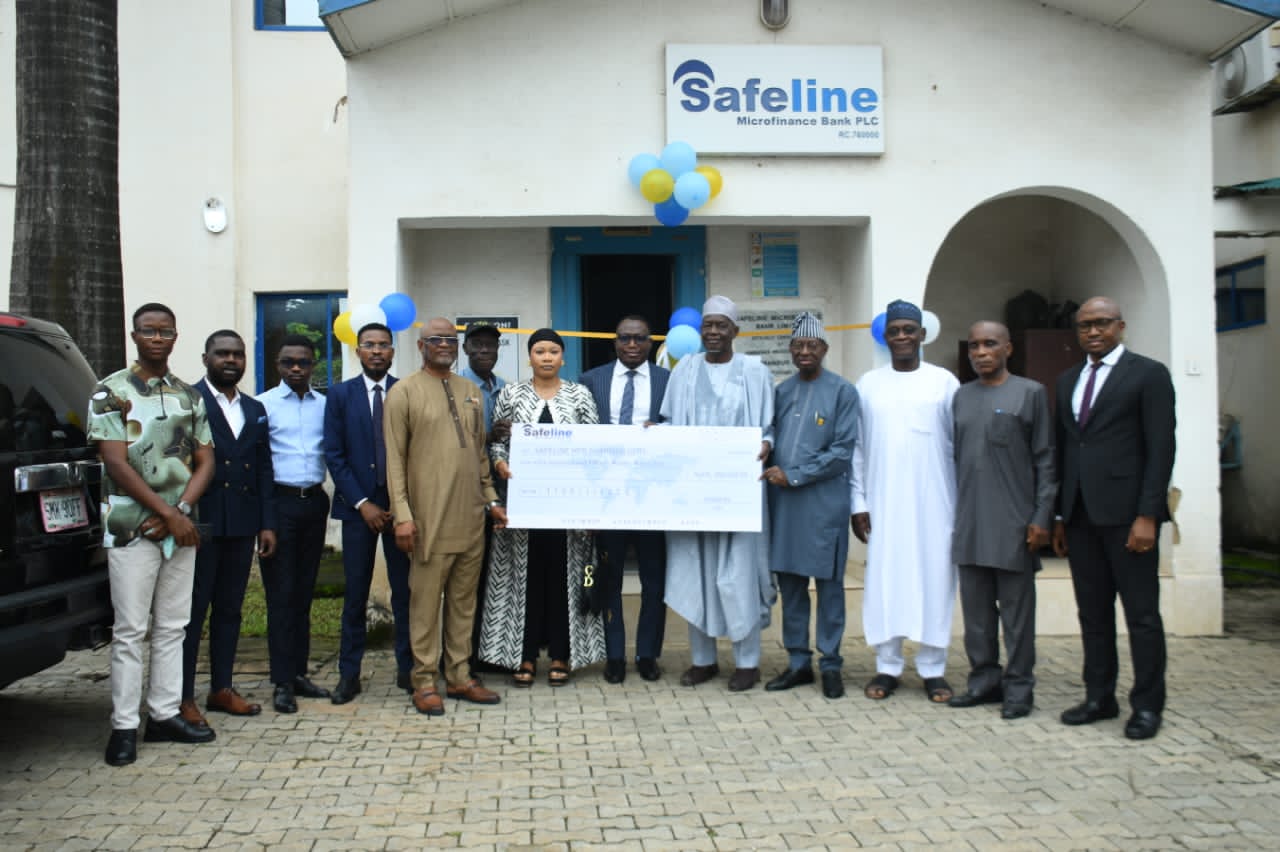
FRSC hands over Safeline Bank to ROBOPAY, targets digital financial transformation
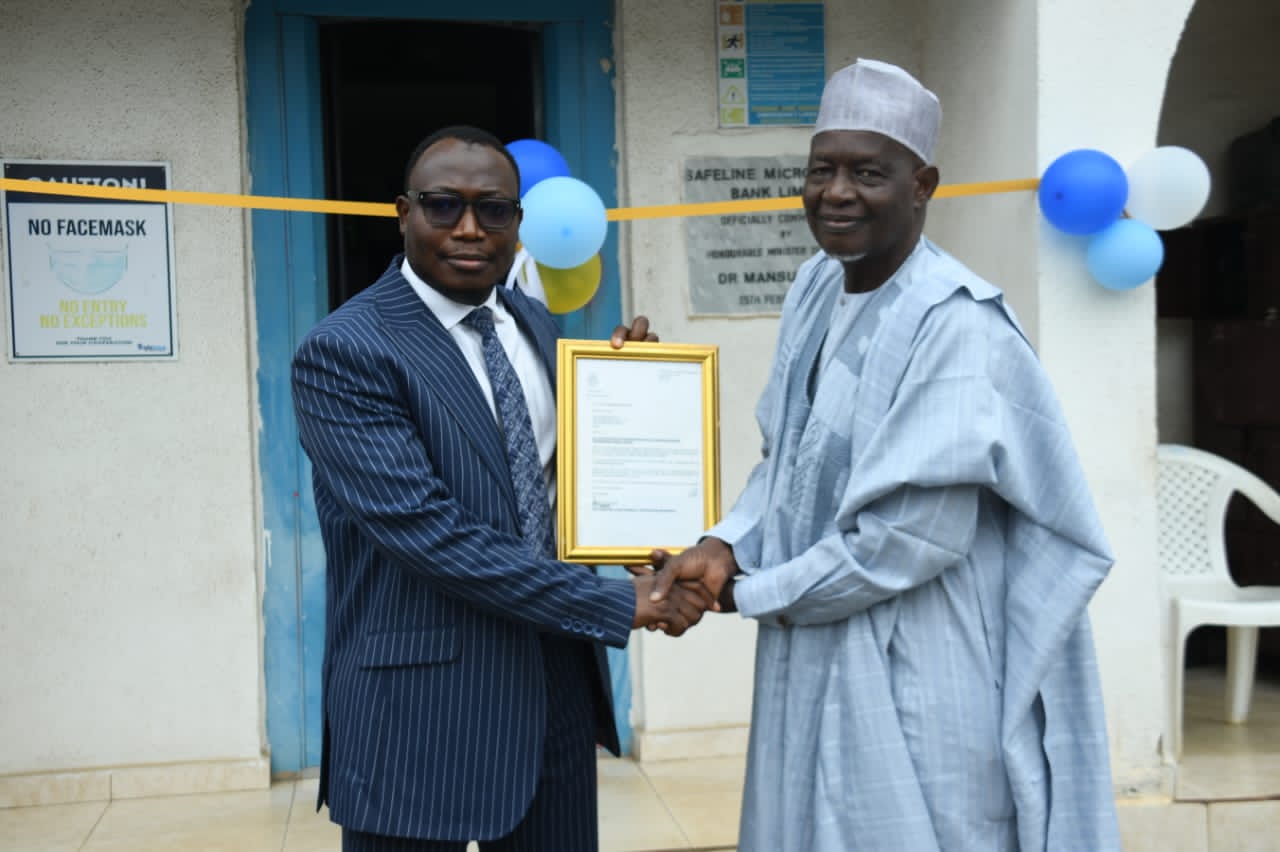
FRSC hands over Safeline Bank to ROBOPAY, targets digital financial transformation
The Federal Road Safety Corps (FRSC) has handed over ownership of Safeline Microfinance Bank to ROBOPAY NIG. LTD., paving the way for a major recapitalisation and technology-driven transformation of the financial institution.
The divestment, which took place on Monday, October 5, 2026, at the bank’s premises in Abuja, is expected to reposition Safeline Microfinance Bank for stronger competitiveness, improved service delivery and sustainable growth in Nigeria’s rapidly evolving financial services sector.
The development, according to a statement by the Corps Public Education Officer, Osondu Ohaeri, is part of the strategic efforts under the leadership of the Corps Marshal, Shehu Mohammed, to reposition the institution for greater efficiency and competitiveness.
Safeline Microfinance Bank was established by the FRSC to provide financial services and opportunities to members of the Corps and other stakeholders.
Speaking at the handover ceremony, Chairman of the Board of Safeline Microfinance Bank, Ibrahim Babagana, a Deputy Corps Marshal (Rtd.), said the decision to divest the bank followed a careful assessment of the prevailing regulatory environment and emerging government policies affecting the microfinance banking industry.
Babagana said sustaining the bank under the changing financial landscape would require substantial additional capital, greater investment in technology and enhanced human capital.
He explained that the Board therefore resolved to transfer ownership to an investor with the capacity, resources and commitment to make the required investments and place the bank on a sustainable growth trajectory.
The former FRSC chief expressed confidence in ROBOPAY, saying the company had demonstrated the competence, commitment and vision required to build on the foundation established by the Corps and take Safeline Microfinance Bank to a new level.
He identified strengthening the bank’s capital base, deploying modern technology and investing in human resources as critical priorities for its survival and competitiveness in the increasingly digital financial services market.
Responding on behalf of ROBOPAY NIG. LTD, Malam Aliyu Abiodun thanked the Board and management of Safeline Microfinance Bank for the confidence reposed in the company, describing the acquisition as a significant milestone and an opportunity to unlock the institution’s considerable potential.
Abiodun said the bank already had valuable assets, structures and an institutional foundation which the new owners would build upon through strategic investments in financial technology, capital and human resources.
He said ROBOPAY would deploy FinTech solutions to modernise the bank’s operations, improve customer experience, expand its service offerings and strengthen its competitive position within Nigeria’s financial services industry.
According to him, the new ownership would retain and leverage the institutional foundation created by the FRSC while introducing innovative technology-driven solutions capable of opening new growth opportunities for the bank.
The transaction thus signals more than a change in ownership, as it ushers Safeline Microfinance Bank into a new phase anchored on recapitalisation, digital innovation and professionalised financial services.
Both parties expressed commitment to ensuring a seamless transition, with the ultimate objective of building a stronger, more competitive and sustainable institution capable of delivering greater value to its customers and stakeholders.
-
 metro2 days ago
[UPDATED] 20 NYSC Prospective Corps Members Freed After Seven Days in Captivity
-

 Politics3 days ago
‘No Decent Wages, No Credible Elections’ — Sowore Threatens 2027 Boycott
-

 metro3 days ago
Seven Years With Parkinson’s: Man Seeks N65m for Brain Surgery in Türkiye
-

 Politics3 days ago
2027: Obi Makes U-Turn, Vows to Restore Fuel Subsidy If Elected
-
 Africa1 day ago
FBI Raids Ghana Scam Centre, Detains Over 130 in $10m Fraud Probe
-

 metro2 days ago
Yayi, Adebule, Muslim Leaders, Others for Imodi-Ijebu Turbaning, ₦1bn Fundraiser
-
 metro2 days ago
EFCC Re-Arraigns Two Over Alleged £110,000 Money Laundering, ₦500m Fraud
-

 Politics3 days ago
2027: Galadima Alleges APC Offering N50m, N200m to Lawmakers to Step Aside