

News
Only 9% of miliraty budget spent on weapons – Gbajabiamila
- DHQ: Nigeria needs N826bn annually to fund armed forces
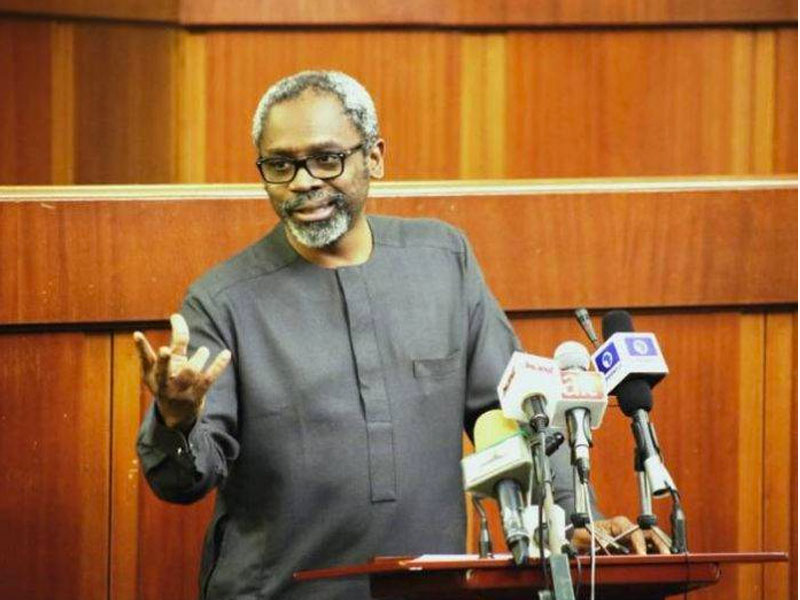
Speaker of the House of Representatives, Femi Gbajabiamila, says only nine per cent of the total budget of the military is spent on weapons.
He stated this at a public hearing on the Armed Forces Support Trust Fund (Establishment) Bill, organised by the House Committee on Defence on Monday in Abuja.
This came as the Defence Headquarters said Nigeria would need $2bn (about N826bn) annually to fund its armed forces to effectively combat the daunting challenges of insecurity facing the country.
This disclosure also came on Monday just it was revealed that some members of the Armed Forces currently engaged in the fight against insurgency and other criminal act are lobbying to be redeployed from the area where they are posted as a result of poor welfare.
Gbajabiamila said that appropriation records showed that about 91 per cent of the current funding of the Armed Forces was spent on recurrent overhead, salaries and welfare.
“This bill seeks to provide an injection of additional capital funding for the Armed Forces of Nigeria at a crucial time in our nation.
“I am sure many of you will wonder why the Armed Forces of Nigeria need an additional financial injection at this time.
“The fact based on appropriation records is that about 91 per cent of the current funding to the Armed Forces go on recurrent overhead, salaries and welfare, leaving only nine per cent for capital purchases.
“This reality has prompted this 9th House of Representatives to seek a way of providing funds that will be focused on the capital needs and training of our Armed Forces,’’ he said.
Gbajabiamila said that the importance of the bill is evidenced by the dwindling resources available to the Armed Forces to prosecute the various security operations it is involved in.
Gbajabiamila said that Nigeria’s expenditure on military hardware and training in the last five years was between nine per cent and 11 per cent of the budgetary allocation to the military.
He said that it was incapable of empowering the military to face the security challenges in the country especially the insurgency in the North-East.
Gbajabiamila said that to succeed in the fight against insecurity, the military would need more funding for modern weapons and training.
He said, “Nigeria is at war against insurgency, terrorism, kidnapping and all manner of insecurity; hence the need to uplift the resources available to our armed services to enable them procure the best tools to help win this war.
“So, what we seek to do in this bill is not new or unique to us as a nation; the solution to our security challenges requires asymmetric actions across many policy areas. This is what we have tried to do as the representatives of the people.
“The concept of a trust fund already exists for the Nigerian Police; it only makes sense to also bolster our military capability as well through this unique vehicle.”
Chairman, House, House Committee on Defence, Rep. Benson Babajimi (APC-Lagos) said that the bill sought to explore alternative sources of funding for the military.
Meanwhile, Director of Production, Defence Headquarters, Air Vice Marshal M. A. Yakubu, who spoke at the public hearing said even the sources of funding specified in the bill would be inadequate to tackle the problem.
He said the projection for funding in the Bill is estimated at about N100bn per year.
When established, the Support Trust Fund is expected to draw funds from one per cent of the total money accruing to the federation account; 0.5 per cent of the profit made from the investment of the National Sovereign Wealth Fund (NSWF) by the Nigerian Sovereign Investment, one percent of Value Added Tax (VAT) remitted to the Consolidated Revenue Fund (CRF) as well as any take-off grant and special intervention fund as may be provided by the Federal Government, states and local governments of the Federation.
It will also draw funds from one percent of the air ticket contract, charter and cargo sales charge to be collected by the airlines and paid to the support fund; Aids, grant and all assistance from international agencies, nongovernmental organizations and the private sectors; and Money derived from investments made by the Support Fund.
But AVM Yakubu said this will still be inadequate, saying “I have been a defence attaché in the United States of America from 2014 to 2017. I have been a Director of Procurement at the headquarters of the Nigerian Airforce for another two years.
“I have been a chief of logistics also at the headquarters Nigerian Airforce for another two years. So I am fully conversant with what it takes to run the affairs of a fighting Airforce.
“I also understand the limitations we have in Nigeria and what it should have been. I want you to understand how large is this problem we are trying to address before I make my point.”






News
Remi Tinubu Appeals To South-East Voters, Says She Wants To ‘Enjoy Nigeria’ In Old Age
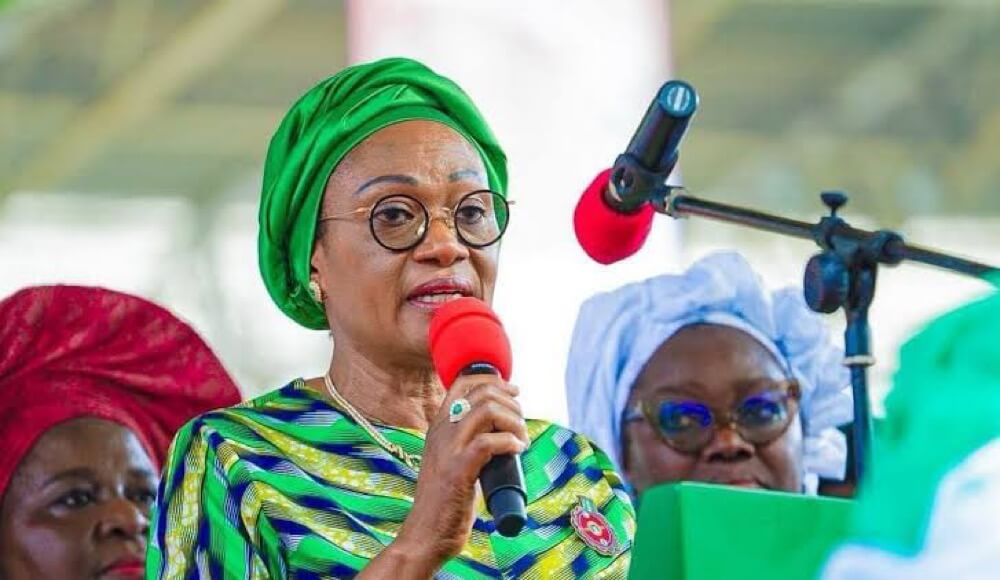
First Lady Oluremi Tinubu has taken her husband’s 2027 re-election campaign message to the South-East, asking voters in the region to support President Bola Tinubu for another term.
Speaking at a women’s empowerment programme in Owerri, Imo State, Mrs Tinubu said her support for the President’s second-term bid was partly driven by her desire to see Nigeria become a better place in her later years.
Addressing the women in Pidgin English, she said:
“Make una vote for Mr President, we go work for una and Nigeria go better.”
She went on to say she wanted to “enjoy Nigeria at old age” and would therefore continue working towards improving the country.
The event was part of a nationwide empowerment programme being implemented through the Office of the Senior Special Assistant to the President on Sustainable Development Goals.
The initiative is designed to reach 18,500 women across the country, with beneficiaries receiving equipment intended to help them establish or expand small businesses.
In the five South-East states, 500 women per state were provided with items including generators, grinding machines, gas cylinders and industrial ovens.
Imo received an additional boost after Governor Hope Uzodimma sponsored equipment for another 2,000 women. This brought the total number of beneficiaries in the state to 2,500.
Mrs Tinubu subsequently announced a ₦100,000 grant for each beneficiary who attended the event.
The First Lady’s political appeal comes as the race for the 2027 presidency gradually takes shape, with President Tinubu seeking to retain his position after winning the 2023 election.
Tinubu defeated Atiku Abubakar and Peter Obi in the 2023 contest, securing 8,794,726 votes. Atiku, then the Peoples Democratic Party candidate, received 6,984,520 votes, while Obi, who contested on the Labour Party platform, polled 6,101,533 votes.
The political landscape has since changed, with Atiku now flying the African Democratic Congress flag and Obi contesting under the Nigeria Democratic Congress.
Tinubu’s administration has spent much of its first term pursuing major economic changes, most notably the removal of the petrol subsidy, reforms to the foreign exchange market and changes to the tax system.
While the government has defended the measures as necessary for long-term economic recovery, they have also generated considerable public criticism over their immediate effects on Nigerians.
Rising food and transport costs, inflation, the depreciation of the naira and insecurity remain among the issues likely to shape public opinion ahead of the 2027 election.
With the presidential contest drawing closer, Mrs Tinubu’s appeal in the South-East signals the administration’s efforts to court support in a region where the political contest is expected to be closely watched.
International
Truly Depraved Rapist Jailed for 17 Years After Violent Attack on Woman
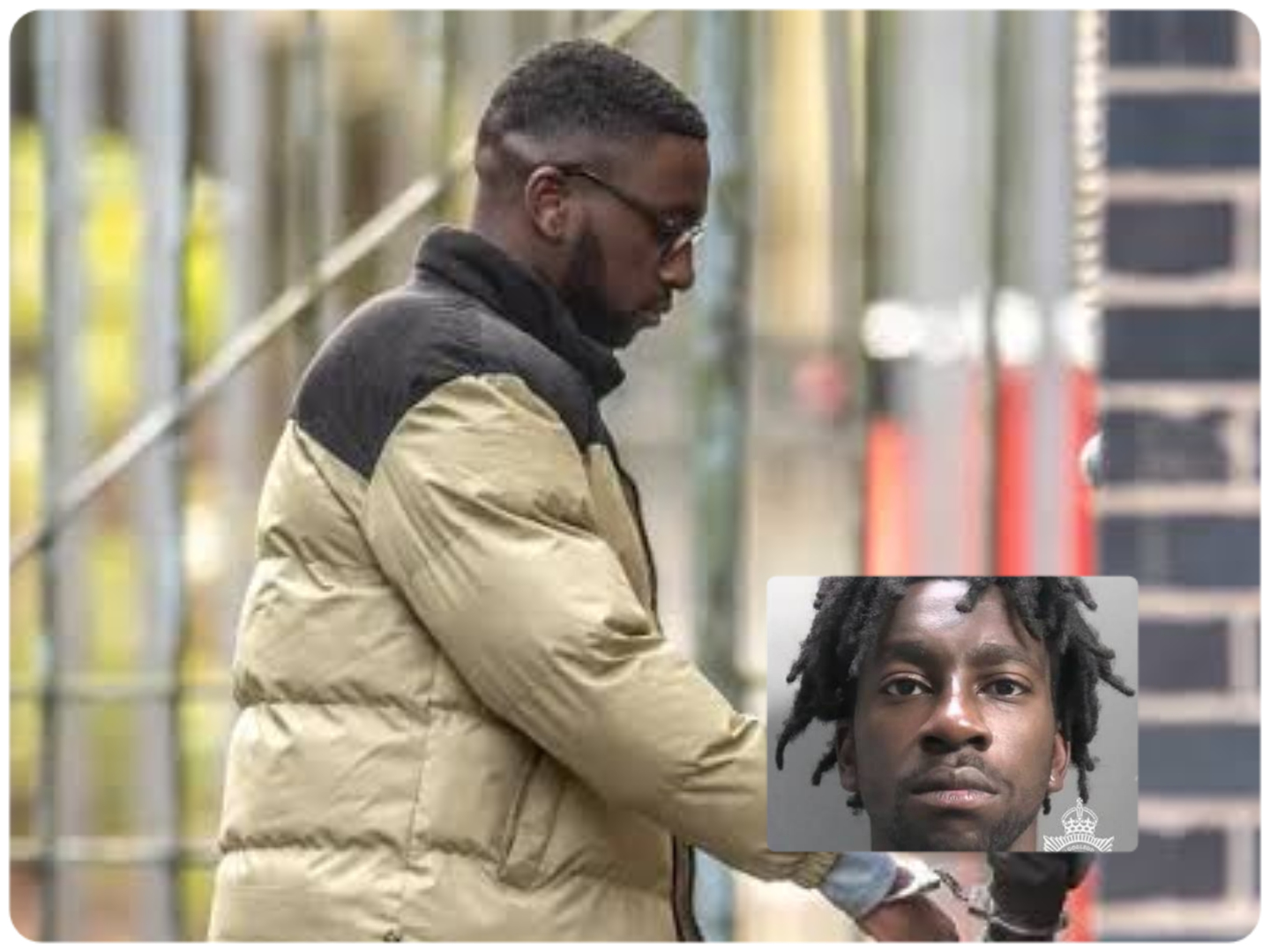
A 24-year-old Nigerian national, Gift Oladele, dragged a young woman into woodland and violently raped her has been jailed for 17 years after a judge described his actions as “truly depraved”.
Gift Oladele carried out the attack in Wrexham, North Wales, in September last year after approaching the victim, who was 19 at the time, as she walked home from a night out.
Oladele was convicted of rape and sexual assault at Mold Crown Court in March. He was sentenced on Thursday.
How the Attack Happened
The court heard that Oladele approached the woman and her friends outside a takeaway in Wrexham city centre. He initially appeared friendly and flirtatious before offering to walk home with her.
According to prosecutor James Coutts, Oladele accompanied the woman until they reached an isolated area, where he grabbed her by the mouth and forced her into the woods.
He then carried out a violent rape.
“She described being terrified,” Coutts told the court. “She did what she thought she needed to do to get through the attack.”
Oladele threatened to find and harm the victim if she reported the rape. He also threatened to take photographs of her and post them online.
Despite the threats, the woman returned home and immediately told her parents, who contacted the police.
Oladele was arrested the following day at his cousin’s home in Wrexham. Officers said he had attempted to hide a mobile phone, which contained searches relating to sexual attacks.
The court heard that Oladele had a “fascination in forced sexual abuse and rape” and that he appeared to be acting out a fantasy shown in the videos he had searched for.
Victim Describes Lasting Trauma
In a victim impact statement, the woman told the court that she continued to wake up from nightmares in which Oladele had tracked her down.
“I’m petrified,” she said.
She also described taking medication to prevent HIV infection after the assault and suffering long-term emotional and psychological effects.
“I feel ashamed, and somehow damaged, since what he did to me,” she said.
“The emotional impact has been very significant.
“I can’t go anywhere on my own anymore.
“I feel unsafe.”
Judge Simon Mills praised the woman for her courage during and after the attack.
“You showed exceptional courage during the incident and afterwards,” he told her.
Previous Conviction and Deportation Appeal
At the time of the Wrexham attack, Oladele was already on bail over another rape allegation in Manchester dating from November 2024.
He had also been jailed in 2022 for a sexually motivated attack.
The court heard that Oladele was later due to be deported to Nigeria but successfully challenged the decision on human rights grounds.
An immigration tribunal judge described the deportation case as “finely balanced”, acknowledging the seriousness of Oladele’s previous offence and the public interest in deporting foreign criminals.
However, the tribunal also considered his ties to the United Kingdom, where he had grown up, and the consequences of relocating to Nigeria.
The Home Office made two attempts to appeal the decision, but both appeals were rejected.
Judge Calls Defendant Dangerous
During sentencing, The Judge described Oladele’s actions as “truly depraved”.
“You subjected her to a terrible violation,” he said.
“You are a dangerous offender.”
The judge said Oladele posed an exceptionally high risk of harm to young women and had shown “absolutely no remorse whatsoever”.
The Home Office described the case as horrific and said Oladele’s imprisonment was the right outcome.
The victim’s account has highlighted not only the brutality of the attack but also the lasting fear and emotional damage that sexual violence can cause long after the offender has been convicted.
News
Missing Billions: Lawmakers Summon NNPCL and 146 Marketers Over ₦432bn Downstream Debt
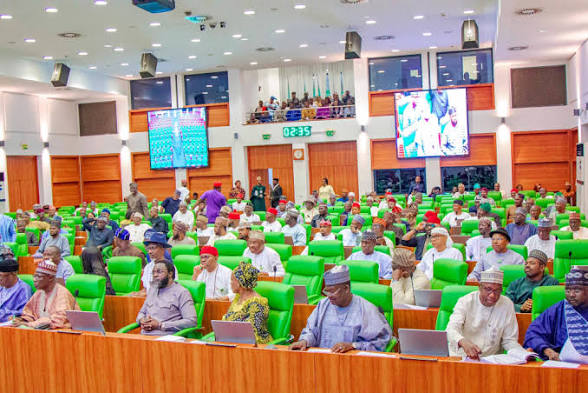
Nigeria’s federal lawmakers are putting the downstream energy sector under the microscope after audit records revealed that state oil firm NNPCL and private fuel marketers have piled up at least ₦432 billion in unpaid regulatory obligations.
The House of Representatives Public Accounts Committee (PAC) confirmed the formal probe this week, following persistent warnings raised in the Auditor-General’s 2023 and 2024 annual reports.
Regulatory Levies Left Unpaid
The mountain of debt has accumulated over a six-year period from 2017 to 2023, remaining largely uncollected despite the country’s tight fiscal squeeze.
READ ALSO:
Cheap Alcohol Fuels Banditry NAFDAC Chief Stands Firm on Sachet Ban
Fresh Blackout Hits Abuja as Apo Substation Transformer Trips
More Than 1,000 Migrants Rescued Off West Africa in One Week
The liabilities consist of statutory fees meant to fund national energy infrastructure, including the 1% Midstream and Downstream Gas Infrastructure Fund, National Transport Average fees, Balancing Allowances, and lingering credit balances from import and coastal operations.
Audit records track a steep rise in default:
- The 2023 audit initially captured ₦392 billion in total arrears, with NNPCL carrying over ₦162 billion and commercial marketers responsible for ₦230 billion.
- The 2024 report revealed that private marketer debt alone had swelled to ₦432 billion, separate from state-owned NNPCL liabilities.
- Regulatory data from the NMDPRA confirms that 146 companies affiliated with DAPPMAN and MEMAN owed ₦327 billion by 2025.
No Hiding Place for Defaulters
PAC Chairman, Rep. Bamidele Salam, made it clear that parliament expects compliance from corporate leaders, issuing a firm directive against corporate stonewalling.
Salam emphasized that the committee will scrutinize why statutory revenues were permitted to sit idle without vigorous enforcement from the NMDPRA. Defaulters will be forced to present audit trails detailing every transaction, outstanding balances, and proof of any remittances made to date.
For lawmakers, the objective is unambiguous: plug commercial leakages, enforce fiscal discipline, and recover every outstanding naira owed to the federation.
-
 metro2 days ago
El-Rufai Demands ₦10bn from Defence Minister Over Southern Kaduna Killings Allegation
-

 News2 days ago
Lagos Moves to Slash Agency Fees, Curb Rent Hikes With New Tenancy Bill
-
 metro3 days ago
Oyoland Grand Chief Imam Celebrates Dr Sharafudeen Raji for Service to Islam
-

 Politics2 days ago
Why Did Peter Obi Attend Seyi Makinde’s Campaign Launch? Here’s What He Said
-
 metro2 days ago
Catholic priest leaves priesthood, weds Kenyan woman after 12 years in Kenya
-

 Politics2 days ago
JUST IN: Tension in Benue as Suspected Thugs Attack Peter Obi’s Convoy, Block Access
-

 Business3 days ago
After two decades, Tinubu approves Cabotage fund for Nigerian shipowners
-
 metro2 days ago
Osun Police Arrest Woman After Vigilante Member Dies During Sexual Encounter in Ile-Ife