

News
Oshiomhole: FCCPC summons Air Peace over flight cancellations, unpaid refunds

Oshiomhole: FCCPC summons Air Peace over flight cancellations, unpaid refunds
The Federal Competition and Consumer Protection Commission (FCCPC) has summoned the management of Air Peace Limited following multiple complaints from passengers regarding non-refunded ticket fares, even in cases where the airline cancelled scheduled flights.
In a formal notice dated June 3, 2025, the Commission directed Air Peace to appear at its Abuja headquarters on Monday, June 23, 2025, to answer mounting public outrage and charges of consumer rights breaches.
On Monday in Abuja, Ondaje Ijagwu, Director of Corporate Affairs, issued a statement revealing the decision.
Ijagwu claimed that the airline’s actions violated Sections 130(1)(a) and (b) as well as 130(2)(b) of the Federal Competition and Consumer Protection Act 2018, which provide consumers the right to quick refunds when bookings or reservations are not honoured owing to a service provider’s failure.
He added that the summons was issued pursuant to Sections 32 and 33 of the Act, which require Air Peace to submit certain documented evidence.
This comprises a complaint log of refund-related issues over the last 12 months, records of all processed refunds to date, a list of all cancelled flights on all routes during the same time period, and steps done to alleviate hardship for impacted passengers.
READ ALSO:
- Yahoo boys now venturing into banditry, kidnapping – EFCC boss
- Tinubu goes to Benue, reschedules Kaduna visit
- Appeal court overturns forfeiture of Emefiele’s properties
The statement read: “The Federal Competition and Consumer Protection Commission has summoned the management of Air Peace Limited over a deluge of consumer complaints from across the country relating to the non-refund of ticket fares, even in instances where the airline had cancelled its flight operations.
“These actions potentially contravene Sections 130(1)(a) and (b) and 130(2)(b) of the Federal Competition and Consumer Protection Act 2018, which expressly guarantee consumers the right to timely refunds where advance bookings, reservations, or orders are unfulfilled due to a service provider’s failure. This provision enshrines the principle of fair dealing and safeguards consumers against unfair, unjust, or unreasonable practices by service providers.
“In a formal summons dated June 13, 2025, the Commission, invoking Sections 32 and 33 of the Federal Competition and Consumer Protection Act 2018, requires Air Peace to appear before the Commission at its Abuja Headquarters on Monday, June 23, 2025.
“Specifically, Section 33(3) of the FCCPA mandates compliance, and failure attracts severe sanctions, including fines or imprisonment.”
Although not stated in the statement, the summons comes only days after Senator Adams Oshiomhole and Air Peace staff were involved in a dispute over suspected extortion of Nigerian passengers.
The senator stated that he missed a flight due to airline executives’ racketeering. While Air Peace claimed that Oshiomhole arrived late at the airport, the senator insisted that he, along with other angry passengers, saw workers boarding passengers who arrived later.
Oshiomhole claimed that 20 to 30 other customers were treated similarly, with airline workers allegedly seeking an extra N109,100 to reschedule them for an 8:30 a.m. flight.
Oshiomhole: FCCPC summons Air Peace over flight cancellations, unpaid refunds









Education
Oyo Muslim Leaders Receive Saudi Delegation, Intensify Drive for Muslim College of Nursing

Oyo Muslim Leaders Receive Saudi Delegation, Intensify Drive for Muslim College of Nursing
OYO, August 1, 2026 – Muslim leaders in Oyo Kingdom on Saturday received a high-powered delegation from the Kingdom of Saudi Arabia in a visit that underscored growing collaboration in education, healthcare and Islamic development, with renewed commitment towards the establishment of a Muslim College of Nursing in Oyo.
The delegation was accorded a warm reception at a gathering attended by prominent Islamic scholars and community leaders from Oyo Land.
Among the dignitaries present were the Grand Chief Imam of Oyo Land, Fadhilatu Shaykh Imam Bilaal Husayn Akinola Akeugberu; Ash-Shaykh Sulayman Akhyar, who served as the special guest; Ash-Shaykh Mainasaro, the Ameerul Muslimeen; the Aare Musulumi of Oyo Land, Alhaji Adebayo Kamarise; the Chairman of the Muslim Community of Oyo Land; Khalifa Hasbunallah Al-Oyowiyy; and several other religious leaders and stakeholders.
The gathering focused on mobilising support for the proposed Muslim College of Nursing, an initiative aimed at expanding access to quality healthcare education while promoting excellence in professional training within the Muslim community.
In his welcome address, the Grand Chief Imam of Oyo Land, Shaykh Bilaal Husayn Akinola Akeugberu, expressed appreciation to the Saudi delegation and other distinguished guests for identifying with the vision of establishing the institution. He described the proposed college as a strategic investment in human capital development that would benefit not only Muslims but the wider society.
READ ALSO:
- FRSC Pledges Robust Safety Measures as Nigeria Accelerates EV, CNG Mobility Drive
- Naming Atiku as My Running Mate in 1999 My Biggest Political Error – Obasanjo
- Woman Strangles Co-wife’s 3-Year-Old Daughter to Death in Kwara
Also present at the event were the Muslim Ummah of Oyo Land and Fadhilatu Shaykh Dr. Rofeeu Adisa Ballo, who joined other leaders in reaffirming their commitment to ensuring the successful establishment and growth of the proposed college.
Speakers at the event stressed the importance of strengthening educational and healthcare institutions capable of producing highly skilled professionals while nurturing moral and ethical values rooted in Islamic teachings.
Special prayers were offered for the success of the proposed institution, with participants praying that Almighty Allah bless the sponsors, donors, scholars and all individuals contributing to the realisation of the project.
The visit also featured discussions on strengthening the longstanding relationship between the Muslim community in Oyo Kingdom and the Kingdom of Saudi Arabia. Participants emphasised the need for sustained cooperation in religious, educational and humanitarian programmes aimed at advancing the welfare of the Muslim Ummah.
In a symbolic gesture that drew commendation from attendees, the Grand Chief Imam granted approval for the head of the Saudi delegation to lead the Jumu’ah prayer at the Oyo Central Mosque, Akesan.
The honour, according to participants, reflected the spirit of Islamic brotherhood, mutual respect and unity among Muslims across national boundaries.
Addressing the gathering, the Chief Imam reiterated that Islam encourages peace, dialogue and cooperation among believers, urging Muslim communities around the world to work together in promoting justice, harmony and understanding.
He said such partnerships remain essential to addressing contemporary challenges through education, religious enlightenment and community development.
Responding on behalf of the delegation, its leader expressed gratitude to the Chief Imam, traditional Muslim leadership and the people of Oyo for the warm reception accorded the visitors.
He described the opportunity to lead the Jumu’ah prayer as a great honour and reaffirmed Saudi Arabia’s commitment to strengthening religious cooperation and supporting initiatives that promote peace, unity, education and mutual understanding among Muslims.
The delegation noted that collaborations centred on education and healthcare development would contribute significantly to the growth of Muslim communities and the overall advancement of society.
The event concluded with prayers for enduring peace, stability and prosperity in Nigeria, Saudi Arabia and the global Muslim Ummah.
Participants described the visit as a landmark engagement that not only reinforced the bonds of brotherhood between Oyo Muslims and their Saudi counterparts but also provided renewed momentum for the actualisation of the Muslim College of Nursing, which they said would serve generations of students and healthcare professionals.
Oyo Muslim Leaders Receive Saudi Delegation, Intensify Drive for Muslim College of Nursing
News
CJN orders lawyers to stop using ‘Barrister’ before their names

News
FG to phase out electricity subsidy from 2027 as power sector debts rise
FG to phase out electricity subsidy from 2027 as power sector debts rise
The Federal Government has announced plans to gradually phase out electricity subsidies from 2027 as part of efforts to address rising debts in the power sector, improve financial sustainability and strengthen electricity supply across the country.
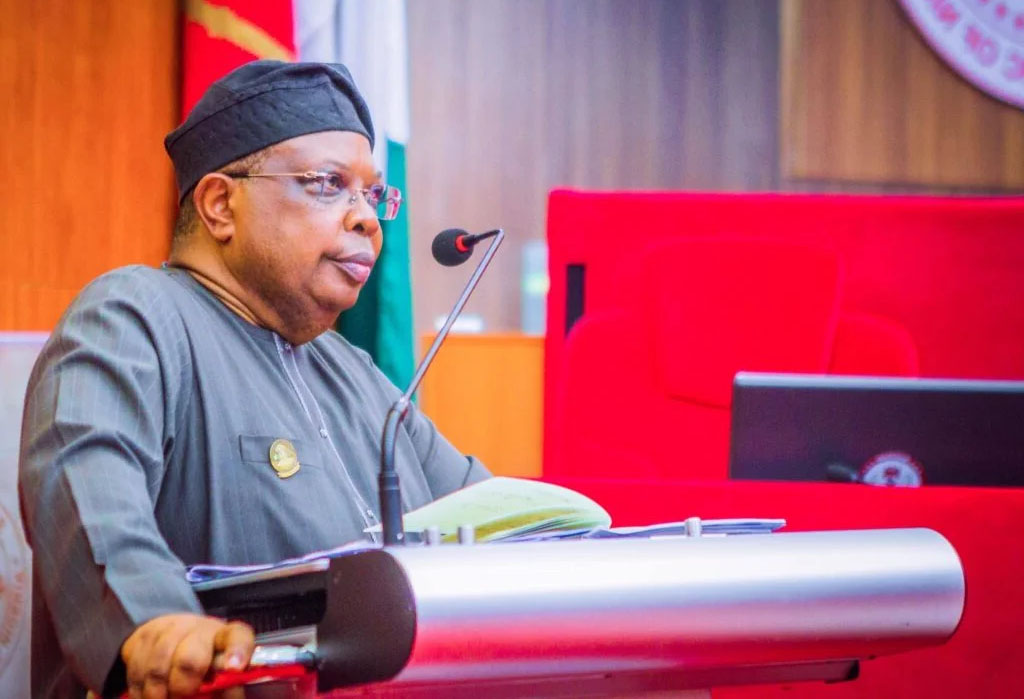
Minister of Power Joseph Tegbe disclosed the plan during a media interactive session on Friday, saying the government would introduce the changes gradually while ensuring that Nigerians continue to have access to electricity.
Tegbe said the Federal Government had received a mandate from President Bola Tinubu to clear outstanding debts in the electricity industry and establish a sustainable system that would prevent the accumulation of new obligations.
“We have the mandate of Mr President to clear the legacy debt and come up with sustainable structures to make sure this doesn’t pile up any more,” the minister said.
He expressed confidence that the government would bring an end to the current electricity subsidy arrangement in 2027 while working to improve the quality and reliability of power supply.
“I promise you, next year, by God’s grace, we will put a stop to this so-called subsidy in the power sector,” Tegbe said.
The minister assured consumers that the planned reforms would not result in a loss of access to electricity services.
According to him, the government’s objective is to reduce the financial burden created by the subsidy system while improving the performance of the electricity sector.
READ ALSO:
- At least 43 migrants die as 49,000 cross into Spain’s Ceuta enclave
- Segun Aina assumes office as JAMB registrar, vows to protect examination integrity
- Rivers police arrest 50-year-old man over alleged defilement of two minors
“Mr President, we will not deprive Nigeria of anything. We’ll make sure Nigerian consumers continue to have power and improve power services,” he added.
Tegbe also stated that there was no immediate plan to increase electricity tariffs, despite concerns that the proposed phase-out of subsidies could lead to higher electricity bills.
However, the minister did not provide details on the timetable for the subsidy withdrawal, the categories of consumers that may be affected or the measures that would be introduced to protect low-income and vulnerable households.
The planned reform comes amid growing concerns over the financial challenges facing Nigeria’s electricity industry.
The Federal Government previously estimated the cost of electricity subsidies at about ₦3 trillion as of February 2024, while power generation companies, known as GenCos, have continued to report significant unpaid obligations.
The Association of Power Generation Companies has said electricity generation companies are owed about ₦6.5 trillion, raising concerns about the financial health of the sector and its ability to sustain electricity generation.
The outstanding debts include unpaid invoices and other obligations linked to electricity supplied to the national grid.
To address the problem, President Tinubu recently approved a ₦4 trillion power sector debt reduction programme aimed at settling verified legacy debts and improving liquidity across the electricity value chain.
The programme is expected to support the payment of outstanding obligations owed to power generation companies and other participants in the sector.
In January 2026, the Federal Government issued an inaugural ₦501 billion bond under the Presidential Power Sector Debt Reduction Programme.
The bond was designed to help settle verified debts owed to electricity generation companies and support efforts to stabilise the sector.
On July 20, the government announced a second tranche of about ₦729 billion to settle additional verified debts owed to power generation companies.
The debt-settlement programme is expected to reduce financial pressure on electricity producers and improve their capacity to maintain operations, pay gas suppliers and invest in power infrastructure.
The proposed subsidy phase-out also aligns with recommendations by the International Monetary Fund (IMF), which has encouraged Nigeria to gradually reduce broad electricity subsidies and adopt more targeted support for households that need assistance.
Supporters of the reform argue that reducing subsidies could improve the financial viability of the electricity market, attract private investment and help power companies maintain and expand infrastructure.
However, consumer groups and businesses have raised concerns that higher electricity costs could increase financial pressure on households and raise operating expenses for companies.
The impact of the proposed reform may depend on the government’s ability to improve electricity supply, expand access to prepaid meters, reduce estimated billing and ensure that consumers receive better services.
Earlier this year, President Tinubu also directed ministries, departments and agencies to apply existing electricity laws in determining how subsidy costs should be shared among the federal, state and local governments in the 2026 budget.
The move is expected to support a more coordinated approach to electricity financing following reforms that expanded the role of state governments in electricity generation, transmission and distribution.
As the 2027 target approaches, the Federal Government is expected to provide more details on the implementation framework, consumer protection measures and the steps that will be taken to prevent the reforms from causing undue hardship.
The government will also face growing pressure to ensure that improvements in electricity generation, transmission and distribution accompany the gradual withdrawal of subsidies.
For many consumers, the success of the policy may ultimately be measured by whether it delivers more reliable electricity, fair billing, improved customer service and better value for money.
FG to phase out electricity subsidy from 2027 as power sector debts rise
-
 Aviation2 days ago
Obi Must Apologise, Pay ₦25,000 or Face FAAN Action — Keyamo Issues Ultimatum
-

 News3 days ago
Police detain Osun SSG, five others as ₦4.8m, voter cards are recovered
-

 Politics2 days ago
Where Will Peter Obi’s Votes Come From? I Can’t See It – Keyamo Predicts Tinubu’s Landslide Victory
-

 metro2 days ago
‘We’ll Marry Beautiful Ones, Kill the Rest’ – Terrorists Reject N155m Ransom for 176 Kwara Captives
-

 metro2 days ago
Grand Chief Imam warns Bennylee against religious provocation, urges respect for judicial process
-

 metro2 days ago
IGP Redeploys Osun CP to Force Headquarters Ahead of August 15 Governorship Election
-

 metro3 days ago
Suspect admits hitting UNIJOS student with plank over missing phone
-

 Auto2 days ago
Côte d’Ivoire woos Nigerian auto investors to regional mobility expo