

International
FBI investigates Minneapolis school shooting as anti-Catholic hate crime

FBI investigates Minneapolis school shooting as anti-Catholic hate crime
A shooting at a school in Minneapolis that left two children dead and 17 others injured is being investigated as an anti-Catholic hate crime, the FBI says.
“The FBI is investigating this shooting as an act of domestic terrorism and hate crime targeting Catholics,” FBI Director Kash Patel said in a post on X.
The two children, aged eight and 10, were killed when an attacker opened fire through the windows of the city’s Annunciation Church on Wednesday morning as children were celebrating Mass.
The attacker, who died at the scene of a self-inflicted gunshot wound, was later named by police as 23-year-old Robin Westman.
Pope Leo XIV, the first American pope, was among those who paid tribute to the young victims, saying he was “profoundly saddened” by the attack.
Police Chief Brian O’Hara told reporters: “This was a deliberate act of violence against innocent children and other people worshipping.”
“The sheer cruelty and cowardice of firing into a church full of children is absolutely incomprehensible,” he said.
Asked about Patel’s comment, he said the Minneapolis Police Department is leading the investigation with support from federal agencies – and will pursue evidence wherever it leads.
Authorities have not yet released a suspected motive for the attack.
READ ALSO:
- Two children killed after gunman fires into US Catholic school
- Dino Melaye dragged to court for tax evasion
- Derailment: Abuja-Kaduna railway corridor may remain shut for one month, says Opeifa
Police began receiving calls of a shooting just before 08:00 local time (13:00GMT) on Wednesday.
The attacker approached the side of the church, which also houses a school, and fired dozens of shots through the windows using three firearms – a rifle, a shotgun and a pistol. Police also found a smoke bomb at the scene.
Officials are investigating if the suspect shot inside the building or if all the shots came from outside the church, noting that no casings from bullets were found inside.
“I could hear ‘boom, boom, boom’,” PJ Mudd, who lives close to the church and was working from home on Wednesday morning, told the Wall Street Journal. “It suddenly dawned on me – it was a shooting.”
He then ran to the church where he saw three magazine cartridges on the ground.
A 10-year-old boy who survived the attack told CBS affiliate WCCO that his friend saved him from bullets by lying on top of him.
“I was like two seats away from the stained glass window,” he said. “My friend, Victor, saved me though, because he laid on top of me, but he got hit.”
“My friend got hit in the back, he went to the hospital… I was super scared for him but I think now he’s okay,” he said.
The Annunciation Church, located in a residential area of southern Minneapolis, teaches students aged between 5 and 14.
The attacker’s mother, Mary Grace Westman, previously worked at the school, according to a school newsletter from 2016. A post on Facebook says she retired from the role in 2021.
Police found a note that Westman scheduled to publish online at the time of the shooting. Investigators have since deleted the post.
Minnesota Governor Tim Walz said President Donald Trump and his team had expressed their “deep condolences” and offered assistance.
He said the situation is “all too common – not just in Minnesota, but across the country”, adding that he hoped no community or school ever had to go through a day like this.
Trump later said the US flag would be flown at half-mast at the White House as a show of respect to the victims.
FBI investigates Minneapolis school shooting as anti-Catholic hate crime






International
China Denies Supplying Iran Intelligence Linked to Attack That Killed US Troops
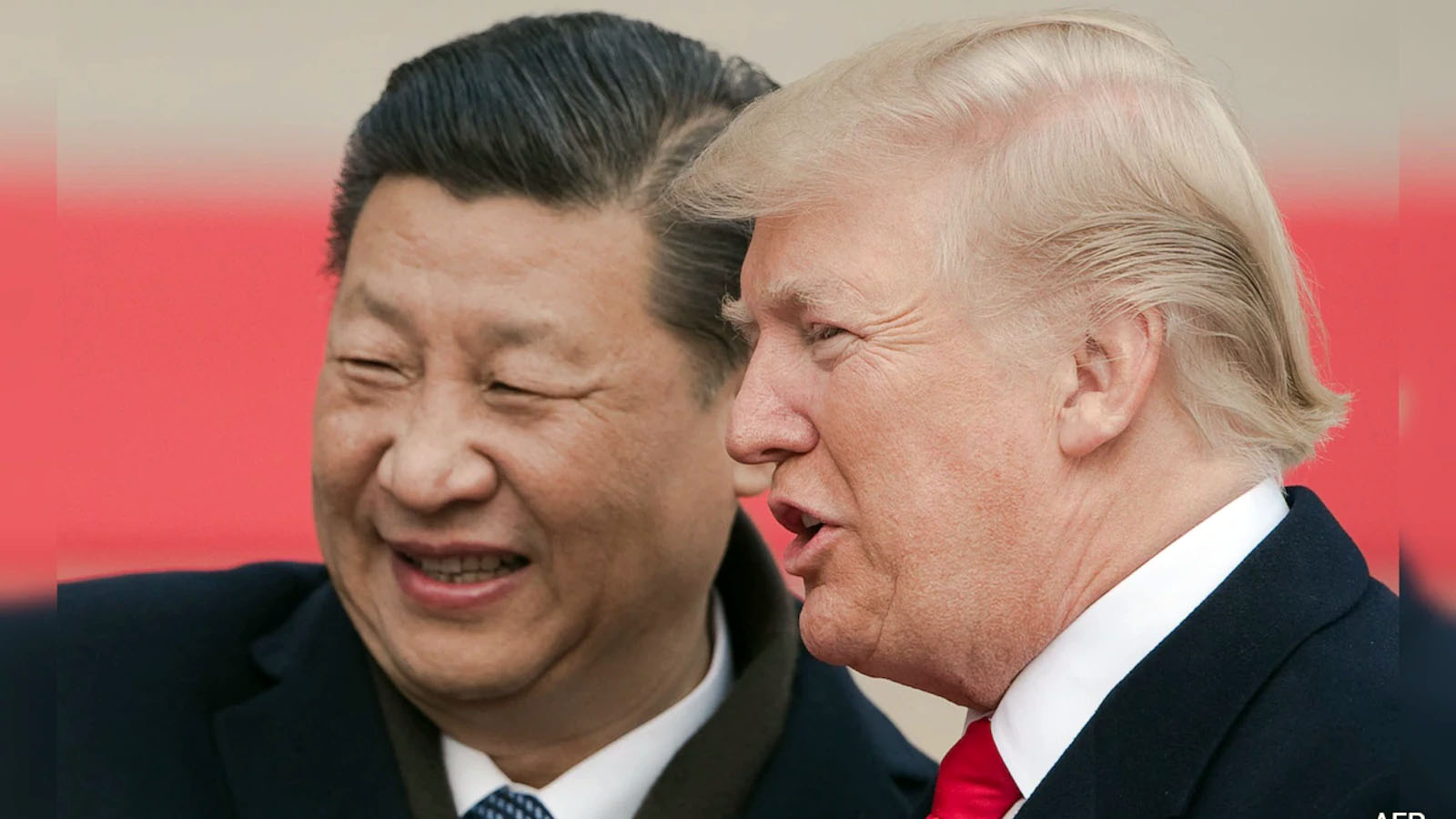
China Denies Supplying Iran Intelligence Linked to Attack That Killed US Troops
China has rejected as “groundless” reports that Chinese entities supplied Iran with satellite imagery of a US military base in Jordan before and after an Iranian missile attack that killed three American troops in July.
The denial followed a report by The Wall Street Journal, which cited unnamed US officials as saying that Iran obtained high-resolution satellite images of the Muwaffaq Salti Air Base in Jordan, where US forces are stationed, from Chinese entities.
The July 17 Iranian missile attack on the base killed three US Army soldiers and injured four others, according to US officials cited in the report.
The US officials reportedly linked the satellite imagery to the Iranian attack but did not identify the Chinese entities involved. Importantly, the report did not accuse the Chinese government of directly ordering, coordinating or facilitating the strike.
Chinese officials have rejected the allegation and demanded evidence, maintaining that Beijing complies with international law and opposes what it described as unfounded accusations.
The development has nevertheless raised fresh questions in Washington over the growing strategic relationship between China and Iran, particularly amid the wider US-Iran conflict and continuing tensions between Washington and Beijing.
The report said the satellite images were obtained before and after the attack, potentially giving Iran detailed information about the military facility and helping it assess the impact of its strikes.
READ ALSO:
- Police Arrest Mother Over Alleged Brutal Abuse of 7-Year-Old Girl in Anambra
- King’s College Concession: 115 Unity Colleges Shut as Education Workers Defy FG
- Petrol Price Hits N1,450/Litre as Middle East Crisis Pushes Oil Above $108
US officials have previously expressed concern about China’s technological and satellite-related links with Iran. Washington sanctioned three China-based satellite companies in May over allegations that they supported Iran’s military operations.
The latest report has intensified scrutiny of the role of commercial and private Chinese entities in providing technology or imagery that could potentially enhance Iran’s military capabilities.
However, US President Donald Trump has sought to play down the significance of the latest allegations.
Speaking to reporters aboard Air Force One on Sunday, Trump was asked whether he would raise the issue with Chinese President Xi Jinping during their expected meeting in the United States.
Rather than directly addressing whether Beijing should be held responsible, Trump compared Chinese intelligence-gathering activities with those of the United States.
Trump also maintained that he has a good relationship with Xi, saying the Chinese leader had behaved reasonably well and that Washington and Beijing had likewise conducted themselves reasonably.
The comments come as the United States and China attempt to manage several areas of tension, including trade, technology, national security and China’s relationship with Iran.
The allegations are particularly sensitive because the reported transfer of imagery occurred before an attack that resulted in the deaths of American service members.
The Iran missile strike in Jordan was part of the broader conflict involving Iran and the United States, which has increasingly drawn in regional actors and raised concerns about the security of American military personnel and facilities across the Middle East.
The Wall Street Journal report, according to Reuters, could not immediately be independently verified. It also did not establish that Chinese authorities themselves provided the imagery or that Beijing had prior knowledge of the Iranian attack.
The distinction is significant because evidence that individual Chinese companies or entities supplied commercial satellite imagery would not, by itself, establish direct involvement by the Chinese government.
The controversy comes ahead of a potential meeting between Trump and Xi, with the two leaders expected to meet in the United States on September 24, although Beijing had not officially confirmed the meeting as of Monday.
China’s denial and Trump’s decision to downplay the allegation could help prevent the issue from becoming a major diplomatic confrontation ahead of the anticipated meeting.
For now, the central question remains whether Chinese commercial entities provided the imagery to Iran and, if so, what information was transferred and whether it materially contributed to the Iranian operation that killed the three US troops.
The allegations are likely to remain under scrutiny as Washington assesses the extent of Chinese support for Iran and its possible implications for US military operations in the Middle East.
China Denies Supplying Iran Intelligence Linked to Attack That Killed US Troops
International
‘Completely False’ — Moreno Denies Using AI to Prepare Games
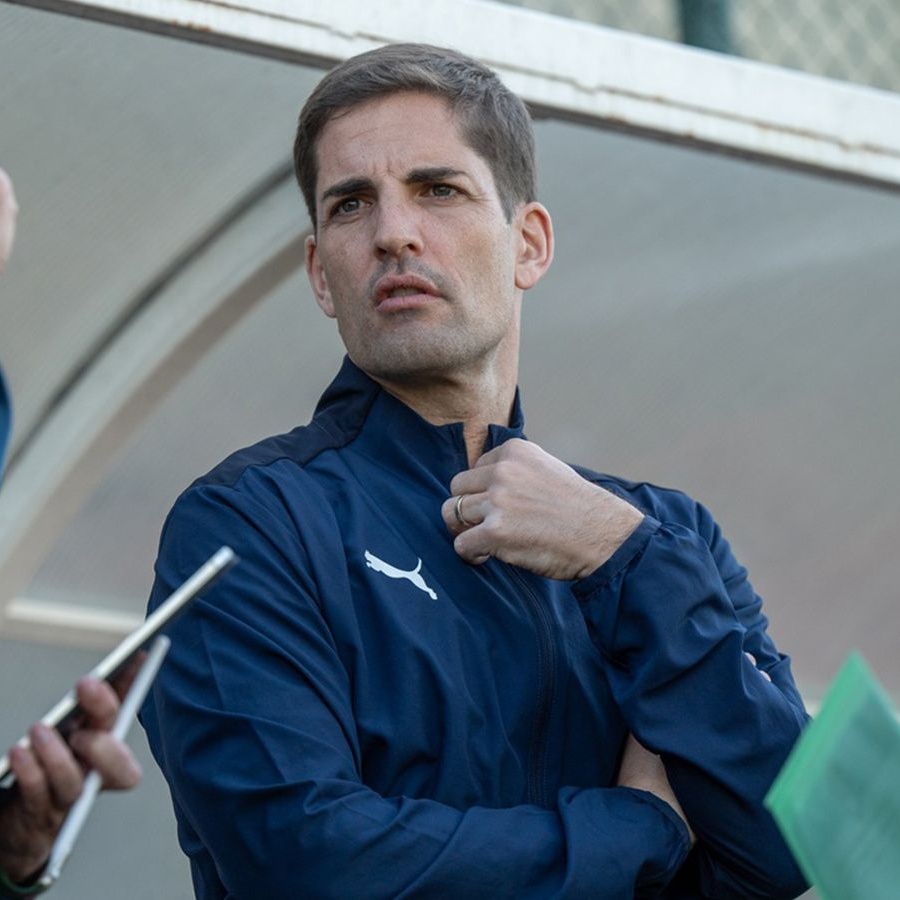
Robert Moreno has begun his interim tenure as South Korea’s coach with a denial of one of the more unusual controversies attached to his coaching career, claims that he used ChatGPT to help prepare his teams for matches.
The Spanish coach, who arrived in South Korea this weekend, was asked about the allegation as he began work with the national side.
Moreno was accused by Russian media earlier this year of heavily relying on artificial intelligence during his spell at Sochi, where he left in September 2025 following a poor run of results.
He has consistently rejected the claim.
Moreno said the reports were “completely false” and argued that his use of technology had been misrepresented.
His explanation comes as he takes over a South Korean side attempting to recover from a turbulent World Cup campaign. The team crashed out in the group stage, leading Hong Myung-bo to resign and leaving the Korea Football Association under pressure over both the team’s performance and its previous recruitment process.
The KFA appointed Moreno as a temporary replacement rather than immediately committing to a permanent coach. He is expected to lead the team through six international matches, beginning with September and October friendlies against Ecuador, Uruguay, Venezuela and Uzbekistan.
His first squad includes veteran captain Son Heung-min, who now plays for Los Angeles FC, as well as Lee Kang-in and Kim Min-jae.
Moreno said he wants his tenure to be about more than results, with the immediate goal of rebuilding the relationship between the national team and its supporters.
“I want to make Korean football fans happy,” he said.
For now, however, the AI controversy remains part of the baggage surrounding his appointment, something Moreno appears keen to put behind him as he begins the task of rebuilding South Korea’s national team.
International
Trump Downplays Report of Chinese Satellite Help to Iran

US President Donald Trump has played down a report alleging that Chinese entities supplied Iran with satellite imagery of a US military base in Jordan before and after a deadly Iranian missile strike.
The report, published by The Wall Street Journal, said US officials had linked high-resolution satellite imagery provided by Chinese entities to Iran’s July 17 attack on Muwaffaq Salti Air Base, where three American soldiers were killed and four others injured.
Trump, however, appeared to dismiss the significance of the allegation while speaking to reporters aboard Air Force One on Sunday.
“When they say that China spies on us, I say you’re right, and we spy on them too,” he said, adding that the two countries essentially engage in similar intelligence activities.
The report has not established that Beijing directly authorised or participated in the alleged transfer. US officials cited by the Journal did not identify the Chinese entities involved, while Chinese officials reportedly rejected the allegation and asked Washington to provide evidence.
The development comes as Washington and Beijing prepare for a potentially sensitive meeting between Trump and Chinese President Xi Jinping, expected to take place at the White House on September 24.
The US has previously accused Chinese companies of assisting Iran’s military capabilities. Washington sanctioned three China-based satellite firms in May over alleged support for Iran’s military operations.
Despite the latest dispute, Trump struck a conciliatory tone when discussing Xi, saying the Chinese leader had “behaved reasonably well” and that the US had done the same.
Trump’s response leaves the satellite imagery allegations unresolved, with Beijing denying involvement and Washington yet to publicly identify the companies allegedly involved.
-

 metro3 days ago
Ondo Herbal Drink Tragedy: Survivor Vows Never to Drink Again as Death Toll Tops 30
-
 Business3 days ago
Dangote: ₦525 Refinery Shares Could Rise to ₦10,000
-

 metro3 days ago
Sokoto Cleric Stabbed Twice in Neck After Juma’at Prayer, Attacker Killed
-
 News1 day ago
SERAP Threatens Legal Action Over ₦126bn INEC Electoral Funds
-

 metro3 days ago
MURIC fires back at Peter Obi: Forget Sallah ceremony, free Nigerian Muslims
-

 metro3 days ago
Abia Police Arrest Father, Three Others Over Alleged Attempt to Sell 16-Month-Old Daughter
-
 International3 days ago
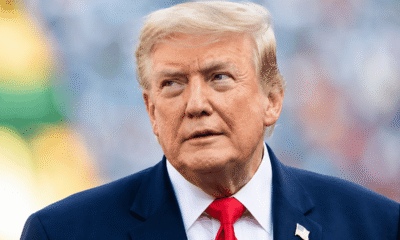
Trump Tells Supporters to ‘Cheat Like Hell’ Ahead of US Election
-

 metro3 days ago
FG Targets 2 Million Creative Jobs by 2030