

International
Watch the moment diplomats walk out as Israeli PM speaks at UN

Watch the moment diplomats walk out as Israeli PM speaks at UN
Watch the moment diplomats walk out as Israeli PM speaks at UN
Bola Tinubu | Ekiti | Fuji | Atiku | Oyo State | Fulani pic.twitter.com/4lbiomsmeu
— Newstrends.Ng (@Newstrends_ng) September 26, 2025
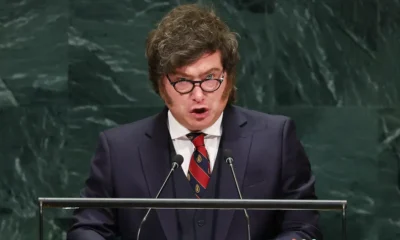
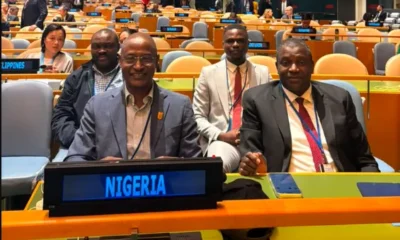
Dozens of diplomats have walked out of the UN’s assembly hall as Israel’s prime minister took to the podium to speak.
As the session’s chairman called for order, there were boos and cheers while delegates streamed out, leaving masses of empty seats.
Benjamin Netanyahu used his speech to speak directly to the hostages held in Gaza and their captors.
He said loudspeakers had been put up around the territory and said Israeli spies had hacked mobile phones in Gaza so they carried his voice.
To the hostages he said: “We have not forgotten you… we will not falter, we will not rest until we have brought all of you home.”
To Hamas’s leadership, he said: “Lay down your arms… free the hostages now. If you do you will live, if you don’t Israel will hunt you down.”
He hit out at “false charge of genocide” and said: “If Hamas agrees to demands, war could end.”
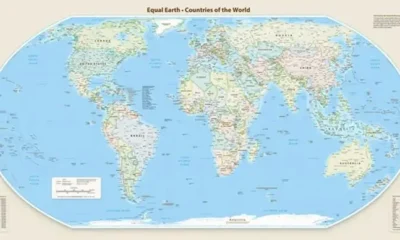
Mr Netanyahu held a map of the region and crossed out the various threats he said had been eliminated, such as Hezbollah and Iran’s nuclear capabilities.
“Israel rebounded from its darkest day to deliver one of the most stunning military comebacks in history,” he said.
Meanwhile, Donald Trump said he believes the US has reached a deal on easing fighting in Gaza, saying it “will get the hostages back” and “end the war”.
READ ALSO:
- Kwara lawmakers worry over surge in sperm, egg trade among students
- Ex-Oyo Gov Ladoja crowned 44th Olubadan
- Lagos Tutor Generals without Muslims unacceptable — MURIC
“I think we maybe have a deal on Gaza, very close to a deal on Gaza,” the US president told reporters on the White House lawn as he was leaving to attend the Ryder Cup.
Mr Trump has repeatedly claimed an agreement to end the war was imminent, only for nothing to materialise. Weeks ago he said: “I think we’re going to have a deal on Gaza very soon.”
It comes soon after the UK, France, Canada and Australia formally recognised a Palestinian state in an effort to keep alive the prospect of a two-state solution.
The war in Gaza has been going on for nearly two years, with UN agencies and its chief repeatedly warning over the dire humanitarian situation.
Israel’s recently launched ground assault on Gaza City has only heightened concerns and seen thousands flee south in fear for their lives.
Israel says it’s designed to destroy what remains of Hamas after its October 2023 terror attack killed more than 1,200 people and kidnapped 251.
The Israeli leader insisted Israel had to “finish the job” to ensure the atrocity is not repeated.
“They beheaded men. They raped women. They burned babies alive. They burned babies alive in front of their parents,” he told the UN.
Mr Netanyahu previously condemned the recognition of a Palestinian state by Western powers, saying it only rewarded Hamas and made it harder to win the release of the remaining hostages.
READ ALSO:
- Court orders NMA to probe Nnamdi Kanu’s health status
- 8 killed as Israel launches deadly airstrikes on Yemen
- PENGASSAN accuses Dangote Refinery of sacking union members
There are fears he could retaliate by annexing the West Bank and recognising Israeli control over illegal settlements.
However, Mr Trump – the only world leader believed to hold any sway over Israel – told reporters yesterday he would “not allow it”.
The Israeli leader is subject to an arrest warrant from the International Criminal Court, which has accused him of crimes against humanity, which he denies.
More than 65,000 Palestinians in Gaza have been killed in the war, according to the country’s Hamas-run health ministry.
Ninety per cent of its population has also been displaced by attacks that have flattened most of the territory and left many people desperately short of food.
‘Weak-kneed’ Western leaders
The Israeli prime minister told the UN “the war could end right now” if Gaza agreed to its demands.
“Israel would retain overriding security control, and a peaceful civilian authority would be established by Gazans and others committed to peace with Israel.”
He also hit out at “weak-kneed” Western leaders who he accused of giving in to biased media and antisemitic mobs.
“For much of the past two years, Israel has had to fight a seven-front war against barbarism, with many of your nations opposing us,” said Mr Netanyahu.
He denied his military was deliberately targeting civilians and referenced an assessment that it was taking more “measures to minimise civilian casualties than any military in history”.
Denying genocide claims, the prime minister said the “truth had been turned on its head” and cited his forces dropping millions of leaflets and sending text messages telling people to flee prior to attacks.
Watch the moment diplomats walk out as Israeli PM speaks at UN







International
Trump Threatens Iran With ‘Very Hard’ Response Over Flydubai Attack

Trump Threatens Iran With ‘Very Hard’ Response Over Flydubai Attack
US President Donald Trump has warned that Iran would face a “very hard” response if investigators establish that Tehran was connected to the attempted attack on a Flydubai passenger aircraft bound for Israel.
Trump made the statement on Thursday as authorities continued investigating the motive behind the Flydubai cockpit attack, in which the co-pilot allegedly stabbed the captain and caused the aircraft to plunge thousands of feet before passengers and other crew members intervened.
Asked at the White House whether the co-pilot had links to Iran, Trump indicated that investigators were examining the possibility.
“Based on what I’m hearing, yes,” Trump said, while stressing that the matter was still being investigated. He later warned that Iran would be hit “very hard” if Tehran was found to have been involved.
The incident occurred on Flydubai flight FZ1073, which was travelling from Dubai in the United Arab Emirates to Tel Aviv, Israel, on September 30.
READ ALSO:
- Phyna Knocks Out Nkechi Blessing in Fourth Round, Wins ₦50m, New Car
- NDC Protests Police Cancellation of Obi-Kwankwaso March in Akwa Ibom
- 2027 Hajj: Nigeria Secures 10,000 Extra Slots, Allocation Hits 60,000
The aircraft was carrying more than 170 passengers when the co-pilot, identified by Israeli authorities as an Omani national, allegedly attacked the captain in the cockpit. The aircraft then entered a steep descent, dropping more than 14,000 feet in about 30 seconds, according to reports.
The injured captain managed to open the cockpit door, allowing passengers to enter and overpower the co-pilot. Passengers and crew then helped stabilise the aircraft, while reserve pilots aboard the flight took control.
The aircraft eventually made an emergency landing in Tabuk, Saudi Arabia, where the injured captain received medical attention and the suspect was taken into custody.
The incident has generated competing assessments over the possible motive. Israeli Prime Minister Benjamin Netanyahu has said the co-pilot appeared to have been radicalised, but he also indicated that it was too early to determine whether Iran was involved.
The United Arab Emirates has launched an investigation into the circumstances of the incident, including whether it involved terrorism, prior planning or direction from an outside actor. Authorities have yet to publicly establish an Iranian role.
Reuters reported that the motive remained unclear, while investigators from several countries were examining the incident. Flydubai has also suspended its flights between Dubai and Israel as investigations continue. (Reuters)
The incident comes amid heightened US-Iran tensions, with Washington already increasing its military presence in the Middle East. Trump’s warning has therefore added to concerns that confirmation of an Iranian connection could trigger further escalation.
For now, however, the alleged Iran-Flydubai link remains under investigation, and no publicly released evidence has established that Tehran directed or supported the cockpit attack. (AP News)
Trump Threatens Iran With ‘Very Hard’ Response Over Flydubai Attack
International
Israeli Actor, Flight Instructor Among Two Killed In California Plane Crash
Israeli Actor, Flight Instructor Among Two Killed In California Plane Crash
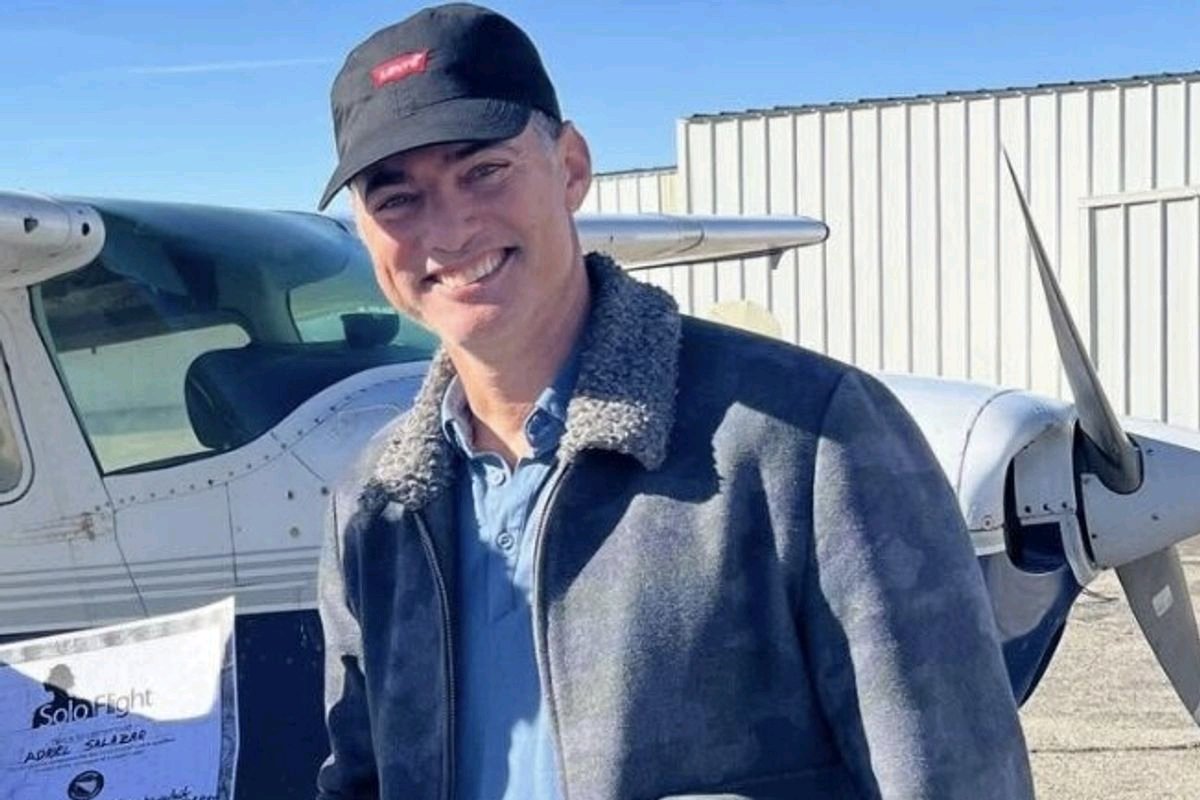
Israeli actor and flight instructor Guy Kapulnik, 46, and his passenger, Taylor Laska, 33, have died after a light aircraft crashed into a field in California, United States.
The fatal crash occurred on Thursday, September 24, 2026, near Hesperia in San Bernardino County.

Emergency responders were alerted to the crash shortly before 10am after the small aircraft went down in an open field.
Both occupants were pronounced dead at the scene.
READ ALSO:
- Flood Cuts Off Part of Agbarho-Ughelli Road, Strands Commuters in Delta
- Dangote Draws Battle Lines as Fuel Import Fight Heads Back to Court
- Tinubu Returns After 30 Days in Europe, Says ‘I’m Healthy and Ready to Work’
The aircraft, identified as a single-engine Aeronca 7AC Champion, crashed near Summit Valley Road and Telephone Canyon Road, about three miles from Hesperia Airport.
Authorities have launched an investigation into the incident, but the cause of the crash had not been established as of Wednesday.
Kapulnik was not only a pilot and flight instructor but also an actor who appeared in several Israeli and international film productions.
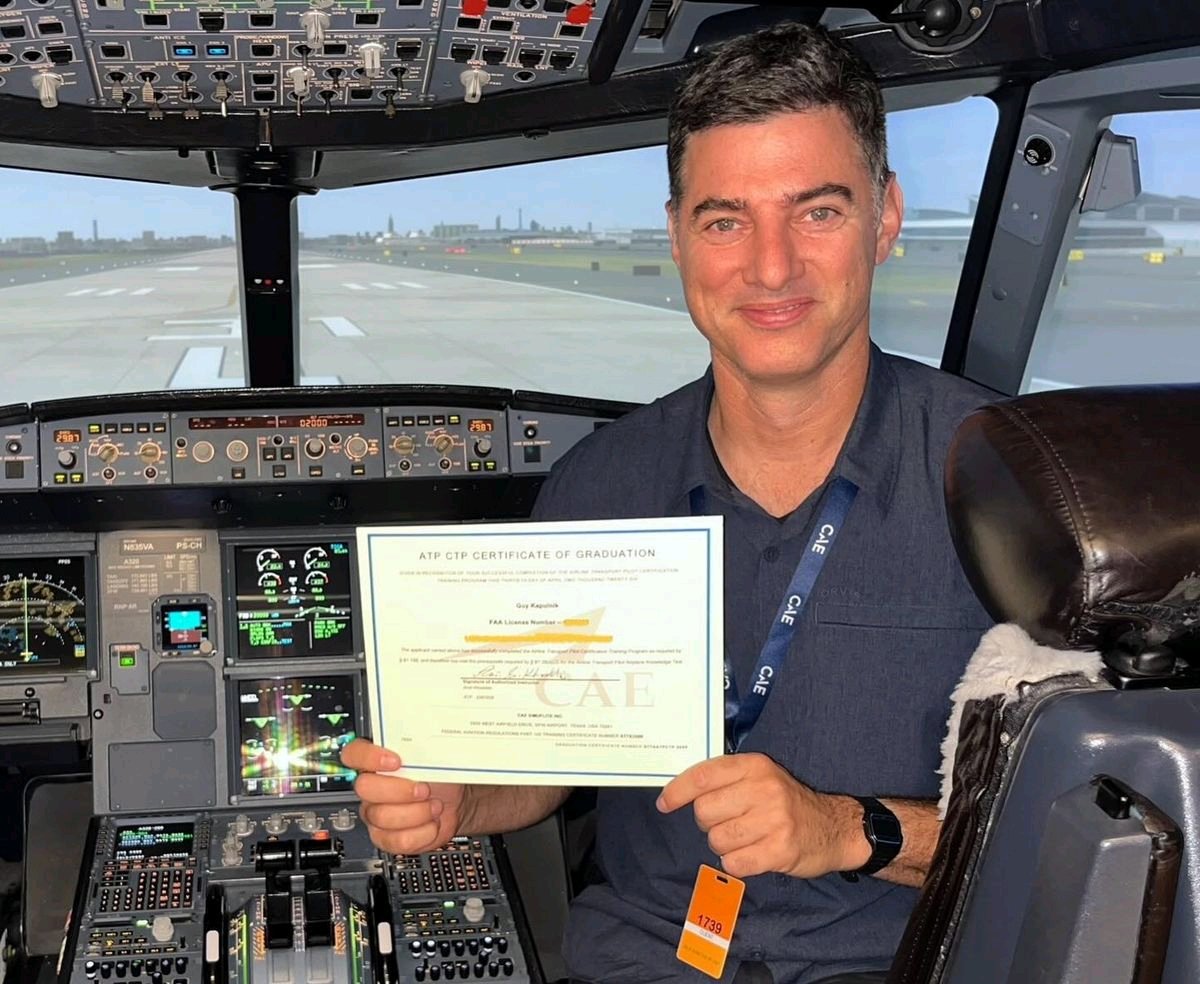
He trained at the Nissan Nativ Acting Studio in Jerusalem before building a career in the entertainment industry. His acting credits included Room 514, Salsa Tel Aviv, Watch Over Me and Lebanon.
After moving to Los Angeles, Kapulnik continued acting while pursuing his passion for aviation. He obtained his pilot’s licence and later became a certified flight instructor.
His aviation career saw him teach aspiring pilots, with friends and former students describing him as passionate about flying and committed to helping others learn.
Kapulnik had also previously served as an officer in Israel’s elite Unit 669, a specialised search-and-rescue unit.
His death has triggered an outpouring of tributes from friends, colleagues and people who knew him through aviation and acting.
Those who knew him remembered him as an adventurous and energetic man who pursued several passions throughout his life, including acting, flying and life at sea.
The passenger, Laska, was also killed in the crash.
Investigators from the relevant aviation authorities are continuing to examine the wreckage and circumstances surrounding the incident to determine what caused the aircraft to crash.
Kapulnik’s funeral is expected to take place in Israel.
Israeli Actor, Flight Instructor Among Two Killed In California Plane Crash
International
Trump Can Resume Third-Country Deportations Temporarily, US Supreme Court Rules
Trump Can Resume Third-Country Deportations Temporarily, US Supreme Court Rules
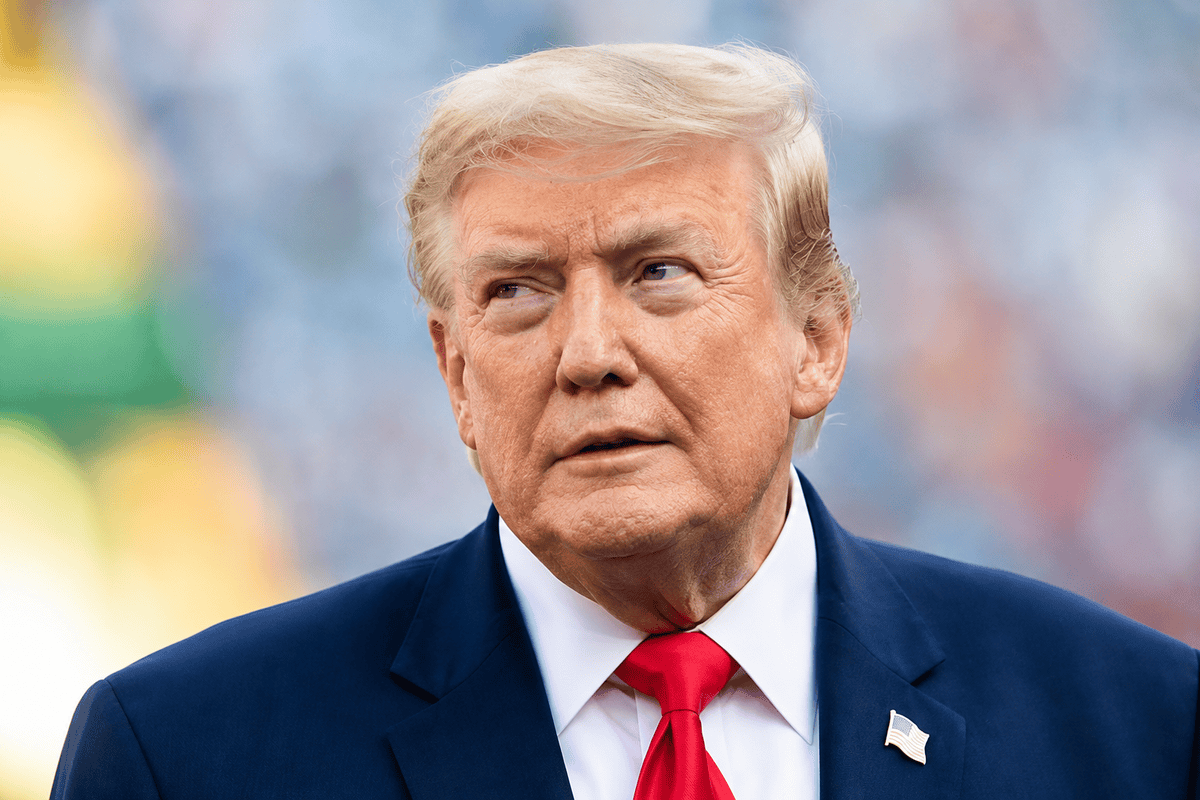
The US Supreme Court has temporarily cleared the way for President Donald Trump’s administration to resume deporting migrants to countries other than their own while the justices consider the legality of the policy.
The emergency order issued Tuesday temporarily suspends a lower-court restriction that required migrants facing third-country deportation to receive adequate notice and an opportunity to raise concerns about possible persecution or torture in the country to which they were being sent.
The Supreme Court’s action is not a final ruling on the legality of the deportation policy. Instead, it allows the Trump administration to proceed with the removals for now while the broader legal challenge moves forward.
The justices have agreed to hear arguments on the case in December, when they are expected to consider whether the policy violates migrants’ due-process rights and whether lower courts had the authority to impose restrictions on the deportations.
The dispute centres on the administration’s policy of sending migrants to third countries rather than returning them directly to their countries of citizenship. Such removals have been used where migrants cannot be returned to their home countries or where those countries refuse to accept them.
READ ALSO:
- Flood Cuts Off Part of Agbarho-Ughelli Road, Strands Commuters in Delta
- Dangote Draws Battle Lines as Fuel Import Fight Heads Back to Court
- Tinubu Returns After 30 Days in Europe, Says ‘I’m Healthy and Ready to Work’
The Trump administration has defended the policy as an important immigration enforcement tool, saying receiving countries provide assurances that deported migrants will not be persecuted or tortured.
The legal challenge intensified after a federal judge in Boston ruled that migrants should have a meaningful opportunity to raise safety concerns before being removed to a third country. A federal appeals court subsequently upheld the requirement, prompting the administration to seek emergency intervention from the Supreme Court.
Tuesday’s order temporarily puts that lower-court restriction on hold. This means third-country deportations can continue for now, but the Supreme Court has not yet determined whether the administration’s policy complies with US law.
The Supreme Court’s unsigned emergency order did not provide an explanation for the decision. Justices Sonia Sotomayor, Elena Kagan and Ketanji Brown Jackson indicated that they would have left the lower-court restriction in place.
The administration has already deported more than 25,000 migrants to third countries, according to figures presented in the legal proceedings. The destinations have included countries in Latin America and Africa.
Government lawyers have argued that lower-court restrictions have created logistical difficulties for immigration authorities, including cancelled deportation flights and delays in carrying out removal orders.
Lawyers representing migrants, however, have challenged the policy on due-process and safety grounds, arguing that people facing removal should have an opportunity to explain why they fear persecution, torture or other serious harm in the countries where they are being sent.
The case therefore remains unresolved. The Supreme Court’s latest order merely allows the deportations to proceed temporarily while the court reviews the underlying legal questions.
The December hearing will give the justices an opportunity to consider the broader dispute and determine whether the administration can continue the policy under the legal framework being challenged.
Until that review is completed and a final ruling is issued, Tuesday’s action should be understood as a temporary suspension of the lower-court restrictions, rather than a final Supreme Court approval of Trump’s third-country deportation policy.
Trump Can Resume Third-Country Deportations Temporarily, US Supreme Court Rules
-

 metro2 days ago
$2.1m Land Suit: Court Orders Wike’s Son to Produce American Passport
-

 metro3 days ago
Hamzat Clarifies Lagos Traffic ‘Lifestyle’ Remark After Backlash
-

 metro2 days ago
Osogbo Food Bonanza: Angry Customers Loot Warehouse After Operators Vanish
-

 metro3 days ago
Chimamanda Adichie: Hospital Seeks to Stop Inquest Into Son’s Death
-

 Sports3 days ago
Nigeria XI vs Guinea-Bissau: Awoniyi, Lookman, Adams Lead Super Eagles Attack
-

 Business1 day ago
Dangote Sets 40-Month Deadline for $16bn East Africa Refinery in Kenya
-

 News2 days ago
Tinubu Returns After 30 Days in Europe, Says ‘I’m Healthy and Ready to Work’
-

 Politics1 day ago
2027: Amaechi Recalls How APC Defeated PDP, Orders ADC Mobilisation