

Business
Jet A1 Crisis Threatens Flight Safety, Airline Jobs in Nigeria — NAAPE Warns
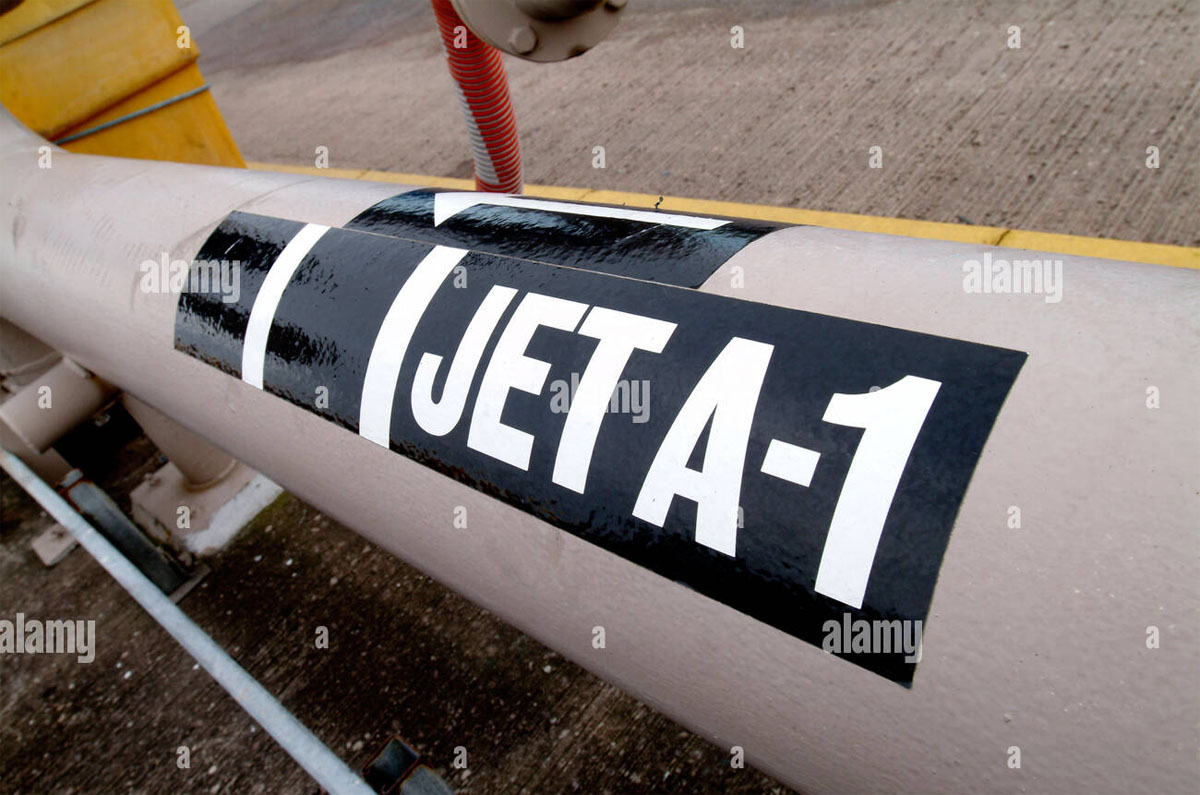
Jet A1 Crisis Threatens Flight Safety, Airline Jobs in Nigeria — NAAPE Warns
Nigeria’s aviation sector is facing renewed turbulence as the worsening Jet A1 fuel crisis sparks fresh fears over flight safety, airline sustainability, and possible job losses across the industry.
The National Association of Aircraft Pilots and Engineers (NAAPE) has warned that the persistent scarcity and soaring cost of aviation fuel in Nigeria are pushing airlines and aviation professionals to dangerous limits.
In a statement issued on Sunday, NAAPE President, Captain Bunmi Gindeh, said prolonged flight delays and operational disruptions caused by the shortage of Jet A1 fuel are forcing pilots and engineers to work far beyond their scheduled duty hours, exposing them to fatigue-related risks.
According to the association, fatigue remains one of the most serious threats to aviation safety globally because it affects concentration, reaction time, decision-making, and situational awareness during flight operations.
NAAPE stressed that compelling aviation professionals to operate under physically and mentally exhausting conditions could place passengers and crew members at significant risk.
“The persistent disruptions to flight schedules occasioned by the Jet A1 supply shortfall have resulted in significant extensions of crew duty time beyond planned parameters,” the association said.
“For our members, pilots and engineers alike, this translates directly into elevated fatigue levels, a condition universally recognised in aviation as a critical safety hazard.”
The association explained that the crisis extends beyond safety concerns, warning that domestic airlines are also battling severe financial pressure as operational costs continue to rise while revenues decline.
READ ALSO:
- Coscharis to Showcase Nigerian-Made ABRO Products at WAAS 2026
- Launch Design, Hybrid Motors Unveil Massive EV Assembly Plants for Lagos, Abuja
- Fubara Walks Out of APC Screening, Declines to Speak With Journalists
According to NAAPE, grounded and delayed aircraft generate no income for airlines despite accumulating fixed operational expenses such as aircraft maintenance, insurance, airport charges, and staff salaries.
The body warned that the financial strain is already affecting workers through delayed salary payments, wage cuts, and worsening welfare conditions.
“A workforce operating under financial stress is a workforce distracted, and distraction in an aviation environment is a precursor to compromised safety,” the statement added.
The warning comes amid growing concerns within Nigeria’s aviation industry over the rapid increase in Jet A1 price in Nigeria, which airline operators say has become unsustainable.
Industry stakeholders recently disclosed that the price of aviation fuel surged from about ₦900 per litre earlier in the year to over ₦3,300 per litre within weeks, representing an increase of more than 300 percent.
The Airline Operators of Nigeria (AON) had earlier warned that domestic carriers could suspend operations nationwide if the fuel situation persists.
Although the planned shutdown was temporarily suspended following the intervention of the Minister of Aviation and Aerospace Development, Festus Keyamo, airline operators insist that the sector remains under severe pressure.
NAAPE also pointed to recent operational restructuring by some domestic airlines as evidence of the worsening crisis.
The association cited the decision of Rano Air to suspend some of its routes after the sharp rise in Jet A1 fuel price made certain operations commercially unsustainable.
According to the airline, the increasing cost of fuel and operational expenses forced it to temporarily scale down services on affected routes while providing rescheduling and refund options for passengers.
The aviation union warned that if urgent action is not taken, more airlines may reduce routes, suspend operations, or shut down entirely, leading to widespread job losses across the sector.
NAAPE further emphasised that aviation plays a strategic role in Nigeria’s economy by supporting trade, tourism, investment, and national connectivity.
The body warned that any prolonged disruption in the aviation sector could negatively affect economic growth and worsen transportation challenges in the country.
Meanwhile, the Air Transport Services Senior Staff Association of Nigeria (ATSSSAN) has also raised similar concerns over the instability in the supply and pricing of Jet A1 aviation fuel.
Speaking during the 2026 May Day celebration at the Lagos airport, ATSSSAN National President, Comrade John Ogbe, urged the Federal Government to urgently convene stakeholders and develop a sustainable framework for stabilising fuel supply and pricing.
“The sky must be kept safe, and Nigerians must continue to fly, especially in the face of insecurity on our roads,” Ogbe stated.
The Nigerian Midstream and Downstream Petroleum Regulatory Authority (NMDPRA) recently moved to stabilise the market by introducing benchmark prices for Jet A1 fuel, but airline operators say supply instability and price volatility remain unresolved.
NAAPE has now called on the Federal Government, the Nigerian Civil Aviation Authority (NCAA), NMDPRA, fuel suppliers, and all aviation stakeholders to urgently address the crisis before it escalates further.
The association insisted that aviation safety must never be compromised, warning that swift intervention is necessary to protect passengers, workers, and the future of Nigeria’s aviation industry.
Jet A1 Crisis Threatens Flight Safety, Airline Jobs in Nigeria — NAAPE Warns






Business
Xenophobia: MTN, Stanbic IBTC, other South African firms face pressure in Nigeria
Xenophobia: MTN, Stanbic IBTC, other South African firms face pressure in Nigeria
South African companies with identifiable business interests estimated at about N20.43 trillion in Nigeria are facing growing uncertainty as pressure mounts on the Federal Government to take stronger action over renewed xenophobic attacks against Nigerians in South Africa.
The renewed violence has triggered calls for economic retaliation, with lawmakers, student groups and other stakeholders urging the government to consider measures against South African businesses operating in Nigeria.
The calls followed reports of attacks on foreign nationals, killings, looting of businesses and the displacement of Nigerians in different parts of South Africa.
The Federal Government has so far focused largely on diplomatic engagement and measures to protect Nigerians in the country, including the evacuation of 1,490 Nigerians from South Africa in five phases between June 10 and July 15.
Nigeria has also continued to press South African authorities to strengthen protection for Nigerians and other foreign nationals and ensure that those responsible for attacks are brought to justice.
The latest dispute has, however, renewed scrutiny of the extensive South African investments in Nigeria, which span telecommunications, banking, insurance, retail, hospitality, logistics, aviation, manufacturing and property-related businesses.
The estimated N20.43tn figure is based largely on publicly available market capitalisation, asset and property valuations of major South African-linked businesses operating in Nigeria. It should not be interpreted as the precise value of South Africa’s foreign direct investment stock in Nigeria.
Calls for retaliation
Pressure for economic retaliation intensified after South African authorities ruled out compensation for Nigerians who abandoned businesses and properties during the latest wave of xenophobic violence.
Senator Adams Oshiomhole called on the Federal Government to consider appropriating profits made by South African companies operating in Nigeria if South Africa failed to compensate Nigerian victims.
Oshiomhole argued that Nigerian authorities should explore stronger economic measures to protect the interests of citizens affected by xenophobic attacks.
READ ALSO:
- Osun APC Rally Shooting: Police Release Environment Commissioner on Bail
- After Cameroon Heartbreak, Falcons Battle Banyana Thursday for World Cup Lifeline
- Biden condition deteriorates as cancer spreads to bones
The proposal, however, has not become government policy, while the Senate subsequently rejected the idea of using profits from South African companies in Nigeria to compensate victims.
The National Association of Nigerian Students (NANS) has also threatened protests against major South African-linked businesses, including MTN and MultiChoice, in response to the attacks on Nigerians.
The growing calls have raised concerns about whether the diplomatic dispute could eventually spill into Nigeria’s business environment.
Nigerians killed in South Africa
The renewed violence has also resulted in deaths.
Among those killed were Amaramiro Emmanuel and Ekpenyong Andrew, who died in separate incidents in April.
Two other Nigerians, Emeka Iroegbu and Musa Joe, were reported killed in separate incidents on June 28.
By late July, reports indicated that at least four Nigerians had been killed during the latest wave of violence, while Nigerian officials said many more Nigerians had suffered harassment, intimidation, property losses and other forms of abuse.
The Nigerian government subsequently intensified its response, including the voluntary evacuation programme that returned 1,490 Nigerians from South Africa.
The evacuation was coordinated through the Ministry of Foreign Affairs, the Nigerian High Commission in Pretoria, the Nigerians in Diaspora Commission and other government agencies.
South African businesses in Nigeria
South Africa’s commercial presence in Nigeria extends well beyond the brands most familiar to consumers.
The most prominent South African-linked companies listed on the Nigerian Exchange are MTN Nigeria Communications Plc and Stanbic IBTC Holdings Plc.
MTN Nigeria is one of the largest companies on the Nigerian Exchange by market value, while Stanbic IBTC is a major player in Nigeria’s banking and financial services industry.
Other South African-linked interests in Nigeria include Rand Merchant Bank, Sanlam, Alexander Forbes, Broll Property Group, Metrofile, PEP, Mr Price, Pick n Pay, Nampak and businesses associated with the hospitality, aviation and manufacturing sectors.
Some companies commonly described as South African businesses have, however, undergone ownership changes over the years.
For instance, Protea Hotels, which has South African origins, is now part of Marriott International’s global hotel network. Some Nigerian operations also involve local investment partners.
This makes it necessary to distinguish between companies with South African origins, companies controlled by South African parent groups and businesses that still have substantial South African ownership.
How the N20.43tn figure was calculated
The estimated N20.43tn value of South African-linked interests in Nigeria is largely derived from the market values and publicly available asset information of major companies.
MTN Nigeria and Stanbic IBTC account for the bulk of the figure when their respective market capitalisations are considered.
However, market capitalisation should not be treated as the amount of money invested by a foreign parent company.
Both MTN Nigeria and Stanbic IBTC are publicly listed Nigerian companies with shares held by Nigerian and international investors.
Consequently, any action targeted at the companies could affect not only South African interests but also Nigerian shareholders, pension funds, employees, customers, suppliers and government revenues.
Nigeria maintains diplomatic pressure
Despite the growing calls for retaliation, the Federal Government has continued to pursue diplomatic channels.
South African International Relations and Cooperation Minister Ronald Lamola visited Abuja as President Cyril Ramaphosa’s special envoy amid efforts to ease tensions between the two countries.
The discussions focused on the safety of Nigerians and other foreign nationals in South Africa, migration issues and the broader state of Nigeria-South Africa relations.
Nigeria has maintained that South Africa must do more to prevent xenophobic attacks and protect Nigerians legally resident in the country.
South Africa, for its part, has reiterated its opposition to xenophobia, racism and discrimination while insisting that criminality should not be associated with nationality.
The dispute has also generated concerns over compensation for Nigerians who lost businesses and property while fleeing the violence.
South African authorities have rejected calls for government compensation, arguing that the state cannot compensate individuals for private property abandoned during the unrest.
Economic stakes for both countries
Any decision by Nigeria to retaliate against South African companies could have consequences for both countries.
MTN Nigeria, for example, provides telecommunications services to millions of Nigerians and employs thousands of people directly and indirectly through its wider supply chain.
Stanbic IBTC also has a significant presence in Nigeria’s banking, investment and financial services sectors.
Any disruption to their operations could therefore affect consumers, workers, shareholders, suppliers and government tax revenues.
South Africa also has significant economic interests in Nigeria, making the relationship important to businesses in both countries.
The situation has consequently placed the Federal Government in a difficult position: responding firmly to xenophobic attacks against Nigerians while avoiding measures that could undermine jobs, investments and economic stability at home.
For now, Nigeria appears to be relying on diplomatic pressure, consular intervention and the protection of affected citizens rather than imposing broad economic sanctions.
But as calls for retaliation continue to grow, the future of South African investments in Nigeria could become a major factor in the increasingly tense relationship between Africa’s two largest economies.
Xenophobia: MTN, Stanbic IBTC, other South African firms face pressure in Nigeria
Business
NMDPRA Unveils Sweeping Draft Rules to Ban Fuel Price-Fixing, Artificial Scarcity

Business
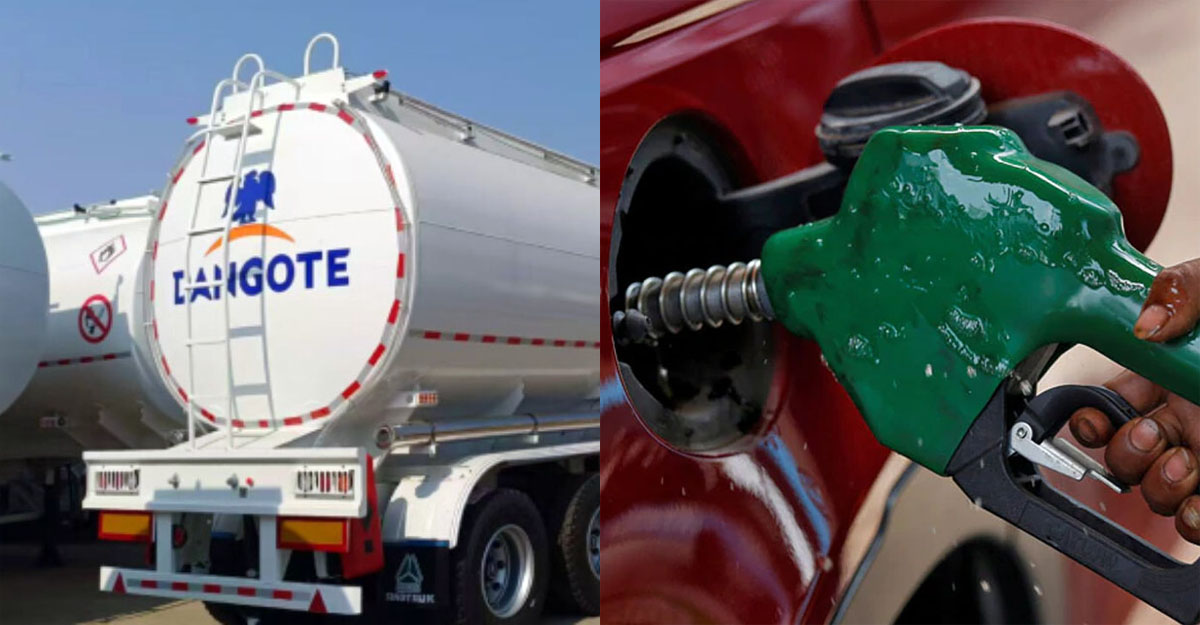
Petrol, Diesel Prices Drop as Dangote Cuts Ex-Depot Rates
Petrol, Diesel Prices Drop as Dangote Cuts Ex-Depot Rates
Motorists and businesses may get some relief from fuel costs as Dangote Petroleum Refinery announced fresh reductions in the ex-depot prices of petrol and diesel, cutting the prices by N50 and N80 per litre respectively.
Under the new pricing regime, the refinery reduced the ex-depot price of Premium Motor Spirit (PMS), popularly known as petrol, from N1,215 to N1,165 per litre.
The price of Automotive Gas Oil (AGO), or diesel, was also reduced from N1,650 to N1,570 per litre.
The latest adjustment represents a 4.1 per cent reduction in the price of petrol and a 4.8 per cent cut in diesel.
The refinery said in a statement issued by the Dangote Group on Wednesday that the review was aimed at improving energy affordability, expanding access to locally refined petroleum products and supporting economic activities across the country.
The company said the new prices reflected its commitment to delivering affordable and quality petroleum products while maintaining a stable supply to the Nigerian market.
“Dangote Petroleum Refinery has announced a reduction in the ex-depot prices of Premium Motor Spirit (PMS) and Automotive Gas Oil (Diesel), reaffirming its commitment to providing affordable, high-quality petroleum products to the Nigerian market,” the statement said.
It added that the refinery would continue to leverage operational efficiencies and pass the resulting benefits to consumers whenever market conditions allowed.
The latest reduction comes less than two weeks after the refinery resumed naira-denominated petrol sales and raised its ex-depot price to N1,215 per litre following a brief shift to dollar-based transactions.
The earlier change had triggered concerns among petroleum marketers over rising downstream costs.
In July, the refinery had temporarily suspended petrol truck loading and introduced dollar-denominated sales, with petrol priced at $0.779 per litre under the new framework. It subsequently returned to naira transactions and fixed the ex-depot price at N1,215 per litre.
With the latest adjustment, the refinery has now reversed part of that increase, reducing the petrol price by N50 and diesel by N80.
However, the new figures are ex-depot prices and do not necessarily translate into an equivalent reduction in pump prices. The final price paid by motorists will depend on factors including transportation, depot charges, margins and other downstream costs.
Dangote said it remained committed to ensuring stable supplies while improving operational efficiency and supporting consumers, businesses and other stakeholders.
The refinery, which has a nameplate capacity of 650,000 barrels per day, has increasingly become a major source of locally refined petrol, diesel and other petroleum products as Nigeria seeks to reduce its dependence on imported refined fuels.
The company said its operations were contributing to Nigeria’s energy security by strengthening domestic refining capacity, reducing reliance on imports and supporting economic development.
It added that it would continue to pass on the benefits of improved operational efficiencies to consumers whenever market conditions permitted.
-

 metro3 days ago
VIDEO: Lagos Bridge Vandalism: 27 Arrested as Scavengers Strip Pillars of Iron Bars
-

 News3 days ago
Osun election: Police pledge neutrality, warn against vote buying, violence
-

 metro3 days ago
NRS Boss Under Fire Over Alleged Secret Transfer of $279m Oil Fund
-

 News3 days ago
EFCC Acted Lawfully in Freezing Osun Account – Falana
-

 metro3 days ago
Fake Agency Director Blew N400m on Cars, Relatives, Luxury Items – Police
-

 Sports3 days ago
Ronaldo predicts Cristiano Jr. will be ‘bigger than me’, reveals biggest challenge
-

 Sports24 hours ago
After Cameroon Heartbreak, Falcons Battle Banyana Thursday for World Cup Lifeline
-

 Politics2 days ago
Osun 2026: Police arrest commissioner over APC rally gunshots as Adeleke alleges political intimidation