

Politics
Atiku, Amaechi in Fierce Contest as ADC Picks Presidential Candidate Today

Atiku, Amaechi in Fierce Contest as ADC Picks Presidential Candidate Today
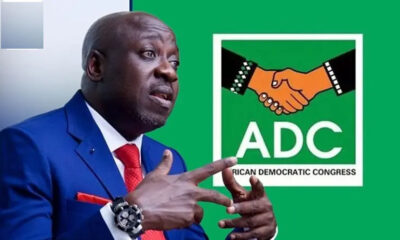
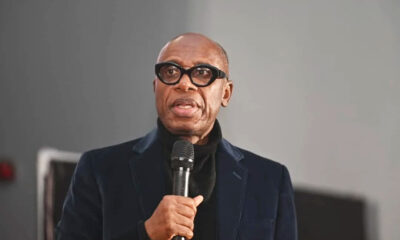
The African Democratic Congress (ADC) on Monday commenced its much-anticipated presidential primary election to select its candidate for the 2027 presidential election, setting the stage for a major political showdown among former Vice President Atiku Abubakar, ex-Minister of Transportation Rotimi Amaechi, and former banker Mohammed Hayatu-Deen.
The primary, which is being conducted across Nigeria’s 36 states and the Federal Capital Territory, comes after failed consensus talks among party stakeholders. Efforts by the party leadership to produce a single candidate reportedly collapsed after all three aspirants declined to step down, forcing the party to adopt the direct primary system in line with the provisions of the Electoral Act 2026.
The outcome of today’s exercise is expected to shape the future of the opposition coalition and determine who will carry the ADC’s flag into the high-stakes 2027 general election against President Bola Tinubu and the ruling All Progressives Congress (APC).
Political analysts believe Atiku Abubakar enters the race as the leading contender due to his deep political structure, nationwide visibility, and decades of electoral experience. Since leaving the Peoples Democratic Party (PDP) in late 2025, Atiku has played a central role in building the ADC as a formidable opposition platform. Working alongside former Senate President David Mark and ex-Osun State governor Rauf Aregbesola, he has pushed for a broad-based opposition alliance to challenge President Tinubu in 2027.
Analysts say Atiku’s strongest advantage lies in his vast political network and his ability to mobilise delegates across regional blocs. However, his candidacy has also sparked debate within the party, with critics arguing that Nigeria may need a younger face and a fresh political direction after decades of recurring presidential bids.
READ ALSO:
- ADC Dissolves David Mark-Led NWC, Picks Kachikwu as Presidential Candidate
- BBNaija’s Phyna Exposes Alleged WhatsApp Chats, Accuses VeryDarkMan of Sexual Advances, Retaliation
- Trump’s Reception of Ambassador Are Signals Stronger Nigeria–US Partnership
Former Rivers State governor Rotimi Amaechi is widely regarded as Atiku’s biggest challenger. The former transportation minister has built his campaign around his record in public service, particularly his role in expanding Nigeria’s railway infrastructure under President Muhammadu Buhari.
Amaechi’s supporters insist that the presidency should remain in the South in line with Nigeria’s informal zoning arrangement. They argue that his governance record, especially his performance as Rivers governor, gives him stronger reform credentials than his rivals. Amaechi has also repeatedly dismissed speculation that he could settle for a vice-presidential slot, insisting he is fully in the race to clinch the ADC ticket.
Despite his influence in southern political circles, analysts say his biggest hurdle remains expanding his support beyond his traditional power base to compete with Atiku’s nationwide political machinery.
For Mohammed Hayatu-Deen, today’s primary represents an opportunity to offer a technocratic alternative to Nigeria’s traditional political establishment. The economist and former banking executive has anchored his campaign on economic recovery, job creation, institutional reforms, and governance accountability.
He has consistently urged ADC members to reject what he described as “recycled politics,” insisting that competence and policy expertise should define the party’s choice. Hayatu-Deen recently gained momentum after securing the endorsement of the ADC South-West Professionals Forum, which described him as the aspirant best positioned to tackle Nigeria’s worsening economic crisis.
However, while his policy-driven campaign has attracted intellectual and professional support, political analysts say he still faces a major challenge in building the grassroots structure needed to defeat two established political heavyweights.
Today’s ADC presidential primary is widely viewed as a major test of the party’s internal democracy and ability to manage competing ambitions within its expanding opposition coalition. The winner will immediately face the task of uniting supporters of the defeated aspirants and presenting a formidable challenge in the 2027 presidential race.
Political stakeholders say the credibility of today’s process could significantly influence the ADC’s standing as a serious alternative platform for Nigerians seeking change in the next election cycle. With voting underway, attention now turns to whether the party will emerge stronger and more united after one of the most consequential opposition primaries in recent Nigerian political history.
Atiku, Amaechi in Fierce Contest as ADC Picks Presidential Candidate Today









Politics
2027: ADC Vows to Collate, Share Polling-Unit Results Despite INEC Warning
2027: ADC Vows to Collate, Share Polling-Unit Results Despite INEC Warning
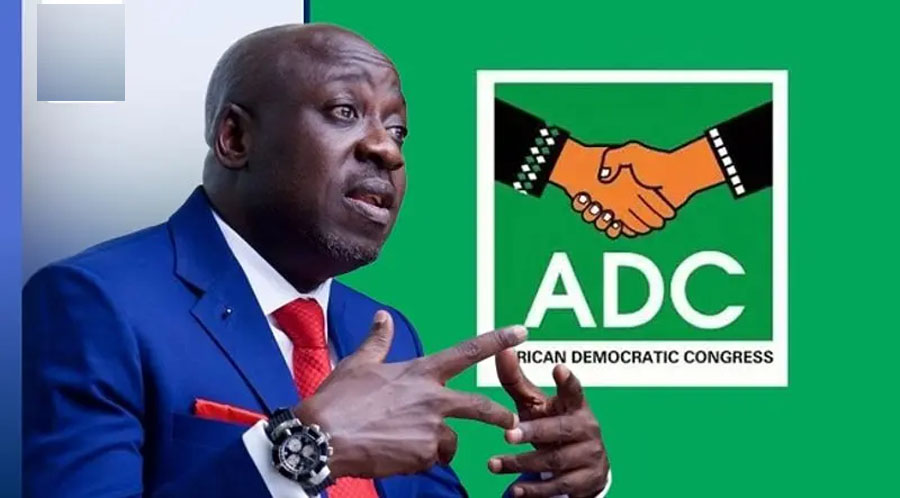
The African Democratic Congress (ADC) has vowed to independently document, collate and share polling-unit results during the 2027 general elections, despite a warning from the Independent National Electoral Commission (INEC) against the publication of privately collated results.
The ADC said its plan is aimed at protecting votes cast for its candidates and ensuring that results announced at the end of the electoral process reflect the figures recorded at polling units.
The party’s National Publicity Secretary, Bolaji Abdullahi, said the ADC recognised INEC’s statutory responsibility to collate and officially declare election results, but maintained that citizens and political parties have the right to collect and share information, including election results.
Abdullahi’s position followed a recent warning by INEC Chairman, Professor Joash Amupitan, against the sharing of privately collated election results.
The ADC argued that independently gathering and publishing polling-unit figures does not prevent INEC from carrying out its constitutional responsibility to conduct the election, collate official results and declare winners.
Under Nigeria’s electoral system, INEC conducts the official collation and declaration process through various levels, from the Registration Area and Local Government Area to state and, for the presidential election, the national level.
READ ALSO:
- Court Grants Alleged Fake JAMB Registrar N50m Bail, Sets Strict Conditions
- NESREA to Honour Lagos Baale After Dramatic Rescue of Endangered Sea Turtle
-
How Six Members of a Family Were Murdered in Oyo
The ADC said its independent collation would provide its candidates and supporters with their own record of results from polling units and allow them to compare those figures with results emerging through the official process.
The party has previously said its decision was influenced by the 2023 general elections, when concerns arose over the electronic transmission of results to the INEC Result Viewing Portal (IReV).
Abdullahi had said the party would no longer rely solely on INEC to protect its votes, arguing that political parties must put their own mechanisms in place to monitor results from polling units through the collation process.
The ADC has also raised concerns about the appointment of Returning and Collation Officers for the 2027 elections.
In September, the party called on INEC to review the use of academics who had openly expressed support for political candidates in sensitive electoral positions.
It argued that people who had publicly taken partisan positions should not subsequently be assigned responsibilities involving the collation of results or declaration of winners in elections contested by their preferred candidates.
The party urged INEC to publish the names of proposed Returning and Collation Officers ahead of the elections to allow political parties and members of the public to raise concerns about possible conflicts of interest.
The latest dispute has placed renewed focus on the distinction between independent election monitoring by political parties and the official collation and declaration of results, which remains the responsibility of INEC.
The ADC maintains that its planned collection and publication of polling-unit figures is intended to promote transparency and protect its votes, rather than replace INEC’s official declaration.
As preparations for the 2027 elections intensify, the disagreement highlights the growing debate over how political parties, election observers and citizens should independently monitor results while preserving INEC’s legal authority over the official electoral process.
2027: ADC Vows to Collate, Share Polling-Unit Results Despite INEC Warning
Politics
Killings, Hardship: Northern Islamic Clerics Tell Tinubu to Drop 2027 Ambition
Killings, Hardship: Northern Islamic Clerics Tell Tinubu to Drop 2027 Ambition
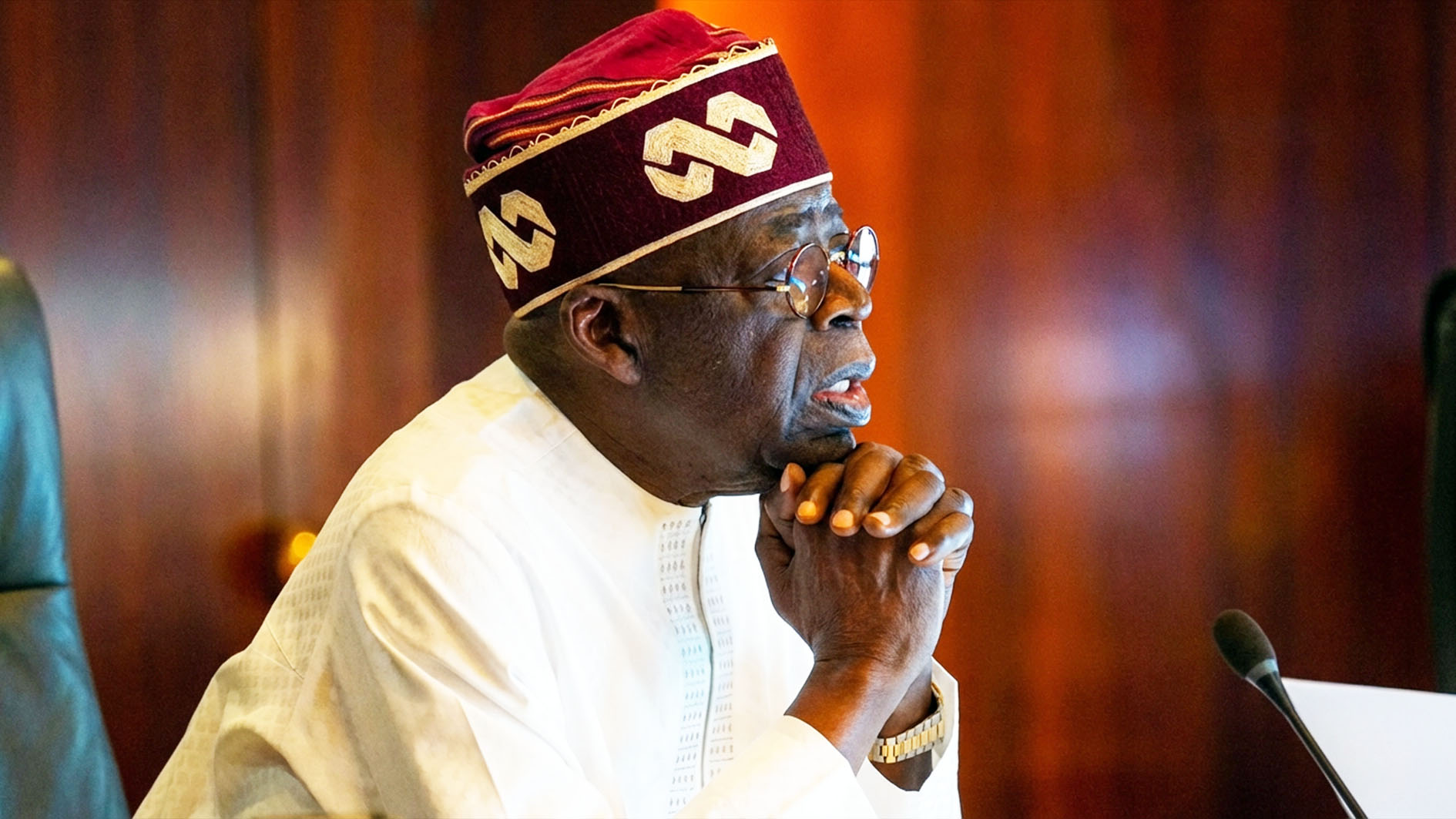
More than 1,000 northern Islamic clerics have called on President Bola Ahmed Tinubu to abandon his ambition to seek re-election in 2027, citing persistent killings, kidnappings, terrorism and economic hardship across the country.
The clerics made the demand in a communiqué issued after a national conference in Kano titled “An Assessment of the State of the Nation under President Tinubu and the 2027 General Elections.”
The conference was organised under the Ko Da Naka platform in collaboration with the AFAQ Educational Foundation.
The clerics expressed particular concern over worsening insecurity in the North-West, where communities have continued to face attacks, kidnappings and other forms of violence.
They urged the Federal Government to take stronger and more effective measures to protect lives and property, warning that the security situation should be a major consideration in determining who Nigerians support in the 2027 elections.
The clerics also asked Tinubu to reconsider his plan to seek another term in office.
They said that if the President decides to contest despite what they described as the country’s worsening security and economic challenges, Nigerians should reject his candidacy at the polls.
The group said political leaders must be judged by their performance in office rather than party affiliation, ethnic identity or regional interests.
READ ALSO:
- [UPDATED] 20 NYSC Prospective Corps Members Freed After Seven Days in Captivity
- 2027 Election Cases: CJN Warns Tribunal Judges, Says Conduct Will Be Monitored
- NSCIA Rejects Genocide Claims, Demands Urgent Security Overhaul
The clerics also criticised key economic policies of the Tinubu administration, including the removal of the fuel subsidy, changes to the foreign exchange regime, increases in electricity tariffs and ongoing tax reforms.
They argued that the policies had contributed to rising living costs and increased pressure on households, businesses and vulnerable Nigerians.
According to the clerics, the government should review policies that have increased the cost of living and focus more on improving citizens’ welfare.
They also raised concerns about the continued migration of skilled Nigerian professionals, including doctors, teachers and engineers, to other countries.
The clerics attributed the trend partly to poor working conditions, inadequate facilities, unemployment and economic pressures, urging the government to create better opportunities for professionals to remain in Nigeria.
They further called on Islamic scholars and religious leaders to remain independent and speak against wrongdoing regardless of the political party, ethnicity or religion of those involved.
The clerics urged Nigerians to place national interest above religious, ethnic and political considerations when choosing leaders in 2027.
They said voters should assess political candidates based on their competence, integrity, experience and policies rather than relying solely on party loyalty.
The intervention comes as political parties and presidential aspirants intensify preparations for the 2027 general elections, with insecurity, economic hardship and governance expected to feature prominently in the political debate.
The clerics’ position adds another voice to the growing scrutiny of the Tinubu administration as political activities ahead of the 2027 presidential election gather momentum.
Killings, Hardship: Northern Islamic Clerics Tell Tinubu to Drop 2027 Ambition
Politics
2027: Donald Duke Pledges To Bring Petrol Price Down To N300 Per Litre
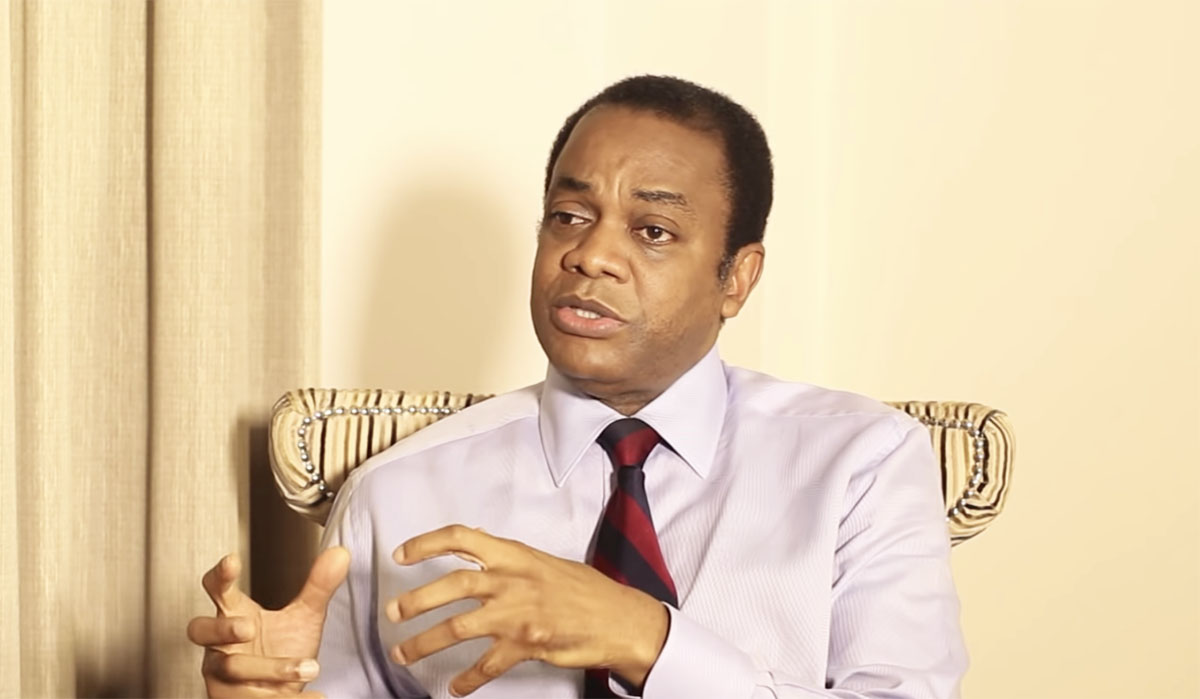
2027: Donald Duke Pledges To Bring Petrol Price Down To N300 Per Litre
Presidential candidate of the Peoples Redemption Party (PRP), Donald Duke, has pledged to work towards reducing the price of petrol to about N300 per litre if elected president in the 2027 presidential election.
Duke, a former governor of Cross River State, made the pledge during an interview on Channels Television’s The Morning Brief, where he outlined his proposed approach to the petroleum sector and Nigeria’s wider economy.
The PRP candidate said petroleum products for domestic consumption should be priced based on the cost of production rather than being fully exposed to international market prices.
He proposed allocating about 600,000 barrels of crude oil per day for domestic consumption, while selling the remaining crude on the international market.
Asked what petrol could cost under his proposed administration, Duke said: “I will try and bring it to about N300.”
He acknowledged that the target could appear ambitious but maintained that his proposed crude allocation and domestic pricing model could make it achievable.
READ ALSO:
- Olu of Warri Denies N2.7tn Pipeline Deal, Demands Evidence From Dokubo
- BREAKING: NLC Shuts Down Abuja Indefinitely Over FCT Teachers’ Promotion Dispute
- Troops Crush Four-Front ISWAP Assault, Kill Over 25 Terrorists In Borno
Duke argued that fuel prices have a direct impact on transportation, businesses and household expenses, making affordable energy important to economic activity.
“Fuel drives your economy. It should be available. It should be affordable,” he said.
The former Cross River governor also indicated that he would pursue a different economic approach from the policies of President Bola Tinubu if elected.
His proposal comes amid continuing debate over petrol prices, fuel subsidy removal, domestic refining and crude oil allocation in Nigeria.
The N300 target is part of Duke’s proposed 2027 economic agenda and would depend on the implementation of the policies he has outlined if he wins the presidential election.
2027: Donald Duke Pledges To Bring Petrol Price Down To N300 Per Litre
-

 metro3 days ago
Ondo Air Tragedy: Soldiers, Families Among 32 Killed In NAF Crash
-

 metro3 days ago
Gunmen Open Fire At Lagos Bus Stop, Kill NURTW Member, Injure Three
-

 metro3 days ago
Ogun Crash: Nine Die As Bus Collides With Truck On Ijebu-Ode-Ore Road
-
 metro3 days ago
Supreme Council For Sharia Secretary-General Nafiu Baba-Ahmed Dies
-

 metro2 days ago
UCH CMD: After Decades Without Muslim, Agunbiade Demands Fair Chance
-
![[UPDATED] 20 NYSC Prospective Corps Members Freed After Seven Days in Captivity](https://newstrends.ng/wp-content/uploads/2026/10/20-NYSC-Prospective-Corps-Members-Freed-After-Seven-Days-in-Captivity-400x240.jpg)
![[UPDATED] 20 NYSC Prospective Corps Members Freed After Seven Days in Captivity](https://newstrends.ng/wp-content/uploads/2026/10/20-NYSC-Prospective-Corps-Members-Freed-After-Seven-Days-in-Captivity-80x80.jpg) metro19 hours ago
metro19 hours ago[UPDATED] 20 NYSC Prospective Corps Members Freed After Seven Days in Captivity
-

 International3 days ago
Kemi Badenoch: I Don’t Want Migrants Turning UK Into Nation Of ‘Little Ghettos’
-
 metro2 days ago
Seven Years With Parkinson’s: Man Seeks N65m for Brain Surgery in Türkiye