

Politics
Dickson Fires Back at Obi, Kwankwaso Supporters: ‘Stop Running Down NDC
Dickson Fires Back at Obi, Kwankwaso Supporters: ‘Stop Running Down NDC
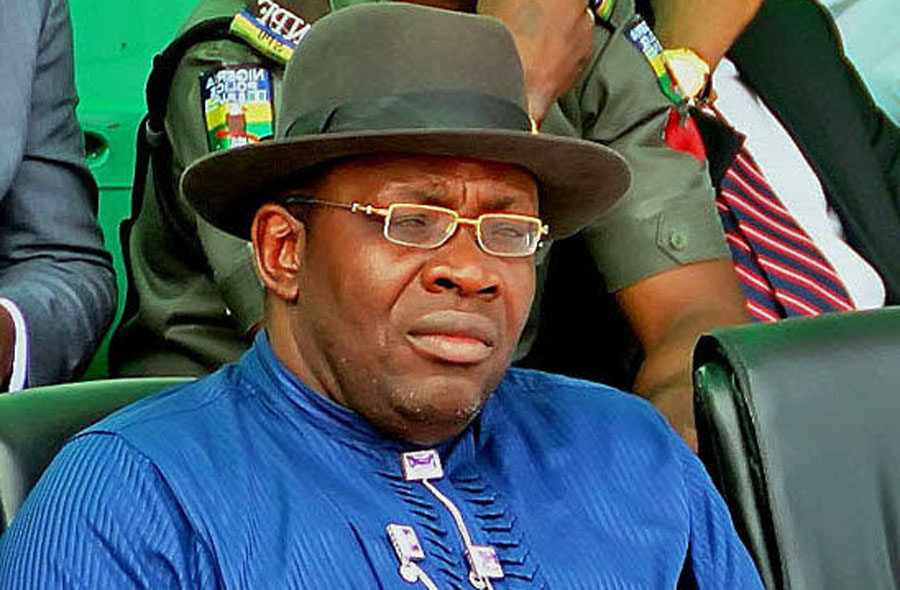
The National Leader of the Nigeria Democratic Congress (NDC) , Senator Seriake Dickson, has issued a stern warning to overzealous supporters of the party’s presidential candidate, Peter Obi, and his running mate, Rabiu Kwankwaso, cautioning them against disparaging and running down the political platform that carries their aspirations ahead of the 2027 general election.
Speaking on Arise TV’s Prime Time programme, the former Bayelsa State governor dismissed rumours of an internal crisis, firmly asserting that the political party is doing the candidates a favour by granting them a platform, rather than the other way around.
In his address to the candidates’ followers, Dickson emphasised the foundational sacrifices made by the party’s leadership long before the prominent political heavyweights defected to the fold. “Peter Obi is a cherished member of our party. On our own, we have made him sole presidential candidate, and that counts for something. None of them was part of the formation when we were registering this party; they were not there. They didn’t pay one naira, no presidential candidate paid ‘shishi’,” Dickson stated.
He reminded critics that neither Obi nor Kwankwaso was part of the initial formation or registration process of the party, noting that they did not contribute financially to its establishment. “You have to grant NDC some credit. Stop making it look like anyone is doing NDC a favour. No one is. Rather, the NDC and my colleagues are doing them [candidates] a favour by granting them our platform,” he said.
The Senator expressed frustration that supporters are attempting to portray the candidates as doing the NDC a favour, arguing that followers cannot claim to support the candidate while simultaneously insulting the leader of the host platform. “You cannot be supporting Peter Obi, if you are genuinely supporting him, and you are disparaging me, the leader, or the platform itself. That is nonsensical,” Dickson warned.
Dickson further argued that the growing belief that the NDC was benefiting from Obi’s popularity was inaccurate, insisting that the party was instead extending an opportunity to the former Labour Party presidential candidate. “Now, NDC is the vehicle that will take Peter Obi and Kwankwaso to the Villa. So if they understand the processes, even if there’s no gratitude to those who set up the NDC and offered it, they should know that they are hurting themselves if they run down the platform,” he warned.
READ ALSO:
- World Cup 2026 Kicks Off as Mexico Renew Rivalry With South Africa
- Ceasefire Near Collapse as US Launches Second Night of Strikes on Iran
- Emir of Ilorin Appoints Sheikh Muhammad Bashir Dasuki as New Chief Imam of Ilorin
In a notable remark during the interview, Dickson declared that he possesses stronger credentials to contest for Nigeria’s highest office than Obi and Kwankwaso, although he said he deliberately decided against pursuing the presidency. “There is no one more qualified than me to run for the presidency. And for some reasons, I did not want to,” Dickson said. He noted that several prominent politicians had approached the NDC before Obi joined the party, including Senator Aishatu Binani from Adamawa State and others from across the country.
Dickson flatly denied allegations that the NDC sold nomination tickets to the highest bidders, describing such claims as unfounded. “The NDC doesn’t sell nomination tickets to people. What we have done, because we are a self-funding party, is to have aspirants make contributions and donations to the party account, and it applies to all categories of aspirants including the presidential aspirants,” Dickson explained. He added that a presidential aspirant is required to make a donation to the presidential campaign account, not to any individual, stressing: “We gave our platform to them [aspirants] without discussing money.”
Addressing concerns over donations, the NDC National Publicity Secretary, Osa Director, denied that there was any rift within the party. He said donations by party members were voluntary and neither compulsory nor fixed, explaining that all donations are paid directly into official party accounts to ensure accountability and transparency.
Turning to broader electoral issues, Senator Dickson criticized the National Assembly’s interference in party administration, arguing that lawmakers have no business mandating direct primaries for political parties. He insisted that the choice of the mode of primary elections should be left entirely to the discretion of individual parties, highlighting that direct primaries often lead to chaotic situations where factions generate parallel and unverified results from unmonitored crowds.
Meanwhile, fresh internal tensions have emerged within the NDC in Kano State, with senior party officials accusing Kwankwaso of attempting to dominate the party’s structure and sideline other stakeholders. According to a petition reportedly submitted to Dickson by the North-West Vice Chairman of the party, Mohammed Serina, and the Kano State Chairman, Hussaini Mariga, a reconciliation meeting convened by the national leadership had earlier agreed that Kwankwaso and members of the Kwankwasiyya Movement would control 60 per cent of the party structure in Kano, while the remaining 40 per cent would be retained by other stakeholders. However, the Kwankwasiyya Movement rejected the allegations, describing them as false and misleading.
The controversy over nominations gained additional momentum following allegations made by Nollywood actor and lawyer Kenneth Okonkwo, who served as one of the official spokespersons for the Peter Obi/Yusuf Datti Presidential Campaign Council during the 2023 elections. Okonkwo recently released what he described as documentary evidence in support of allegations that aspirants were pressured to make payments during the party’s primary elections. In response, Peter Obi has threatened legal action against Okonkwo over the allegations, with a letter by Obi’s legal counsel dated June 9, 2026, describing Okonkwo’s allegations as fabricated and damaging.
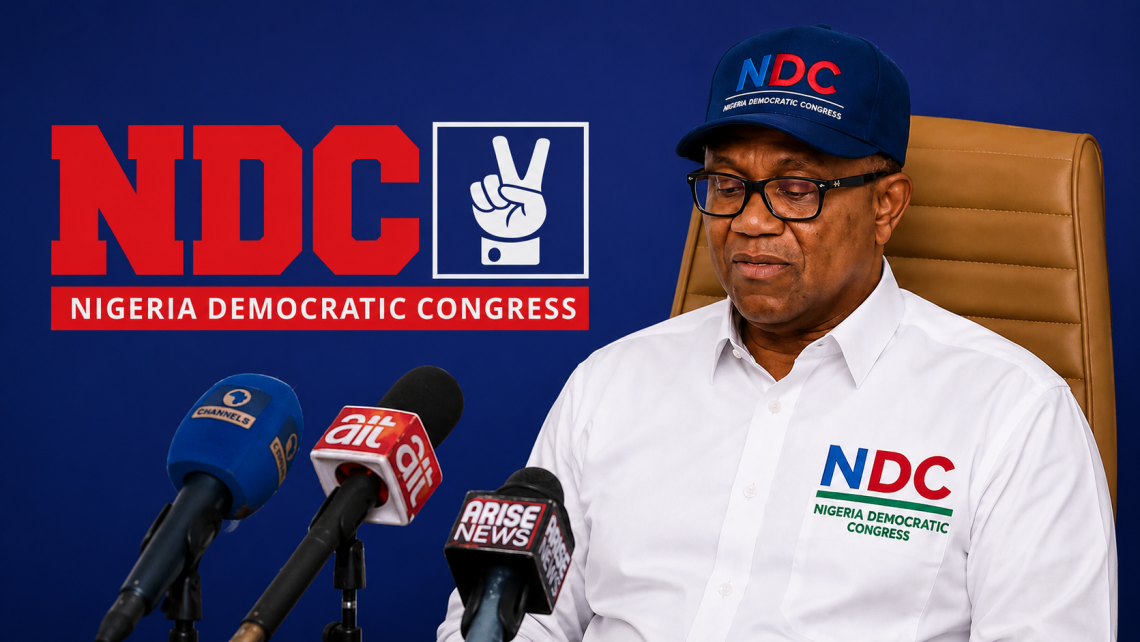
The NDC officially endorsed former Anambra State Governor Peter Obi as its presidential flagbearer for the 2027 general election at a special national convention in Abuja on May 30, 2026. Shortly after accepting the nomination, Obi announced former Kano State Governor, Senator Rabiu Kwankwaso, as his running mate, describing Kwankwaso as a trusted partner who would play a central role in governance rather than serve as a ceremonial deputy.
In his acceptance speech, Obi identified security, national unity, power supply, healthcare, education, youth empowerment and job creation as key priorities of his administration if elected. He also pledged to reduce the cost of governance and ensure prudent management of public resources. Obi further promised that the vice president under his administration would play a meaningful role in governance. “I will make democracy work, and the Vice President will be a partner, not a spare tyre,” Obi stated.
The NDC leader expressed confidence that the party would remain a formidable platform ahead of the 2027 elections, arguing that growing public frustration over insecurity, economic hardship and governance challenges has created a strong appetite for political change. “The issues before Nigerians are too serious for us to be distracted by unnecessary divisions. Our focus must remain on insecurity, the economy, unemployment and the future of our country,” Dickson said. He urged supporters to channel their energy towards mobilising voters and promoting the party’s message rather than engaging in internal attacks, maintaining that the NDC leadership remains intact and united.
Dickson Fires Back at Obi, Kwankwaso Supporters: ‘Stop Running Down NDC






Politics
Benue Govt Challenges Obi to Name Aide Behind Yelewata Convoy Blockade
Benue Govt Challenges Obi to Name Aide Behind Yelewata Convoy Blockade
…Says police should arrest anyone found culpable
The Benue State Government has challenged the presidential candidate of the Nigeria Democratic Congress, Peter Obi, to identify the government aide he alleged mobilised youths to block his convoy from accessing Yelewata community in Guma Local Government Area of the state.
The government said it was ready to support a full investigation into the incident and insisted that anyone found to have orchestrated the alleged obstruction should face the law.
The challenge was issued by the Chief Press Secretary to Governor Hyacinth Alia, Tersoo Kula, while appearing on The Morning Show, an Arise TV programme, on Wednesday.
Kula urged Obi and the NDC to go beyond making the allegation by naming the alleged aide and presenting evidence linking the individual to the reported blockade.
He said the police had the statutory responsibility to investigate the allegation, identify those behind the incident and prosecute anyone found culpable.
“The incident was completely unknown to the government until we started seeing pictures of what was happening,” Kula said.
He added, “I challenged them that they should name that aide. They mentioned a particular aide, and we said they should go ahead and mention him. If there’s any evidence, the police commissioner should ensure that the person who directed this is arrested and brought to book.”
The governor’s spokesman dismissed suggestions that Governor Alia could have deployed youths to frustrate Obi’s movement, insisting that the governor did not encourage political thuggery.
According to Kula, if Obi’s visit was considered a security or political threat, the appropriate course of action would have been to deploy recognised security agencies rather than mobilise youths.
“Governor Alia does not promote thuggery in Benue State. If Obi is a threat to him, or maybe he felt that Obi’s coming would cause a problem for him, the right thing to do is to get legitimate security operatives to do the needful and not to gather youths or send them to go and block him,” he said.
The controversy erupted following Obi’s reported attempt to visit Yelewata, a community in Guma LGA that was devastated by a deadly attack in June 2025, in which more than 200 people were reportedly killed.
Obi subsequently accused the state government of frustrating his visit after youths allegedly blocked his convoy and prevented him from accessing the community.
The Benue State Government, however, has denied having prior knowledge of the former Anambra State governor’s visit.
Kula reiterated that neither Governor Alia nor the state security agencies were informed ahead of Obi’s movement to Yelewata.
He questioned how a presidential candidate could embark on a visit to a security-sensitive community without ensuring that the relevant security agencies were adequately informed.
“If you are visiting a state, the security apparatus of the state is supposed to know. The Commissioner of Police, Director of DSS, Civil Defence and others are supposed to be aware so that they can provide adequate security for you,” he stated.
Kula also questioned how youths could have successfully blocked Obi’s convoy if adequate security arrangements had been made for the visit.
He maintained that the governor had not received any security briefing concerning Obi’s movement to Yelewata.
Meanwhile, the governor’s spokesman acknowledged that insecurity remained a major concern in Benue, despite describing the security situation as having improved to what he called “relative peace.”
He, however, stressed that the improvement would not make the state government complacent.
“What is happening in Benue State in respect to insecurity is happening to other states. It’s not peculiar to Benue,” Kula said.
“But there is no excuse saying that because it’s happening to other states, we should be comfortable. We are not comfortable.”
He said Governor Alia remained deeply concerned about insecurity and was committed to reducing attacks across the state to the barest minimum.
The latest controversy comes against the backdrop of heightened political activity and continuing concerns over security in parts of Benue, with the Yelewata incident again putting the state’s security situation and the relationship between political actors under public scrutiny.
Benue Govt Challenges Obi to Name Aide Behind Yelewata Convoy Blockade
Politics
Benue Govt Blasts Obi Over ‘Unapproved’ Visit: ‘He Is Looking For Our Trouble’
Politics
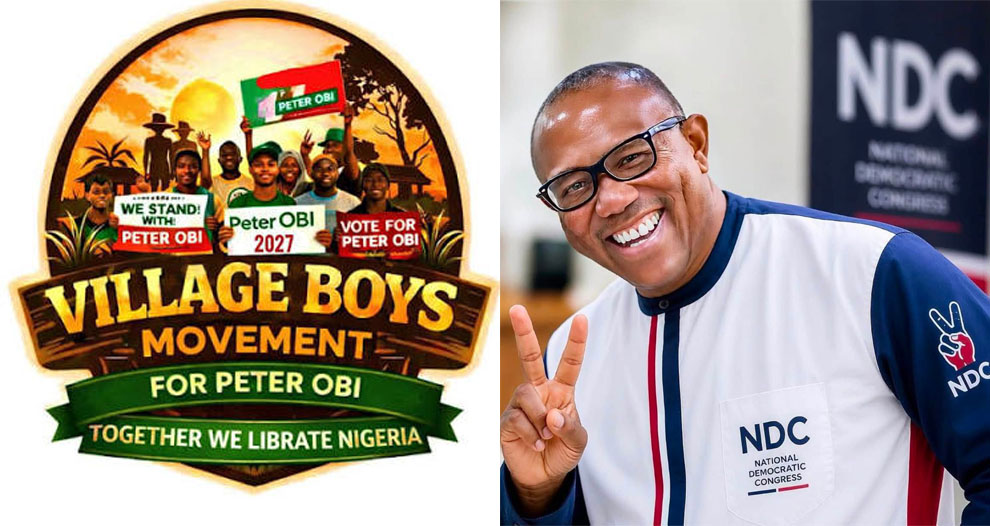
Igbo Group Rejects Tinubu Endorsement, Pledges Grassroots Support for Peter Obi in 2027
-

 Auto3 days ago
Kaduna to Lead Govt Patronage of Local Vehicles as Sani Unveils Peugeot 5008
-
 metro2 days ago
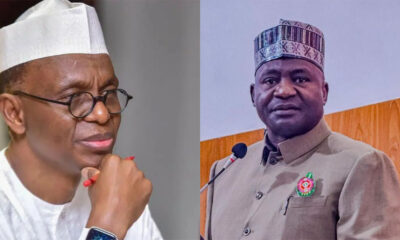
El-Rufai Demands ₦10bn from Defence Minister Over Southern Kaduna Killings Allegation
-
 metro2 days ago
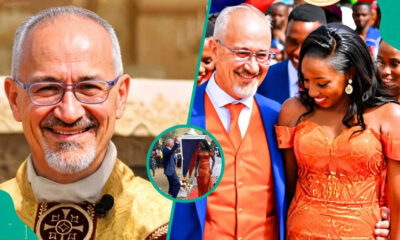
Catholic priest leaves priesthood, weds Kenyan woman after 12 years in Kenya
-

 News1 day ago
Lagos Moves to Slash Agency Fees, Curb Rent Hikes With New Tenancy Bill
-
 metro2 days ago
Oyoland Grand Chief Imam Celebrates Dr Sharafudeen Raji for Service to Islam
-
 metro2 days ago
No US Case Against Tinubu, Family Enjoy Unimpeded Transit for UNGA — Ambassador Ibrahim
-
 metro1 day ago
Osun Police Arrest Woman After Vigilante Member Dies During Sexual Encounter in Ile-Ife
-
 metro3 days ago
Socialite Igho ‘Tiny’ Ubiribo Dies After Penis Enlargement Surgery