

Business
Elon Musk Becomes World’s First Trillionaire After SpaceX IPO Valuation Surge
Elon Musk Becomes World’s First Trillionaire After SpaceX IPO Valuation Surge
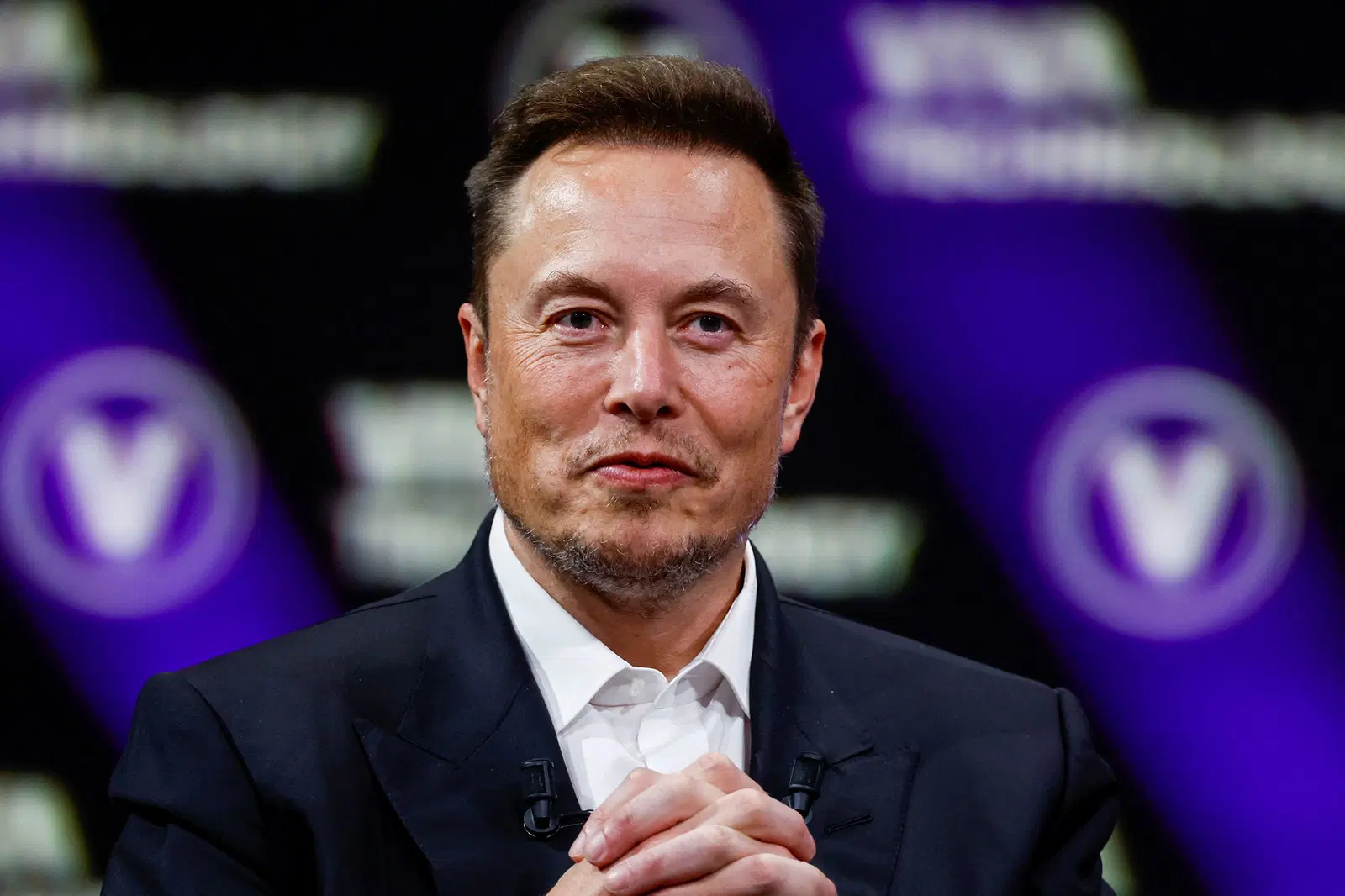
Elon Musk has officially entered uncharted financial territory after becoming the first individual in history to reach a $1 trillion net worth, following the blockbuster initial public offering (IPO) of SpaceX, which was priced at $135 per share.
The milestone marks a dramatic reshaping of global wealth rankings, driven primarily by the surge in valuation of SpaceX, the aerospace and space exploration company at the center of Musk’s financial empire.
The SpaceX IPO has been described as one of the most significant private-to-public transitions in modern financial history. With shares debuting at $135, investor demand pushed the company’s valuation to unprecedented levels, instantly elevating Musk’s paper wealth. Before the IPO, Musk’s net worth was estimated at approximately $813 billion, already positioning him far ahead of other global billionaires, including Google co-founder Larry Page, whose estimated wealth stood at about $288 billion. Following the listing, Musk’s total fortune is now estimated at just over $1.005 trillion, making him the world’s first confirmed trillionaire on paper.
According to the IPO structure, Musk holds approximately 4.8 billion shares in SpaceX, representing about 42% ownership, along with around 350 million stock options exercisable at a significantly lower strike price of $8.39 per share. At the IPO valuation, his SpaceX equity stake alone is worth roughly $648 billion, while stock options contribute an additional $44.3 billion. Combined with his holdings in Tesla and other investments, Musk’s total net worth crosses the symbolic $1 trillion threshold.
READ ALSO:
- Iran to US: No Deal Unless We Keep Enriching Uranium & Controlling Hormuz
- Sowore Collapses as Tear Gas Disrupts Democracy Day Protest in Abuja
- Oil Prices Slide as Trump Hints at Breakthrough in Iran Negotiations
Despite the historic milestone, financial analysts emphasize that Musk’s trillion-dollar status remains highly dependent on market conditions. Once trading begins on the Nasdaq Composite, fluctuations in SpaceX share price could significantly impact his net worth. A strong opening could push his fortune higher, while a decline could bring it back below the trillion-dollar mark. This volatility underscores a key characteristic of ultra-high-net-worth wealth: it is largely paper-based and market-sensitive, rather than liquid cash.
Musk’s achievement places his personal wealth in the same category as the gross domestic product of some of the world’s largest economies. Only a small number of countries globally—fewer than 20—have economies exceeding $1 trillion GDP, highlighting the scale of the milestone. The development has also intensified discussions around wealth inequality. Advocacy group Oxfam America has previously warned that extreme wealth concentration reflects widening economic disparities between the ultra-rich and the rest of the world.
While Musk remains the primary beneficiary of the IPO, the listing is also expected to generate substantial wealth for employees and early investors. Reports suggest that approximately 4,400 SpaceX employees could become millionaires depending on post-IPO market performance, marking one of the largest employee wealth creation events in the tech and aerospace sectors.
Musk’s rise to trillionaire status highlights the extraordinary growth of privately developed space technology and the increasing financial power of high-growth innovation companies. However, analysts caution that such milestones remain fluid, as billionaire rankings and net worth estimates can change rapidly based on market sentiment and stock performance.
Elon Musk Becomes World’s First Trillionaire After SpaceX IPO Valuation Surge









Auto
Honda shakes up Nigeria operations, dissolves HAWA, retains HMN
Honda shakes up Nigeria operations, dissolves HAWA, retains HMN
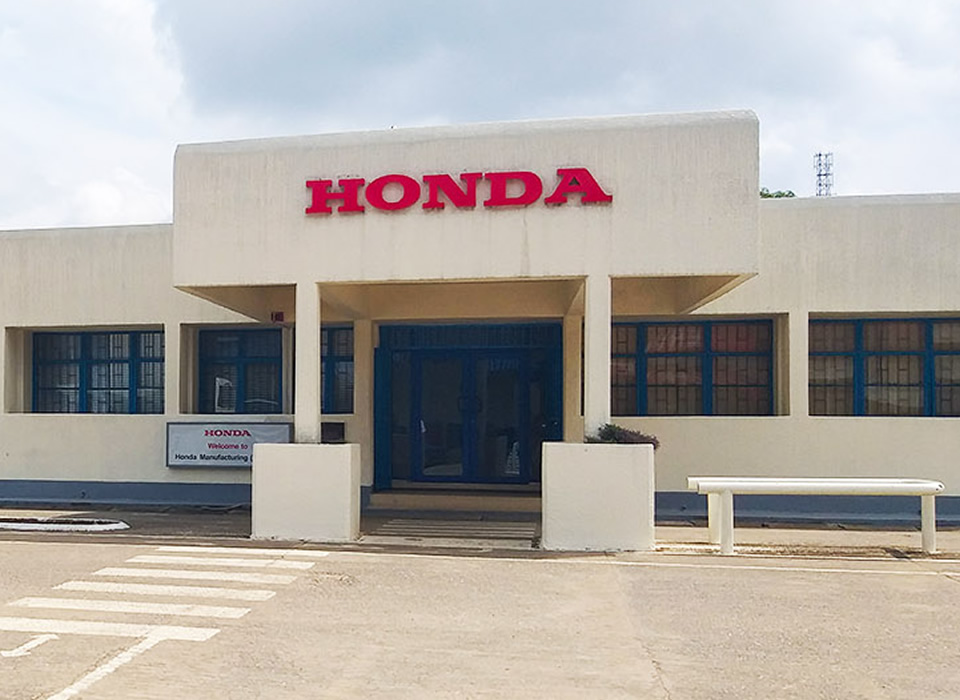
Japanese automobile giant, Honda, has overhauled its operations in Nigeria, dissolving its automobile arm, Honda Automobile Western Africa Limited, and folding its business into Honda Manufacturing Nigeria Limited.
The restructuring, which took effect on September 1, 2026, followed the sanctioning of the merger by the Federal High Court, with HMN emerging as the surviving entity.
Under the new arrangement, HAWA, which had been responsible for Honda’s automobile business operations in the country, has ceased to exist as a separate corporate entity, while HMN has taken over its assets, liabilities, contracts, rights, obligations and ongoing business operations.
Honda, however, moved quickly to allay concerns over the development, assuring customers, dealers and business partners that the restructuring would not disrupt its automobile operations or affect the level of service and support they receive.
In a notification to its business partners dated August 31, 2026, Honda said the restructuring had resulted in the consolidation of both companies into “one unified entity”, with HMN assuming all assets, liabilities, rights, obligations, contracts, undertakings and business operations previously held or conducted by HAWA.
READ ALSO:
- Fire Scare at Abuja Train Station as Electrical Fault Sparks Blaze, NRC Assures Passengers
- Veteran Nollywood Actress Cries Out for Financial Help Over Cervical Cancer Battle
- MURIC Raises Alarm Over Alleged Religious Imbalance in NDA 78RC Admission
The development means that existing relationships, arrangements and commitments involving HAWA will henceforth be managed and administered by HMN.
The company, however, stressed that the restructuring would not disrupt its automobile business operations in Nigeria.
“Automobile business operations previously conducted by HAWA will continue under HMN without interruption,” Honda assured its partners, adding that it remained committed to maintaining the same level of service, support and cooperation that customers and business partners had come to expect.
The restructuring is also expected to streamline Honda’s corporate structure in Nigeria by bringing its manufacturing and automobile business operations under a single surviving entity.
Honda said it was currently updating relevant corporate records and information as part of the integration process. These include corporate details, registered address, authorised signatories, management information and other related documentation.
It added that any changes requiring the attention of its business partners would be communicated in due course.
The company further requested the continued support and cooperation of its partners during the transition, while providing a copy of the Federal High Court order sanctioning the merger as an appendix to its notification.
Honda shakes up Nigeria operations, dissolves HAWA, retains HMN
Railway
Fire Scare at Abuja Train Station as Electrical Fault Sparks Blaze, NRC Assures Passengers
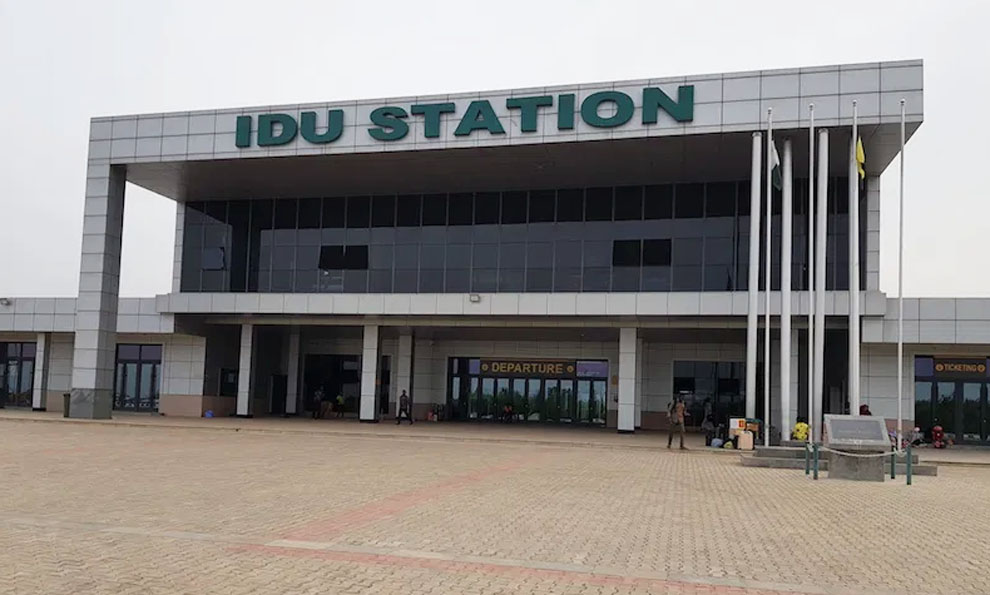
Fire Scare at Abuja Train Station as Electrical Fault Sparks Blaze, NRC Assures Passengers
A minor fire caused by an electrical fault broke out at the Idu Train Station in Abuja on Wednesday night, but the incident did not disrupt operations on the Abuja–Kaduna train route, the Nigerian Railway Corporation (NRC) has said.
The fire, which occurred in the station’s low-voltage electrical room, was detected at about 8:30 p.m. and was quickly brought under control by maintenance personnel.
A preliminary inspection showed that some electrical supply cables connected to the station’s control panels were damaged in the incident.
READ ALSO:
- Veteran Nollywood Actress Cries Out for Financial Help Over Cervical Cancer Battle
- MURIC Raises Alarm Over Alleged Religious Imbalance in NDA 78RC Admission
- Agunbiade fires back at Deji Yesufu: Don’t mistake Boko Haram for Islam
However, the NRC said the station’s solar power system was not affected, while power had been temporarily restored to the lifts and escalators.
According to the Corporation’s Chief Public Relations Officer, Callistus Unyimadu, all the lifts and escalators are currently operational except Lift 1.
The NRC stressed that the incident had no impact on Abuja–Kaduna train services, assuring passengers that scheduled operations would continue as normal.
The Corporation said its technical team was conducting a detailed assessment to establish the cause of the electrical fault and permanently restore the affected installations.
It added that appropriate safety measures had been put in place while the assessment and remedial work continued.
Fire Scare at Abuja Train Station as Electrical Fault Sparks Blaze, NRC Assures Passengers
Business
Nigerians Pay N44 Extra Per Litre as Retailers Defy Falling Depot Prices – Full Report

-
 Politics2 days ago
Why Did Peter Obi Attend Seyi Makinde’s Campaign Launch? Here’s What He Said
-

 News2 days ago
Lagos Moves to Slash Agency Fees, Curb Rent Hikes With New Tenancy Bill
-

 metro3 days ago
Catholic priest leaves priesthood, weds Kenyan woman after 12 years in Kenya
-
 metro3 days ago
El-Rufai Demands ₦10bn from Defence Minister Over Southern Kaduna Killings Allegation
-

 Education2 days ago
FG opens six-month teacher certification for BSc, HND, ND holders – How to Apply
-
 metro2 days ago
Osun Police Arrest Woman After Vigilante Member Dies During Sexual Encounter in Ile-Ife
-
 Politics9 hours ago
Remi Tinubu Appeals To South-East Voters, Says She Wants To ‘Enjoy Nigeria’ In Old Age
-

 Politics12 hours ago
Amaechi will be caged politically, Wike shouldn’t bother about Ikwerre votes — Wihioka