

International
Elon Musk Slams South Africa Over Starlink Ban, Calls Policy ‘Racist’
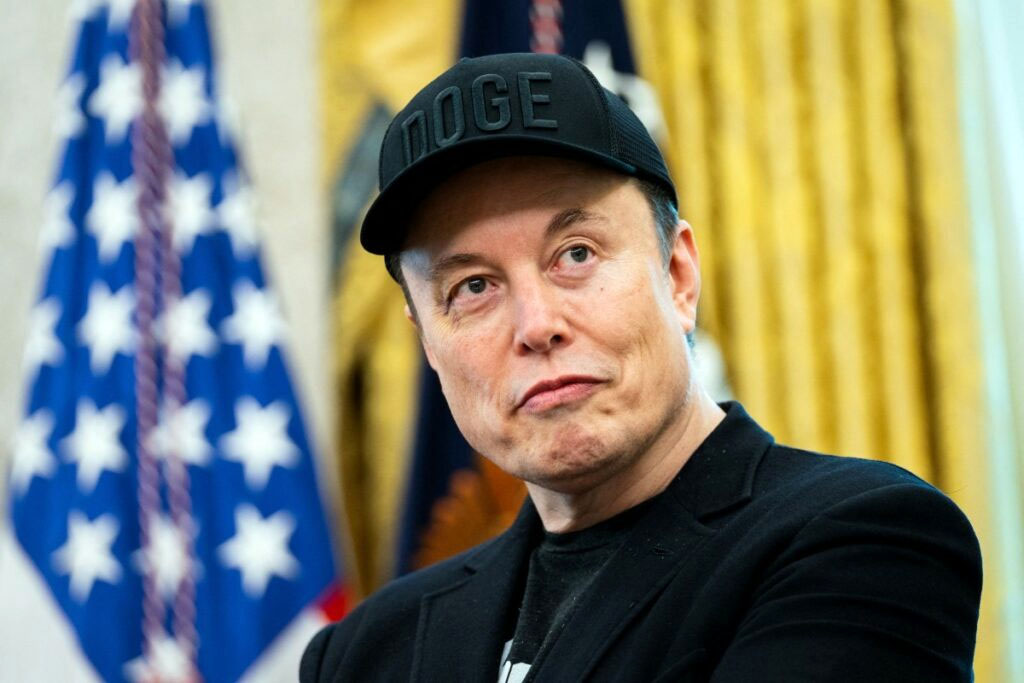
Elon Musk Slams South Africa Over Starlink Ban, Calls Policy ‘Racist’
Elon Musk has escalated his criticism of South Africa, accusing the government of racial discrimination following the continued refusal to grant an operating licence to his satellite internet service, Starlink.
In a strongly worded post on X (formerly Twitter) on Sunday, the SpaceX founder claimed that Starlink’s application had been blocked because he is not Black, despite being born in South Africa. The billionaire further alleged that the company was informally offered a workaround involving the appointment of a Black executive to satisfy ownership requirements, a move he said he rejected on principle.
The controversy centres on South Africa’s Broad-Based Black Economic Empowerment (B-BBEE) policy, which requires companies operating in sectors like telecommunications to meet equity thresholds, typically mandating at least 30 percent Black ownership. The policy was introduced to correct deep economic imbalances created during apartheid, but it has increasingly become a point of friction for foreign investors.
South African regulators, including the Independent Communications Authority of South Africa, have consistently maintained that the rules apply uniformly to all operators and are a legal requirement for licensing. Authorities have pushed back against claims of discrimination, insisting that the policy is aimed at economic redress rather than racial exclusion.
READ ALSO:
- Court Orders Forfeiture of Pastor Ebonyi’s Hotel, School, Factory Over Alleged N1.39bn Fraud
- Lagos 2027: APC Succession War Intensifies as Tinubu Reportedly Backs Hamzat
- Machete-Wielding Man Shot Dead After Injuring Three in New York
Musk has repeatedly criticised the framework, describing it as “unashamedly racist” and claiming that such policies contradict the legacy of Nelson Mandela. He has also alleged that numerous laws in the country unfairly disadvantage non-Black citizens, further fuelling the ongoing debate.
Despite the standoff, Starlink has continued its rapid expansion across Africa, now operating in nearly two dozen countries where it provides high-speed internet access to underserved communities, including schools and healthcare centres. South Africa, however, remains one of the few major economies on the continent where the service is unavailable.
Musk had previously proposed initiatives to support connectivity in rural South African communities, including offers to provide internet access to thousands of schools, but those plans have stalled due to regulatory hurdles tied to ownership compliance.
As of now, the South African government has not issued an official response to Musk’s latest remarks. However, previous statements suggest that there is unlikely to be any regulatory concession without full adherence to B-BBEE requirements.
The dispute highlights a broader tension between South Africa’s post-apartheid transformation policies and the expectations of global technology investors. Analysts say the outcome could shape future investment decisions and influence how African nations balance economic redress with the need to attract international business.
Elon Musk Slams South Africa Over Starlink Ban, Calls Policy ‘Racist’








International
Oil companies avoid Iran-blacklisted vessels as Hormuz shipping risks rise
Oil companies avoid Iran-blacklisted vessels as Hormuz shipping risks rise
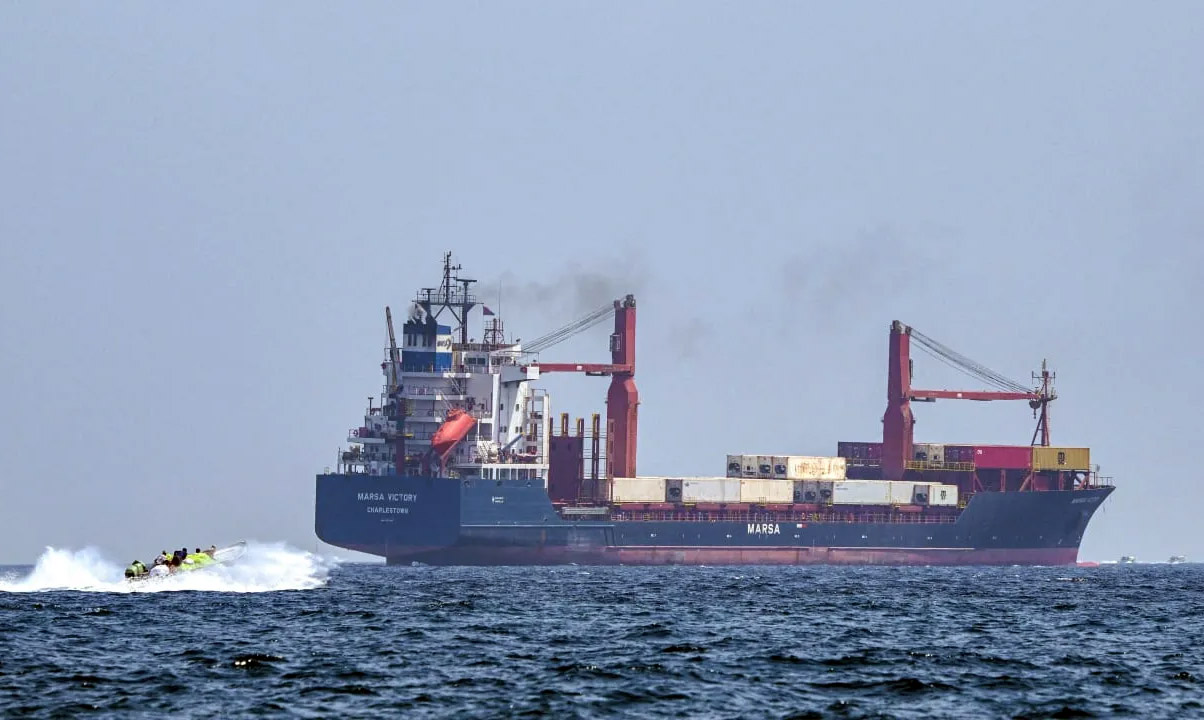
At least three Indian oil refiners and a major global energy company are planning to avoid vessels placed on Iran’s 45-ship blacklist, as heightened security and regulatory risks threaten to further disrupt commercial shipping through the Strait of Hormuz.
The companies are reconsidering the use of the blacklisted vessels, including for ship-to-ship (STS) transfers, after Tehran warned that vessels accused of violating its transit rules could face fines, detention and cargo confiscation.
Iran announced the blacklist on Sunday through the Persian Gulf Strait Authority, saying the vessels had violated its rules for crossing the strategic waterway. Tehran also warned that ships conducting STS transfers or other cargo operations with the blacklisted vessels could themselves face action or be added to the list.
The move has created fresh uncertainty for oil producers, refiners, shipowners, charterers and commodity traders that depend on the Strait of Hormuz to move crude oil, liquefied natural gas and petroleum products from the Gulf to international markets.
The blacklist includes very large crude carriers, LNG carriers, LPG tankers and product tankers. Some of the vessels are linked to major Gulf energy and shipping companies, including ADNOC Logistics & Services and Saudi Arabia’s Bahri, as well as other international operators.
The restrictions appear to be particularly aimed at shuttle tanker operations used by Gulf oil producers such as Saudi Arabia and the United Arab Emirates. Under the arrangement, tankers transport crude and other petroleum products through the Strait before transferring cargoes to larger vessels through STS operations in the Gulf of Oman.
READ ALSO:
- Borgu attacks: NSCIA demands urgent rescue of abducted Muslim worshippers
- Renewed Hope Mass Transit: FG Launches 100 Electric Buses for Federal Workers
- Ikeja Electric announces maintenance, warns of power interruptions in Lagos
Those transfers have helped maintain some Gulf oil exports despite the sharp decline in conventional shipping through the waterway.
However, the latest Iranian warning is forcing companies to reconsider whether the commercial benefits of such operations outweigh the risks.
Several charterers and shipping companies are reportedly holding internal discussions over whether to continue STS operations. A Gulf crude buyer told Reuters that purchasing oil on a delivered basis, rather than taking responsibility for cargoes at STS locations in the Gulf of Oman, could be a safer option.
Formosa Petrochemical is also reviewing its arrangements. Company president KY Lin said its internal departments were still discussing how to handle crude deliveries involving STS transfers through Hormuz in the longer term.
The impact could extend beyond the 45 vessels directly named by Iran because shipowners and charterers may become more cautious about dealing with any vessel that has previously interacted with a blacklisted tanker.
Kpler shipping analyst Ana Subasic said the main concern was a potential wider effect across the shipping industry. If Iran follows through on its threats, the number of shipowners, charterers and oil buyers willing to operate in the region could shrink, particularly among companies with significant exposure to Gulf energy shipments.
That could result in higher freight rates, insurance premiums and security costs, while also increasing the due-diligence requirements companies must meet before chartering vessels or arranging cargo transfers.
The blacklist is particularly sensitive because some of the affected vessels are connected to major Gulf energy companies, including Saudi Aramco and ADNOC. Shipping data indicate that the vessels have been used to transport crude oil, refined products and LNG. Neither Saudi Aramco nor ADNOC has publicly commented on the blacklist.
READ ALSO:
- One killed, three injured as gunman opens fire at Kano wedding
- Tragedy in Kano: Thugs Kill Resident Returning from Maulud Gathering
- APC Petitions Police, DSS Over Ogun 2027 Governorship Claim, Seeks Hunye’s Arrest
The security situation has also affected the visibility of some vessels. Two of the 12 very large crude carriers on Iran’s list stopped transmitting their locations through their automatic identification systems (AIS) after the blacklist was announced, while other vessels had already switched off their transponders.
Shipping traffic through the Strait of Hormuz remains well below recent averages. Preliminary Kpler data showed that only five commodity vessels crossed the waterway on Tuesday, compared with a 10-day average of 15 crossings. Four vessels crossed on Monday.
The low traffic levels underscore the seriousness of the disruption. The Strait is a critical route connecting the Persian Gulf with the Gulf of Oman and Arabian Sea, and its disruption has implications for global crude oil and gas supplies.
The latest Iranian restrictions come against the backdrop of an escalating confrontation involving Iran and the United States, with Washington increasing economic pressure on Tehran and the wider regional conflict continuing to affect maritime operations.
At the same time, Iran and Oman have resumed discussions over how commercial navigation through the Strait can be managed. The countries are considering a temporary shipping corridor and measures to clear mines from the waterway.
The talks could eventually help restore more predictable shipping, although analysts caution that any arrangement remains fragile and may not immediately return traffic to normal levels.
The continuing uncertainty is forcing energy companies to reassess their supply chains and shipping strategies.
For Indian refiners and other Asian oil buyers, avoiding blacklisted vessels could mean finding alternative tankers or changing the way crude is delivered. For Gulf producers, it could complicate the movement of cargoes through the waterway and increase the cost of getting oil to international customers.
The situation also creates additional pressure on the global oil market, where prolonged disruption to one of the world’s most important energy corridors could increase transportation costs and contribute to volatility in crude prices.
For now, the decision by several oil companies to avoid Iran-blacklisted vessels represents another indication that the Strait of Hormuz crisis is increasingly influencing commercial decisions across the international energy industry.
If Tehran begins enforcing its threatened penalties against vessels dealing with blacklisted tankers, the consequences could extend well beyond the 45 vessels currently identified, potentially reducing the pool of ships available for Gulf energy trade and adding another layer of risk to global oil and gas supplies.
Oil companies avoid Iran-blacklisted vessels as Hormuz shipping risks rise
International
Trump orders US flags lowered nationwide for one week to honour Dolly Parton

Trump orders US flags lowered nationwide for one week to honour Dolly Parton
US President Donald Trump has ordered American flags to be flown at half-staff across the United States for one week in honour of country music icon Dolly Parton, following her death at the age of 80.
Trump announced the directive on Tuesday, August 25, 2026, shortly after news of Parton’s death was made public. He said the US flags would be lowered from 6 p.m. Tuesday and remain at half-staff for one week as a mark of respect for the legendary singer, songwriter, actress and philanthropist.
“In her honour, I am lowering the American flag throughout the United States for a one week period beginning tonight at 6:00PM,” Trump wrote in a post on Truth Social.
The US President described Dolly Parton as “one of the greatest Country singers” and said her death represented “a true loss for millions of people.”
“There has never been anyone like her, and never will,” Trump added.
The presidential order extends the flag-lowering beyond government buildings in the United States. American flags at military posts, naval stations and other federal facilities, as well as US diplomatic and military facilities overseas, are also covered by the directive.
Parton’s death was announced on Tuesday by her nephew, Bryan Seaver. The announcement said the music legend had died peacefully in Nashville, Tennessee, surrounded by loved ones.
READ ALSO:
- Trump Says US Navy Cleared All Mines From Strait of Hormuz, Warns Iran of ‘Zero Tolerance’
- 2027: Sanwo-Olu’s Aide Accuses Atiku of Using Subsidy to Turn Nigerians Against Tinubu
- Ogogo’s First Wife Opens Up: Why He Asked Me to Quit Acting After Marriage
Her death brought an immediate wave of tributes from across the entertainment industry and beyond, with fellow musicians, public figures and fans celebrating her extraordinary career and humanitarian contributions.
Parton became one of the most recognisable figures in country music, building a career that spanned more than six decades. She was known for globally popular songs such as “Jolene,” “9 to 5,” “Coat of Many Colors” and “I Will Always Love You.”
Her influence extended beyond music. Parton enjoyed a successful career as an actress and businesswoman while also becoming widely respected for her philanthropic work.
One of her most notable initiatives was the Dolly Parton Imagination Library, a childhood literacy programme that provides free books to children. The programme has distributed hundreds of millions of books and expanded its reach to communities in several countries.
Parton also contributed significantly to medical research. During the COVID-19 pandemic, she donated $1 million to support research at Vanderbilt University that contributed to the development of the Moderna vaccine.
Her achievements earned her numerous honours, including 11 Grammy Awards, a Grammy Lifetime Achievement Award and inductions into the Songwriters Hall of Fame and Rock & Roll Hall of Fame.
Parton’s songs also became part of the wider American cultural landscape. “I Will Always Love You”, which she wrote and originally recorded, achieved renewed global success after Whitney Houston’s version featured in the 1992 film The Bodyguard.
Despite her enormous fame, Parton maintained a reputation for connecting with audiences across generations and political and cultural divides. Her work in entertainment, literacy, healthcare and community development helped establish a legacy that went well beyond her music.
Trump’s decision to lower the American flag for a private citizen represents an unusual federal tribute and underscores the scale of Parton’s cultural influence in the United States.
As tributes continue to pour in, Parton’s legacy is expected to endure through her music, films, business ventures and philanthropic initiatives, particularly programmes that continue to benefit children and communities around the world.
Trump orders US flags lowered nationwide for one week to honour Dolly Parton
International
Trump Says US Navy Cleared All Mines From Strait of Hormuz, Warns Iran of ‘Zero Tolerance’
Trump Says US Navy Cleared All Mines From Strait of Hormuz, Warns Iran of ‘Zero Tolerance’
President Donald Trump announced on Tuesday, August 25, that all mines in the international waters of the Strait of Hormuz have been cleared or detonated by the US Navy. In a post on his Truth Social platform, Trump stated: “I have just been informed by the United States Navy that all mines have been removed and/or detonated from within the International Waters of the Strait of Hormuz.” The President further warned that Iran had been notified that “any ship or boat placing new mines will be immediately and systematically destroyed.” He added that the United States is enforcing a “Zero Tolerance” policy on mine placement, and that the US Space Force is “watching every square inch of the Strait.”
Two US officials with direct knowledge of the matter confirmed Trump’s announcement, stating that the US Navy has cleared the Traffic Separation Scheme (TSS)—the median lane of the Strait that lies between Oman and Iran. During the conflict, Iran had deployed dozens of mines in the median lane, creating a significant hazard for commercial shipping. Over the past several months, US Navy underwater drones systematically scanned the area and located more than 100 objects suspected to be mines. The US military then contracted private companies to remove or detonate them. The clearing of the median lane now allows ships to move simultaneously in both directions through the strait with US Air Force protection. The operation comes as the US military has already been using the southern lane close to Oman’s coast to move oil tankers, with more than 500 ships transiting in the last 30 days.
READ ALSO:
- 2027: Sanwo-Olu’s Aide Accuses Atiku of Using Subsidy to Turn Nigerians Against Tinubu
- Ogogo’s First Wife Opens Up: Why He Asked Me to Quit Acting After Marriage
- BREAKING: Tinubu Orders Immediate Rescue of Niger Mosque Abduction Victims
Despite the President’s announcement, an August 25 advisory from the Joint Maritime Information Center (JMIC) warned of a “continued risk of drifting or uncharted mines” in and near the TSS, noting that mine danger areas remain active and “clearance and mine-surveying operations continue throughout the Strait of Hormuz.” JMIC maintained the overall threat level for the waterway at SEVERE. Trump’s statement specifically refers to mines in “International Waters,” while JMIC’s assessment covers the broader Strait and areas around the traffic separation scheme. Known mines in international waters may have been cleared while surveys continue for drifting or previously uncharted mines. Still, JMIC has not declared the Strait mine-free.
The strategic waterway, through which approximately one-fifth of global oil supplies normally pass, has seen a dramatic drop in traffic during the conflict. Oil flows fell to about 5 million barrels per day recently, down from over 20 million before the war. The removal of mines will allow significantly more oil tankers to transit the strait and reduce Iran’s leverage over global energy markets.
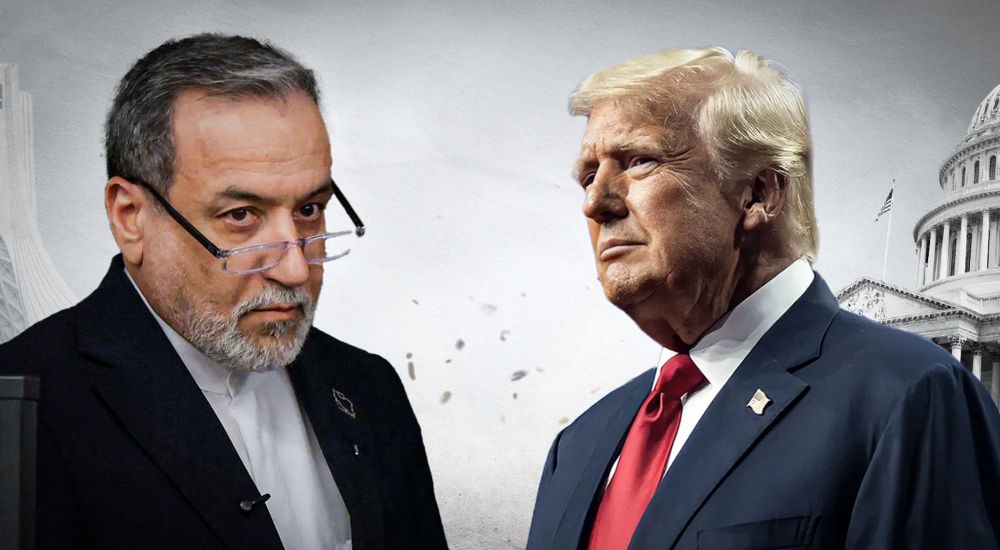
On the same day as Trump’s announcement, Iranian Foreign Minister Abbas Araghchi met with his Omani counterpart Sayyid Badr bin Hamad bin Hamood Al-Busaidi in Tehran to discuss a joint proposal for the Strait of Hormuz. The proposal includes establishing a temporary joint maritime corridor and an agreement to carry out a joint project for mine clearance. However, the two countries did not reach a deal, and questions remain over whether such an agreement would be relevant given the US blockade and Trump’s unilateral announcement of mine clearance.
Trump’s latest announcement comes as tensions remain high over access to the strategic waterway. This marks the second time in a week that Trump has declared the mine threat essentially eliminated. On August 18, he said the Strait was open and that “all water mines” had been removed or detonated, though maritime authorities maintained the operating environment remained dangerous. Iran has continued asserting authority over vessel movements, and the underlying dispute over the Strait’s status remains unresolved.
Trump Says US Navy Cleared All Mines From Strait of Hormuz, Warns Iran of ‘Zero Tolerance’
-

 Entertainment3 days ago
Veteran Nollywood Actor Taiwo Hassan ‘Ogogo’ Dies at 66 After Cancer Battle
-

 metro2 days ago
MUSCOYS Honours Pioneering Educationist with Commendation Award
-

 metro1 day ago
Traffic Alert: Lagos Announces Diversion as Oke-Afa Bridge Undergoes Rehabilitation
-

 metro1 day ago
LASG Moves to Fix Ikotun Junction, Seeks Community Support
-

 metro1 day ago
Lagos-Ibadan Expressway crash: Seven killed, two injured in three-vehicle collision
-

 News2 days ago
Lagos Pensioners Draw Battle Line with Government Over Pension Enhancement
-

 Entertainment2 days ago
Tears Flow in Ilaro as Nollywood Veteran Ogogo Is Laid to Rest
-

 Entertainment2 days ago
KWAM 1 Breaks Down on Stage in Emotional Tribute to Late Nollywood Icon Ogogo