

metro
State police will revive political abuse of the 1960s, warns ex-CP Singham
State police will revive political abuse of the 1960s, warns ex-CP Singham
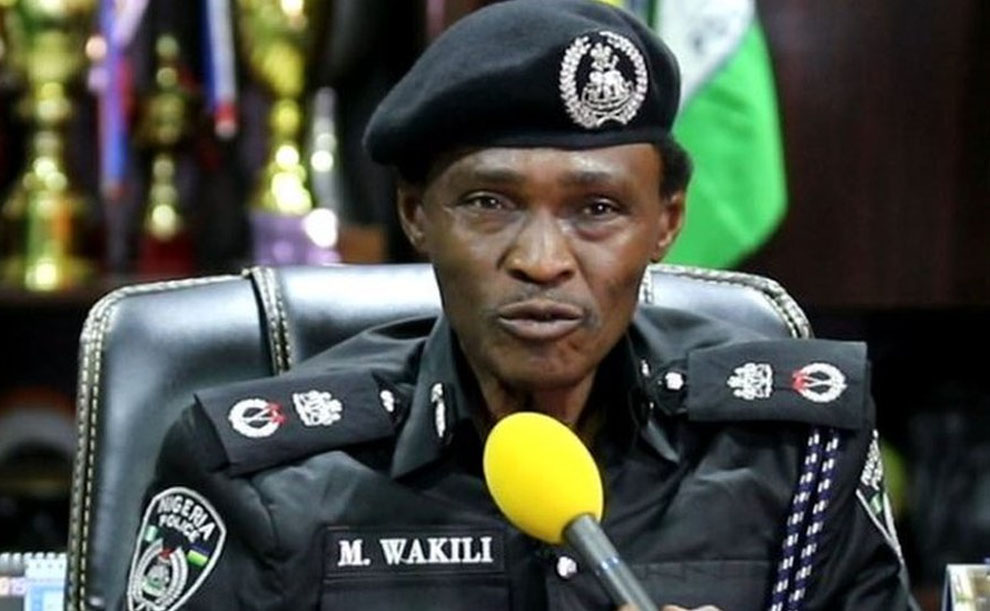
Retired Commissioner of Police Muhammad Wakili, popularly known as CP Singham, has warned against the proposed establishment of state police, arguing that the move would revive the political abuses that led to the abolition of regional policing in Nigeria more than five decades ago.
Speaking during an interview on the ongoing debate over state police, Wakili said decentralising the Nigeria Police Force (NPF) would not address the country’s deep-rooted security challenges, insisting that the real solution lies in strengthening the existing federal police structure.
According to the former police commissioner, Nigeria previously operated a decentralised policing system under the Native Authority Police, but the arrangement was eventually scrapped during the 1972 constitutional reforms because it was widely abused by political leaders.
Drawing from his personal experience, Wakili disclosed that his father served under the former Native Authority Police, giving him first-hand knowledge of how the system operated and why it ultimately failed.
“We have tested that system before and we know the consequences. I see no reason to drag Nigeria back to the 1960s because the same problems that existed then are still with us today,” he said.
The retired police chief argued that the country’s worsening insecurity is not caused by the absence of state police, but by years of inadequate investment in the Nigeria Police Force.
READ ALSO:
- Akpabio’s aide blasts Peter Obi over criticism of State Police Bill
- VIDEO: “Your husband’s death is not up to two years, but you’ve sold his properties” — King Mitchy to Mr Ibu’s wife
- Lawmakers should be paid per sitting, not monthly salaries — Ndume
He described the NPF as one of the most capable police institutions globally, noting that Nigerian officers consistently distinguish themselves during international peacekeeping and foreign missions whenever they are provided with modern equipment, proper logistics and improved welfare.
According to him, the force remains grossly underfunded, understaffed and poorly equipped to effectively tackle terrorism, kidnapping, banditry and other violent crimes across the country.
He urged the Federal Government to prioritise the recruitment of more police personnel, provide modern operational equipment, improve police training, renovate dilapidated barracks and enhance officers’ welfare instead of creating another policing structure.
“The government should recruit more policemen, give them proper training and equipment, and then see if they won’t perform well,” Wakili said.
The retired commissioner also blamed selective enforcement of the law and lack of accountability within public institutions for weakening public confidence in law enforcement.
According to him, officers found guilty of misconduct should be punished in accordance with the law, regardless of their rank, to serve as a deterrent and strengthen discipline within the police.
On concerns over political interference, Wakili insisted that state police would inevitably become tools in the hands of state governors.
He argued that no legal safeguards would be sufficient to prevent governors from using state-controlled police formations to intimidate political opponents or influence elections.
“It is impossible to stop governors from abusing state police. It is better to stop the move entirely than to deceive ourselves,” he said.
The former commissioner observed that some governors already complain that Commissioners of Police fail to obey their directives, explaining that such disagreements usually arise because police officers refuse to carry out instructions that violate existing laws.
“If governors can use political thugs to achieve their objectives today, what stops them from using state police tomorrow?” he asked.
Wakili further questioned the argument that state police would significantly improve Nigeria’s fight against insecurity.
He noted that despite decades of experience, the Nigeria Police Force has continued to battle insurgency, terrorism and banditry alongside the military, wondering how newly created state police organisations would suddenly succeed where existing security institutions continue to face enormous challenges.
“If the federal police have not completely defeated Boko Haram and banditry, I don’t see how state police will suddenly solve the problem,” he said.
According to him, state police may only be useful in handling minor offences such as thuggery, prostitution and drug-related crimes, while serious national security threats would continue to require federal intervention and coordination.
The retired police chief, however, acknowledged that issues relating to recruitment, operational powers, firearms, prosecution, jurisdiction and collaboration between federal and state police would ultimately depend on the legal framework establishing the proposed policing system.
He stressed that such a far-reaching constitutional reform should only proceed after extensive consultations with security experts, legal practitioners, civil society organisations and the general public.
Wakili also maintained that justice, patriotism and good governance remain the most effective weapons against insecurity.
According to him, Nigeria’s security challenges cannot be solved solely through structural reforms but by ensuring fairness, accountability and responsible leadership at all levels of government.
He concluded that strengthening the existing Nigeria Police Force, improving officers’ welfare and enforcing the rule of law would deliver better results than establishing state police.
State police will revive political abuse of the 1960s, warns ex-CP Singham
DAILY TRUST






metro
Lagos Club Robbery: Police Arrest Suspect After N5m Bounty
Lagos Club Robbery: Police Arrest Suspect After N5m Bounty
The Lagos State Police Command has arrested a suspected member of the gang that allegedly robbed clubgoers outside Ghost and Spirits Lounge on Ekoro Road, Abule Egba, Lagos.
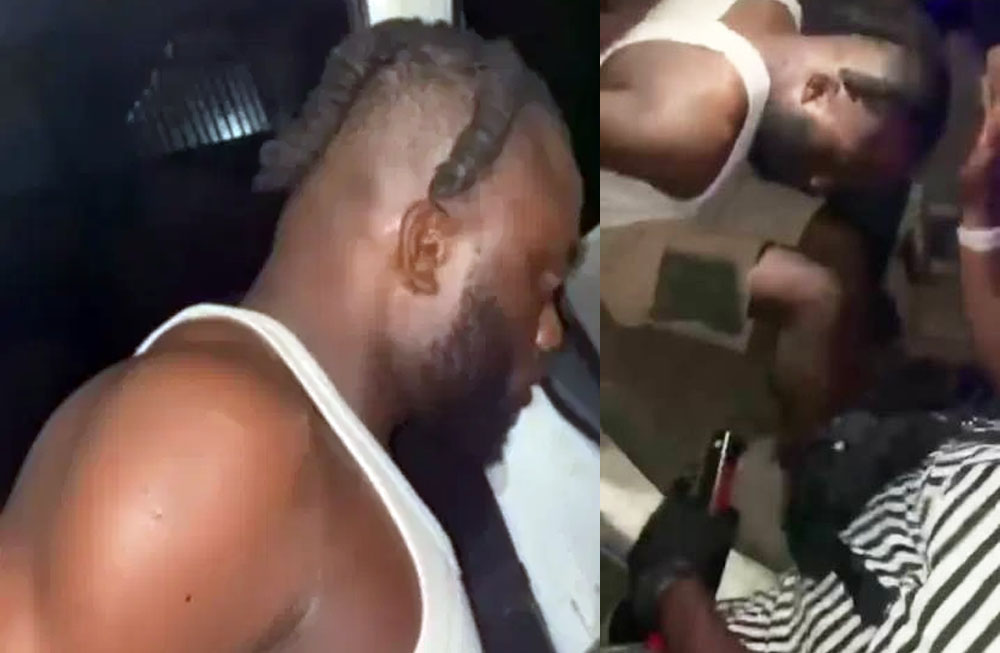
The suspect was reportedly identified from video footage of the incident, which showed several people being attacked outside the entertainment venue in the early hours of the morning.
The Lagos club robbery reportedly occurred at about 4am on Saturday after some customers had left the lounge and gathered around their vehicles.
Footage from the scene showed several clubgoers sitting around a vehicle when the suspected robbers approached.
READ ALSO:
- Five Arrested Near US-Used RAF Fairford in UK Terror Probe
- Kano Upgrades Five PHCs to General Hospitals, Begins Assessment
- Iran Claims Capture of Second US Underwater Drone in Strait of Hormuz
One of the suspects, reportedly dressed in a green shirt and cap, appeared to move among the people before allegedly targeting one of the victims.
Another member of the group was reportedly seen in an SUV parked across the road before a gunshot was fired, causing some of the people at the scene to run for safety.
The suspect in the green shirt was then allegedly seen taking a wristwatch from one of the victims, while other members of the group reportedly collected valuables before escaping in their vehicle.
Following the incident, the management of the lounge announced a N5 million reward for information leading to the arrest of the perpetrators.
The reward and subsequent investigation helped the police identify and track one of the suspects, who was eventually arrested.
A police source said the suspect was in custody and being interrogated, with investigators seeking information that could lead to the arrest of the other alleged members of the gang.
The Lagos Police Command has also intensified efforts to locate the remaining suspects, who are reportedly still at large.
The incident has raised concerns among residents and nightlife customers in Abule Egba, particularly over the security of people leaving entertainment venues during the early hours.
Police authorities have urged residents with useful information about the suspects or the robbery to assist the investigation.
The arrested suspect remains presumed innocent unless proven guilty in court, while investigations continue into the alleged robbery and the identities and whereabouts of the other suspects.
Lagos Club Robbery: Police Arrest Suspect After N5m Bounty
metro
Passenger Dies After Jumping From Moving Bus In Lagos
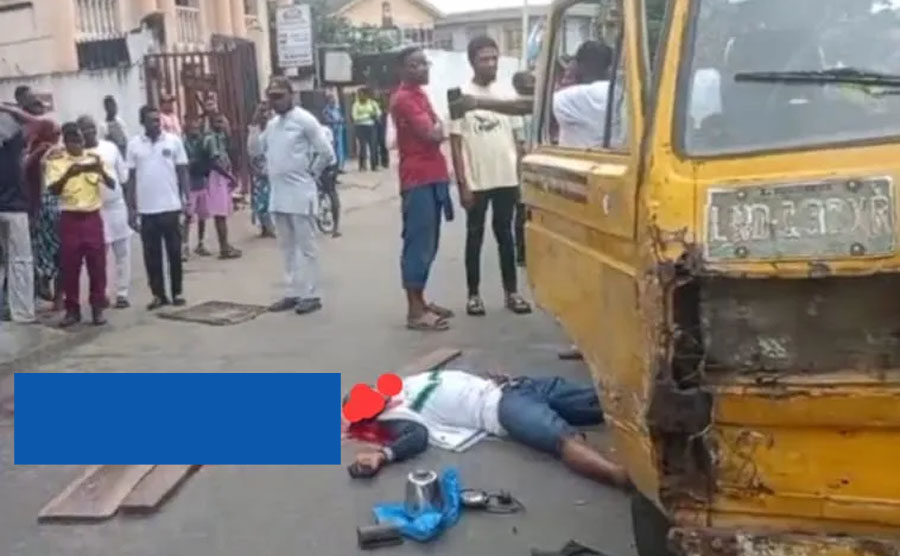
Passenger Dies After Jumping From Moving Bus In Lagos
A passenger has died after jumping from a moving commercial bus at Ogunlana Junction, inward Ojuelegba, in the Surulere area of Lagos.
The incident involved a Volkswagen commercial bus with registration number LND 130 XR, which reportedly crashed into a median pole around the Fallout area of Surulere.
The Lagos State Traffic Management Authority (LASTMA) said preliminary security reports indicated that the driver was allegedly under the influence of alcohol and had been driving recklessly shortly before the crash.
According to the agency, motorists approaching the bus from behind had to exercise caution to avoid colliding with the vehicle as it reportedly moved erratically.
Amid the incident, a male passenger reportedly jumped from the moving bus, apparently attempting to escape from the uncontrolled vehicle. He sustained serious injuries after hitting the ground and later died from his injuries.
LASTMA officials conducting routine traffic surveillance along the Ojuelegba axis responded to the scene after noticing the crash. They secured the area, managed traffic and removed the damaged bus and the deceased passenger from the carriageway to reduce the risk of a secondary collision.
READ ALSO:
- Five Arrested Near US-Used RAF Fairford in UK Terror Probe
- Kano Upgrades Five PHCs to General Hospitals, Begins Assessment
- Iran Claims Capture of Second US Underwater Drone in Strait of Hormuz
Police officers from the Area C Police Division, Ojuelegba, provided security at the scene, while officials of the State Emergency Management Agency evacuated the remains of the deceased.
LASTMA General Manager, Olalekan Bakare-Oki, described the incident as a reminder of the dangers associated with driving under the influence of alcohol, reckless driving and operating vehicles that may not be mechanically fit for the road.
Bakare-Oki urged commercial and private motorists to conduct comprehensive checks on their vehicles before every journey, with particular attention to the braking system, tyres, steering mechanism and other critical safety components.
He also commiserated with the family of the deceased and reaffirmed LASTMA‘s commitment to responding promptly to road crashes, managing traffic and clearing accident scenes.
The agency urged motorists and other road users to report accidents, vehicle breakdowns and other traffic obstructions through its toll-free short code, 3367.
Passenger Dies After Jumping From Moving Bus In Lagos
metro
Kubwa Explosion: Vehicle Crashes Into Gas Outlet, Damages Nine Shops
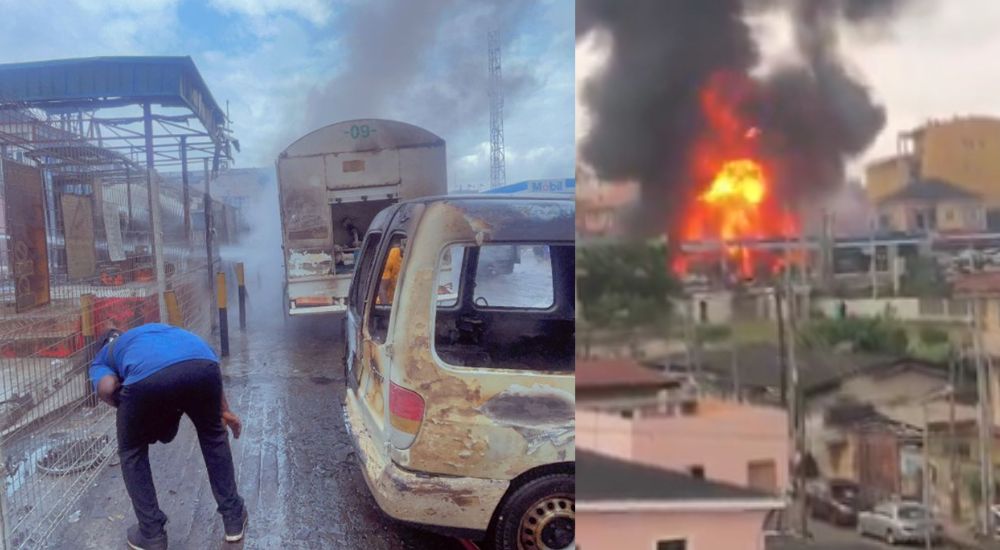
Kubwa Explosion: Vehicle Crashes Into Gas Outlet, Damages Nine Shops
Panic broke out in Kubwa, Abuja, on Sunday morning after a gas explosion rocked the Liberty Junction area, following a vehicle crash into a roadside gas retail outlet.
The incident occurred at about 6:15 a.m., sending a powerful blast through the area and causing nearby buildings to shake, while thick smoke and flames rose from the affected facility.
The vehicle reportedly veered off the road and crashed into the gas outlet, triggering the explosion and subsequent fire.
The impact affected several businesses around the junction, with reports indicating that nine shops were damaged or destroyed by the ensuing fire.
A nearby police traffic post was also reportedly uprooted by the force of the explosion, while other structures and sections of the surrounding area were damaged.
The vehicle involved in the crash was badly burnt in the incident. Emergency responders, however, reportedly rescued the driver and a child from the wreckage.
The injured driver was taken to a medical facility for treatment, while emergency personnel worked to prevent the fire from spreading to other shops and properties in the densely populated area.
READ ALSO:
- Newlywed Arrested After Allegedly Excreting 72 Cocaine Wraps at Enugu Airport
- Bauchi Police Arrest Four Over Alleged Gun-Making, Rape
- Tinubu to Nigerians: We Are Correcting Past Mistakes, Give Us More Time
The explosion triggered panic among residents and commuters, with people reportedly rushing away from the scene as the fire continued to burn.
Emergency response agencies, including the Federal Fire Service, FCT Fire Service, National Emergency Management Agency (NEMA), Nigeria Security and Civil Defence Corps (NSCDC) and the Nigeria Police Force, were deployed to the scene.
Firefighters battled the flames for hours before the situation was brought under control.
The incident also caused significant traffic disruption around Liberty Junction and the Kubwa axis, as motorists slowed down and emergency responders worked at the scene.
Security personnel subsequently moved people away from the immediate area and helped manage traffic while the damaged vehicle and other debris were cleared.
Initial reports did not indicate a confirmed death from the explosion, although the driver was reported to have sustained injuries.
Authorities had yet to provide a detailed official account explaining why the vehicle veered off the road or confirming the full extent of the damage and injuries as of the time of reporting.
The incident has again drawn attention to safety concerns surrounding gas outlets located close to busy roads, shops and residential areas, particularly in densely populated parts of the Federal Capital Territory.
Further assessment by relevant authorities is expected to establish the precise circumstances of the crash, the extent of the property damage and whether any safety breaches contributed to the incident.
Kubwa Explosion: Vehicle Crashes Into Gas Outlet, Damages Nine Shops
-

 News2 days ago
Anambra Releases ₦473m Salary Arrears Document as Obi’s Debt Claim Sparks Fresh Dispute
-

 News2 days ago
Keyamo: ₦70,000 Minimum Wage No Longer Enough as Cost of Living Soars
-
 metro2 days ago
EFCC Chairman Raises Alarm Over Alleged Theft of Nigeria’s Public Funds
-
 Sports2 days ago
AFCON 2027 Qualifier: Nigeria Fight Back to Beat Madagascar 2-1 in Uyo
-
 Politics2 days ago
2027: Otti Explains Why He Supports Tinubu Despite Remaining in Labour Party
-
 metro2 days ago
Viral Anti-Obi Video: Lagos Police Move Against Inspector Osumah Frank
-
 metro2 days ago
Umahi Announces First Niger Bridge Reopening Next Week, Orders Tinubu Pictures
-

 metro2 days ago
Anambra Police Arrest 25-Year-Old Suspect Linked to 2023 Kidnap, Murder