Avoid Lokoja-Kabba highway, FRSC warns travellers - Newstrends
Connect with us

News

Avoid Lokoja-Kabba highway, FRSC warns travellers
Published

on

Motorists coming from the South-West and heading for Abuja and those from Abuja and travelling to the South-West have been told to avoid the  Lokoja-Kabba federal highway for now,

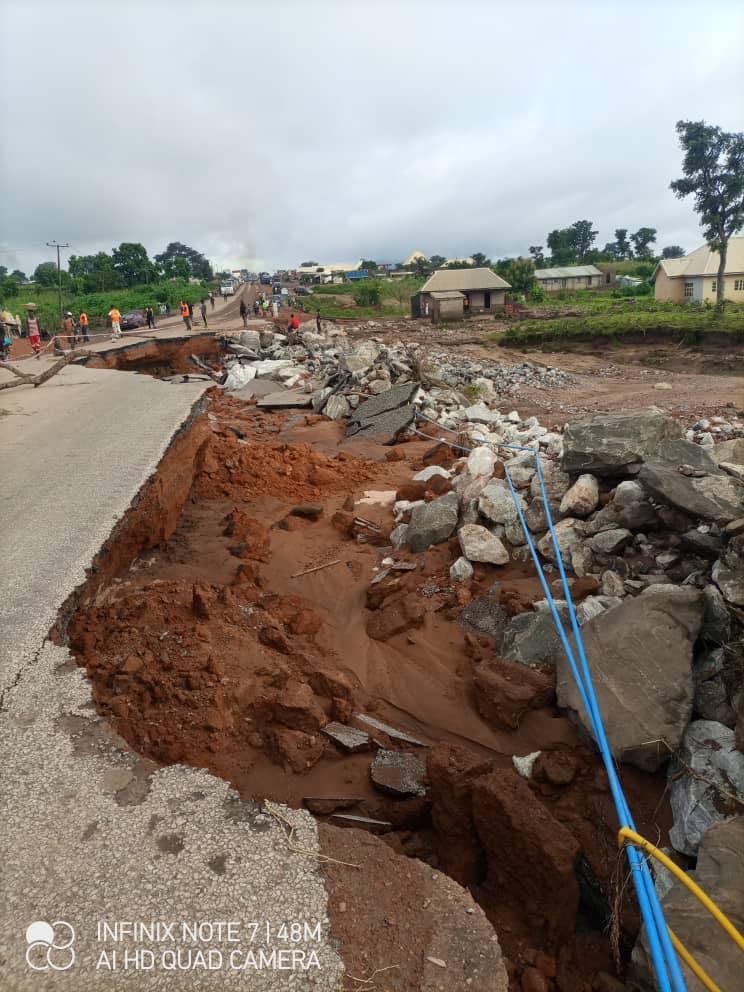
The Federal Road Safety Corps gave the warning on Tuesday, saying there is a gully in the centre of the road between Zariagi and Obajana cement factory and advised people to use alternative routes.

The agency, in a statement by its spokesperson, Bisi Kazeem, said the road, which caved in had led to an obstruction to free flow of traffic, adding that the concerned authorities were making efforts to repair it.

Commuters and motorists were asked to use Lokoja-Okene-Kabba, or Lokoja-Okene-Ogorimangogo roads as alternative routes to or fro the South-West.

“This development has led to an obstruction of free flow of traffic . As all the concerned authorities are making frantic efforts to carry out emergency repairs to restore normal flow of traffic, the emergency work may take some hours to complete,” the statement said.

It added, “In view of the foregoing, motorists, travellers, and the general public are hereby advised to use Lokoja-Okene-Kabba, or Lokoja-Okene-Ogorimangogo as alternative routes to or from South-West.

“The Federal Road Safety Corps solicits maximum cooperation of the motoring public on this development. The Corps will also continue to update the public periodically on further developments on the ameliorative work going on at the failed portion of the road.”


See the full statement below:

TRAFFIC ALERT
Members of the motoring public and general commuters travelling from or to Southwest, through Lokoja-Kabba- Federal Highway are hereby notified of the caving in of a section of the road between Zariagi and Obajana cement factory.
This development has led to an obstruction of free flow of traffic .  As all the concerned authorities are making frantic efforts to carry out emergency repairs to restore normal flow of traffic, the emergency work may take some hours to complete.
In view of the foregoing, motorists, travelers, and the general public are hereby advised to use Lokoja-Okene-Kabba, or Lokoja-Okene-Ogorimangogo as alternative routes to or fro Southwest.
The Federal Road Safety Corps solicits maximum cooperation of the motoring public on this development. The Corps will also continue to update the public periodically on further developments on the ameliorative work going on at the failed portion of the road.
Signed
Bisi Kazeem fsi
Assistant Corps Marshal
Corps Public Education Officer
FRSC Headquarters, Abuja


Loading

News

Atiku Heads to US to Highlight Nigeria’s Security, Economic Crisis

Published

on

Former Vice President of Nigeria, Alhaji Atiku Abubakar
Former Vice President Atiku Abubakar

Atiku Heads to US to Highlight Nigeria’s Security, Economic Crisis

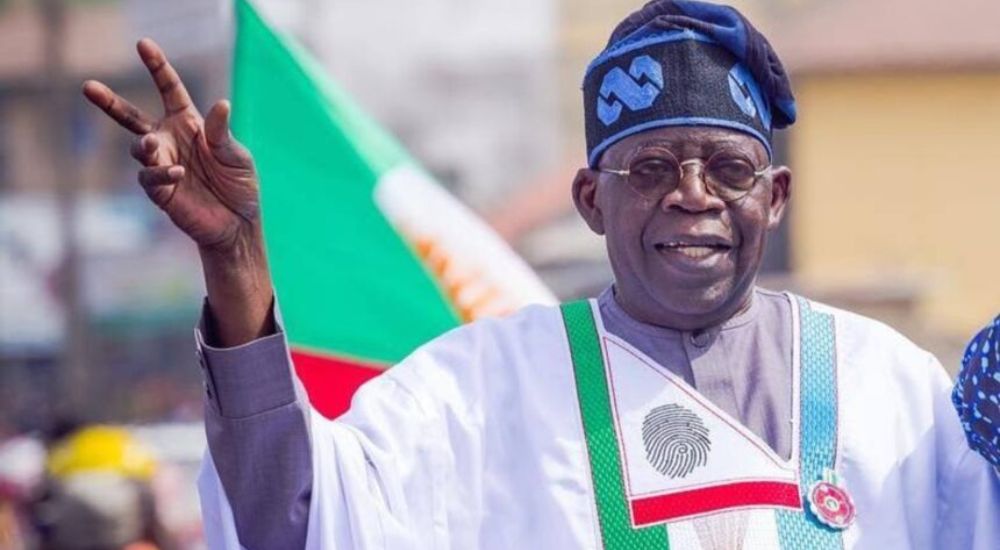
Former Vice President Atiku Abubakar has announced plans to travel to the United States to draw international attention to what he describes as Nigeria’s worsening security challenges, deepening economic hardship, and broader governance crisis.

In a statement released on Sunday by his Media Adviser, Paul Ibe, Atiku said the visit will involve engagements with policymakers, institutions, and stakeholders in the U.S. aimed at discussing Nigeria’s democratic and economic situation.

Atiku described Nigeria’s security situation as a “full-blown internal crisis,” warning that insecurity has spread across multiple regions of the country. He cited violence in the North-West and North-East, continued killings in the Middle Belt, and rising cases of kidnapping and criminal activity nationwide, saying the situation now reflects systemic failure rather than isolated incidents.

He added that communities are being overrun, livelihoods destroyed, and citizens left increasingly vulnerable, arguing that the government is struggling to fulfil its primary responsibility of protecting lives and property.

On the economy, the former vice president raised concerns over worsening inflation, currency depreciation, and declining purchasing power, which he said are placing severe pressure on households across the country. He attributed the situation to inconsistent policy direction and lack of a clear economic strategy, warning that the hardship could deepen without urgent intervention.

Atiku also expressed concern about Nigeria’s democratic institutions, warning that declining trust in governance, accountability, and electoral processes could threaten national stability. He stressed the importance of transparency as the country approaches another election cycle, cautioning that any attempt to undermine electoral integrity would have consequences for unity and legitimacy.

READ ALSO:

Responding to criticism of his planned engagement in the United States, Atiku rejected claims that his actions amount to inviting foreign interference. He insisted that engaging international partners on Nigeria’s challenges is legitimate, noting that the country’s situation has global implications due to its strategic importance.

He maintained that while Nigerians alone will decide their leadership, the international community also has a legitimate interest in Nigeria’s stability and democratic development, adding that “telling the truth about Nigeria is not unpatriotic.”

Atiku further urged the current administration to urgently reset its priorities, strengthen security structures, and implement clear economic reforms aimed at restoring public trust.

He also called on citizens to remain engaged and hold leaders accountable, stressing that sustainable national progress must be driven by responsible governance and internal commitment to reform.

The development comes amid heightened political activity ahead of the 2027 general elections. Atiku, who served as Vice President from 1999 to 2007, recently aligned with the African Democratic Congress as part of a broader opposition coalition.

However, the party is currently facing internal leadership tensions and factional disputes, reflecting ongoing realignments within Nigeria’s opposition landscape ahead of the next electoral cycle.

Atiku Heads to US to Highlight Nigeria’s Security, Economic Crisis

Loading

Continue Reading

News

Abuja Residents Dump Private Cars as Fuel Prices Soar

Published

on

Abuja Residents Dump Private Cars as Fuel Prices Soar

Abuja Residents Dump Private Cars as Fuel Prices Soar

The persistent rise in petrol prices is forcing many residents of the Abuja to abandon their private vehicles and embrace public transportation, while a growing number of low-income earners now trek to work to survive worsening economic conditions.

The development comes amid fresh increases in fuel prices across Nigeria following rising global crude oil prices linked to tensions in the Middle East and recent upward adjustments in depot prices by the Dangote Petroleum Refinery and petroleum marketers.

Petrol prices in parts of Abuja and other major cities have climbed to between ₦1,350 and ₦1,400 per litre, significantly increasing transportation and living costs for residents already struggling with inflation and declining purchasing power.

Checks across major roads in the Federal Capital Territory showed a noticeable drop in vehicular traffic, particularly along the usually busy Kubwa expressway between the Suleja and Madalla axis, where congestion has reduced compared to previous months.

Residents say many motorists now reserve their vehicles for emergencies or weekends due to the high cost of fueling.

A civil servant living in Dutse Alhaji, Sholape Kolawole, said she stopped using her car several months ago because her salary could no longer sustain daily fuel expenses.

“It has been stressful using commercial vehicles, but I have no choice since I cannot afford to fuel my car every day to work,” she said.

“To cut costs, I stopped using the car and resolved to taking commercial vehicles to the office and back. It is also expensive, but still cheaper than using my car.”

Commercial transport operators are also feeling the impact of the fuel crisis. A transporter based in Kubwa village, James Obasi, said many operators had scaled down operations because unstable fuel prices were making business unsustainable.

He warned that the situation was hurting small businesses and called for urgent government intervention to stabilise fuel costs and support transport operators.

Another resident, Emmanuel Ajayi, said he had not bought petrol for his vehicle in months and now depends on multiple commercial vehicles daily, a situation he said was affecting his health and productivity.

The rising transport costs have also pushed more residents to trek short and medium distances within the city, especially during morning and evening rush hours, as commuters struggle to cope with increasing fares.

Development expert and customer experience specialist, Dr Aliyu Ilias, described the situation as alarming, noting that many workers now stay home on some days because they cannot afford transportation expenses.

According to him, the hardship is partly connected to instability in the global oil market caused by geopolitical tensions and supply disruptions.

He argued that as an oil-producing nation, Nigeria should ordinarily benefit from rising crude prices, but citizens are yet to feel any direct relief despite reports of increased government oil revenues.

“One practical solution will be for the Federal Government to provide crude oil to local refineries at reduced rates, enabling them to refine and sell petrol at more affordable prices,” he said.

“Such a strategy can help stabilise fuel prices and reduce pressure on transportation and living costs.”

He added that the economic consequences of rising petrol prices were severe, warning that disposable income had almost disappeared for many households as purchasing power continues to weaken.

The National Coordinator of the Human Rights Writers Association of Nigeria, Emmanuel Onwubiko, also described the fuel price increase as an economic shock capable of crippling Nigeria’s informal sector.

He warned that thousands of small businesses that rely heavily on petrol-powered operations could collapse if urgent steps are not taken.

“Barbing salons, welding workshops, small-scale manufacturers, transport operators, and countless petty traders who depend on petrol for daily operations will be forced to shut down,” he said.

“This will trigger a dangerous surge in unemployment, particularly among youths and women, thereby worsening social instability and insecurity.”

Onwubiko called on President Bola Tinubu to urgently intervene by implementing price stabilisation measures and stronger regulatory oversight to protect consumers from exploitative market conditions.

Economic analysts say the latest fuel price crisis once again exposes Nigeria’s vulnerability to fluctuations in global oil prices despite being one of Africa’s largest crude oil producers.

The situation has also reignited debates over domestic refining capacity, fuel subsidy alternatives, and the need for sustainable transportation policies as millions of Nigerians continue to grapple with the rising cost of living.


Abuja Residents Dump Private Cars as Fuel Prices Soar

Loading

Continue Reading

News

US–Iran Crisis Drives ₦5.13tn Oil Windfall for Nigeria

Published

on

crude oil price

US–Iran Crisis Drives ₦5.13tn Oil Windfall for Nigeria

Nigeria has recorded an estimated ₦5.13 trillion surge in oil revenue within two months, driven by a sharp rise in global crude prices following escalating tensions linked to the United States–Iran geopolitical crisis. The development significantly exceeded projections in the Federal Government’s 2026 budget and temporarily strengthened fiscal inflows.

The crisis, which began with crude trading below $70 per barrel, triggered a sustained rally that pushed prices above $120 at some point, with Brent crude hovering around $110 per barrel and Nigeria’s premium grade, Bonny Light trading as high as $134 per barrel in recent sessions.

Nigeria’s 2026 budget was based on conservative oil assumptions, including a production target of 1.8 million barrels per day, a benchmark price of $64.85 per barrel, and an exchange rate of ₦1,400 to the dollar. At these assumptions, projected daily oil revenue stood at about $116.73 million (₦163.42 billion). However, these projections were quickly overtaken as global market conditions shifted sharply.

In March, crude production averaged 1.55 million barrels per day, below the target by about 250,000 barrels. Despite the shortfall, higher prices lifted earnings significantly. With an average crude price of $95.03 per barrel and an exchange rate of ₦1,370 to the dollar, daily revenue rose to about ₦201.80 billion, creating a daily surplus of ₦38.38 billion and a total windfall of approximately ₦1.19 trillion for the month.

READ ALSO:

April recorded even stronger gains as both output and prices increased. Production rose to an average of 1.7 million barrels per day, while crude prices surged to $127.05 per barrel. With an exchange rate of ₦1,365 to the dollar, daily revenue climbed to about ₦294.84 billion, producing a daily excess of ₦131.42 billion and pushing the total April windfall to approximately ₦3.94 trillion.

Combined, March and April generated a total excess oil revenue of ₦5.13 trillion, with March contributing ₦1.19 trillion and April accounting for ₦3.94 trillion. Analysts note that this surge was driven mainly by higher global crude prices rather than increased production, underscoring Nigeria’s continued exposure to external oil market shocks.

Simulations show that without the price surge, earnings would have been significantly lower. At benchmark pricing, March revenue would have fallen to about ₦4.27 trillion equivalent, while April revenue would have stood at about ₦4.52 trillion equivalent, highlighting the scale of the windfall created by global price volatility.

Despite the increase in government revenue, Nigerians are experiencing rising fuel costs. Dangote Refinery recently adjusted gantry prices to about ₦1,275 per litre, while retail fuel prices have climbed to between ₦1,350 and ₦1,400 per litre across several locations. This has further increased transport and food inflation nationwide.

Nigeria’s crude pricing structure has also adjusted in response to global market movements, with key crude grades such as Bonny Light and Forcados recording notable price increases for May-loading cargoes. These adjustments reflect stronger international demand and tighter supply conditions.

Energy stakeholders have expressed concern that the revenue windfall is not translating into relief for citizens. Some industry operators warn that petrol prices could rise above ₦1,500 per litre if geopolitical tensions persist, while economists describe the situation as a “two-edged sword” that boosts government earnings but worsens cost-of-living pressures.

Calls have intensified for targeted government intervention, including direct support for vulnerable households, improved social welfare data systems, and measures to cushion the impact of rising transport and food costs. However, experts note that the absence of reliable national data continues to limit effective intervention.

Local refiners have also called for reforms in crude pricing for domestic supply, arguing that benchmarking local crude strictly to international prices inflates costs and undermines local refining operations. Economists have further suggested the adoption of a stable domestic pricing framework to reduce volatility in fuel prices.

Overall, while the ₦5.13 trillion oil windfall provides short-term fiscal relief, analysts warn it reinforces Nigeria’s long-standing dependence on volatile global oil markets. The situation highlights a recurring pattern in which external geopolitical tensions boost revenue while simultaneously increasing domestic economic pressure.


US–Iran Crisis Drives ₦5.13tn Oil Windfall for Nigeria

Loading

Continue Reading
HostArmada Affordable Cloud SSD Shared Hosting
HostArmada - Affordable Cloud SSD Web Hosting

Trending