

News
Igboho: Yoruba group to sue FG for disrupting Lagos rally
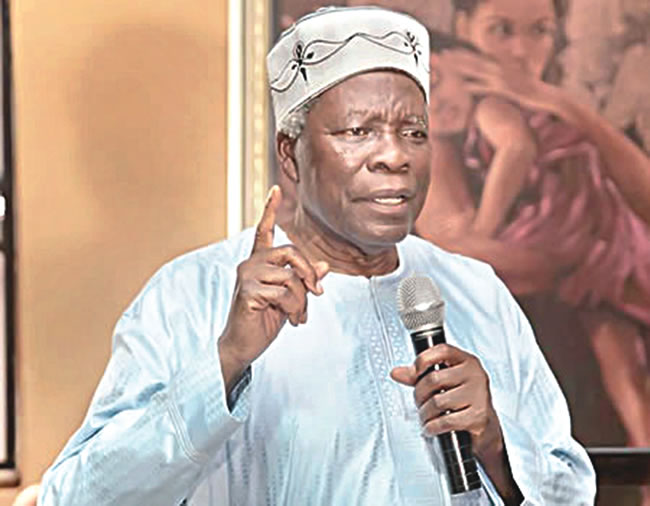
REACTIONS have continued to trail Friday’s judgment of Oyo State High Court which declared self-determination agitation as legal and resistance to it by agents of government as “crude and most unprofessional.”
Leader of the Yoruba Nation group and Ilana Omo Oodua, Emeritus Professor of History, Professor Banji Akintoye, told Sunday Tribune that the verdict has made the Yoruba Nation and other self-determination groups in the country invincible threatening to take further legal action against the FG for disrupting its rally in Lagos.
“We knew it would come, because it is the truth. People can try to hide the truth for as long as they want, but someday, the truth always surfaces. The truth has surfaced.
“Nigerians now know that our struggle for self-determination is totally lawful and legal, that the government has no right to stop us. The knowledge now is that more and more people are rallying into our court.
“If our young people try to hold a rally now, it will be much bigger than that of Ado-Ekiti. More and more people are coming forward. The government has threatened our existence not only at home but even abroad. That is now coming to an end.
“We are not dissolving our organisation, but instead now realising the need to merge together and be stronger than ever now, realising we are all brothers. We are going to exploit what we have; we are going to be more active; we are going to be doing what we did in Ibadan against the government.
“We are going to do more; we are going to take them to court for the disruption of our rally in Lagos. It was a peacefully rally based upon law, but they illegally disrupted it.
“We are going to go after them with the power of the law and they will know they cannot fight us. We have become invincible. Part of our injunctions is that we respect the government and the laws of Nigeria.
“What we have led from the beginning is that our self-determination agitation is totally legitimate. The international law proclaims it as legitimate. The Charter of the United Nations and various other instruments of the United Nations support our clamour.
“Without seeking permission from anybody, a nationality can decide to assert its self-determination. When it does that, the government of whichever county they belong to must respect what they are doing and not interfere with their civic rights in the country.
“But the people who are fighting for self-determination also have a responsibility. They must not start an insurrection; they must not generate violence in the streets. Those are the conditions. So as long as you are doing it peacefully, you are in good order.
“So we Yoruba people decided from the beginning that this was going to be a thoroughly peaceful and law abiding movement, and it has been so continuously. Our children did not do anything illegal. Nobody was wounded, nobody was arrested, neither was there any altercation with the police nor destruction of properties.”
Also reacting, the Pan Niger Delta Forum (PANDEF), commended the courage of the Judge in upholding the rights of citizens to freedom of expression and association. The South-South apex socio-cultural group, through its national Publicity Secretary, Ken Robinson, congratulated Yoruba activist, Chief Sunday Igboho, his legal team and all patriotic citizens for the victory.
He, however, urged the Appeal Court to live up to expectations by abiding by the “merits of the case and not get influenced by the powers that be.”
“We say well done to the court on the landmark judgment in the Igboho case. It’s commonly said that the judiciary is the last hope of the common man, but it goes beyond that.
“The judiciary is, indeed, the last hope of all citizens, common or special, particularly, in a regime like we have now, which is increasingly becoming dictatorial with unnecessary deployment of state forces to intimidate and coerce citizens, who have dissenting opinions.
“It is unthinkable that a supposed democratic administration will give citizens all kinds of labels, for simply ventilating their discontent and disaffection with the way and manner the government conducts the affairs of the country.
There are still upright men in Judiciary-Ohanaeze
The National Publicity Secretary of Ohanaeze Youths, Mazi Chika Art Adiele, hailed the judgment , saying “it is a testament that there are still upright men in the sacred temple of justice.
“It is a landmark ruling. It will help our jurisprudence,” he said.
The judgment, Sunday Tribune gathered, dominated discussions in most public arena in Enugu State on Saturday, with many calling it an indictment on “extra-judicial murders of suspected IPOB members as well as its proscription and labeling as a terrorist organisation by the Buhari regime.”
Self determination is part of Nigerian laws -Ex NBA chairman
In his own view, the immediate past chairman of the Nigerian Bar Association (NBA), Owerri branch, Imo State, Damian Nosike said although he was yet to read the judgment, Nigeria could not afford to go against the UN Charter to which it was signatory.
He said: “when people are not happy with the way they are treated, they have the right to say they don’t want to belong again, provided they don’t do it illegally by taking up arms.”
He recalled that Eritrea was created out of Ethiopia, while South Sudan was carved out of Sudan, through the clamour for self determination.
Tribune








Interview
“Not as Corrupt as the World Thinks”: Reno Omokri Defends Nigeria’s Image and Safety
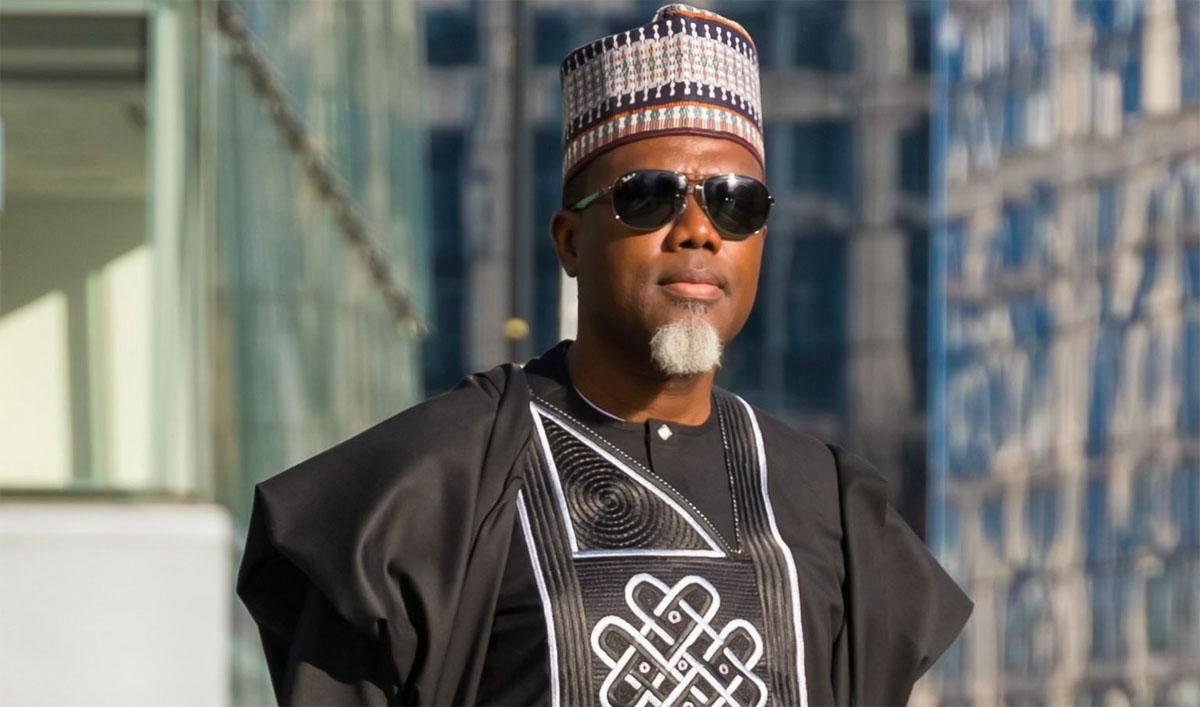
Citing economic growth and safe public festivals, Reno Omokri urges the nation to tell its own story rather than rely on external perception indexes.
Nigeria is not nearly as corrupt or unsafe as foreign reports claim, according to Reno Omokri, Nigeria’s Ambassador-designate to Mexico. In a television interview on Channels Television, Omokri explained that international assessment groups often misunderstand Nigerian customs because they apply global benchmarks that ignore local traditions.
A central issue, Omokri noted, is how different cultures view appreciation. In Nigerian society, offering a gift to say thank you to an official who provides excellent service is a familiar sign of respect, much like tipping in other parts of the world.
However, international observers often label this practice as corruption. Omokri stated that the country needs to share its own experiences directly with the world rather than allowing outside groups to set a negative narrative.
Omokri also defended the country’s safety record by pointing to Lagos, where the economy has expanded steadily and major cultural events draw massive crowds.
He highlighted the annual holiday season in Lagos, which brings more than one million visitors together peacefully each year. For Omokri, these vibrant events show that everyday life in Nigeria is full of energy, community warmth, and safety.
News
‘Jobs Must Not Be Based on Connections’ — Oyintiloye Tells FCC
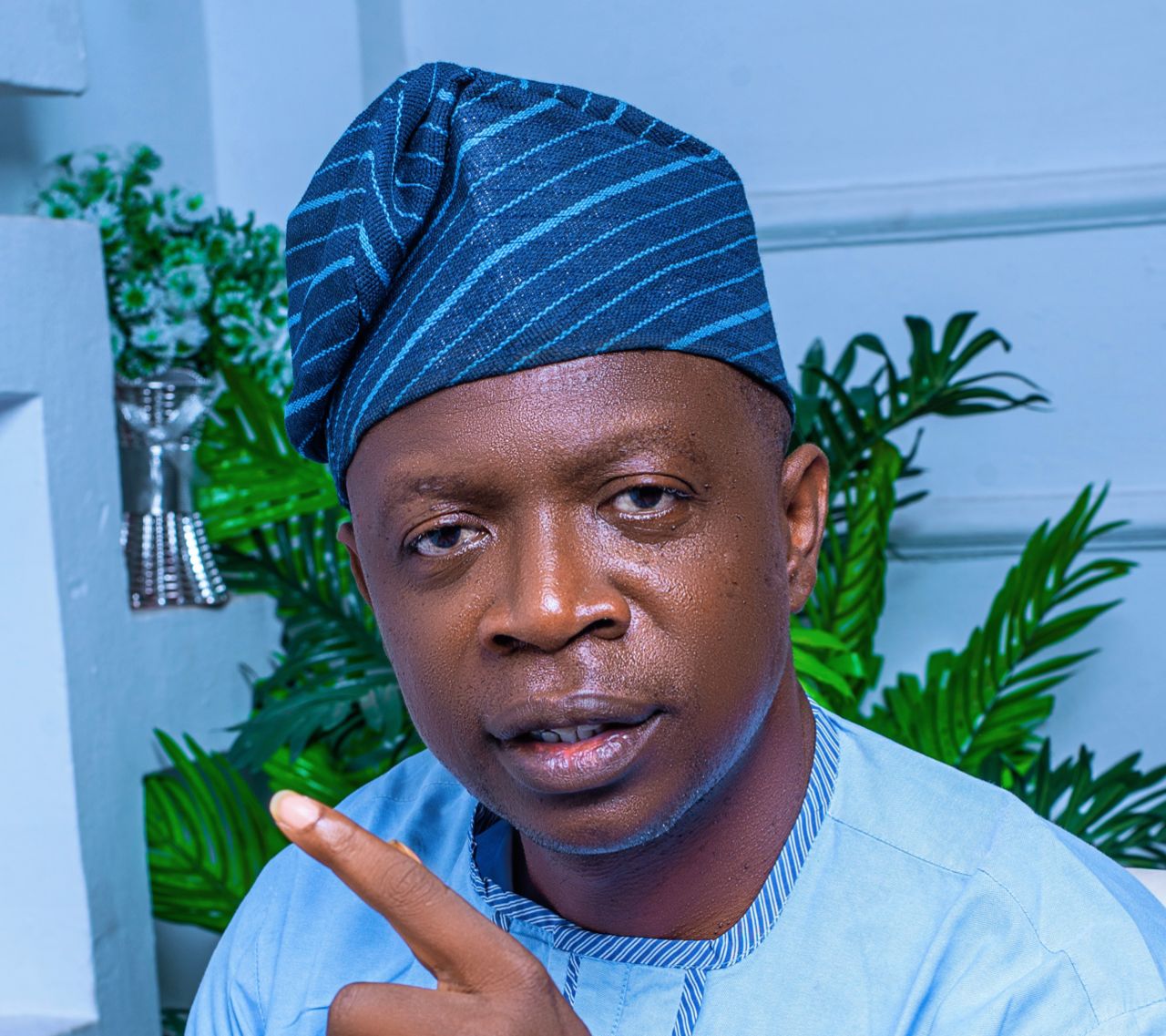
Calls for greater transparency in the distribution of federal employment opportunities have intensified, with APC chieftain Olatunbosun Oyintiloye urging the Federal Character Commission to ensure that recruitment is not influenced by powerful individuals.
Oyintiloye, speaking in Osogbo, Osun State, appealed to the commission’s Executive Chairman, Ayo Hulayat Omidiran, to stand firm against intimidation or pressure while carrying out her responsibilities.
According to him, the credibility of federal recruitment depends on giving qualified Nigerians a fair chance, regardless of their background or connections.
He said the FCC should strengthen its oversight of recruitment processes and prevent situations where applicants are disadvantaged through manipulation or other improper practices.
“The FCC must adopt a renewed commitment to building a commission where merit, fairness and the principles of federal character guide the management of employment opportunities across the public service” Oyintiloye said.
His appeal comes shortly after Omidiran publicly reiterated that federal government jobs were not for sale and that employment opportunities should be available to Nigerians regardless of social status.
Oyintiloye said the position of the FCC was particularly important because of its constitutional responsibility to promote equitable representation in federal institutions.
He also praised the commission for addressing concerns over fairness in recruitment and allegations of corrupt practices, saying greater openness could help rebuild public confidence.
The APC chieftain further urged the commission to ensure that recruitment opportunities are communicated clearly and that qualified applicants from all parts of the country are given an equitable chance.
He expressed confidence that reforms under Omidiran could strengthen the FCC’s credibility, while encouraging job seekers to rely on legitimate recruitment announcements rather than individuals claiming to have connections within the commission.
The FCC itself has warned Nigerians about people offering supposed shortcuts into federal employment, stressing that it does not sell jobs or select candidates for federal appointments.
News
Nwifuru Dismisses Cubana Chief Priest as ‘Attention-Seeker’
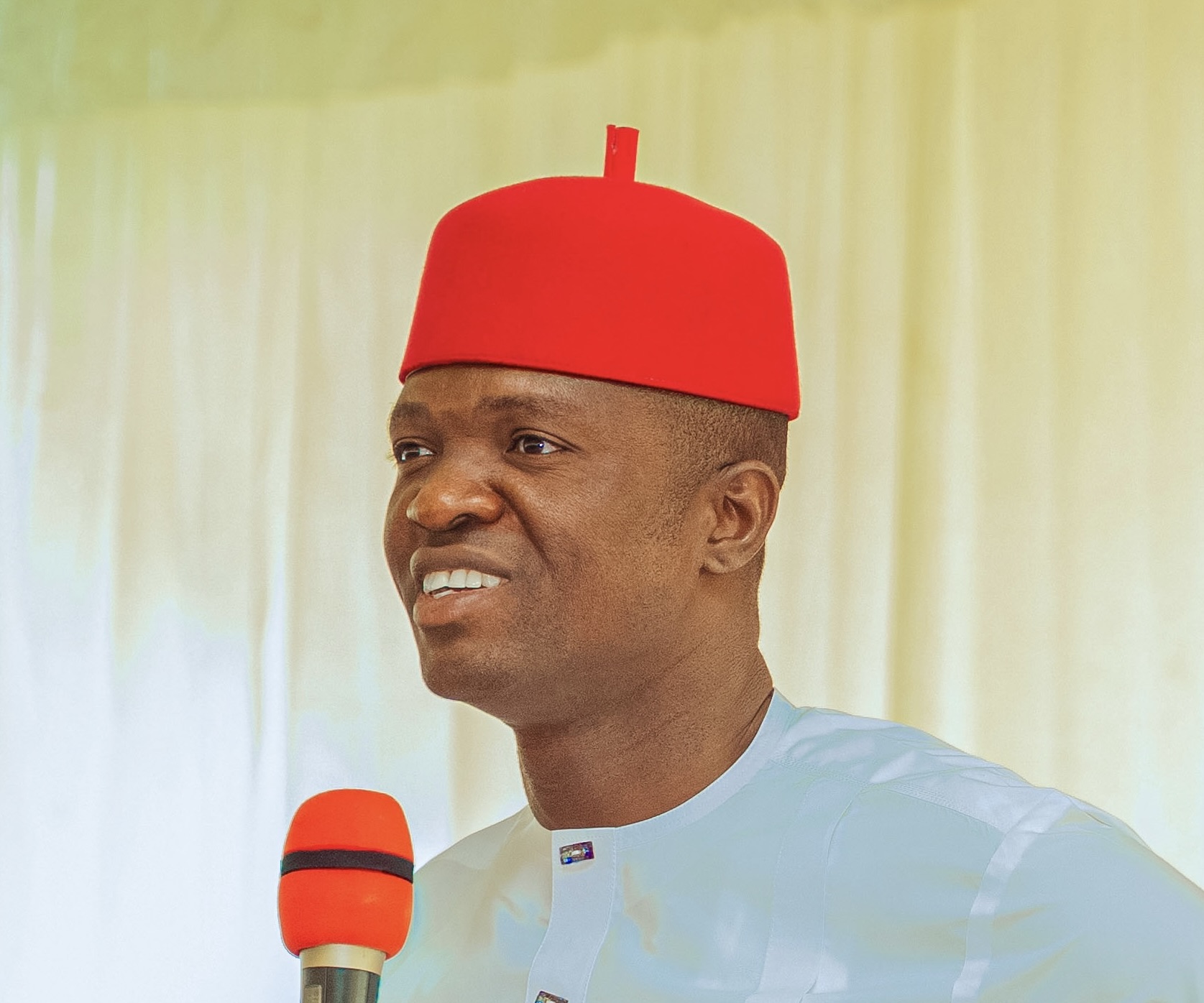
Ebonyi State Governor Francis Nwifuru has hit back at socialite and businessman Paschal Okechukwu, better known as Cubana Chief Priest, after the latter criticised his administration.
The governor dismissed the businessman’s comments while speaking at an event in Abakaliki, saying he had no interest in engaging with him.
“I don’t have time for Cubana Chief Priest. He’s a mere attention-seeker and an individual of no consequence” Nwifuru said.
He added, “However, if I remember him, I feel sorry for him.”
The exchange followed comments by Cubana Chief Priest questioning the governor’s performance in office. He reportedly challenged Nwifuru to explain how an administration could spend about three years in office without having major projects commissioned by the President or other state governors.
The remarks had earlier attracted criticism from Chinedu Ogah, the member representing Ikwo/Ezza South Federal Constituency in the House of Representatives.
Ogah condemned Cubana Chief Priest’s comments, defending the governor’s administration.
Nwifuru’s response now adds another layer to the controversy, although the governor did not provide a detailed response to the specific claims made about projects commissioned under his administration.
The disagreement has consequently shifted attention to the broader question of the Ebonyi government’s record on infrastructure and development projects since Nwifuru assumed office.
-

 metro3 days ago
Woman disguises as Muslim woman in Niqab to steal in Ado-Ekiti market, video sparks outrage
-

 metro2 days ago
Ondo Herbal Drink Tragedy: Survivor Vows Never to Drink Again as Death Toll Tops 30
-

 metro2 days ago
Sokoto Cleric Stabbed Twice in Neck After Juma’at Prayer, Attacker Killed
-

 Africa3 days ago
Murder of Nigerian Bishop in South Africa Sparks Outcry Over Unsolved Killings
-

 Business2 days ago
Dangote: ₦525 Refinery Shares Could Rise to ₦10,000
-

 metro2 days ago
MURIC fires back at Peter Obi: Forget Sallah ceremony, free Nigerian Muslims
-

 Community3 days ago
Kaduna Traditional Rulers Set for 100% Pay Rise as Zazzau Emir Backs Proposal
-

 News3 days ago
AI on the Roads: LASTMA Turns to China to Fix Lagos Traffic