

Entertainment
Juwon Adewunmi Sparks Debate Over Transparency, Infidelity in Marriage

Juwon Adewunmi Sparks Debate Over Transparency, Infidelity in Marriage
Yoruba Nollywood actress Juwon Adewunmi has sparked conversation on relationships and fidelity after revealing the unusual arrangement she shares with her husband regarding infidelity.
Speaking during an interview on the Talk to B Podcast, the actress disclosed that her husband does not conceal his extramarital affairs but instead openly admits them to her.
According to Adewunmi, her husband makes it a point to confess whenever he has been involved with another woman and seeks her forgiveness afterward. She explained that he often goes a step further by confirming that she has genuinely forgiven him before moving on.
“Just like Nigerian men, white men also cheat, and I have caught my husband several times,” she said. “However, the difference is that whenever my husband sleeps with another woman, he will tell me and beg me. After I accept his apology, he will ask if we are good, just to confirm that I have truly forgiven him.”
The actress added that her husband maintains relationships with other women but remains transparent about them, noting that he is not the type to hide or lie about such matters.
Her remarks have since generated mixed reactions on social media, with some praising the honesty in her marriage, while others questioned the sustainability and emotional implications of such an arrangement.
Relationship experts often stress that openness and communication are vital in marriages, but they also note that boundaries and mutual consent play a critical role in defining what works for each couple. Adewunmi’s comments highlight how evolving relationship dynamics continue to challenge traditional expectations around fidelity in modern society.
While the actress did not indicate whether the arrangement has affected her emotionally, her candid disclosure has added to ongoing public discourse about trust, honesty, and personal boundaries within marriage.
Juwon Adewunmi Sparks Debate Over Transparency, Infidelity in Marriage













Entertainment
Toyin Abraham Breaks Silence as Leaked Audio Sparks Fresh Nollywood Feud
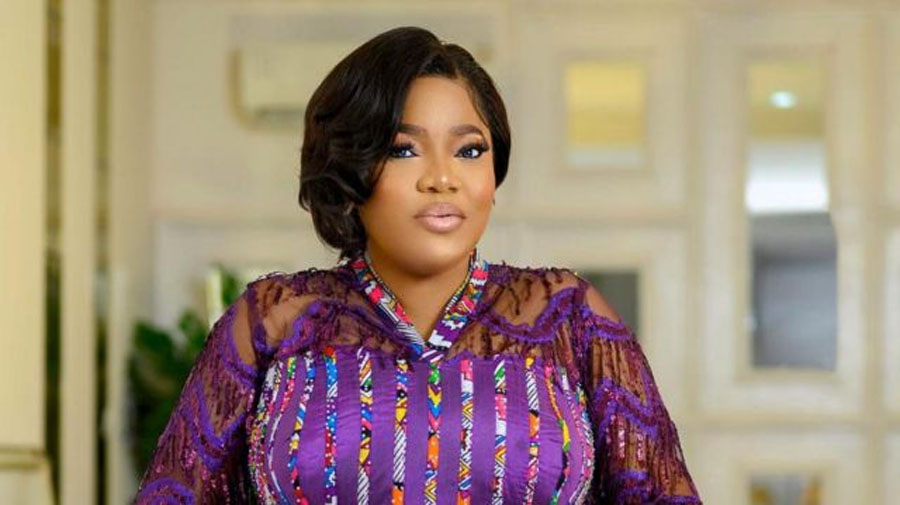
Nollywood actress Toyin Abraham has responded indirectly to the backlash surrounding an alleged leaked audio conversation in which a TikTok fan was heard making disparaging remarks about fellow actress Funke Akindele, reigniting debate over the relationship between the two movie stars.
The controversy erupted after an approximately 11-minute, 42-second recording, reportedly featuring Abraham and a TikTok personality identified as Bisgold, began circulating on social media on Wednesday, October 14, 2026. The conversation, conducted largely in Yoruba and Pidgin English, has divided fans and generated widespread reactions online.
In the recording, the fan is reportedly heard repeatedly making insulting remarks about Akindele, while Abraham appears to laugh at different points rather than challenge the comments. The conversation also reportedly touches on actress Iyabo Ojo, alongside Abraham’s relationships with other colleagues in the movie industry.
The recording has attracted criticism from social media users who questioned Abraham’s response to the remarks about her colleagues. Some argued that the actress should have discouraged the insults, while others questioned the decision to record and circulate what appeared to be a private conversation.
Amid the growing backlash, Abraham reportedly reposted an Instagram Story from influencer Bukky Majek on Thursday, October 15. Majek’s message defended the actress and urged critics to stop attacking her, arguing that her success and blessings came from God.
READ ALSO:
- DSS Arrests Maina’s Fugitive Son in Abuja After Six Years on the Run
- NAPTIP Raises Alarm as Parents Allegedly Trade Children for Sex, Arrests Woman in Abuja
- Tesla’s Flying Roadster Rekindles Race to Put Cars in the Sky
However, Abraham’s repost did not amount to a detailed public denial of the recording. The full context of the conversation and the authenticity of the recording have not been independently established in the reports reviewed.
The controversy has also drawn reactions from other members of the entertainment industry, with some defending Abraham and others questioning the practice of secretly recording private conversations.
Actress Foluke Daramola publicly defended Abraham amid the criticism. Daramola questioned whether the actress would say something behind another person’s back that she would not be prepared to say to their face, expressing support for her colleague.
Similarly, actress Regina Chukwu raised concerns about the recording and circulation of private phone conversations. In a social media post, Chukwu questioned why people secretly record conversations with friends and acquaintances, saying she would feel hurt if someone she trusted recorded their private discussion without her knowledge.
Actress Nkechi Blessing Sunday also weighed in on Friday, October 16, defending Abraham and criticising people who encourage hostility between female celebrities. She also directed criticism at the person responsible for recording and leaking the conversation.
The incident has revived public discussion about the strained relationship between Abraham and Akindele, which previously attracted attention following an awkward encounter at the premiere of Iyabo Ojo’s film, The Return of Arinzo.
Reports about the earlier incident said Akindele appeared to ignore Abraham’s greeting at the event. Abraham subsequently reportedly said she would no longer greet Akindele and confirmed that she had unfollowed her on social media.
The latest controversy has reopened conversations about rivalry, loyalty, personal boundaries and the impact of social media on relationships among Nollywood stars.
While some supporters have defended Abraham and questioned the ethics of releasing a private conversation, critics have focused on her reported reaction to the comments about Akindele and Ojo.
As the debate continues, no detailed public statement directly addressing all the allegations in the recording was identified in the reports reviewed. The full circumstances surrounding the recording, including how it was obtained and whether the circulating version captures the complete conversation, remain unclear.
Toyin Abraham Breaks Silence as Leaked Audio Sparks Fresh Nollywood Feud
Entertainment
ToluwaniSings’ Final Hours: Aide Reveals Desperate Search Across 8 Hospitals

ToluwaniSings’ Final Hours: Aide Reveals Desperate Search Across 8 Hospitals
The death of Nigerian gospel singer Olayemi Bayonile Bolaji, popularly known as ToluwaniSings, has sparked fresh concerns about access to emergency medical care after his personal assistant revealed that the singer was taken to between seven and eight hospitals in Ibadan, Oyo State, after suddenly collapsing, but reportedly could not obtain treatment.
The singer died in the early hours of Wednesday, October 14, 2026, at the age of 41. His family confirmed his death in a statement shared on his verified social media accounts but did not disclose the cause of death or provide details of the medical circumstances surrounding his final moments.
According to reports by PUNCH, Premium Times and other Nigerian media outlets, the singer’s personal assistant, Babadunni Gbolabo, recounted how those around the gospel minister made frantic efforts to save his life after receiving news that he had slumped.
Gbolabo said he was not present when the incident occurred but rushed to the singer’s residence after receiving a telephone call. He said the people at the scene had attempted to revive the singer before taking him from one hospital to another in search of urgent medical attention.
The aide maintained that the singer had appeared to be in good health before the sudden collapse.
“There was nothing wrong with him. He was very fine and in perfect condition. He just slumped,” Gbolabo was quoted as saying.
He explained that the people with the singer continued moving between medical facilities, hoping to find one where he could receive treatment.
READ ALSO:
- Real Madrid Demand Tebas’ Exit After Explosive Nazi Propaganda Row
- Terrorists Abduct Catholic Priest in Benue as Police Launch Rescue Operation
- 2027: Kwankwaso Signals Fuel Subsidy Comeback as NDC Vows to Crash Petrol Prices
“Some said doctors were not working because of the strike. Some did not admit him at all. That is how it went. We tried our best, including prayers. We took him to up to seven to eight hospitals in Ibadan,” he said.
The account has drawn attention to the reported difficulties encountered while seeking emergency care for the singer. However, the hospitals allegedly visited have not been publicly identified in the reports reviewed, and their individual explanations for not admitting him have not been independently established.
It is also unclear whether the reported delay in obtaining treatment contributed to his death. Neither the family’s announcement nor the aide’s account established a medical cause of death.
There were reports that the singer had complained of tiredness before he slumped at his residence. Radio Nigeria Ibadan reported that the incident occurred after he had attended a worship programme in the city the previous night. The precise medical circumstances remain unclear.
In another detail that has drawn attention, ToluwaniSings reportedly ministered at “In His Presence,” a monthly worship concert hosted by fellow gospel singer Bidemi Olaoba, on Tuesday, October 13, less than 24 hours before his death.
His sudden passing came as a shock to fans and colleagues, particularly given reports that he had performed at the event shortly before the incident.
ToluwaniSings was known for his energetic praise sessions and gospel songs, including “A Very Big God,” “Onibuore,” “Eleda,” “I’m Not Alone” and “Kabiyesi Olorun Ayo.” His music, which blended Yoruba-language worship with contemporary gospel sounds, earned him a following among Nigerian gospel music lovers.
He reportedly began singing in church choirs before developing his career as a gospel artiste and music minister. His popularity grew after comedian and cleric Woli Agba shared one of his songs online, helping introduce his music to a wider audience.
The singer’s death also revived memories of a road accident involving him and members of his crew in July 2026. ToluwaniSings had shared accounts of the incident on social media, saying they survived after an articulated vehicle reportedly rammed into them while they were returning from a ministration.
His death prompted an outpouring of tributes from fans, entertainers and fellow gospel ministers. Woli Agba described the loss as “sunset at midday,” while actress and filmmaker Funke Akindele also expressed sadness over the singer’s passing.
ToluwaniSings was survived by his wife and children. His family said burial arrangements would be announced in due course. His personal assistant also said the singer’s body had been taken to a mortuary while relatives gathered to discuss the next steps.
Beyond the grief within the gospel music community, the account of the reported search for treatment has raised questions about emergency healthcare in Nigeria, particularly the ability of medical facilities to respond to patients in critical conditions.
The allegations have generated public concern, but a complete account of what happened would require further clarification, including the identities of the hospitals visited, the circumstances of any refusal or inability to admit the singer, and any medical findings concerning his death.
For now, the singer’s cause of death remains undisclosed, and there is no independently established evidence that the reported hospital visits or delays caused his death.
ToluwaniSings’ Final Hours: Aide Reveals Desperate Search Across 8 Hospitals
Entertainment
‘My Wife Fed Actresses I Was Dating Despite Knowing About Our Affairs’ – Yinka Quadri
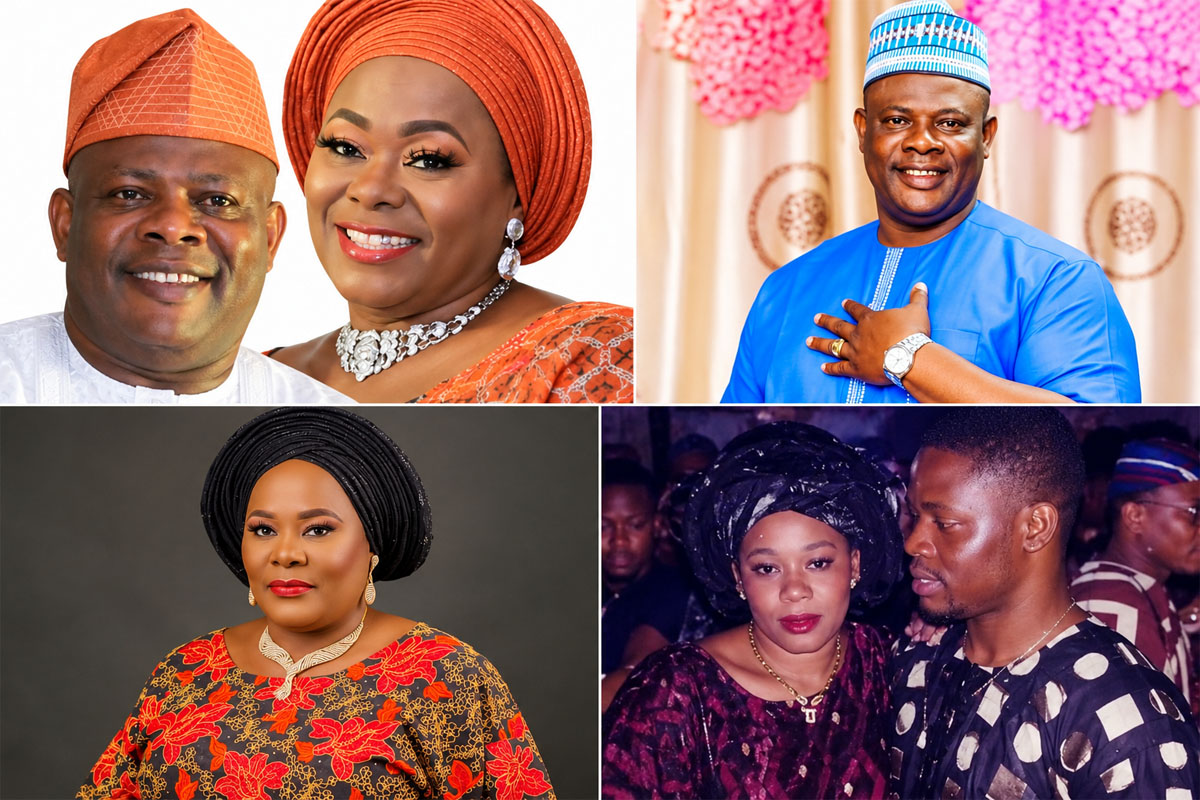
Veteran Nollywood actor Yinka Quadri has revealed how his wife, Sadiat Adenike, responded to his relationships with female colleagues, saying she remained friendly with some of the actresses despite knowing he was dating them.
The veteran Yoruba actor made the disclosure during an interview with African A-List, where he recounted how some of the women he was romantically involved with became friends with his wife and sometimes informed her about his relationships with other actresses.
According to Quadri, the situation occasionally became complicated when some of the women approached his wife to discuss his romantic relationships, even though they were also involved with him.
He said his wife was already aware of many of the relationships and chose not to confront the women.
“I won’t mention some of the ladies in the industry. They would become friends with my wife and tell her I was dating someone,” the actor said.
He explained that some of the women acted out of jealousy, approaching his wife to report his relationships with other actresses.
“Some of them were women I was actually dating, but they went to her out of jealousy,” he added.
READ ALSO:
- Tension in Kano as Phone Traders Confront Chinese Sellers Over Cheaper Phones
- OASIS Muslim Care Foundation Holds Webinar on Healthy Lifestyles, NCD Prevention
- NNPC Petrol Discount: Motorists Must Download App to Save ₦66 Per Litre
Quadri said his wife’s response often surprised the women, as she would tell them she already knew about the relationships and would not engage in arguments with them.
The actor also disclosed that some of the actresses occasionally spent the night at his residence when film productions ended late.
According to him, his wife continued to welcome and care for the women despite knowing about their relationships with him.
“Sometimes, when production ended late, they would sleep in my house on Kalu Street. She would feed them, and even though she knew I was dating them, she gave them everything they needed,” he said.
Quadri did not identify the actresses he referred to during the interview.
The revelation has drawn attention to the veteran actor’s personal life and the experiences he described from his years in the Nollywood film industry, where long production schedules often require cast and crew members to work late.
Quadri met his wife, Sadiat Adenike, in 1985, and they married in 1989. Their marriage has produced children and grandchildren.
The actor also reflected on the sacrifices his wife made during his career, acknowledging her support as an important part of his personal and professional journey.
Beyond his family life, Quadri recounted how he pursued his passion for acting despite his father’s reservations about the profession. He said he had initially helped with his father’s business before eventually committing himself to filmmaking.
He also recalled selling an unfinished house to finance a film project, highlighting the financial risks he took while building his career in the entertainment industry.
His latest comments have renewed public discussion about marriage, fidelity and relationships in Nollywood, although the account of his wife’s response and the relationships involved remains based on the actor’s own recollection.
‘My Wife Fed Actresses I Was Dating Despite Knowing About Our Affairs’ – Yinka Quadri
-

 metro1 day ago
₦130m Toyota Tundra Wrecked: Lagos Dealer Questions Police Over Suspect’s Release
-

 News1 day ago
₦200m Fake Alcohol Packaging Uncovered as NAFDAC Raids Aba Market
-

 metro10 hours ago
Suspended Archbishop Ibezim Drags Anglican Primate to Court, Challenges Six-Month Leave
-
 metro2 days ago
Borno Woman Jailed Two Years for Sexual Exploitation of 16-Year-Old Girl
-

 metro2 days ago
Outrage as Residents Scoop Groundnut Oil From Lagos Tanker Crash Scene
-

 Sports1 day ago
Real Madrid Demand Tebas’ Exit After Explosive Nazi Propaganda Row
-

 Politics2 days ago
Shettima Attacks Atiku Over Tinubu Remarks, Questions Subsidy Plan
-

 Politics2 days ago
2027: We Know How to Stop Tinubu From Getting Second Term – Momodu