

Health
Nigeria targets 2030 to eradicate malaria, says Buhari
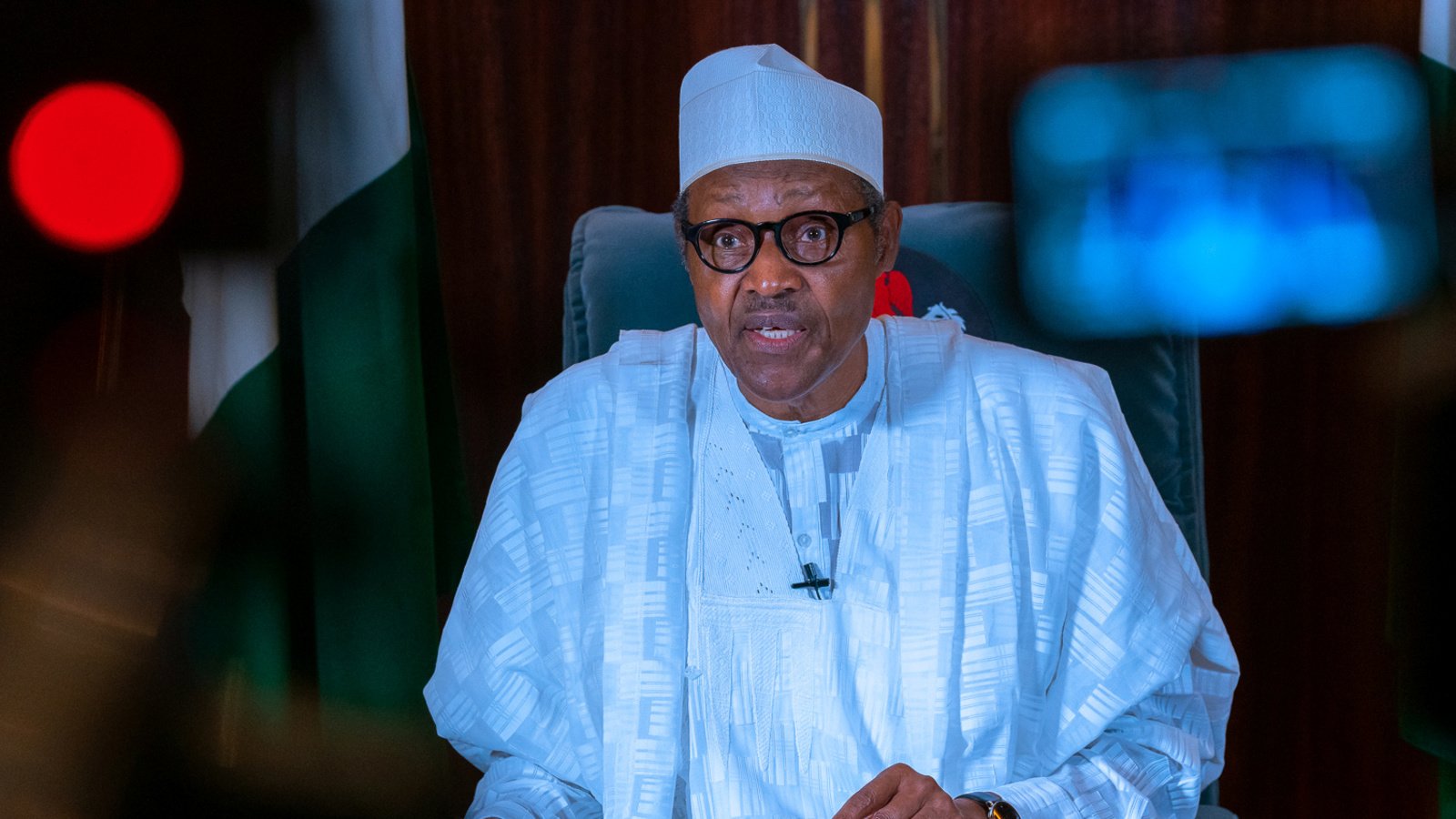
Nigeria will save N687 billion in 2022 and N2 trillion by 2030 by ending malaria transmission in the country, President Muhammadu Buhari has said.
The President stated this on Tuesday during the inauguration of the Nigeria End Malaria Council (NEMC) at the Presidential Villa in Abuja.
He told the 16-member Council headed by the founder and President of Dangote Group, Alhaji Aliko Dangote, that beyond improving the quality of life, health and well-being of Nigerians, the strategy to tackle malaria had both public health and socio-economic benefits for Nigeria.
A statement by his Special Adviser on Media and Publicity Femi Adesina, quoted Buhari as saying, ‘‘Our inauguration today will therefore ensure that malaria elimination remains a priority on our agenda, with strong political commitment from leaders at all levels.
‘‘Additionally, the End Malaria Council will provide a platform to advocate for more funding to protect and sustain progress made so far by our country, and put us on a pathway to ending malaria for good.”
He expressed concerns that the age-long disease had remained a major public health challenge in Nigeria.
The President cited the World Health Organisation (WHO) report of 2021, showing that Nigeria alone accounts for 27 percent of all cases of malaria and 32 percent of deaths globally.
He said, ‘‘Malaria infection can cause severe disease and complication in pregnant women and lead to high rates of miscarriage.
‘‘It is also responsible for a considerable proportion of deaths in infants and young children, with children under 5 years being the most vulnerable group affected. These are reasons we must not relent in fighting malaria.’’
On his choice of Dangote to chair the Council, President Buhari explained that it was in recognition of the track record and passion of Africa’s richest man in supporting initiatives on various health issues such as polio and primary health care system strengthening.
He said Dangote would bring his outstanding achievements to help the country achieve its goal of malaria elimination, adding that a group of eminent personalities, who have also made their mark across all walks of life, have been selected to work in the council.
He said the membership of the Council reflects government’s commitment to significantly reduce the malaria burden in Nigeria, to a level where it is no longer a public health issue.
‘‘We must work together to reduce the unnecessary deaths attributable to malaria and ultimately improve the well-being of citizens. I implore the Council to ensure best practices and innovative strategies in achieving its mandate,’’ he said.
President Buhari used the occasion to thank the Chairman of the African Leaders Malaria Alliance (ALMA), President Uhuru Kenyatta of Kenya, the Executive Secretary of ALMA, RBM Partnership in Nigeria for their continuous support to the Federal Ministry of Health and the malaria programme, in particular.
He also acknowledged the contributions of the Global Fund, the United States Agency for International Development, the President’s Malaria Initiative, Bill and Melinda Gates Foundation, WHO , UNICEF, UK Foreign and Commonwealth Development Office, other implementing partners, and the private sector.










Health
Ondo Toxic Drink: NAFDAC Confirms 48 Dead, 182 Cases as Methanol Suspected
Ondo Toxic Drink: NAFDAC Confirms 48 Dead, 182 Cases as Methanol Suspected
The National Agency for Food and Drug Administration and Control (NAFDAC) has confirmed that 48 people have died and 182 cases have been recorded following the consumption of suspected locally prepared alcoholic and herbal concoctions in parts of Ondo State, with preliminary laboratory findings indicating high concentrations of toxic methanol in samples of the drinks.
The health crisis has affected communities in Odigbo and Irele Local Government Areas, with authorities reporting severe illness, visual impairment and other complications among people who consumed the suspected products.
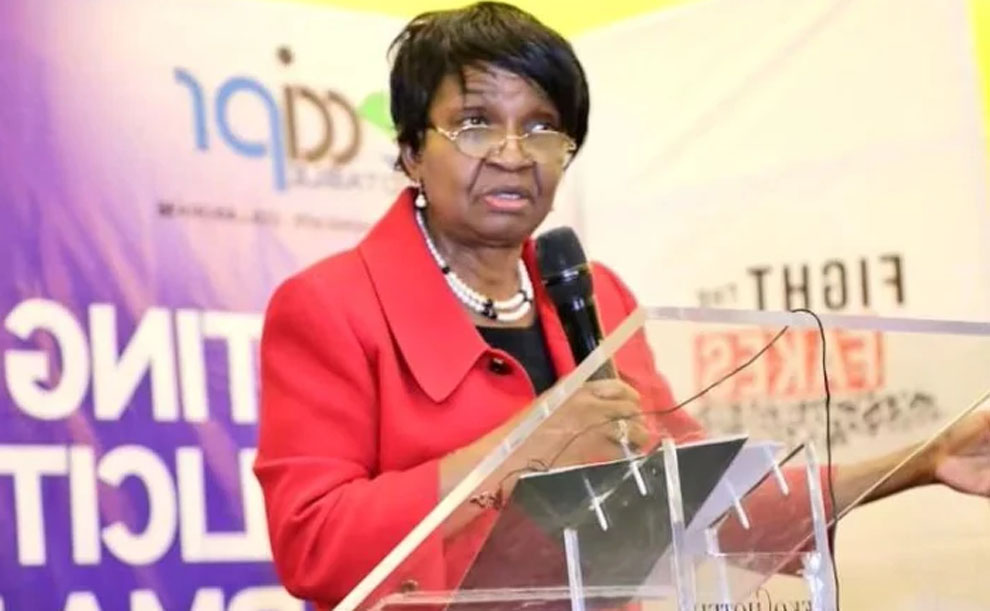
NAFDAC Director-General, Professor Mojisola Adeyeye, disclosed the latest figures in an update on the incident, saying five affected persons had reportedly become completely blind while two others suffered partial blindness.
The agency said the affected communities include Odigbo Town, Araromi-Obu, New Town, Odole, Okele, Orita Odigbo and Oniparaga, while cases have also been recorded in parts of Irele Local Government Area.
The outbreak was first reported in early September after residents who consumed locally prepared alcoholic or herbal drinks began falling ill and, in some cases, dying suddenly.
The number of deaths has changed as surveillance and investigations expanded. Earlier reports from the Ondo State Government had placed the death toll at 49, while NAFDAC’s latest update put the confirmed figure at 48 deaths and 182 recorded cases.
NAFDAC said 90 affected people had been admitted to hospitals and subsequently discharged, while six remained hospitalised. Another 31 people received treatment as outpatients, with other cases involving varying degrees of illness and complications.
The reported symptoms include headaches, general weakness and body pain, visual disturbances, difficulty breathing and altered consciousness. Some patients reportedly deteriorated rapidly after consuming the suspected drinks.
The suspected role of methanol has become central to the investigation after NAFDAC’s laboratory analysis detected high concentrations of the toxic substance in samples collected from the affected communities.
Methanol is a toxic form of alcohol that can cause severe poisoning when consumed. Exposure can result in damage to the optic nerve, blindness, organ failure and death.
READ ALSO:
- BREAKING: Bloodbath at Pakistan Mosque as Suicide Blast Kills 21, Injures 103
- Xenophobia: FG Brings 33 More Nigerians Home From South Africa
- Falconets Thrash England 3-0, Face Colombia in U-20 World Cup Quarter-Finals
NAFDAC said it collected 15 unlabeled samples of the suspected alcoholic and herbal products for toxicological, microbiological and chemical screening.
The agency also conducted acute oral toxicity tests on laboratory mice in accordance with its standard procedures and relevant international guidelines.
According to NAFDAC, all the samples tested caused critical illness in the animals, while approximately 50 per cent mortality was recorded in six of the 15 samples tested.
The agency said some of the animals recovered after 24 hours but warned that further exposure could be fatal.
Chemical screening also detected Cannabis indica in 11 of the samples, while gas chromatography confirmed the presence of high concentrations of methanol.
NAFDAC said the combination of the preliminary laboratory findings and the mortality recorded during toxicity testing indicated that the suspected products posed a serious public health risk.
However, the agency stressed that its findings remain preliminary and that further confirmatory tests are being conducted to determine the exact concentration of methanol and identify any other toxic substances that may have contributed to the illnesses and deaths.
The agency has therefore continued surveillance, laboratory testing, case management and other risk-control measures across the affected communities.
The Ondo State Government has also intensified its response, working with NAFDAC, the World Health Organisation, the National Drug Law Enforcement Agency, the Department of State Services, the Nigeria Police Force, the Amotekun Corps and local government authorities.
The state government had earlier banned the production, sale and distribution of unverified alcoholic drinks and other suspected harmful substances following the initial deaths.
The ban was introduced after the number of deaths began rising in Odigbo and Araromi-Obu, with authorities subsequently extending their surveillance to other communities.
The crisis later spread to Irele Local Government Area, where new cases and deaths were reported in communities including Idogun and Gbogunron.
Ondo State Commissioner for Health, Dr Banji Ajaka, said the government was working to identify the source of the suspected methanol exposure in the affected Irele communities.
The authorities have also warned residents against consuming unregulated locally produced alcoholic drinks and herbal concoctions, particularly products whose contents, production process and source cannot be verified.
Police authorities have arrested 15 people in connection with the suspected production, sale and distribution of the implicated drinks.
One of the suspects is alleged to have been involved in producing substances suspected to contain methanol and is assisting investigators, while other arrests were linked to alleged violations of the ban imposed by the authorities.
The investigation is expected to establish the source of the methanol, identify the producers and distributors involved, and determine whether the substance was deliberately added to the drinks or entered the products through another stage of production.
The suspected drink has been linked in local accounts to a high-alcohol herbal concoction popularly known as “Monkey Tail”, although authorities have not established that every product sold under that name was responsible for the poisoning.
Local traders have described different versions of the drink, underscoring the need for laboratory analysis to determine exactly which products and batches were implicated in the outbreak.
The incident has also highlighted concerns about the widespread consumption of unregulated alcoholic beverages in some Nigerian communities.
Locally produced alcoholic drinks are often cheaper and more accessible than regulated commercial products, particularly in rural communities. However, products manufactured outside formal regulatory systems may contain undeclared or dangerous substances.
The tragedy has therefore renewed concerns about food and drug safety, enforcement of regulations governing alcoholic beverages and the need for consumers to avoid products whose ingredients and production standards cannot be verified.
The reported cases of blindness have added another serious dimension to the health crisis.
Methanol poisoning can initially present with symptoms that may not immediately appear life-threatening before progressing to severe complications, including visual impairment, neurological damage, organ failure and death.
Health authorities have urged anyone who consumed the suspected drinks and subsequently developed symptoms such as blurred vision, weakness, vomiting, breathing difficulties, severe headache or altered consciousness to seek emergency medical attention.
The Ondo outbreak has also prompted broader public health warnings as authorities seek to prevent additional deaths.
NAFDAC said its investigations would continue until the precise chemical composition of the implicated products and the source of the contamination are established.
The agency has also warned that the current figures may change as surveillance continues and previously unreported cases are identified and verified.
For families who have lost relatives, the immediate concern remains accountability and preventing further exposure, while health officials are focused on treating survivors and tracing the suspected toxic products.
The 48 deaths and 182 recorded cases make the Ondo incident one of the most serious recent suspected methanol poisoning outbreaks reported in Nigeria.
Authorities are now working to establish the full chain of production and distribution of the suspected drinks, while the arrests and laboratory investigations continue.
Until the confirmatory laboratory tests are completed, NAFDAC has maintained that its methanol findings are preliminary. However, the agency’s detection of high concentrations of methanol in the suspected products, combined with the severe symptoms and deaths reported among consumers, has intensified the warning against consuming unregulated alcoholic and herbal concoctions.
The Ondo State Government and federal agencies have urged residents to cooperate with investigators, avoid suspected products and report any additional cases to health authorities as efforts continue to contain the outbreak.
Ondo Toxic Drink: NAFDAC Confirms 48 Dead, 182 Cases as Methanol Suspected
Health
20 Women Had Breasts Removed Unnecessarily During NHS Cancer Treatment
20 Women Had Breasts Removed Unnecessarily During NHS Cancer Treatment
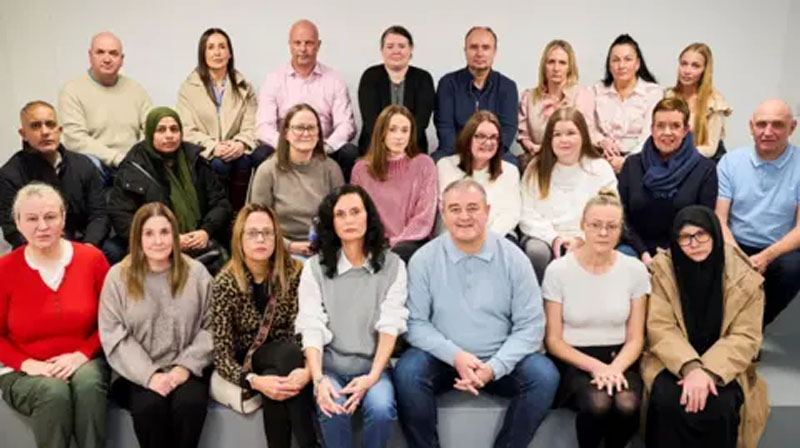
Twenty women underwent unnecessary mastectomies while receiving breast cancer care at an NHS trust in north-east England, while hundreds of other patients have been found to have suffered varying degrees of harm, according to an ongoing review.
The cases are linked to the County Durham and Darlington NHS Foundation Trust (CDDFT), which has been investigating serious concerns surrounding its breast services and the treatment of patients over several years.
The trust is currently reviewing breast cancer cases handled between January 2023 and February 2025, alongside cases involving 640 former patients who contacted a dedicated support helpline after concerns about their care emerged.
Figures released as part of the review show that hundreds of cases have already been assessed, with hundreds of patients found to have suffered some level of harm. The review has also identified cases in which breast cancer diagnoses were missed or delayed, allowing the disease to progress in some instances.
The trust has confirmed that 20 women underwent mastectomies that were not necessary, while a wider group of patients experienced excessive surgery or treatment that did not conform to accepted best practice.
Board information showed 32 cases involving excessive surgery, including mastectomies, with the trust subsequently confirming that 20 of those cases involved unnecessary mastectomies.
A further 38 cases involved treatment that was not aligned with best practice. These included unnecessary surgery for benign conditions, failure to offer immediate breast reconstruction in appropriate cases and the use of outdated practices that resulted in harm.
The review has also identified about 20 cases involving delayed diagnosis, a problem that can have serious consequences because breast cancer may progress while treatment is delayed.
The findings have raised questions about clinical decision-making, patient consent, multidisciplinary review and the systems that should have identified inappropriate treatment before patients underwent major procedures.
A Royal College of Surgeons review previously identified outdated practices within the breast surgery service and found evidence of excessive or unnecessary surgery in some cases.
READ ALSO:
- Xenophobia: FG Brings 33 More Nigerians Home From South Africa
- Falconets Thrash England 3-0, Face Colombia in U-20 World Cup Quarter-Finals
- Replace Fuel Subsidy With Vehicle Credit to Drive Mobility, Jobs,LCCI, Ilekuba tell FG
It also found that some patients were not offered all available treatment options, including neoadjuvant therapy and breast reconstruction.
Concerns were further raised about the trust’s multidisciplinary team arrangements, which are intended to allow surgeons, radiologists, pathologists and other specialists to jointly assess cancer cases before treatment decisions are made.
The review identified weaknesses in those arrangements, including insufficient peer review and challenge to support collective decision-making.
The trust’s chief executive, Steve Russell, has apologised to patients and their families, acknowledging that the organisation failed people who placed their trust in its breast services.
Russell said the trust recognised the profound impact of the failures and accepted that there were opportunities when it should have listened more carefully and acted sooner.
One of the women affected is Denise Howarth, 51, from Consett in County Durham, who was diagnosed with stage-one breast cancer in February 2023.
Howarth initially underwent a lumpectomy and removal of lymph nodes before being told at a follow-up review that she still needed a mastectomy.
She subsequently underwent the breast-removal operation and later received chemotherapy and radiotherapy.
In September 2025, however, the trust contacted her and told her that the mastectomy had not been necessary.
Howarth said the revelation left her shocked and devastated because she had trusted medical professionals to make the correct treatment decisions.
She has described the loss of her breast and the subsequent discovery that the surgery was unnecessary as life-changing, saying the experience severely affected her confidence.
Another affected woman, identified as Jo, also described the emotional impact of learning that her mastectomy could have been avoided.
She said further screening and biopsies could have established that areas of concern were benign and that the small cancer detected in her breast could have been treated without removing the entire breast.
The cases have prompted calls for a broader independent investigation.
Rachel O’Connor of Hudgell Solicitors, which represents some affected patients, has called for a public inquiry, arguing that the scale and duration of the problems warrant further examination.
The trust is also cooperating with Durham Police, which is investigating allegations arising from former patients’ experiences and examining whether any criminal offences may have occurred.
The National Crime Agency has also been involved in the investigation into allegations surrounding the breast service.
The clinical leadership of the service has come under scrutiny as part of the wider investigation.
The trust has confirmed that consultant Amir Bhatti, who served as its clinical lead for breast services from 2013 to 2024, currently has restrictions on his clinical practice while an internal investigation continues.
The trust has also faced questions about previous arrangements under which significant sums were paid to privately operated breast cancer diagnostic and surgical services associated with Bhatti.
A previous governance review raised concerns that outsourcing arrangements could create financial incentives that posed risks to clinical standards.
The trust has since made significant changes to its breast service.
These include the appointment of two new specialist oncoplastic breast surgeons, the introduction of experienced external specialist leadership, stronger clinical oversight and a requirement for patients to be discussed by a full multidisciplinary team.
The trust says care is now based on current national guidance and that its breast assessment clinics and imaging services have been improved.
A dedicated breast pain clinic has also been introduced, while additional specialist radiology expertise and upgraded breast-imaging facilities have been provided.
According to the trust, the changes are producing measurable improvements.
The proportion of women requiring a mastectomy has fallen to around the national average, while immediate breast reconstruction rates have tripled.
The trust also says the need for a second operation to completely remove a cancer has been cut by half.
More than 80 per cent of patients now undergo surgery as day cases, while fewer patients require diagnostic surgery.
More than one-third of cancer operations now use advanced oncoplastic breast surgery techniques, which can combine cancer treatment with techniques aimed at preserving or improving the appearance of the breast.
Despite the changes, the trust acknowledges that rebuilding confidence among patients will take time.
The review of previous care is continuing, and the organisation says patients whose records raise concerns will be contacted directly and offered appropriate information, clinical care and support.
The next major development is expected on September 24, when the trust’s board will meet publicly to decide the future scope and timeframe of the review.
The board will consider whether the investigation should be expanded to cover thousands of additional patient cases dating back to 2015.
No final decision had been made on the proposed expansion before the meeting.
The trust has also kept its dedicated patient support line and email service open for former patients who have concerns about their breast care.
The unfolding investigation has raised wider questions about NHS patient safety, breast cancer treatment, clinical governance, informed consent and medical accountability.
For the women who have been told that major surgery could have been avoided, however, the consequences are permanent.
The central questions now facing investigators and health authorities are how inappropriate treatment decisions were made, why existing safeguards did not prevent them, whether warning signs were missed and how many additional patients may have been affected.
With the review still underway and the possibility of expanding it to cases dating back to 2015, the full scale of the NHS breast care failures may not yet be known.
20 Women Had Breasts Removed Unnecessarily During NHS Cancer Treatment
Health
Fiji Declares National HIV Emergency as Diagnoses Surge Sixteenfold
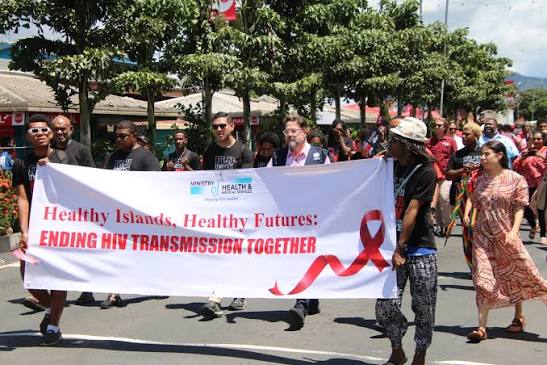
Fiji Declares National HIV Emergency as Diagnoses Surge Sixteenfold
Authorities launch a multi-agency public health campaign to expand free testing, treatment, and harm-reduction services
Fiji has announced a nationwide health response to address a significant rise in HIV cases and ensure that all residents can access essential medical care.
On Wednesday, Health Minister Dr. Atonio Lalabalavu shared the emergency declaration, explaining that national agencies are joining forces to provide rapid medical support, expand testing, and protect community well-being across the islands.
Official reports indicate that about one in every 60 adults in Fiji currently lives with HIV, following an increase in new infections over recent years. Health specialists explain that the virus spreads primarily through intimate sexual contact and shared needles among individuals using illicit substances.
Additionally, routine screenings revealed that two out of every 100 expecting mothers carry the virus, highlighting an urgent need for early maternal healthcare to protect newborns from infection.
To safeguard public health, authorities are delivering free daily treatments, distributing protective preventive medications, and setting up clean needle programs to stop infections before they start.
Furthermore, global partners, including Australia, New Zealand, India, and United Nations health bodies are providing financial resources and medical supplies to back the local effort.
By encouraging open community conversations and delivering accessible healthcare without judgment, health workers aim to ensure that everyone receives the care and dignity they deserve.
Fiji Declares National HIV Emergency as Diagnoses Surge Sixteenfold
-

 Business3 days ago
Fuel Prices Climb to ₦1,500 per Litre Across Nigeria, Sparking Calls for Urgent Action
-

 News3 days ago
OAU Investigates Death of Final-Year Student as Police Begin Probe
-

 News2 days ago
ECOWAS Biometric Card Expands as Seven Countries Begin Rollout
-

 Interview3 days ago
He Does Not Lose Elections”: Abdulmumin Jibrin Predicts 65% Landslide for Tinubu in 2027
-

 Business3 days ago
NCAA Moves Against Airlines Over Rising Flight Delays
-

 metro2 days ago
FG Suspends Niger NSCDC Commandant As 37 Suspected Illegal Miners Die In Custody
-
 Politics3 days ago
Aisha Buhari Visits Atiku Amid Opposition Coalition Activities
-

 Sports2 days ago
Ballon d’Or 2026: Mbappe Responds to Yamal’s Bold Claim