

Politics
Buhari shelves plan to address NASS on security

- Reps step down motion to admit President
- Lawmakers can’t summon him – Malami
Indication emerged on Wednesday that President Muhammadu Buhari has shelved his plan to address the joint sitting of the National Assembly on Thursday on the security situation in the country.
This came as the conventional legislative practice, ‘Admittance into the Chamber’ motion, slated on the Order Paper, which should have been sponsored by Hon Garba Alhassan Ado to suspend relevant House rules, was not entertained by the Speaker, Femi Gbajabiamila.
The motion provides that “that the House, pursuant to Order 19, Rule 8 (1) and (2) of the Standing Orders, do admit into the Chambers, the ministers of the Federal Republic of Nigeria, the service chiefs and other dignitaries for the purpose of receiving an address by the President and Commander-in-Chief of the Armed Forces of the Federal Republic of Nigeria on the security situation in the country.”
Attorney General of the Federation (AGF) and Minister of Justice, Mr Abubakar Malami, SAN, on Wednesday said that the National Assembly lacked the constitutional power to summon President Buhari over security matters.
The President’s change of mind, it was learnt, might not be unconnected with an alleged plot by the Peoples Democratic Party (PDP) caucus to embarrass him.
The resolution for Buhari not to attend the forum was reportedly reached at a meeting held on Tuesday night which lasted into the midnight at the Conference Room 028 New Building of the House of Representatives.
Some of the governors seen at the meeting are Aminu Masari of Katsina State and Hope Uzodinma of Imo State, as well as the former FCT Minister of State, Senator James Udoedehe.
One of the principal officers in the House of Representatives, who spoke on condition of anonymity, confirmed that the decision was to avoid any form of embarrassment from the members of the opposition party, PDP.
Malami, in a statement, argued that the issue of security is confidential and how the president handles it should not be for public exposure.
“The confidentiality of strategies employed by the President as the Commander in Chief of the Armed Forces of the Federal Republic of Nigeria is not open for public exposure in view of security implications in probable undermining of the war against terror”, he said.
He argued that Buhari had recorded tremendous success in containing the hitherto incessant bombings, colossal killings, wanton destruction of lives and property that bedeviled the country before attaining the helm of affairs of the country in 2015.
According to him national security is not about publicity and the nation’s security architecture cannot be exposed for the sake of getting publicity.
While stating that the President enjoys Constitutional privileges attached to the Office of the President including exclusivity and confidentiality investiture in security operational matters, which remains sacrosanct, he added that the National Assembly had no Constitutional Power to envisage or contemplate a situation where the President would be summoned by the National Assembly on operational use of the Armed Forces.
“The right of the President to engage the National Assembly and appear before it is inherently discretionary in the President and not at the behest of the National Assembly,” the statement added.
But immediate past Chairman, House Committee on Ethics and Privileges, Hon Uzoma Nkem-Abonta, said there was no justification for the President’s decision to turn down the invitation to brief Nigerians on the state of security.
“It was the House of Representatives of Nigeria that invited the President of Nigeria. It was not a summon; it was an invitation to bring us up to speed on the security matter in Nigeria, now that security is now topical and almost urgent.
“If he thinks to look at it legally, he may say you cannot summon because you can’t discipline. But one thing to look at is the security importance. He’s the commander in chief of all armed forces and the invitation is to tell us if there is any trouble in the security architecture so that we will know exactly what is the issue is.”
He also spoke on the reported role played by the governors to prevail on the President from honouring the House invitation.
He said, “We heard that the governors prevailed on him not to come, and it is very easy to understand why the governors said so because if he honours the invitation, the state assemblies will ask the governors to come, which is the proper thing. But because the relationship is master-servant; most parliaments in Nigeria run master-servant relationship; in that context, how can a servant order his master to come to render account?
“And if you are a governor, you owe the governed the duty to explain.”






Politics
Atiku’s Son Dumps Father’s Political Camp, Launches Tinubu Re-Election Campaign
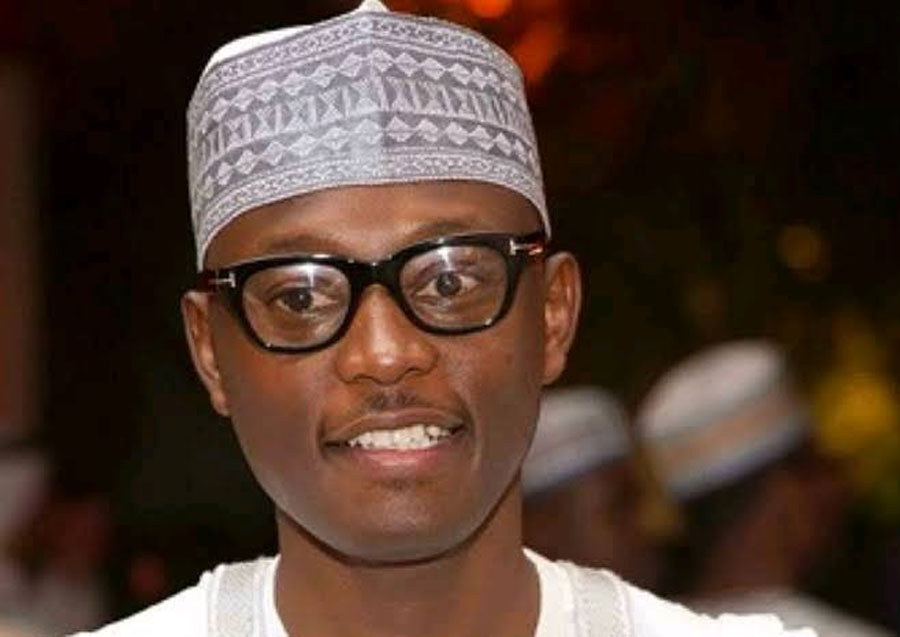
Atiku’s Son Dumps Father’s Political Camp, Launches Tinubu Re-Election Campaign
Abba Abubakar, son of former Vice-President Atiku Abubakar, has unveiled an ambitious nationwide mobilisation plan for President Bola Ahmed Tinubu’s re-election in 2027, further highlighting the political differences between him and his father, who is seeking to return to the presidency under the African Democratic Congress (ADC).
Abba announced his support for Tinubu on Friday, October 30, 2026, in Abuja, where he unveiled the Haske Bola Tinubu Organisation (HBTO), a political platform established to mobilise support for the President and the ruling All Progressives Congress (APC) ahead of the next general elections.
As part of the organisation’s strategy, he announced plans to organise a two-million-man mobilisation march across Nigeria’s six geopolitical zones, beginning in Abuja.
He also unveiled plans to provide 10 luxury buses to ease transportation difficulties, with the initiative expected to commence in the Federal Capital Territory (FCT) before expanding to other parts of the country.
The development has attracted political attention because Abba’s father, Atiku, is a leading opposition figure and presidential aspirant under the ADC, which is preparing to challenge Tinubu’s re-election bid.
Speaking at the press conference, Abba described his decision to support Tinubu as a personal conviction, insisting that political choices should not be dictated by family relationships.
He acknowledged that his decision could generate public interest because of his father’s political position but maintained that every individual had the right to make independent political decisions.
READ ALSO:
- 2027: G100 Coalition Moves to Unite Opposition as Leaders Meet Cardinal Onaiyekan
- Ghanaian Teen Chased, Shot Dead on Way to School in New York
- Ogun Murder: Suspect Reveals How He Strangled, Macheted Retired Civil Servant Over N3.45m
According to him, democracy thrives when citizens are allowed to exercise their political convictions without being compelled to follow the choices of relatives or associates.
He said the Haske Bola Tinubu Organisation was established to build a structured, inclusive and nationally coordinated movement capable of mobilising support for the President, taking government policies beyond political gatherings and engaging ordinary Nigerians at the grassroots.
Abba explained that the organisation would focus on expanding its structures across the country, working with other political groups and communicating the policies and programmes of the Tinubu administration to communities.
Explaining the reasons for his support, Abba said his decision was influenced by what he described as the Tinubu administration’s economic reforms and development policies.
He specifically mentioned the Nigerian Education Loan Fund (NELFUND), which provides interest-free loans to eligible students, investments in road and transportation infrastructure, increased allocations to state governments through the Federation Account Allocation Committee (FAAC) and the N70,000 transportation support for workers.
He argued that these interventions demonstrated the administration’s efforts to address longstanding economic and structural challenges facing the country.
Abba also said his experience in business had given him an opportunity to assess the government’s economic policies and their implications for businesses and ordinary Nigerians.
He maintained that his support was based on his assessment of the administration’s direction rather than his relationship with the former Vice-President.
As part of the organisation’s immediate plans, Abba announced that 10 luxury buses would be deployed to ease transportation challenges, beginning in Abuja before extending to other locations.
He said the initiative was intended to demonstrate that support for the Tinubu administration should go beyond political campaigns and translate into practical interventions that benefit Nigerians.
On the political mobilisation strategy, he disclosed that the proposed two-million-man march would cover all six geopolitical zones, with Abuja serving as the starting point.
He also declared that the organisation would work towards securing the FCT and Rivers State for Tinubu in the 2027 presidential election.
Abba said the group was aligning with the political objectives of the FCT Minister, Nyesom Wike, who has also pledged to mobilise support for Tinubu in the two territories.
He further announced plans for a major mobilisation exercise in Rivers State during the first week of November, adding that the organisation had already activated structures across the country.
The HBTO chairman said the organisation was committed to building a disciplined grassroots network capable of engaging voters, communicating government policies and mobilising support ahead of the election.
He also called for greater participation by young Nigerians in the political process, arguing that individuals should be free to support political leaders and parties based on their convictions.
Abba’s latest political move follows his defection from the Peoples Democratic Party (PDP) to the APC in January 2026, when he publicly declared support for Tinubu’s second-term ambition.
At the time, he directed coordinators and members of his former political organisation, the Haske Atiku Organisation, to align with the APC and support the President’s Renewed Hope Agenda.
His latest announcement, however, marks a fresh phase of his political mobilisation efforts with the unveiling of the Haske Bola Tinubu Organisation.
Meanwhile, Atiku had previously described his son’s decision to join the APC as a personal political choice, maintaining that he would not compel his children to share his political beliefs.
The former Vice-President has continued to pursue his political ambition through the ADC, positioning himself among the opposition figures seeking to challenge Tinubu in 2027.
The emerging political differences between father and son have added another dimension to the political calculations ahead of the next general elections.
With the proposed two-million-man march, the deployment of 10 luxury buses and plans to establish grassroots structures nationwide, Abba is seeking to build a significant mobilisation platform for Tinubu’s re-election campaign.
Whether the organisation can translate its ambitious plans into measurable electoral support remains to be seen as political parties and campaign groups intensify preparations for the 2027 contest.
Atiku’s Son Dumps Father’s Political Camp, Launches Tinubu Re-Election Campaign
Politics
2027: G100 Coalition Moves to Unite Opposition as Leaders Meet Cardinal Onaiyekan
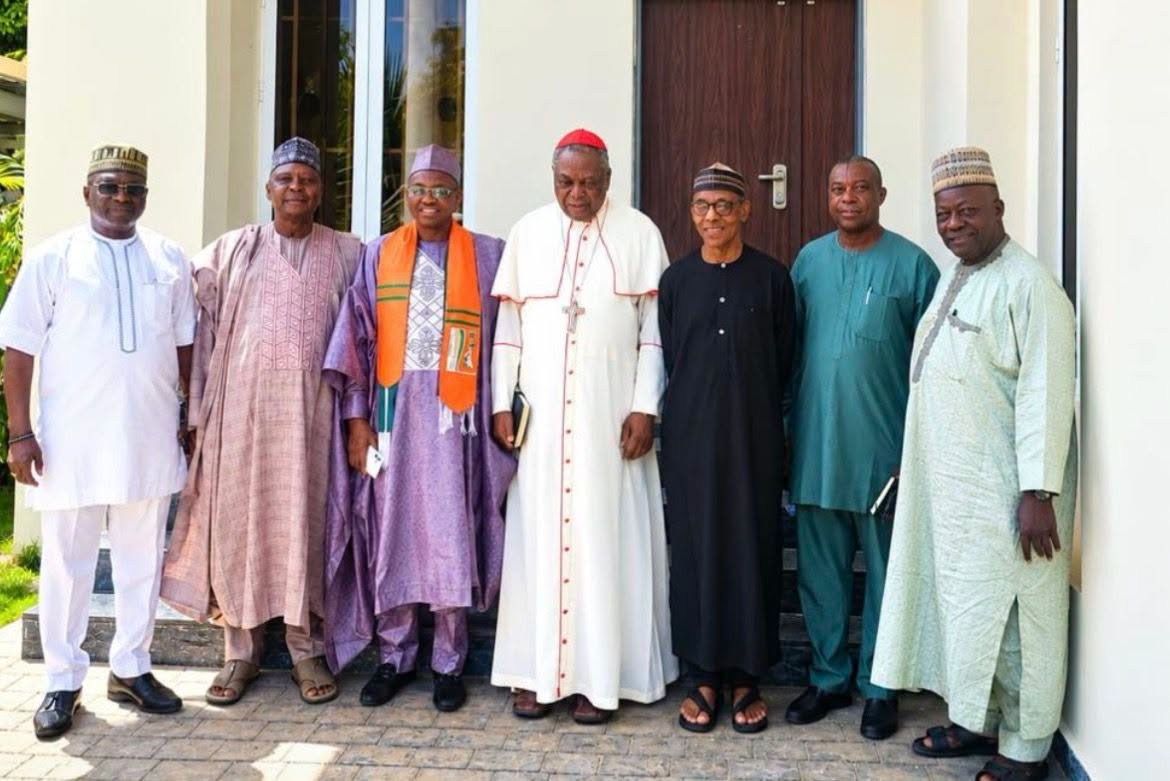
Leaders of opposition political parties under the G100 Coalition have intensified efforts to build a united front ahead of the 2027 general elections, briefing Catholic cleric, Cardinal John Onaiyekan, on their plans to provide Nigerians with a credible alternative to the ruling All Progressives Congress (APC).
The coalition leaders visited Onaiyekan at his residence on Thursday, October 29, 2026, where they presented updates on their efforts to bring opposition parties together, attract more political groups and develop a common political agenda ahead of the elections.
The delegation comprised national chairmen and national secretaries of participating political parties.
According to a statement signed by Salihu Moh. Lukman on behalf of the coalition parties on Friday, October 30, the meeting focused on the progress made towards building a united opposition platform and addressing disagreements that could undermine the proposed alliance.
A major development disclosed during the meeting was the completion of work on three policy documents expected to guide the coalition’s operations, political structure and proposed reform agenda.
The documents are the National Covenant for Democratic Renewal, the Framework for Opposition Unity and the National Reform Programme.
The National Covenant for Democratic Renewal outlines the principles and values underpinning the coalition, while the Framework for Opposition Unity establishes how participating political parties intend to cooperate and manage their relationship.
The National Reform Programme, on the other hand, sets out the policy priorities and governance direction of a government that could emerge from the proposed opposition partnership.
The coalition said it was working towards the final adoption of the documents ahead of its Second Summit scheduled for Monday, November 9, 2026.
READ ALSO:
- Ghanaian Teen Chased, Shot Dead on Way to School in New York
- Ogun Murder: Suspect Reveals How He Strangled, Macheted Retired Civil Servant Over N3.45m
- N100,000 Deposit: FG Opens Homeownership Window for Teachers, Nurses, Police Officers
READ ALSO:
- Ghanaian Teen Chased, Shot Dead on Way to School in New York
- Ogun Murder: Suspect Reveals How He Strangled, Macheted Retired Civil Servant Over N3.45m
- N100,000 Deposit: FG Opens Homeownership Window for Teachers, Nurses, Police Officers
At the summit, participating political parties are expected to formally endorse and publicly unveil the three working papers, marking another step in the coalition’s efforts to consolidate opposition cooperation before the 2027 elections.
During the meeting, Onaiyekan reportedly welcomed the initiative and expressed support for efforts to build a united opposition capable of giving Nigerians credible choices at the polls.
The Cardinal stressed that citizens should have genuine alternatives through which they could determine the country’s future and choose their leaders.
He also emphasised the importance of competent, honest and compassionate leadership in addressing Nigeria’s numerous challenges, particularly those making decent living conditions difficult for many citizens.
His position reflects growing concerns about the ability of opposition parties to overcome their differences and establish a common platform ahead of the next general elections.
The coalition leaders also briefed him on their efforts to bring additional political parties into the alliance and establish mechanisms for resolving disagreements among members.
They said the proposed partnership was focused on rebuilding citizens’ welfare, strengthening national security and restoring public confidence in leadership.
The delegation expressed appreciation for Onaiyekan’s longstanding advocacy for justice and compassion and requested his continued prayers for the success of the initiative.
The coalition also disclosed plans to extend its consultations to other prominent Nigerians and diplomatic missions in the coming weeks as part of efforts to broaden support for the opposition unity project.
The latest engagement comes amid wider discussions among opposition figures over the possibility of presenting a single presidential candidate to challenge President Bola Ahmed Tinubu and the APC in 2027.
The coalition’s initiative is particularly significant as opposition parties continue to grapple with internal disagreements, competing presidential ambitions and uncertainty over the platform through which they could jointly contest the next election.
The G100 initiative has featured consultations involving political parties and prominent opposition figures, including supporters of former Vice-President Atiku Abubakar and former Anambra State Governor Peter Obi, among others. However, the coalition has yet to announce an agreed presidential candidate or a final electoral arrangement.
Onaiyekan had earlier expressed concern about the inability of opposition leaders to unite behind a common candidate, warning that multiple opposition candidates could divide votes and weaken the challenge to the ruling party.
He had argued that opposition figures needed to put aside individual ambitions and work towards presenting Nigerians with a viable alternative.
The Cardinal’s latest meeting with G100 leaders therefore represents another engagement in the ongoing effort to encourage cooperation among opposition parties ahead of the 2027 elections.
With the November 9 summit approaching, attention will be on whether the coalition can translate its three working documents and consultations into a workable political alliance capable of attracting broader opposition participation.
The success of the initiative will depend largely on how participating parties manage their differences, agree on common priorities and establish an acceptable framework for cooperation ahead of the elections.
2027: G100 Coalition Moves to Unite Opposition as Leaders Meet Cardinal Onaiyekan
Politics
2027: Tinubu Reconciles With 8 Zamfara Lawmakers Who Dumped APC, ADC Defection Shelved
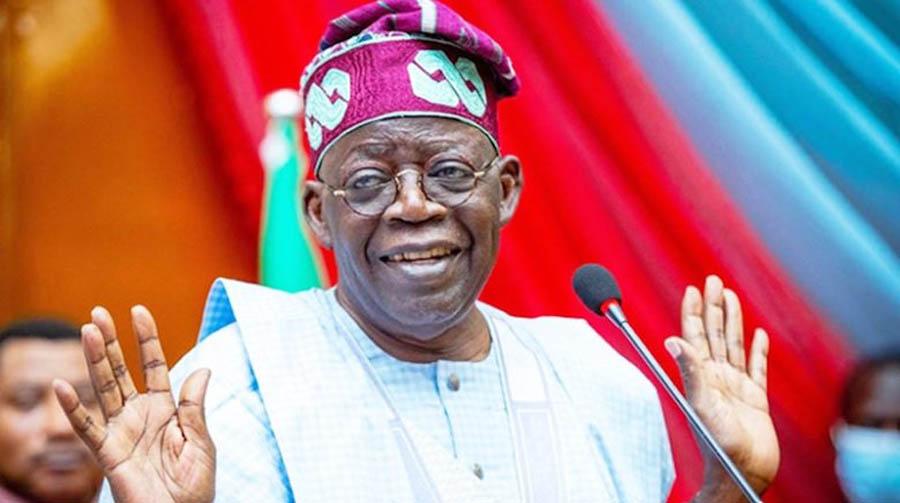
2027: Tinubu Reconciles With 8 Zamfara Lawmakers Who Dumped APC, ADC Defection Shelved
Eight members of the Zamfara State House of Assembly who recently resigned from the All Progressives Congress (APC) have reportedly agreed to return to the ruling party following a meeting with President Bola Ahmed Tinubu.
The lawmakers, who had earlier dumped the APC amid internal disagreements, were said to have reconsidered their decision after meeting with the President at the Presidential Villa in Abuja.
The meeting, which reportedly took place on Sunday night, October 18, was facilitated by the Minister of State for Defence, Bello Matawalle, who led the delegation alongside a member of the House of Representatives, Aminu Sani Jaji.
The development comes amid speculation that the eight legislators were preparing to defect to the African Democratic Congress (ADC), an opposition party that has been attracting political attention ahead of the 2027 general elections.
However, following the engagement with Tinubu, efforts are reportedly underway to address their grievances and persuade them to remain within the APC.
The lawmakers had announced their resignation from the ruling party in early October, citing worsening insecurity in Zamfara State, alleged injustice, internal divisions and the non-payment of their salaries and allowances.
Their departure had raised questions about the APC’s internal political situation in Zamfara, particularly as political activities intensify ahead of the 2027 elections.
2027: Tinubu Reconciles With 8 Zamfara Lawmakers Who Dumped APC, ADC Defection Shelved
-
 metro2 days ago
Ajaero Fires Back at TUC Over Rejection of FG’s ₦70,000 Allowance
-

 International2 days ago
Hackers Leak Details of 41,000 US Homeland Security Personnel in Major Data Breach
-

 metro1 day ago
Captured Bandit Exposes Alleged Military Arms Supplier, Claims Gang Collected ₦1bn From Two Customs-Linked Kidnappings
-

 metro2 days ago
Eight Days After Abduction, Kidnappers Demand ₦50m for Nasarawa Teacher
-
 metro3 days ago
TUC Rejects Tinubu’s ₦70,000 Transport Allowance, Demands ₦300,000 Salary
-

 Education3 days ago
NELFUND Introduces Token System to Stop Double Payment of School Fees
-

 Entertainment3 days ago
Emeka Ike Loses ₦10bn Privacy Suit Against Wike’s Aide, INEC
-
 News2 days ago
Ijeh Barracks Mosque: Police Promise to Monitor Reconstruction as MURIC Urges Calm
You must be logged in to post a comment Login