

metro
Updated: Jakande buried as Buhari, governors, others pay last tribute to ex-Lagos governor

President Muhammadu Buhari, governors and other prominent dignitaries have extolled the virtues of the ex-Lagos State Governor Lateef Jakande who died on Thursday at 91.
Their tribute came as Pre-burial prayers of the first civilian governor were fixed at number 2 Bishop Street Ilupeju, Lagos State on Friday, February 12, 2021, at 9am.
Interment of his remains also today (Friday), February 12 at Volts and Gardens Ikoyi is scheduled for 4pm, according to the family.
Buhari, in a statement issued by his Special Adviser on Media and Publicity, Mr Femi Adesina, expressed the belief that Alhaji Jakande lived for the good of others, Lagos State and Nigeria as a nation.
“President Muhammadu Buhari believes former Governor of Lagos State, Chief Lateef Jakande, lived for the good of others, state and country, and his legacy of standing for all that was right for humanity would be long remembered.
“The President, while condoling with family, friends and associates of the elder statesman, affirms that his imprints on the commercial nerve centre of the country, Lagos State, which was the former national capital, will continue to awe and inspire, reminding everyone of the strength of character and sacrifices of the visionary leader.
“President Buhari notes contributions of the first civilian Governor of Lagos State and former Minister of Works to the growth of democracy and good governance in the country, describing him as a patriot, whose wisdom will run through generations, especially in putting people first in development plans.
“The President joins government and people of Lagos State, Nigeria Union of Journalists, and Nigerian Guild of Editors, in mourning the veteran journalist, praying that the almighty God will receive his soul and grant him eternal rest,” the statement said.
Sanwo-Olu
Lagos State Governor Babajide Sanwo-Olu said the remarkable achievements of the late Jakande as governor would remain indelible for generations to come.
“With gratitude to God for a worthy life well spent in the service of Lagos State, Nigeria and humanity, I announce the death of a venerable statesman, outstanding politician, public administrator and the first Civilian Governor of Lagos State, Alhaji Lateef Kayode Jakande.
“Baba Jakande’s record of service as a journalist of repute and a leader of remarkable achievements as governor of Lagos State will remain indelible for generations to come. His death is a colossal loss and he will be missed.
“On behalf of the government and people of Lagos State, I want to express my sincere and heartfelt condolences to the family, friends and comrades of Baba Jakande.”
Abiodun
Ogun State Governor Dapo Abiodun, in a statement by his Chief Press Secretary, Kunle Somorin, eulogised the deceased elder statesman.
The governor said, “Papa Jakande was a statesman of statesmen. He was not just a great disciple of the legendary Obafemi Awolowo, he carried the Awoist traits everywhere he went. Lagos has lost a visioner. The Awoists family has lost a great inheritor and practitioner of the great legacy and Nigeria’s progressive politics has been weaned of a model.
“There is no way good governance will be mentioned in Nigeria without a reference to the cerebral journalist and administrator, Alhaji Lateef Jakande. He was selfless; an embodiment of in excellence in prudent management of men and resources both as a newspaper man and as governor of Lagos State. Everybody attests to his modesty and exceptional skills in managing the affairs of Lagos State even in the period of austerity measures.”
Fayemi
Ekiti State Governor Dr. Kayode Fayemi expressed his condolences on the death of the first elected Governor of Lagos State.
The governor, in a statement by his Chief Press Secretary, Yinka Oyebode, described the late Jakande as a selfless leader, statesman and a role model who utilised public service effectively for the development of the people.
Dr Fayemi described the late Jakande as a leader with uncommon accomplishments, one of the founding fathers of progressive politics in Nigeria and a committed Awoist who elevated service to the people above other consideration.
Uzodimma
Imo State Governor Hope Uzodimma described the late Jakande as one of the honest, selfless and faithful leaders Nigeria has produced.
Uzodimma said Lagos Sate and Nigeria would miss Jakande because of his populist programmes that stood him out as governor and endeared him to the people.
Oyetola
Osun State Governor Adegboyega Oyetola sent heartfelt condolences to the government and the people of Lagos State over the death of the first civilian governor of the state.
Oyetola, in a statement by his Chief Press Secretary, Ismail Omipidan, also commiserated with the Jakande family and friends.
He said Jakande was a professional and respected journalist, progressive politician, distinguished public servant and an outstanding leader, who demonstrated strong concern and commitment to the welfare of the people he served.
Osoba
Former Ogun State Governor Aremo Segun Osoba said with Jakande’s death an iroko tree has fallen.
Osoba, in a statement, said Jakande would be remembered as a personification of the best in journalism and a political colossus.
He said the deceased politician singlehandedly founded both the Newspapers Proprietors Association of Nigeria (NPAN) and the Nigerian Institute of Journalism (NIJ).
“He was a foundation member of both the Nigeria Union of Journalists and Guild of Editors. An astute politician who left giant footprints wherever he had the opportunity to serve at state and Federal levels.
“As governor of Lagos State, he ran a daily “Political Clinic”, where citizens committed him on issues.
“In Yoruba parlance- Iroko Tree as well as an Elephant has fallen. God grant him eternal rest,” Osoba said.
Obasa
Lagos House of Assembly Speaker Mudashiru Obasa urged Buhari to revisit the Metroline project in honour of the late Jakande.
Obasa made the plea in a motion raised yesterday during a plenary session in honour of the first civilian governor of the state.
”Jakande would have been remembered more if he had been allowed to do the metroline project.
“Now that he is dead, the Federal Government, led by President Muhammadu Buhari, should remember Jakande with the project or any other befitting project,” he said.
Okunnu
A former Federal Commissioner for Works and Housing, Alhaji Femi Okunnu said the late elder statesman left his mark in the political landscape, not only in Lagos but in Nigeria as a whole as a member of the late Chief Obafemi Awolowo’s Action Group (AG) and later the Unity Party of Nigeria (UPN).
Okunnu described the late Jakande as an astute politician. With the death of Jakande, he said, “He left his mark on the educational development of Lagos, with his free primary education programme, which he launched when he became governor in 1979. Another programme he embarked upon was the housing estates scattered across the state, including the one in Bode Thomas Street, Surulere, in Ikoyi-Obalende, in Isolo, in Ajah, and other parts of the state. Those are some of the landmark projects that he undertook during tenure that I can remember.
-The Nation






metro
Niger Mosque Attack: Bago Says 63 Abducted, 14 Freed, Three Killed
Niger Mosque Attack: Bago Says 63 Abducted, 14 Freed, Three Killed
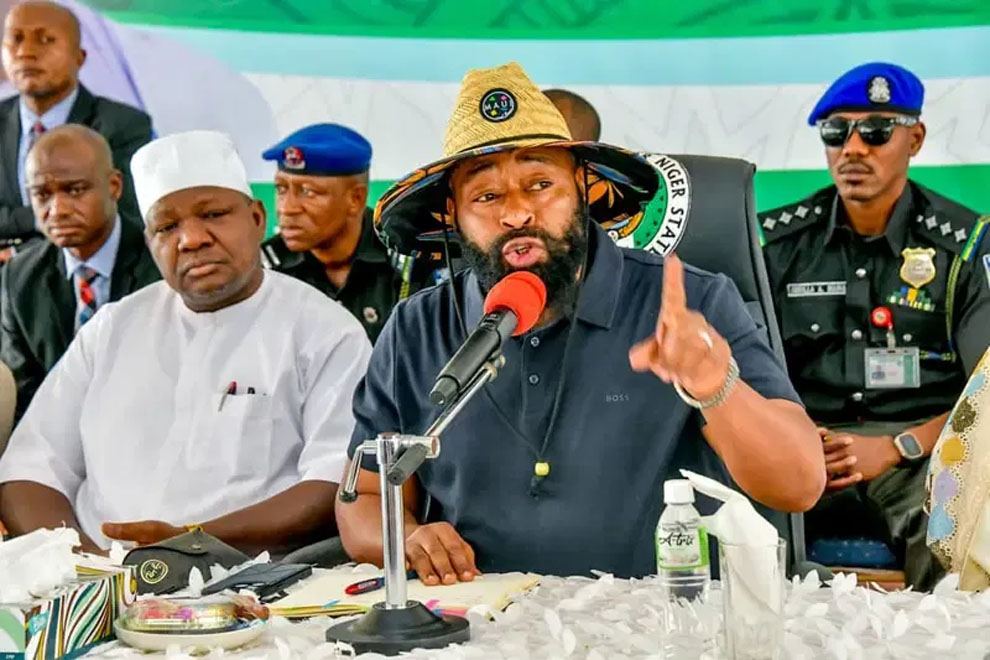
Niger State Governor, Mohammed Umaru Bago, has said 63 people were abducted during the August 21 attack on worshippers in the Dakera area of Borgu Local Government Area, with three victims killed and 14 others recovered.
Bago’s disclosure provides the first specific official breakdown of the victims following weeks of conflicting reports about the scale of the Niger State abduction.
The governor said 33 worshippers were abducted from a mosque, while the attackers seized another 30 people from a nearby market as they fled, bringing the total number to 63.
He made the disclosure when former Niger State governor and Senator representing Niger North, Abubakar Sani Bello, visited the Government House in Minna to sympathise with the state over recent deaths and security incidents.
Bago also rejected reports circulating on social media that about 500 people had been abducted, describing the figure as exaggerated.
“It was a social media hype. Thirty-three were kidnapped at the mosque, and on their way, they kidnapped an additional 30 in a market, making a total of 63,” the governor said.
He added that three of those abducted had been killed, while 14 had been recovered.
The governor’s account means that, of the 63 people he said were abducted, 17 have been accounted for through deaths or recovery, leaving 46 whose current status was not specified in his latest disclosure.
However, the official figure has not ended concerns over the scale of the wider Borgu mass abduction.
Residents of Dekara and neighbouring communities staged a protest in New Bussa on Monday, September 21, demanding the release of hundreds of people they said remained in captivity more than a month after the attacks.
According to Reuters, residents initially estimated that about 600 people had been abducted during coordinated attacks on several communities. The president of the Borgu Youths Development Association, Abdullahi Yahaya Sadauki, subsequently said community estimates had risen to nearly 700 people allegedly still in captivity.
Reuters said it could not independently verify the higher figure.
READ ALSO:
- UNGA 81: Trump Threatens to ‘Annihilate’ Iran if No Deal Is Reached
- Mambilla: Malami Defends $200m Settlement, Rejects ICC Corruption Findings
- Obasanjo Family, Orji Kalu Among Nigerians Linked to $271m US Property Investigation
The residents are calling for a formal headcount across the affected villages to establish the actual number of people missing, those who escaped and those who were taken into captivity.
The protest also reflected the wider impact of the security crisis in Borgu, with residents saying insecurity has restricted access to markets and healthcare. Shops were reportedly closed in the area as residents observed a shutdown to draw attention to the continued captivity of the victims.
The attack occurred on August 21 when armed men invaded communities in the Dekara district of Borgu, including Gidan-Zana and Kpenya.
Police had initially said armed men stormed Kpenya Mosque during Friday prayers after attacking Gidan-Zana and Kpenya communities. Police spokesperson Wasiu Abiodun said at the time that authorities could not confirm the number of people abducted.
The initial police assessment indicated that no death had been confirmed at that stage, while a joint security team was deployed to the area for assessment and rescue operations.
Residents subsequently told Reuters that more than 60 worshippers had been abducted during what appeared to be coordinated attacks on several communities in Borgu. Reuters noted at the time that it could not independently verify the residents’ account.
The latest developments therefore present two different sets of figures that should not be treated as interchangeable.
Governor Bago’s official account puts the number abducted from the mosque and a nearby market at 63, comprising 33 worshippers and 30 other people. He says three were killed and 14 recovered.
The much higher figure of about 600, later described by community representatives as close to 700 people still in captivity, relates to the broader series of attacks across Dekara and neighbouring communities, rather than necessarily the specific mosque-and-market incident identified by Bago. The higher community estimate remains unverified.
The discrepancy has increased pressure on authorities to establish a comprehensive record of those affected by the attacks.
President Bola Ahmed Tinubu had previously ordered an immediate rescue operation following the August 21 attacks. More than a month later, however, residents say they are still waiting for the safe return of their relatives.
Niger State Commissioner for Information, Obed Nuhu Nana, told Reuters that security agencies had been mobilised and that the government was making efforts to rescue the victims.
Borgu’s location along Nigeria’s western border with the Republic of Benin has also heightened security concerns, particularly because the area covers remote communities where armed groups can operate across difficult terrain.
The continuing uncertainty over the number of victims has left families seeking answers about relatives who have not returned home. Community leaders say a physical headcount remains necessary to determine the true scale of the Borgu kidnapping.
For now, the latest official position is that 63 people were abducted in the mosque and market incidents, three were killed and 14 were recovered. The separate community claim that hundreds more remain in captivity has not been independently verified and requires further official investigation.
The conflicting figures underscore the need for authorities to reconcile community records with security agencies’ information and provide a verified account of the people abducted during the August attacks.
Niger Mosque Attack: Bago Says 63 Abducted, 14 Freed, Three Killed
metro
Mambilla: Malami Defends $200m Settlement, Rejects ICC Corruption Findings
Mambilla: Malami Defends $200m Settlement, Rejects ICC Corruption Findings
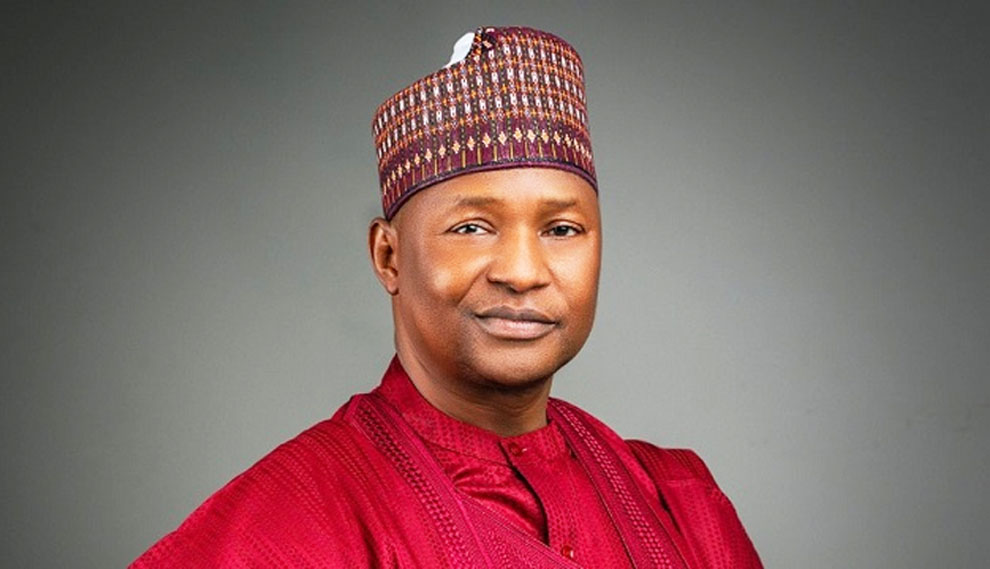
Former Attorney-General of the Federation and Minister of Justice, Abubakar Malami, has defended the controversial $200 million settlement agreement reached between the Federal Government and Sunrise Power and Transmission Company Limited over the long-running Mambilla Hydroelectric Power Project dispute.
Malami said the proposed settlement was negotiated in what he considered to be Nigeria’s interest, arguing that the government was attempting to resolve a dispute that had persisted for years and had become an obstacle to the development of the 3,960-megawatt Mambilla power project in Taraba State.
His response followed a 616-page final award delivered by an International Chamber of Commerce (ICC) arbitration tribunal in Paris on September 16, 2026. The tribunal rejected Sunrise Power’s claims against Nigeria but also made adverse findings about Malami’s handling of the settlement negotiations.
The tribunal found that the 2020 settlement agreement and its addendum were not binding on Nigeria because they lacked the required presidential approval. It also concluded that the agreements were products of corruption and contrary to Nigerian public policy.
Malami has rejected those findings concerning his conduct, stressing that the arbitration was a commercial proceeding and not a criminal trial.
He said the tribunal’s award should therefore not be presented as a criminal conviction against him.
According to Malami, the dispute between Sunrise Power and the Federal Government began years before he became Attorney-General and passed through several administrations, ministries and Attorneys-General.
He said his involvement arose from his constitutional and professional responsibility to advise the government on its legal exposure and possible options for resolving the longstanding dispute.
The Mambilla controversy dates back to 2003, when Sunrise became involved in plans for the development of the hydroelectric project in Taraba State. The project was later redesigned with a proposed capacity of 3,960MW, but disagreements over Sunrise’s contractual role eventually produced years of litigation and international arbitration.
READ ALSO:
- Obasanjo Family, Orji Kalu Among Nigerians Linked to $271m US Property Investigation
- Nationwide Blackout Looms As Electricity Workers Give NAF Three-Day Ultimatum
- Phyna, Nkechi Blessing Take Social Media Feud To Boxing Ring In Lagos
By 2019, Malami said, the unresolved dispute had become an impediment to financing discussions surrounding the Mambilla power project, including engagements involving China Exim Bank.
He said Sunrise initially demanded $500 million as a full and final settlement during negotiations in London in November 2019.
Government representatives reportedly countered with $100 million before negotiations produced the $200 million figure that was eventually incorporated into the settlement agreement.
The January 2020 agreement provided for Nigeria to pay Sunrise $200 million to settle the dispute.
However, a subsequent addendum dated March 25, 2020 introduced another $200 million liability in the event of default, potentially increasing Nigeria’s exposure to $400 million, apart from interest.
The additional liability became a major issue before the ICC tribunal.
The tribunal examined the circumstances surrounding the settlement and the subsequent addendum, including communications between Malami and Leno Adesanya, the promoter of Sunrise Power.
According to the tribunal’s findings reported from the final award, Adesanya alleged that Malami and former Minister of Power Saleh Mamman discussed a payment arrangement under which Nigeria would initially release $100 million and the remaining $100 million would be paid after Adesanya had done “what is needed”.
Adesanya also claimed to have audio and video recordings relating to the alleged discussions.
The tribunal noted, however, that those recordings were not produced before it. It therefore considered the absence of the recordings when assessing the evidence surrounding the allegations.
Despite that limitation, the tribunal concluded that the evidence before it established what it described as a corrupt deal between Malami and Adesanya and found that the settlement agreements were consequently tainted.
The tribunal also found that Malami had acted against Nigeria’s interests and was motivated by other incentives in his handling of the settlement. It noted that Malami did not appear before the tribunal to give evidence.
Malami has categorically rejected the allegation.
In a statement issued by his Special Assistant on Media, Mohammed Doka, the former AGF said his official actions were not motivated by a promise of personal financial benefit.
He argued that the allegation should be assessed against the complete documentary and evidentiary record, including whether he ever received money or any other financial benefit from Sunrise, Adesanya or an associated entity.
READ ALSO:
- Edo Police Arrest Cleric Over Alleged Abduction, Sexual Abuse Of Five Girls
- Abia Police Rescue Four-Day-Old Baby, Arrest Four Over Alleged Theft, Trafficking
- Rent Crisis Deepens as Tenants Struggle With Soaring Housing Costs in Calabar, Lagos, Abuja
Malami also pointed to the fact that former President Muhammadu Buhari never approved the $200 million settlement.
According to the tribunal’s findings, Buhari wrote in a note dated April 20, 2020 that the Federal Government did not have the $200 million required to pay Sunrise.
A later request for approval was also rejected. On January 18, 2021, Buhari reportedly wrote “Not approved” on a communication relating to the settlement.
Malami said his subsequent actions should be considered in that context.
He maintained that when Sunrise later sought to enforce the settlement against Nigeria, he instructed government lawyers to resist the attempt and preserve the country’s legal position.
The former AGF therefore argued that it would be inaccurate to portray his role simply as an attempt to secure payment for Sunrise despite Buhari’s position.
The tribunal reached a different conclusion about aspects of his conduct, finding that Malami and Adesanya had maintained an inappropriate relationship during the dispute and had coordinated on matters relating to the settlement.
The findings have generated calls for further investigation from anti-corruption groups.
The Human and Environmental Development Agenda (HEDA Resource Centre) has called on Nigeria’s anti-corruption agencies to investigate the tribunal’s findings and prosecute any offences established by the evidence.
The ICC proceedings themselves, however, were commercial arbitration proceedings, not a criminal prosecution of Malami.
That distinction is significant because the tribunal’s findings regarding alleged corruption do not amount to a criminal conviction. Any criminal liability would have to be established through the appropriate criminal justice process.
While the tribunal criticised the handling of the settlement, its overall decision was favourable to Nigeria in the underlying arbitration.
Sunrise had sought hundreds of millions of dollars from Nigeria in connection with the settlement and was pursuing a separate claim exceeding $2.7 billion over the Mambilla project dispute.
The tribunal rejected Sunrise’s claims, including its demand for $400 million under the 2020 settlement and subsequent default provision. It also ordered Sunrise and Adesanya to reimburse Nigeria for a substantial portion of its legal costs.
Reports on the award put Nigeria’s recoverable legal fees and expenses at about $11.82 million, while Sunrise and Adesanya were also ordered to bear most of the arbitration costs.
President Bola Ahmed Tinubu welcomed the ruling and described it as the removal of a major legal obstacle to the long-delayed Mambilla Hydroelectric Power Project.
The President commended the Federal Ministry of Justice, Nigeria’s legal defence team and witnesses who participated in the arbitration, including former President Olusegun Obasanjo and the late President Muhammadu Buhari.
The Federal Government has said the arbitration outcome clears a major legal hurdle surrounding the Mambilla project, which has remained stalled for years.
The project is expected to have a generation capacity of 3,960MW, making it one of Nigeria’s most ambitious planned power developments.
For Malami, however, the ICC decision has created two separate issues: Nigeria’s success in defeating Sunrise’s financial claims and the tribunal’s findings about his conduct during the settlement negotiations.
He has welcomed the arbitration victory while rejecting the corruption findings against him.
Malami said he would provide a more comprehensive response after reviewing the complete ICC award and the evidence underpinning the tribunal’s conclusions.
The Mambilla settlement controversy is therefore likely to remain a subject of scrutiny, particularly over the circumstances surrounding the $200 million agreement, the March 2020 addendum that potentially doubled Nigeria’s liability, the absence of presidential approval and the communications between Malami and Sunrise’s promoter.
At the same time, the ICC ruling has settled the immediate arbitration dispute in Nigeria’s favour by preventing Sunrise from enforcing the disputed $400 million settlement claim.
The distinction between the two aspects of the case remains important: the ICC arbitration victory belongs to Nigeria in the commercial dispute, while the tribunal’s adverse findings concerning Malami are allegations and findings arising from that arbitration and are being expressly rejected by the former AGF.
Mambilla: Malami Defends $200m Settlement, Rejects ICC Corruption Findings
metro
Obasanjo Family, Orji Kalu Among Nigerians Linked to $271m US Property Investigation
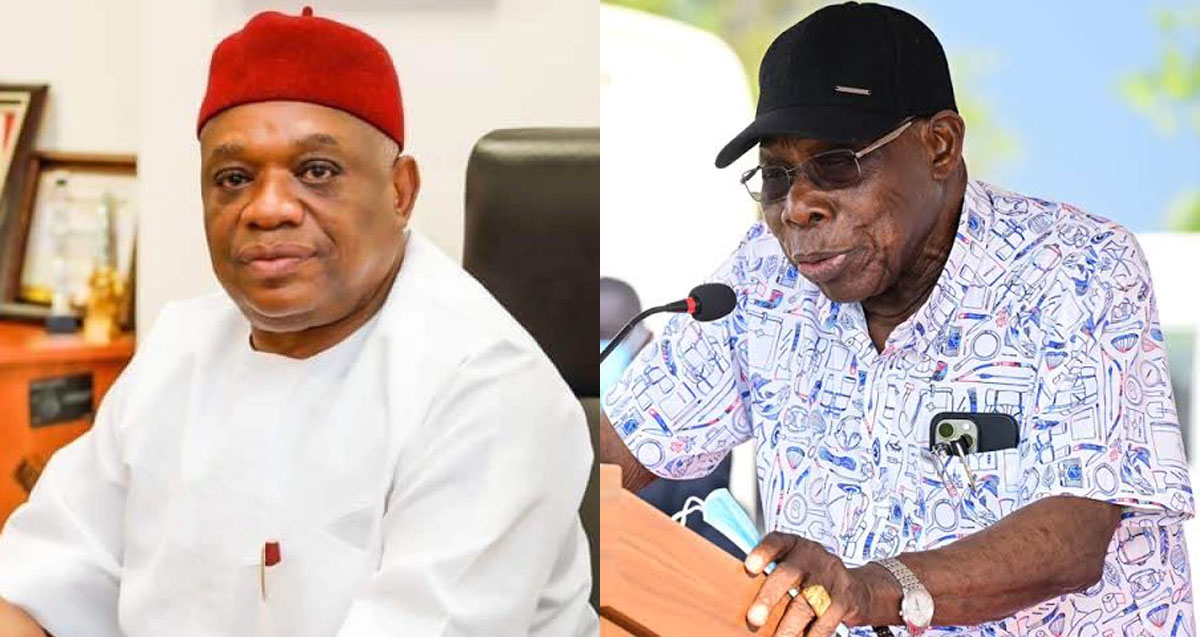
Obasanjo Family, Orji Kalu Among Nigerians Linked to $271m US Property Investigation
Members of the families of former President Olusegun Obasanjo and former Abia State governor Orji Uzor Kalu are among 61 Nigerian-linked individuals identified in a fresh investigation into about $271 million worth of US property and assets.
The investigation was conducted by the Platform to Protect Whistleblowers in Africa (PPLAAF) in partnership with the Anti-Corruption Data Collective (ACDC) as part of a broader examination of how wealth connected to Nigerian politically exposed persons (PEPs) has been moved into and held through United States real estate.
The findings, released on Tuesday, September 22, 2026, examine property ownership records, corporate structures and other data relating to Nigerian political figures, their relatives and associates.
The investigation comes days after PPLAAF announced that it had uncovered additional US properties linked to the families of former Nigerian officials, saying the findings pointed to gaps in the ability of Nigerian and American authorities to trace assets across borders.
However, being named in the investigation does not by itself establish that an individual committed a crime or that every property identified was acquired with proceeds of corruption.
Rather, PPLAAF and ACDC have presented the investigation as an examination of asset ownership, financial flows and corporate structures, with the aim of identifying properties and transactions that may warrant further scrutiny by competent authorities.
The investigation has renewed attention on the overseas assets of Orji Kalu, whose family has previously been the subject of a separate PPLAAF investigation into US property.
According to PPLAAF’s earlier findings, Kalu spent about $3.3 million on US properties while serving as Abia State governor and acquired additional properties worth about $4.4 million in the 18 months after leaving office, during a period when he was facing corruption charges in Nigeria.
PPLAAF further reported that Kalu and members of his family had owned properties valued at approximately $20 million across Maryland, North Carolina, South Carolina and Texas.
The properties included residential, commercial and undeveloped assets, with some acquisitions made through companies associated with Kalu and his family.
READ ALSO:
- Nationwide Blackout Looms As Electricity Workers Give NAF Three-Day Ultimatum
- Phyna, Nkechi Blessing Take Social Media Feud To Boxing Ring In Lagos
- Edo Police Arrest Cleric Over Alleged Abduction, Sexual Abuse Of Five Girls
Kalu was governor of Abia State from 1999 to 2007 and was subsequently prosecuted by the Economic and Financial Crimes Commission (EFCC) over allegations relating to the diversion of public funds.
He was convicted in 2019, but the Supreme Court overturned the conviction in 2020 on grounds relating to the composition of the trial court.
The PPLAAF investigation into Kalu’s US assets therefore predates the latest $271 million investigation and provides part of the background to his inclusion in the broader examination of Nigerian-linked wealth in the United States.
The investigation has also brought renewed attention to the use of family members, trusts, companies and other legal structures in holding foreign property.
A recent PPLAAF investigation involving former Enugu State governor Chimaroke Nnamani illustrates the type of transactions the organisation has been examining.
PPLAAF said its investigation identified at least nine properties in Florida and Virginia acquired by Nnamani and members of his family during and after his tenure as governor.
The properties were reportedly worth several million dollars, with seven of those identified being purchased after the EFCC had begun proceedings against Nnamani.
According to PPLAAF, the EFCC had accused Nnamani, his sister Chinero Nwaigwe and associated companies of stealing and laundering approximately $41.8 million from Enugu State.
The organisation said US authorities subsequently investigated financial transactions linked to the family and identified companies, wire transfers and a Florida property purchased for about $1.8 million.
PPLAAF’s review of property records subsequently identified other assets that it said were not mentioned in the earlier Nigerian or US proceedings.
READ ALSO:
- Abia Police Rescue Four-Day-Old Baby, Arrest Four Over Alleged Theft, Trafficking
- Rent Crisis Deepens as Tenants Struggle With Soaring Housing Costs in Calabar, Lagos, Abuja
- Plateau Imposes 6pm–6am Curfew on Three LGAs After Fresh Attacks
One of the properties, according to the organisation, was purchased by Nwaigwe in Virginia in January 2022 for approximately $1.5 million and transferred to Nnamani in December of the same year without stated consideration. Nnamani was serving as a senator at the time.
PPLAAF said the wider Nnamani property network included assets acquired through trusts and companies, which it said raised questions about beneficial ownership and the source of funds.
Nnamani has denied wrongdoing and rejected allegations that he was the subject of an FBI investigation or US criminal proceedings, according to PPLAAF’s published investigation. The organisation said other family members it contacted did not respond to its questions.
The Nnamani case is significant to the latest investigation because PPLAAF had announced ahead of the September 22 release that it would publish a broader report detailing how hundreds of millions of dollars in American real estate were connected to current and former senior Nigerian officials.
The organisation said the report would examine the structures and regulatory gaps that can allow wealth to move across international borders and become invested in foreign property.
The broader investigation focuses on a problem that extends beyond Nigeria: the difficulty of identifying the true owners of property when assets are held through corporations, trusts or other legal arrangements.
Such structures are not inherently illegal. Companies and trusts are routinely used for legitimate estate planning, investment, privacy and commercial purposes.
However, investigators and anti-corruption organisations have argued that opaque ownership structures can also make it more difficult for authorities to establish who ultimately controls an asset and where the money used to purchase it originated.
This has made US real estate an important area of interest in international investigations into suspected illicit financial flows.
The latest investigation by PPLAAF and ACDC consequently raises questions about whether Nigerian and US authorities have sufficient information to trace the ownership and source of funds behind Nigerian-linked property holdings.
ACDC has worked with investigative journalists, researchers and other organisations on investigations involving transnational corruption and illicit financial flows, while PPLAAF focuses on whistleblower protection, investigations and legal advocacy concerning matters of public interest.
The two organisations have previously collaborated on investigations involving complex international financial structures and property ownership.
For Nigeria, the issue is particularly relevant because the recovery of assets allegedly acquired with public funds often depends on cooperation between domestic agencies and foreign authorities.
The EFCC, Independent Corrupt Practices and Other Related Offences Commission (ICPC), Nigeria Financial Intelligence Unit (NFIU) and other agencies can require international cooperation when assets suspected of being proceeds of crime are located outside the country.
The latest findings therefore do not amount to a judicial determination that the individuals identified are guilty of corruption or money laundering.
Instead, the report places a large number of Nigerian-linked US properties and assets under renewed public scrutiny and calls attention to the need for authorities to establish ownership, source of funds and, where necessary, whether particular assets are connected to criminal proceeds.
The distinction is important because property ownership alone is not evidence of corruption. Any allegation that a particular asset represents proceeds of crime would ultimately require evidence and, where contested, determination through the appropriate legal process.
The investigation is nevertheless likely to generate further questions about Nigerian politicians’ foreign assets, the role of relatives and corporate entities in holding property abroad, and the capacity of Nigerian institutions to recover assets located in other jurisdictions.
PPLAAF’s recent investigations have also highlighted cases in which property records revealed assets that investigators said were not fully reflected in earlier corruption or forfeiture proceedings.
The organisation has called on Nigerian and US authorities to investigate the newly identified financial and property structures and determine whether any of the assets warrant further action.
As scrutiny of the $271 million US property investigation continues, the central issue will be whether the ownership structures and financial transactions identified by the investigators can be independently verified and whether competent authorities find evidence of unlawful conduct.
For the individuals and families named, inclusion in the investigation should therefore be understood as an allegation or investigative finding requiring further verification, rather than proof of criminal liability.
Obasanjo Family, Orji Kalu Among Nigerians Linked to $271m US Property Investigation
-
 International2 days ago
18 Suspects Transferred to US Over 2021 Killing of Haitian President Moïse
-

 metro3 days ago
Irreconcilable Developments: Wedding Cancelled 24 Hours Before Ceremony
-

 News2 days ago
NiMet Predicts Thunderstorms, Rain Across Nigeria Till Wednesday
-
 Politics3 days ago
2027: NDC Predicts Wider Obi Victory Over Tinubu in Lagos
-

 Politics2 days ago
‘Join the Hunt’ — Soludo Urges Igbos to Strategically Align Ahead of 2027
-

 Sports2 days ago
Messi Fires Stunning 75th Career Free-Kick to Reach 930 Goals in Inter Miami Draw
-
 metro2 days ago
My Heart Has Always Been Home With You — Tinubu’s Powerful Message to Oluremi at 66
-

 Politics3 days ago
Olawepo-Hashim: My Political Ideology Differs From Obi, Atiku
You must be logged in to post a comment Login